
Why your Invisalign trays are suddenly making you lisp
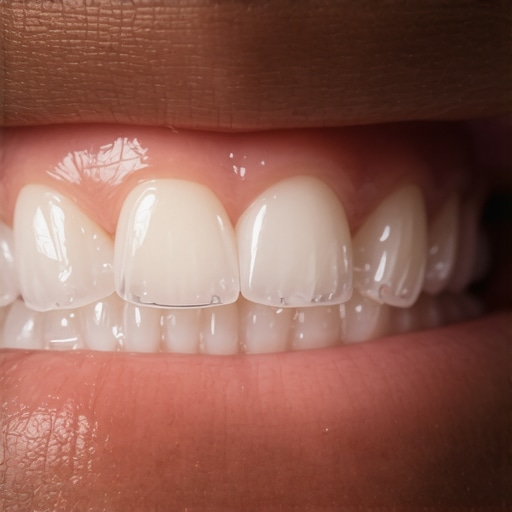
I was standing at my local coffee shop, trying to place a simple order for a medium latte, when the words just wouldn’t come out right. “Can I get a thmall… I mean, thmall…” I trailed off, my face turning a shade of red that matched the espresso machine. My tongue felt like it was wearing a puffy winter coat, and every ‘S’ sound I tried to make turned into a wet whistle. It was my second day with a new set of trays, and I felt like a cartoon character. If you are currently hiding in your bathroom practicing the word ‘Mississippi’ over and over, I want you to take a deep breath. I have been exactly where you are, and I promise you, your voice isn’t gone forever. Today, we are going to tackle why your mouth is acting like a stranger and how we can get you speaking clearly again without abandoning your treatment.
Your Tongue is Just Feeling a Little Crowded
The reality of choosing Invisalign over traditional braces is that while the trays are nearly invisible to the eye, they are very much visible to your tongue. That tiny bit of medical-grade plastic adds a few millimeters of thickness to the back of your teeth. Your tongue, which is a surprisingly sensitive muscle, uses the roof of your mouth and the back of your teeth as landmarks to create sounds. When those landmarks move or change texture, your brain gets confused. It’s like trying to type on a keyboard where every key has been shifted a fraction of an inch to the left. I remember reading through various Invisalign myths debunked and thinking speech issues were rare, but they are actually quite common. According to the American Association of Orthodontists, speech changes are usually temporary as the tongue adapts to the new volume in the oral cavity. Early on, I made the mistake of trying to speak without letting my tongue touch the plastic at all, which just led to weird jaw tension and a clicking sound when I spoke. It wasn’t until I relaxed that things started to improve.
Is this lisp actually going to be permanent?
The biggest fear I hear from people—and the one I had myself—is that they’ll be stuck with this speech impediment for the next eighteen months. You might be worried about a big presentation at work or a first date. Let me put those fears to rest: your brain is incredibly plastic. Usually, within two to seven days, your tongue learns to navigate the new landscape. It’s especially noticeable when your teeth ache for the first two days of a fresh tray because you are already subconsciously avoiding certain movements. Have you noticed your speech getting worse when you’re tired or at the end of a long day? You aren’t alone in that struggle, and there are specific exercises we can do to speed up the transition.
Retrain Your Tongue in Record Time
The lisp you are experiencing isn’t a permanent change to your voice; it is a temporary mechanical error. Because the aligners sit on the lingual side of your teeth—the side facing your tongue—they effectively shorten the runway your tongue uses to take off for certain sounds. To fix this, you have to treat your speech like a new physical skill, similar to learning a golf swing or a piano scale. I remember sitting in my car for twenty minutes before a big meeting, staring into the rearview mirror and repeating the word ‘success’ until it stopped sounding like ‘thucceth.’ It felt ridiculous, but that focused repetition is exactly what forces your brain to recalibrate. When you first pop a new tray in, you might notice why your Invisalign trays feel tighter on some days than others, and that extra pressure can make your tongue even more hesitant to hit its usual marks.
Say the Hardest Words First
The most common trouble spots are ‘S,’ ‘Z,’ ‘Sh,’ and ‘Ch’ sounds. These are called sibilants, and they require a very precise, narrow stream of air. Start by reading a list of ‘S’ heavy words out loud for five minutes, three times a day. Words like ‘sixty-six,’ ‘Mississippi,’ and ‘starlight’ are perfect for this. Don’t just whisper them; speak at your normal volume. Your tongue is already doing a lot of work, so make sure you aren’t making things harder by neglecting hygiene; learning the right way to clean your tongue without triggering your gag reflex helps reduce that thick feeling in your mouth that often accompanies new aligners.
Use the Rainbow Sweep to Find New Landmarks
This was the breakthrough for me. To do the ‘Rainbow Sweep,’ place the tip of your tongue against the back of your bottom teeth and slowly arch the middle of your tongue up to touch the roof of your mouth, then sweep it back toward your throat. This movement helps your tongue ‘map’ the new boundaries of the plastic. By doing this, you are teaching your muscle memory that the roof of your mouth is now a few millimeters lower. When I was struggling during my first week, I realized I was trying to avoid touching the trays at all, which is impossible. Once I used the Rainbow Sweep to get comfortable with the plastic texture, my ‘T’ and ‘D’ sounds became crisp again. 
Stop the Slushy Sound by Managing Saliva
Excessive saliva is a common culprit for that ‘wet’ sounding lisp. Your brain is hardwired to produce saliva when it detects an object in your mouth, as it assumes you are eating. In the beginning, your mouth treats Invisalign like a very long meal. I remember a specific Tuesday when I had to give a presentation and felt like I was constantly having to swallow mid-sentence. I found that staying hydrated and knowing the reason your saliva feels thick and sticky allowed me to adjust my swallowing patterns. If you let your mouth get too dry, the trays can stick to your lips; if it’s too wet, you get the whistle. Drink plenty of water to keep the saliva thin and manageable.
Keep Your Trays Clean to Reduce Friction
To keep the air flowing correctly, you must also ensure your hardware is spotless. A dirty aligner can develop a film that feels ‘tackier’ against your tongue and cheeks, which subtly changes how you form sounds. Following the same logic as how to prevent bad breath when you are wearing a retainer, you should soak your trays daily. When the plastic is perfectly smooth and clean, your tongue can glide over it rather than catching on it. This minor reduction in friction makes a massive difference when you are speaking quickly or in a high-pressure environment where you can’t afford to stumble over your words.While we’ve focused on the mechanics of speaking, there is a deeper layer to orthodontic success that most people ignore. Everyone says the best part of clear aligners is the flexibility, but I’ve found that flexibility is actually the biggest hurdle to a perfect trajectory. Many patients treat the 22-hour rule like a speed limit—something you can push if you’re feeling lucky. In reality, your biology doesn’t work that way. The periodontal ligament, which holds your teeth in place, requires constant, low-grade tension to remodel the bone effectively. If you leave your trays out for a four-hour wedding dinner, you aren’t just losing four hours; you are allowing the bone to begin ‘setting’ again in the wrong position. This is one of the Invisalign myths debunked that people learn the hard way when their next tray feels like a torture device. It is a common misconception that the trays ‘move’ the teeth instantly. They don’t. They provide the map, but your body does the construction.
Does Your Bone Density Dictate How Fast Your Teeth Move?
It’s a question that gets asked more often as Invisalign innovations make the treatment available to older adults with complex dental histories. The answer is a resounding yes. A study in the American Journal of Orthodontics and Dentofacial Orthopedics indicates that adult bone turnover is significantly slower than that of a teenager, which means your margin for error with ‘off-time’ is much smaller. If you’re an adult, you have to be even more disciplined than a teenager. I’ve seen people get frustrated because their progress stalls, not realizing that even short periods without trays cause the teeth to ‘rebound,’ which is why your Invisalign trays feel tighter on some days than others. This isn’t just about the tray being small; it’s about your teeth literally trying to go home to their old, crooked neighborhood the moment the ‘landlord’ leaves. 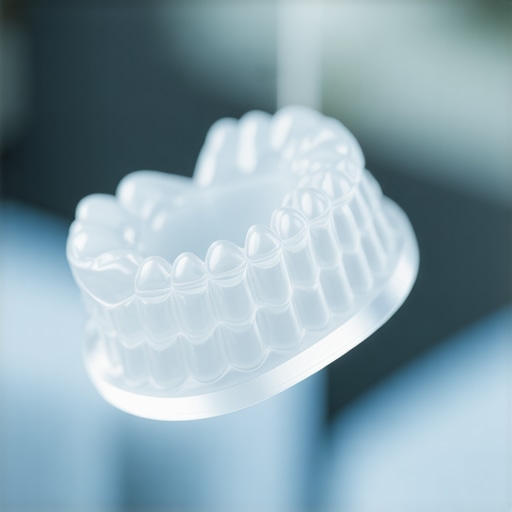
The Invisible Trap of ‘Healthy’ Snacks
Here is the ‘oops’ factor I fell for during my first month: snacking on ‘clean’ foods like apple slices or almonds and just rinsing with water before popping the trays back in. You might think you’re safe since you didn’t have a sugary soda, but the natural acids and microscopic starches get trapped between the plastic and your enamel. This creates a literal greenhouse for bacteria that erodes your teeth while you think you’re being healthy. This neglect can lead to the hidden cause of white spots on your teeth, which are actually permanent decalcification marks that no amount of brushing will fix later. Even if you are diligent, you might notice what to do when your crown feels taller than your other teeth if you have existing restorative work, because the aligners can put unexpected pressure on old dental work that hasn’t moved in years. If you don’t keep your mouth perfectly clean, you aren’t just moving teeth—you’re brewing a recipe for issues that family dentistry secrets usually recommend avoiding through preventative care. Always carry a travel brush, even for ‘healthy’ snacks. Have you ever fallen into this trap? Let me know in the comments.Speaking of comments, one question I get constantly is about the ‘gear’ I use to stay on track. If you’re just using your fingers to pry those trays out, you’re doing it the hard way. I personally swear by a specialized removal tool—it’s a small plastic hook that saves your fingernails and, more importantly, prevents you from accidentally putting too much torque on a crown or veneer. If you’ve ever worried about what to do when your crown feels taller than your other teeth, you know that restorative work needs a gentle touch. Using a tool ensures you are pulling the aligner straight down rather than outward, which protects the bond of your dental work.
How do I maintain my progress without losing my mind?
Consistency is the only secret that actually works. Beyond the trays, I’ve integrated family dentistry secrets like the ‘dry brushing’ technique—brushing without toothpaste first to feel for plaque—and using a high-quality water flosser. If you’ve struggled with the messy cords of older models, mastering the trick to using a water flosser without making a total mess is a complete game-changer for keeping the gaps between your teeth clear while they are in motion. Many people assume flossing is optional when you can remove your ‘braces,’ but because your teeth are moving, the gaps are shifting and trapping debris in brand-new places. A study published in the Journal of Clinical Orthodontics highlights that ‘active seating’—the process of using silicone chewies to close the microscopic air gaps between the tooth and the tray—can significantly improve the predictability of complex tooth movements. I spend two minutes every night biting down on a mint-scented silicone chewie; it feels like a mini jaw workout, but it ensures my trays are actually doing their job rather than just sitting loosely on top of my teeth. 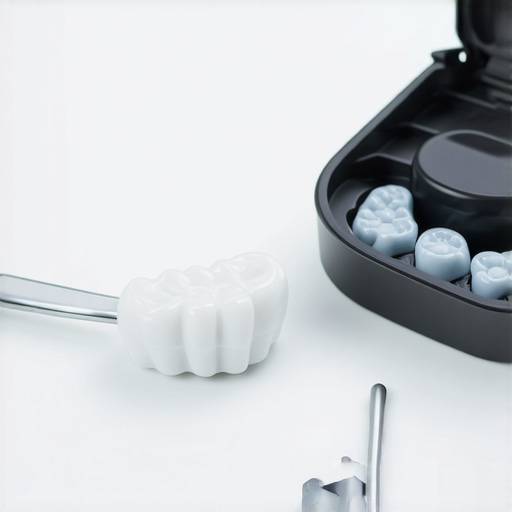
Smart Tech and the Next Wave of Clear Aligners
Looking ahead, I expect we’ll see a massive shift toward remote AI monitoring. We are already seeing Invisalign innovations that allow patients to scan their teeth using a smartphone attachment and an app that uses computer vision to track movement. This means fewer trips to the office and more real-time adjustments based on how your individual biology is responding. It’s part of a broader trend in top oral health tips for your family’s bright smiles where prevention is becoming high-tech. This level of data will eventually allow us to predict exactly when a tray is done with its work, rather than relying on a generic 7-day or 14-day schedule. My challenge for you: Buy a pack of silicone chewies today and use them for 60 seconds every time you re-insert your trays—you’ll notice the ‘tightness’ of a perfect fit almost immediately, which is the best way to keep your treatment on the fastest possible track.
Why My 22-Hour Rule Became Non-Negotiable
Reflecting on my own journey, the hardest lesson wasn’t about the lisp itself, but about the mental discipline of keeping the trays in. I realized that every time I cheated on the clock, I was essentially resetting my tongue’s learning curve. If you want to stop the whistling sound, you have to keep the environment consistent. One major Invisalign myth debunked is the idea that ‘close enough’ is good enough; your teeth and your speech both require that constant pressure to adapt. I also learned that choosing Invisalign over traditional braces means you are your own primary caretaker. You are in control of the speed of your results, which is both a gift and a responsibility.
The Few Essentials That Saved My Sanity
I didn’t need a drawer full of gadgets, but these four items were life-changers for me. First, a dedicated removal tool is a must to avoid damaging any existing dental work, especially if you have concerns about crowns for a healthier smile. Second, I always keep a travel kit ready; using the best way to travel with aligner cleaners ensures my breath stays fresh on the go. Third, mastering the trick to using a water flosser helped me clear debris that my toothbrush missed as my teeth began to shift. Finally, the silicone chewies I mentioned earlier are the single best investment for ensuring your trays fit perfectly every single time.
Step Into the Future of Your Smile
Don’t let a temporary lisp or a bit of extra maintenance hold you back from the confidence you deserve. Modern family dentistry secrets and Invisalign innovations have made this process smoother and more predictable than ever before. Your voice will return to its natural state, and before you know it, you’ll be speaking with a level of confidence you never thought possible. Embrace the transition, stay diligent with your hygiene, and remember that every ‘S’ you struggle with today is a step closer to a lifetime of straight, healthy teeth. You’ve got this!
What is the one word or phrase that currently gives you the most trouble when you have your trays in? Let me know in the comments below!