
The move to stop your dentures from clicking while you speak

I was three minutes into a toast at my best friend’s retirement dinner when I heard it—that dreaded, sharp click-clack that sounds more like a typewriter than a human mouth. I froze. My lower plate had decided to go rogue, bouncing against the upper one like a pinball. I spent the rest of the night nursing a lukewarm water and nodding like a bobblehead because I was too terrified to open my mouth. It’s a special kind of social anxiety, isn’t it? That feeling that your teeth are about to make a break for it right in the middle of a sentence. If you have felt that sudden panic, I want you to know you aren’t failing, and your teeth aren’t broken; you just need to master the mechanics of your new smile. [image_placeholder]
Stop the Noise Before Your Next Big Talk
When I first started my journey with prosthetics, I thought I’d just have to accept being the “noisy talker” in the room. I actually made the rookie mistake of thinking I could just pile on more adhesive to “glue” the problem away. I was practically using a tube a day! Spoilers: it didn’t work. It just made my coffee taste like minty goo and didn’t stop the movement because the fit was the real culprit. Whether you are curious about family dentistry trends improving oral health for all ages or you are currently navigating the transition to full plates, understanding the “why” behind the noise is the first step to silence.
Is this clicking just an inevitable part of having dentures?
Many people fear that once they move past crowns for a healthier smile and into dentures, their natural-sounding voice is gone forever. I certainly felt that way. But the clicking is usually just a sign of your cheek muscles and tongue playing a high-stakes game of tug-of-war with your appliance. According to the American College of Prosthodontists, millions of people wear dentures, yet a significant portion struggle with speech adaptation because they haven’t been taught the correct stabilization techniques. We are going to solve that today. I’ll show you the simple move to fix a whistle in your speech and how to stabilize your jaw so you can get back to telling jokes without the sound effects. Have you ever had your teeth “chatter” while you were just trying to order a coffee? It’s frustrating, but we’re going to fix it. We might even look at why the reason your jaw clicks more when you’re feeling tired, because fatigue plays a bigger role in your speech clarity than you might think. Staying on top of top oral health tips for your family’s bright smiles means adapting as our needs change, and today, we’re focusing on making your speech as smooth as silk.
The Secret Reset Button Your Jaw Needs
I remember standing at a coffee shop counter, trying to order a triple-shot latte shortly after getting my new plates. When I hit the ‘T’ in triple, my upper plate slid down my tongue like a bobsled on a wet track. It was mortifying, but it taught me about the ‘Reset Swallow.’ Before you even open your mouth to speak, you need to seat your appliance. Close your mouth completely, bite down very gently to ensure everything is aligned, and then swallow. This action creates a momentary vacuum seal. It’s like clicking a seatbelt into place before a drive. If you find that the ‘click’ happens despite this, it might be time to look at why your porcelain crown has a tiny chip on the edge or if your denture base has similar small imperfections that break the seal.
Lock Your Plates in Place Using Simple Suction
The hardest part of speaking with new teeth isn’t the words themselves; it’s the air. When air gets under the plate, the suction breaks and the clicking begins. To combat this, you have to retrain your tongue to stay ‘low’ during certain consonants. For example, when making ‘S’ or ‘SH’ sounds, many of us are used to pressing the tongue against the back of the teeth. With dentures, you want to aim for the roof of the mouth, just behind the ridge. Think of it as the difference between invisalign vs braces which solution fits your lifestyle; one is about gradual pressure, and the other is about structural support. 
Ditch the Heavy Adhesive Habit
I used to think more glue meant more security. I was wrong. Too much adhesive actually creates a thick, uneven layer that prevents the denture from sitting flush against your gums. It’s like trying to close a door with a thick rug in the way. Instead, focus on a thin, even application and rely on the natural shape of your jaw. If your mouth feels unusually dry, which makes suction impossible, you should investigate why your mouth feels dry when you take certain medications as this is a common silent culprit behind loose plates.
Why Your Voice Fails When the Sun Goes Down
Have you ever noticed that your speech is perfectly fine at 10:00 AM but sounds like a bag of marbles by 7:00 PM? Muscle fatigue is real. Your facial muscles are working overtime to hold those plates in place. Just like you might wonder the reason your jaw clicks more when you’re feeling tired, your speech clarity drops as those muscles wear out. When this happens, don’t push through it. Take a five-minute break, sip some water, and do a few jaw stretches. Keeping up with family dentistry secrets maintaining oral health with modern techniques at 254 pm isn’t just about the hardware; it’s about the software—your muscles. If you’ve neglected your cleaning routine, learn how to clean a retainer that has sat out for too long because the same principles of removing biofilm will help your dentures grip better. If you ever feel a sudden ache after a long day of talking, it’s worth checking why your jaw feels sore after a long phone call to ensure you aren’t overcompensating with a tense bite.That tense bite usually stems from a fundamental misunderstanding: the idea that dentures are static replacements. In reality, they are dynamic tools that require your brain to update its internal map. While most people believe the perfect fit is something the dentist creates once and for all, the truth is that your mouth is a shifting landscape. Much like how invisalign myths debunked what you need to know today prove that orthodontic success is about constant movement, denture success is about neurological adaptation. You aren’t just wearing plastic; you are asking your brain to coordinate with a foreign object that lacks the natural sensors of your original teeth.
Can your brain actually ‘re-wire’ itself to make dentures feel natural?
Surprisingly, yes. Research published in the Journal of Oral Rehabilitation demonstrates that the brain undergoes significant cortical reorganization when adapting to new prosthetics. This process, known as neuroplasticity, allows your tongue and cheeks to eventually ‘ignore’ the presence of the plate, but only if you practice active stabilization through repetitive speech exercises. If you skip this mental work, you will find that why your dental implant feels different than your natural teeth also applies here—the lack of periodontal ligament feedback can make your mouth feel ‘blind’ during conversation. 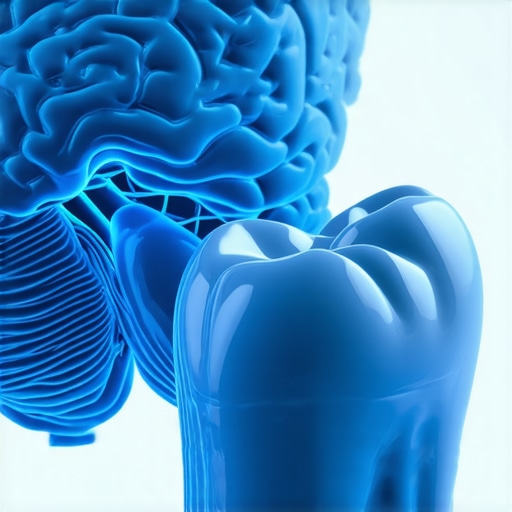
Avoid the Dangerous Comfort of the Soft Liner Trap
One of the biggest ‘oops’ factors I see in the prosthetic community is the over-reliance on temporary soft liners. When a patient gets a reline, it feels like a soft pillow for their gums. The mistake? Thinking that cushion is a permanent solution. These liners are porous and intended for short-term healing; over time, they warp and collect microscopic debris that can cause gum irritation and odors. Just as choosing the right crown expert advice for long-lasting results focuses on structural durability over a quick fix, your prosthetic journey needs to move from temporary comfort to a hard, stable base. People often ask about the truth about how long dental implants actually last because they want permanence, and the same mindset should apply to your denture maintenance.
Modern Tech Makes the Learning Curve Shorter
We are living in a golden age of restorative dentistry where invisalign innovations the future of family dentistry revealed at 1137 am and digital 3D modeling are becoming the new standard. This precision means fewer manual adjustments and a much faster transition into clear, confident speech. If you are still struggling with basic clicking after months of wear, it is highly possible your hardware is stuck in the past or improperly seated. Understanding how invisalign transforms family dentistry in 2025 shows us that precision fit is the ultimate enemy of the ‘click.’ Have you ever fallen into this trap of relying on a temporary fix or a ‘soft’ solution for too long? Let me know in the comments below.
Stop Scrubbing and Start Blasting Biofilm
I’ve spent more hours than I’d like to admit scrubbing at my dental work with a soft-bristle brush, thinking I was being diligent. But here’s the reality: those microscopic scratches from manual brushing are basically luxury condos for bacteria. If you want to keep your smile pristine, you have to upgrade your toolkit. I personally swear by an ultrasonic cleaner. It uses high-frequency sound waves to create cavitation bubbles that literally blast biofilm off the surface without any abrasive damage. This isn’t just for dentures; it’s the gold standard if you are figuring out how to clean a retainer that has sat out for too long or keeping your aligners fresh. The International Journal of Prosthodontics notes that ultrasonic cleaning is significantly more effective at reducing Candida albicans than manual brushing alone. By integrating this into your nightly routine, you ensure that your hardware remains as smooth as the day it was fitted. 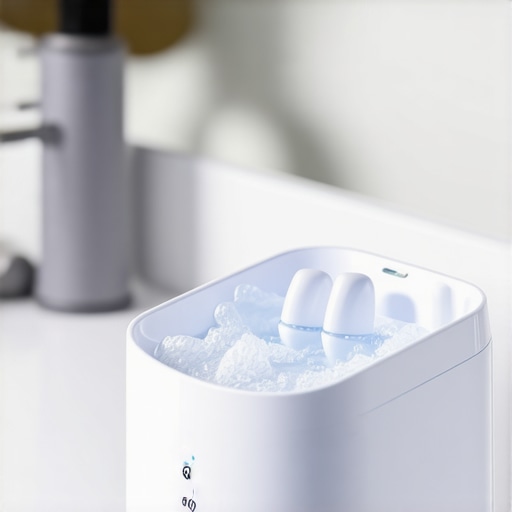
Master the Art of the Water Flosser
While we often focus on the appliance itself, the health of your supporting tissues is what actually keeps that appliance stable. If you are still struggling with manual floss around hardware, you are likely missing the most critical areas. Learning the trick to using a water flosser without making a total mess changed everything for me. It allows you to flush out debris from the ‘transition zone’—that delicate area where your gums meet a crown or a denture base. When you follow choosing the right crown expert advice for long-lasting results, you realize that gum health is the foundation of everything. A water flosser on a low setting provides the gentle stimulation your gums need to stay firm and healthy, preventing the recession that leads to those annoying air gaps and clicks.
How do I keep my prosthetic fitting perfectly for years?
Success in the long run isn’t about one big fix; it’s about micro-adjustments. Your jawbone naturally changes shape over time, a process called resorption. To combat this, you need to stay ahead of the curve by following family dentistry trends improving oral health for all ages. I recommend a professional ‘reline’ every one to two years. This isn’t a sign that your teeth are failing; it’s a sign that you are proactively managing the biology of your mouth. Think of it like getting a regular alignment for your car. If you’ve invested in the ultimate guide to crowns for a healthier smile, you know that professional oversight is what separates a five-year solution from a twenty-year one.
Look into the Future of Home Dental Scans
We are heading toward a world where how invisalign transforms family dentistry in 2025 includes AI-driven smartphone apps. Imagine being able to take a quick video of your mouth and having an algorithm tell you if your bite is shifting or if a crown needs attention before you even feel a ‘click.’ This level of precision is going to make the ‘learning curve’ of new teeth almost non-existent for the next generation. For now, your best tool is your own awareness. Try the ‘Light Test’ tonight: Hold your appliance up to a bright LED light. If you see cloudy patches that don’t scrub off, that’s embedded mineral buildup, not just a stain—it’s time for a professional deep clean to restore that perfect, silent fit.
The Lessons My Mirror Taught Me About My Smile
Transitioning to dentures isn’t just a physical change; it is a profound mental shift. I spent weeks overthinking every syllable until I realized that much of the movement was actually caused by my own facial tension. Learning to relax those muscles is the hardest but most rewarding part of the entire process. I also discovered that saliva levels change everything; if your mouth is dry, the suction fails, and the clicking starts almost instantly. It is a simple biological reality that many people overlook while they are busy worrying about adhesive brands. Finally, remember that family dentistry secrets maintaining oral health with modern techniques are there to support you, but they cannot replace the value of your own daily diligence and patience with yourself.
The Tools That Keep My Smile Silent
I would not go a single day without my ultrasonic cleaner now; it is the only way to truly remove the biofilm that manual brushing misses. I also rely heavily on the trick to using a water flosser without making a total mess to keep my gum line firm and healthy. Firm gums provide the necessary structural foundation for my plates to sit properly. For those who are still in the early stages of restorative work, seeing how the ultimate guide to crowns for a healthier smile can sometimes serve as a precursor to more extensive prosthetics, choosing the right professional is non-negotiable. I personally trust experts who stay current with choosing the right crown expert advice for long-lasting results because that level of precision translates directly to how well your hardware fits and functions over the long haul.
Why You Should Stop Hiding Your Laugh
It is easy to feel like everyone in the room is staring at your mouth, but the truth is they are listening to your story. Whether you are currently navigating the switch to full plates or exploring how how invisalign transforms family dentistry in 2025 might help a family member, the ultimate goal remains the same: a healthy, functional life where you feel like yourself. Your journey to silent speech is just one chapter of your life, not the whole book. Take the time to practice your vowels, be patient with your progress, and prioritize your oral health every single day. You deserve a smile that doesn’t just look good, but feels like home. Have you found a specific word or sound that always makes your dentures click? Let me know in the comments below!