
Why your mouth tastes like blood after a morning run

Have you ever finished your morning jog only to be greeted by a metallic, blood-like taste lingering in your mouth? It’s a jarring sensation that can leave you concerned and confused. I vividly remember the first time it happened to me—I was halfway through my run when suddenly, I noticed a sharp, iron-like flavor filling my mouth. At first, I thought it was just the aftermath of some minor gum irritation, but it persisted and got me wondering: what’s really going on? This experience felt personal, almost like my body was sending me an urgent message.
Uncovering the Secret Behind That Unsettling Taste
Turns out, you’re not alone in facing this mysterious metallic flavor after exercise. Many people experience a similar sensation, and understanding the root cause can make a significant difference in managing and preventing it. Today, I’m going to share what I’ve learned through personal trial, error, and conversations with dental professionals. We’ll explore why your mouth might taste like blood after your morning run and, more importantly, how you can address it effectively.
Is This Normal or a Sign of Bigger Dental Issues?
Early on, I made the mistake of dismissing this metallic taste as just a side effect of too much sweat. But that was a mistake. Ignoring persistent signs of unusual oral sensations can mask underlying issues like gum disease or minor injuries that bleed a little during exertion. In fact, studies show that mild gum inflammation can be aggravated by physical activity, especially if oral hygiene isn’t up to date (source: Family Dentist Pro). That’s why understanding the real culprit is crucial—not just for peace of mind but for your overall health.
So, what exactly causes that iron-like taste after your workout? Is it your gums, your teeth, or something else entirely? Let’s dive into the common reasons behind this phenomenon and how you can take proactive steps to combat it. But before we get to solutions, let me ask—have you ever experienced this metallic flavor during or after exercise? If so, you’re not alone, and understanding why is the first step toward fixing it.
Start with a Thorough Oral Hygiene Routine
Immediately after your workout, rinse your mouth with water to wash away sweat and debris that may irritate your gums. Use a soft-bristled toothbrush to gently clean your teeth, paying special attention to the gumline where plaque and bacteria tend to accumulate. Incorporate fluoride toothpaste to strengthen enamel and reduce inflammation. Regular brushing not only removes bacteria but also stimulates blood flow, helping to heal minor gum irritations that could contribute to bleeding and metallic taste.
Assess and Address Gum Health
Persistent metallic tastes can stem from gum inflammation or minor bleeding. Look for signs such as redness, swelling, or bleeding during brushing. If you notice these, consider scheduling a professional cleaning with your dentist. Regular family dentistry visits, like those described at Family Dentist Pro, are essential for maintaining optimal oral health and detecting underlying issues early.
Optimize Hydration and Diet
Dehydration can dry out your mouth, causing or exacerbating bad tastes. Drink plenty of water before, during, and after your run. Avoid sugary or acidic foods immediately after exercising, as they can irritate your gums and enamel, amplifying metallic sensations. Incorporate crunchy fruits and vegetables, which help cleanse teeth naturally and stimulate saliva production, creating a protective barrier against unwanted tastes.
Manage Dental Restorations Carefully
If you have crowns, veneers, or an orthodontic appliance like Invisalign, proper maintenance is crucial. Check your restorations regularly for signs of wear or looseness, which can lead to bacterial buildup and taste issues. For example, crowns serve as protective caps over damaged teeth, much like a helmet shields your head; if they become compromised, issues like bleeding can surface. Discover more about crowns and their restorative benefits at this guide. Be meticulous with cleaning around these restorations, and consult your dentist about long-term durability and any symptoms like sensitivity or abnormal taste.
Incorporate Specialty Dental Products
Using interdental brushes or water flossers can be more effective in cleaning hard-to-reach areas around crowns and orthodontic devices. These tools help remove plaque buildup that can cause inflammation and bad tastes. If you wear Invisalign, ensure trays are cleaned thoroughly between uses to prevent bacterial buildup, which can contribute to metallic tastes and bad breath. Learn about the latest Invisalign techniques at this resource.
Visit Your Dentist for a Precise Evaluation
If the metallic taste persists despite improved hygiene, hydration, and dietary adjustments, it’s time for a professional assessment. Your dentist can identify underlying issues such as gum disease, minor injuries, or problematic restorations. They may suggest treatments like deep cleanings, crown replacements, or addressing any infections. Remember, early intervention prevents minor problems from becoming more serious and helps restore your oral equilibrium.
Image placeholder
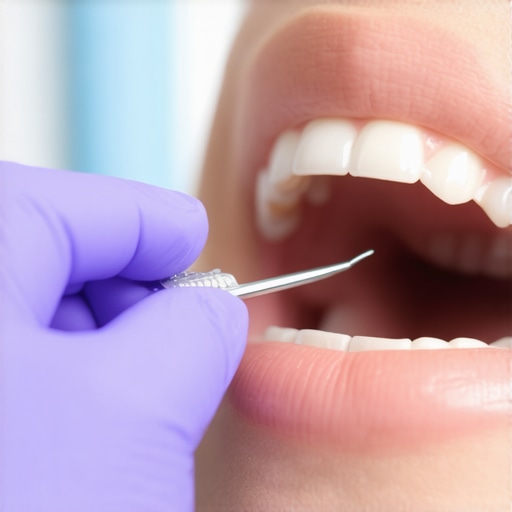
Close-up of a dental professional inspecting dental restorations and gums to diagnose potential causes of metallic taste after exercise.
Many people assume that crowns are a quick fix or that all dental restorations last forever, but the truth is more nuanced. For example, a prevalent misconception is that a crown, once placed, requires no further care—yet, in reality, regular check-ups and proper maintenance are essential to ensure longevity. According to expert advice from this resource, neglecting follow-up appointments can lead to issues like decay underneath the crown or failure of the restoration itself.
Similarly, many believe that family dentistry is just about routine cleanings. However, modern family dentistry encompasses advanced techniques such as digital imaging and minimally invasive procedures, which significantly improve patient outcomes. This broad approach allows practitioners to identify and address emerging problems early, ultimately saving you time and money. See this article for deeper insights.
When it comes to Invisalign, a common myth is that it’s only for teenagers or mild misalignments. This misconception can prevent adults from exploring this highly effective treatment option. In fact, Invisalign’s advanced features, including improved material and accommodate complex cases, make it suitable for a wide age range and diverse dental issues. For a comprehensive understanding, check out this resource.
Are DIY Dental Solutions Ever a Good Idea?
One trap many fall into is trying to handle dental issues at home, such as applying DIY whitening kits or attempting to adjust orthodontic appliances. While it might seem cost-effective, these approaches can cause irreversible damage. For instance, a poorly executed DIY attempt to reposition a tooth can lead to mobility or even the need for extraction. Think of your oral health as an intricate system that requires professional expertise—skipping that can turn a minor problem into a major one. Always consult with your dentist before trying any corrective measures; throughout my experience, following professional advice has saved me from costly and painful mistakes.
In sum, debunking these widespread myths allows you to approach your dental care with confidence and informed decision-making. Remember, staying educated about the nuances of crowns, family dentistry, and Invisalign ensures you get the best results and maintain optimal oral health. Have you ever fallen into this trap? Let me know in the comments!
Maintaining your dental investments like crowns, veneers, and Invisalign requires more than just routine brushing. Having the right tools and establishing a disciplined maintenance routine can significantly extend the lifespan of these restorations and ensure long-term oral health benefits.
Invest in Quality Cleaning Devices and Why They Matter
I personally swear by using a water flosser, specifically the Oral-B Water Flosser, for daily interdental cleaning. Unlike traditional floss, this device uses a pressurized water stream that effortlessly reaches around crowns, bridges, and orthodontic appliances like Invisalign. I find it more effective at removing plaque buildup in hard-to-reach areas, which helps prevent inflammation and keeps taste disturbances like metallic flavors at bay. Regular use of such tools can prevent bacterial accumulation that causes decay and staining, especially around restorations. Additionally, I recommend electric toothbrushes with oscillating heads, like the Philips Sonicare DiamondClean. They offer superior plaque removal capabilities, ensuring your restorations stay clean and functional longer. As expert advice underscores, using the right tools combined with proper technique makes a visible difference in oral health outcomes.
Develop a Routine That Keeps Restorations Strong
My routine includes cleaning Invisalign trays with specialized solutions like Retainer Brite, a gentle yet effective cleaning tablet. Regularly soaking trays not only keeps them fresh but also prevents bacterial buildup that can lead to unpleasant tastes and oral infections. For crowns, I emphasize gentle brushing with fluoride toothpaste and avoiding abrasive materials that could scratch or weaken the surface. Scheduling routine check-ups at least twice a year with your dentist is crucial for early detection of issues such as crown loosening or wear. These proactive steps help catch potential problems before they become painful or costly.
Predicting Trends in Oral Maintenance
The future of oral health maintenance is increasingly digital and personalized. Emerging technologies include smartphone apps that monitor brushing habits and sensors embedded in dental appliances to provide real-time data to your dentist. This integration promises tailored maintenance protocols that adapt to your specific needs, reducing the risk of failure or complications. As seen in developments reported at this resource, such innovations are revolutionizing how we care for dental restorations and orthodontics.
How do I keep my crowns and Invisalign in excellent condition over time?
Consistency is key. Implementing a comprehensive maintenance plan involving the right cleaning devices, regular professional inspections, and mindful dietary habits can dramatically extend the life of your dental work. Remember, neglecting specific care routines can accelerate deterioration, leading to costly repairs or replacements. A good starting point is adopting the habit of rinsing with an antiseptic mouthwash weekly, which helps control bacteria around your restorations and prevent discoloration. Moreover, always adhere to your dentist’s personalized advice, which might include specific products suited to your unique dental situation. For example, using a fluoride rinse like this fluoride rinse can fortify enamel and reduce sensitivity. Try integrating a weekly deep-cleaning protocol with professional tools to stay ahead of potential issues. Implementing these techniques now ensures your smile stays healthy, functional, and beautiful for years to come.
Lessons I Didn’t Expect From My Dental Journey
One of the most eye-opening moments was realizing that even the best dental work needs ongoing care—it’s not a set-it-and-forget-it situation. I used to think that once I had crowns placed, my part was done; however, neglecting routine check-ups led to unexpected issues like minor cracks that could have been easily prevented. Learning about how family’s unique oral habits influence longevity of Invisalign and crowns has been truly enlightening, reminding me that personalized attention makes all the difference.
Secondly, I discovered that genuine expert advice isn’t always what the glossy ads suggest. For instance, not all whitening tools are safe around restorations, and trusting a professional ensures long-term beauty and health. This insight has transformed my engagement with dental products and treatments, emphasizing the importance of science-backed recommendations over quick fixes.
Finally, the biggest lesson was understanding that proactive maintenance can save a lot of discomfort and money in the future. Investing in quality cleaning devices like a water flosser and scheduling regular exams have made my dental experience smoother and more satisfying. It’s clear that staying ahead with proper care reflects your respect for both yourself and your oral health.
Tools and Resources That Changed My Practice
My go-to has become the comprehensive oral hygiene tips from Family Dentist Pro. This resource offers expert advice tailored to maintain crowns, veneers, and Invisalign, and helps me stay informed about the latest techniques and products. Additionally, I trust their detailed guide on crowns to understand how to prolong the lifespan of my restorations effectively. Finally, their insights on modern family dentistry through latest trends keep me motivated to prioritize yearly check-ups and stay updated with evolving techniques.
These sources have empowered me to make informed decisions and foster a proactive attitude toward my dental care, ensuring I enjoy a healthier, more confident smile for years to come.
Embrace Your Oral Health Journey Today
Taking charge of your crowns, family dentistry, and Invisalign maintenance isn’t just about appearance—it’s an investment in your overall well-being. Remember, each step you take toward better oral habits can significantly impact your confidence and comfort. Whether it’s sticking to your routine, leveraging the right tools, or scheduling regular visits, your future self will thank you for the care you provide now. Your smile deserves that extra attention—so start today and see the difference it makes!