
Why your child’s gums are red where a new tooth is popping up
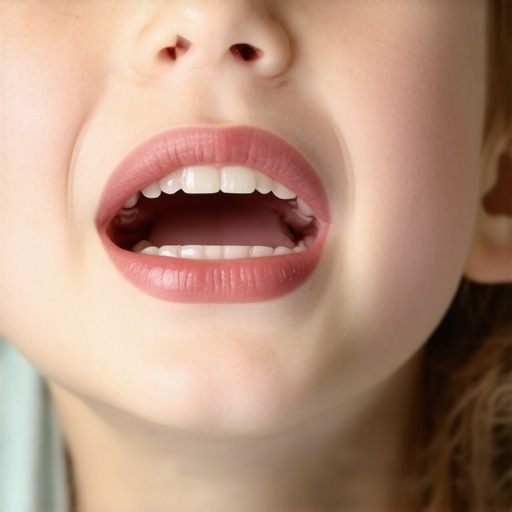
I vividly remember the moment I first noticed my child’s gums turning a fierce shade of red every time a new tooth was about to burst through. It was as if a tiny volcanic eruption was happening right in her mouth, and I felt completely helpless, unsure whether this redness was normal or a sign of something more serious. That night, I stayed awake, Googling frantically, fearing infections or worse. Once I realized how common this experience is among parents, I felt a little relief—yet I also knew I needed solid information and practical tips to ease her discomfort. Is this redness just a part of teething, or is my child in pain that needs immediate attention? Well, I promise we’ll unpack everything, so you’re not left in the dark like I was.
Understanding Why Gums Turn Red During Teething
When your little one’s gums turn red and swollen, it’s often a sign that a new tooth is preparing to make its grand entrance. During this process, the eruption causes inflammation—a natural immune response that results in redness, tenderness, and sometimes even minor bleeding. This inflammation is actually your body’s way of accommodating the new tooth, creating space and protecting against infection. However, the level of redness can vary quite a bit, and for some children, it might seem more intense and uncomfortable. Early on, I assumed this redness was just a cosmetic issue, but I quickly learned it can signal significant discomfort for your child, leading to fussiness, drooling, and difficulty eating. Recognizing this helps us better support our kids through this challenging phase.
But why exactly does this happen, and what can you do to help? Well, understanding the mechanics of eruption can shed light on this common, yet often misunderstood, phenomenon. I found that gentle interventions, combined with patience, can work wonders in soothing your child’s gums and making this teething stage more manageable. For instance, providing a cool, damp washcloth or teething toys can help ease inflammation. Looking for more detailed strategies? Check out this essential guide to oral health tips for babies and toddlers.
Have you faced this red gums dilemma with your child? You’re not alone, and help is on the way.
In my early days as a concerned parent, I made a critical mistake—I assumed teething was always straightforward and didn’t need much attention. That led to unnecessary worry and delayed some effective remedies. Trust me, dashing to the doctor at the first sign of redness isn’t always necessary, but knowing what’s normal versus what’s urgent can save you a lot of sleepless nights. As we proceed, I’ll share proven techniques and insider advice, so you can navigate your child’s teething journey with confidence and keep their smile healthy and comfortable. Ready to learn how to ease that painful redness? Let’s get started!
Soothe with Cold Safety
Start by giving your child a cold teething ring or damp washcloth. The cold numbs the inflamed gums and reduces redness. When I first tried this during my child’s teething, I supervised to ensure she didn’t choke on the frozen toy, but the relief was immediate. Holding a damp cloth in the fridge for a few minutes before offering it can provide a gentle, cooling effect that calms the inflammation.
Use Gentle Gum Massage Techniques
Applying light pressure with clean fingers along the gum line can help alleviate soreness. Be sure to wash your hands thoroughly. I gently massaged her gums with a finger wrapped in a soft cloth, and within minutes, she appeared more comfortable. This tactile approach stimulates blood flow and can decrease swelling, making teething less painful.
Implement Targeted Comfort Measures
Over-the-counter options like infant acetaminophen can be used cautiously, but always consult your pediatrician first. A more natural method involves massaging or rubbing the gums—just like a parent might soothe a restless baby by rocking or singing. This sensory comfort often distracts from discomfort and reduces fussiness. Keep in mind, use medications sparingly and adhere to dosing instructions.
Offer Appropriate Teething Aids
Teething toys designed for infants can be a game-changer. Look for ones that are made of safe, non-toxic materials and are easy for your child to hold. During my experience, I preferred silicone teething rings that could be cooled in the fridge. They provided immediate relief and distracted her from gum discomfort. Remember, avoid products with removable parts that could pose choking hazards.
Maintain Oral Hygiene and Monitor Progress
Gently wipe your child’s gums daily with a soft, damp cloth—this prevents bacteria buildup and helps you spot excessive redness or swelling. Be vigilant; if gums become overly swollen or develop pus, consult your family dentist promptly. Regular checkups can provide personalized advice and prevent complications as your child’s teeth erupt.
Understanding When Red Gums Signal More
If redness persists beyond a few days, or if your child shows signs of fever, diarrhea, or refuses to eat, seek immediate dental or medical care. These symptoms may indicate an infection requiring professional intervention. Recognizing these cues as early as possible is crucial to prevent further discomfort and health issues.
 Many assume that all dental treatments are straightforward and universally effective, but the reality is far more nuanced. For example, a common myth about Invisalign is that it suits everyone equally. In truth, its effectiveness depends heavily on individual cases, dental anatomy, and patient compliance. Overestimating its suitability can lead to unmet expectations and prolong treatment times, which many overlook in the enthusiasm to straighten teeth discreetly. Similarly, many believe crowns are a catch-all fix; however, not all crowns are equal, and choosing the wrong type or material can compromise durability and aesthetics. For deeper insights, check out this guide on crowns and their long-term benefits.
One of the most prevalent misconceptions about family dentistry is the idea that regular cleanings alone guarantee oral health. While professional cleanings are essential, neglecting at-home care or dismissing early signs of decay and gum disease can be costly. The myth that cavities are only a problem for children also persists; adults are equally vulnerable, especially without proper preventive measures. This is where understanding the importance of personalized oral health plans becomes crucial. According to the American Dental Association, tailored preventive strategies significantly reduce the risk of complex issues like periodontal disease.
Advanced nuances often escape many practitioners and patients alike. For instance, many people overlook that crowns aren’t just cosmetic; they restore function and prevent further damage if selected appropriately. Yet, choosing an unsuitable crown material, such as porcelain for heavy grinders, can lead to premature failure. Moreover, misjudging the necessity of crowns versus other restorations is a common mistake—sometimes a filling or veneer might suffice, preserving more tooth structure.
An important hidden nuance is the impact of emerging trends in family dentistry that focus on minimal invasiveness and patient comfort. For example, newer techniques in Invisalign technology have reduced treatment times and discomfort, but only when integrated with precise diagnostic tools. Falling behind these innovations can leave patients with outdated, less effective treatments.
Be cautious of superficial solutions. Many consider whitening or bleaching as a cure-all for aesthetic flaws, ignoring that underlying issues like enamel erosion or decay must be addressed first. For instance, whitening agents can exacerbate sensitivity or highlight existing problems if not used properly. If you’re curious about how to preserve your smile’s health while improving its appearance, explore this article about crowns and aesthetics.
Finally, don’t let misconceptions guide your decisions. For example, assuming that dental implants are the only durable solution overlooks advancements in bio-ceramic crowns and other restorative options that can match or surpass implants in certain scenarios. Assessing risks and benefits requires a nuanced understanding—something the average patient or even some providers may lack.
Have you ever fallen into this trap? Let me know in the comments and share your experiences with common dental myths. Remember, staying informed and questioning default assumptions can lead to better oral health outcomes for you and your loved ones.
Maintaining the longevity and effectiveness of your dental treatments and tools is essential for enduring oral health. I personally rely on a combination of high-quality equipment and disciplined routines, ensuring that procedures like Invisalign and crowns perform optimally over time. Investing in reliable tools not only saves money in the long run but also minimizes discomfort and complications down the line.
How do I keep my dental treatments working effectively year after year?
Firstly, regular professional checkups are non-negotiable. During these visits, your dentist evaluates the condition of your crowns, Invisalign trays, and overall oral health, catching issues before they become serious. I recommend scheduling visits every six months, or sooner if you notice irregularities such as new sensitivity or discomfort.
Secondly, proper cleaning tools make a significant difference. I swear by an electric toothbrush with a sonic pulse, which I find more effective at removing plaque than manual brushes. The oral hygiene routine I follow includes a water flosser, which reduces gum bleeding and debris around crowns and braces. To ensure these tools last, I regularly replace brush heads—and I advise doing so every three months to prevent bacterial build-up.
What software or tech can help me track my oral health progress?
Digital apps dedicated to dental maintenance are gaining popularity. For example, some smartphone applications sync with your dental devices to remind you of cleaning schedules and next appointments. These can be particularly useful when managing orthodontic appliances like Invisalign, enabling you to monitor wear time and avoid common pitfalls like tray misfit or staining.
Looking ahead, I believe the trend is moving toward smart dental devices that communicate directly with your provider, giving real-time data on your oral health. Companies are developing bio-sensing technology embedded in trays and crowns that can detect early signs of decay or infection, as discussed in the latest saliva-test innovations.
Best practices to maintain your crowns and Invisalign over time
For crowns, the key is avoiding excessive force—be mindful of chewing on ice or hard candies. Regular checkups ensure your crown’s seal remains intact. When it comes to Invisalign, wearing your trays as prescribed—usually 20-22 hours daily—is crucial for continued progress. Cleaning trays with a gentle toothbrush and avoiding harsh chemicals extend their lifespan and prevent staining.
If you notice a crown feeling loose or discomfort in your aligners, don’t wait. Reach out to your dental professional promptly—addressing small problems early can save you from costly repairs later. For personalized advice on crowns and Invisalign maintenance, consider consulting an expert through resources like this guide.
Take action now—test-drive an advanced cleaning routine
Start incorporating a water flosser into your daily routine to see immediate improvements in gum health. It’s a small step that can significantly extend the lifespan of your dental work and improve your overall oral health. Trust me, once you see the difference, you won’t want to go back. For more insights into longevity strategies, explore latest family dentistry trends and keep your smile healthy for years to come.
Lessons That Shocked Me About Family Dentistry and Teething
- The biggest mistake I made was underestimating how much discomfort teething could cause; understanding its complexity helped me offer better support.
- Realizing that my child’s redness was a natural sign of eruption, not a warning sign, saved us unnecessary worry and trips to the doctor.
- Early intervention with simple remedies like cool teething toys transformed our teething experience from painful to manageable.
- Committing to regular oral hygiene and professional checkups prevented minor issues from escalating into serious dental problems.
- My perspective shifted when I learned that many families overlook the importance of personalized oral health plans tailored to their child’s needs.
Tools and Resources That Elevated My Dental Journey
- FamilyDentistPro’s oral health tips guide became my go-to for practical advice on caring for developing teeth.
- Swapping out my old toothbrush for a sonic electric one, recommended by experts, visibly improved plaque removal and gum health.
- Digital apps that track dental appointments and daily routines keep my family accountable and motivated toward healthy habits.
- Consulting trusted professionals using advice from seasoned experts ensures my child’s crowns and orthodontic devices remain effective long-term.
Embrace Your Smile Transformation—Start Today
Remember, every smile is unique, and the knowledge you gather today is the foundation for a lifetime of healthy, confident grins. Whether you’re navigating teething challenges or maintaining crowns and Invisalign, taking proactive steps empowers you to make confident decisions. Your journey toward an enduring, beautiful smile begins now; don’t wait for problems to surface—act today and enjoy the confidence that comes with it.