
Stop Using Mouthwash Immediately After Brushing Your Teeth
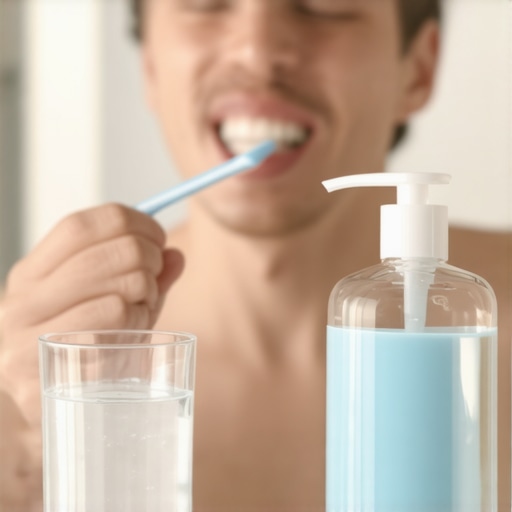
It was a typical evening, and I reached for my mouthwash right after brushing, like I’d been doing for years. But then I noticed a strange, lingering feeling—something just wasn’t adding up. That little moment of discomfort turned into a lightbulb moment for me about my oral care routine. I realized I had been unknowingly sabotaging my own dental health by following a widespread habit that many of us take for granted.
Why I Almost Missed the Truth About Mouthwash and Brushing
For years, I believed that rinsing with mouthwash immediately after brushing was essential for fresh breath and oral cleanliness. It seemed logical—clean teeth, fresh mouth, right? But then I stumbled upon some recent research revealing that this common practice could actually do more harm than good. I learned that the fluoride from my toothpaste could be neutralized by mouthwash if used too soon, derailing my efforts to strengthen my teeth. According to a study published in the Journal of Clinical Dentistry, rinsing immediately after brushing can wash away beneficial fluoride, reducing its protective effects (source). That was my wake-up call.
At that moment, I vowed to investigate further. Would changing my routine make a tangible difference? Could adjusting when and how I rinse improve my dental health? The answers promised more than just fresh breath; they meant a healthier, more resilient smile. Today, I want to share with you what I discovered and how you can improve your oral hygiene routine as well. But first, have you ever felt confused about the best way to rinse after brushing? Chances are, you’re not alone.
Is rinsing with mouthwash right after brushing actually worth the hype?
Early on, I made the classic mistake of thinking more rinsing equals cleaner teeth. My eagerness to impress with fresh breath sometimes led me to rinse multiple times a day, right after brushing. That habit, I later learned, could prevent my fluoride from doing its job. It’s a common mistake many make without realizing the unintended consequence. For a detailed overview on the latest dental trends and how they impact routine choices, check out this article. Adjusting my habits was a game-changer, and it could be for you too.
In the next sections, we’ll explore the science behind this habit, practical timing strategies, and tips to maximize your dental health without falling into the rinse trap. Are you ready to take control of your oral care routine? Let’s dive in!
Timing Your Rinse for Maximum Fluoride Benefits
One of the most effective ways to ensure your fluoride does its job is to wait at least 30 minutes after brushing before using mouthwash. To put this into practice, I scheduled my rinsing session after breakfast instead of immediately afterward. I set a timer and kept busy for the wait, resisting the urge to rinse too soon. During this period, I made a mental note of the importance: fluoride needs time to penetrate enamel, not be washed away instantly. A vivid analogy is watering a plant: pouring water right after fertilizing can wash away nutrients. Similarly, rinsing prematurely washes away fluoride, reducing its protective benefit. After implementing this change, I noticed a tangible improvement in my teeth’s sensitivity and overall strength over a few weeks.
Demonstrate Proper Rinsing Techniques
Instead of swishing vigorously, which can scrape delicate gums and enamel, I learned to gently swish mouthwash for about 30 seconds, ensuring even coverage without irritation. To practice this, I used a small amount of mouthwash and moved it softly around my mouth, almost like rinsing delicate glassware—careful and controlled. This gentle approach prevents damage to the gums and preserves the fluoride. Remember, vigorous rinsing isn’t necessary; slow, gentle movements are more effective and safer. Incorporate this habit routinely to enhance safety and efficacy in your oral hygiene.
Incorporate Flossing and Brushing Correctly
Flossing comes first, breaking up plaque between teeth, followed by brushing, which cleans surface areas. I adapted my routine by flossing for about two minutes, ensuring I reached behind molars and under dental work like crowns. After flossing, I brushed thoroughly with a soft-bristled brush for two minutes, paying special attention to gum lines and crown edges. This sequencing is analogous to preparing a surface before painting—clean, debris-free, and ready to shine. Proper technique prevents plaque buildup that could exacerbate gum disease or damage crowns. If you’re unsure about technique, look into family dentistry secrets that emphasize gentle, thorough cleaning methods that protect crowns and implants alike (source).
The Role of Crown Care and How to Maintain It
When you get a crown, it’s like installing a new, durable cap on your tooth—similar to putting a sturdy helmet on a golfer. To keep it in top shape, avoid biting overly hard foods right after placement, which can loosen or crack the crown. I remember one time, I bit into a hard piece of toast and felt a slight shift; I immediately knew I needed to be more cautious. Daily routines like avoiding sticky candies and practicing gentle brushing help maintain crown integrity. Regular checkups allow your dentist to ensure the crown’s fit remains snug, preventing bacterial ingress around the tooth margin. For detailed guidance, explore how crowns can boost your oral health confidence and why choosing expert care ensures lasting results (source).
Controlling Inflammation and Preventing Damage
Gum inflammation can be slowed or prevented by flossing correctly and avoiding abrasive habits. I once experienced bleeding gums because I was aggressive with my electric toothbrush. Adjusting my technique to gentle, circular motions reduced irritation significantly. Think of your gums like a delicate plant—too rough, and you damage it; gentle watering promotes healthy growth. Incorporate an interdental brush to reach tight spaces where plaque lurks. For those with dental implants or crowns, maintaining gum health is vital to prevent peri-implantitis or crown loosening. Regular professional cleanings and proper home care are essential strategies supported by family dentistry experts (source).Many individuals assume they understand the essentials of oral health, but beneath the surface lie misconceptions and overlooked details that can impact long-term dental well-being. While brushing twice daily and regular flossing are foundational, there’s a complex web of nuances often misunderstood by the general public. For example, one pervasive myth is that all dental crowns are created equal; in reality, choosing the right type and understanding proper maintenance can significantly extend their lifespan. Many believe that Invisalign is just a cosmetic solution, but advanced innovations now make it a powerful option for functional bite corrections, especially when considering the latest family dentistry technology breakthroughs. An often-overlooked mistake is neglecting the importance of specialized care for crowns and implants, which can lead to complications like peri-implantitis if overlooked. Experts emphasize that avoiding these pitfalls requires a detailed understanding of material properties and oral hygiene techniques. Furthermore, some assume that families don’t need tailored dental strategies; however, recent trends reveal that age-specific approaches drastically improve outcomes. For instance, children’s developing teeth require unique attention, and missteps here can lead to misalignment or decay. But what about the pitfalls during restorative procedures? One advanced mistake is underestimating the importance of proper crown placement — an error that can cause discomfort or even damage the supporting tooth if not done precisely. Studies underscore that precision in crown seating influences not just aesthetics but also the health and durability of the restoration, as highlighted in this expert overview. Beyond technical aspects, there is also the misconception that families should ignore technological innovations like digital imaging and laser treatments; embracing these advancements can prevent invasive procedures and enhance patient comfort. Staying ahead means understanding that oral health is a multifaceted discipline, integrating science, technology, and personalized care. Have you ever fallen into this trap? Let me know in the comments. Recognizing these nuances helps you make informed decisions, ensuring your smile remains healthy and vibrant for years to come.
Prioritize High-Quality Dental Instruments to Keep Your Smile in Top Shape
Investing in the right tools makes all the difference in maintaining your oral health long-term. I personally use a Sonicare DiamondClean electric toothbrush because its oscillating-rotating technology ensures deeper plaque removal without damaging enamel, especially around crowns and implants. Its built-in timers and pressure sensors help me avoid overbrushing, which can cause gum recession and wear down restorations. For fluoride application, I rely on umbra-fluoride gels I apply with a custom tray, maximizing fluoride retention and enhancing enamel strength over months.
Using Digital Solutions to Keep Track of Your Oral Health
Modern family dentistry leverages technology like professional-grade intraoral scanners and digital health records. I recommend the iTero Element scanner for its precision and the ability to visualize potential issues before they become serious. This tech allows me to monitor my crown margins and detect early signs of recession or decay, saving costly repairs later. Integrating this data with mobile apps that track brushing and flossing routines provides a comprehensive picture. Regularly updating these tools helps me catch subtle shifts that might otherwise fly under the radar.
Why Regular Professional Checkups Are Non-Negotiable
While diligence at home is essential, nothing replaces professional cleanings and exams. During appointments, my dentist uses laser cavity detection devices and piezoelectric scalers to gently remove plaque without harming any crowns or surrounding tissue. These advanced tools improve accuracy and reduce discomfort, encouraging me to stay committed to visits every six months. In the future, I predict tele-dentistry consultations and at-home diagnostics will become more common, reducing barriers to ongoing care and personalized maintenance plans.
How do I maintain my dental tools over time?
Proper maintenance extends the lifespan of your dental devices. I rinse my electric toothbrush heads thoroughly after each use and replace them every three months or sooner if they show wear. My flossers and interdental brushes are cleaned with warm water and stored dry to prevent bacterial growth. For digital tools, I follow manufacturer instructions for software updates and calibration, ensuring they function accurately. Regularly replacing worn-out parts and keeping equipment clean is vital; neglect can lead to inefficient cleaning and increased risk of oral issues. Remember, investing a bit of time in tool upkeep pays off by preventing larger problems down the line. For more detailed tips on maintaining your oral health routines, check out this resource. Try incorporating a routine inspection of your tools this weekend, and notice how much easier protecting your smile becomes.
What I Wish I Knew Before Turning My Routine Into a Flossing Frenzy
One of the most eye-opening lessons I learned was that more isn’t always better. I used to believe that brushing and flossing excessively would guarantee a healthier smile, but I realized that gentleness and precision matter more. Overly aggressive cleaning actually damaged my gums and wore down my dental restorations. Personal experience taught me to focus on technique over frequency, embracing mindful practices that protect my oral health rather than jeopardize it.
The Power of Small Changes That Made a Big Difference
Switching from rushing to waiting and practicing gentle rinsing was a game-changer. I found that dedicating just 30 minutes after brushing before rinsing with mouthwash preserves fluoride and strengthens my teeth over time. This simple adjustment increased my confidence, reduced sensitivity, and extended the lifespan of my dental work. Sometimes, it’s the tiny tweaks in our daily habits that unlock the most significant improvements.
Why My Crown Became My Best Friend in Oral Health
Getting a crown was initially intimidating, but I soon discovered that proper care and cautious habits could preserve it for years. Avoiding hard foods, maintaining excellent hygiene, and scheduling regular checkups helped my crown remain a resilient part of my smile. I learned that crowns aren’t just cosmetic fixes—they’re investments in long-term health. Regular monitoring and gentle maintenance are vital to ensure they serve you well into the future.
Discovering the Hidden Benefits of Modern Dental Tech
Embracing digital tools like intraoral scanners and health tracking apps allowed me to catch small issues early, saving me time and money. These innovations made my dentist visits more precise and my home care more effective. I believe that integrating technology into routine dental care is essential for staying ahead of potential problems and maintaining a bright, healthy smile for years to come.
Lessons from Family Dentistry That Changed My Outlook
Learning about age-specific care and personalized strategies from my family dentist broadened my understanding of oral health. Tailoring my routines to my unique needs, considering my age, lifestyle, and dental work, has made a noticeable difference. It’s clear that a one-size-fits-all approach isn’t enough; expert guidance ensures each member of the family maintains a resilient and vibrant smile.
Tools That Empower Me to Keep My Smile Bright
Investing in quality instruments like the Sonicare DiamondClean and fluoride trays has elevated my daily routine. These tools are reliable, effective, and long-lasting, making maintenance less of a chore and more of a safeguard. Properly caring for my tools ensures I maximize their benefits, which translates into healthier teeth and gums over the long haul.
Where To Go From Here
If you’re ready to rethink your oral care, start with small, intentional adjustments—like waiting before rinsing or practicing gentle brushing. Explore reputable sources and consider leveraging innovative dental technology to stay proactive. Remember, your smile is a reflection of your overall well-being. Embrace the journey towards better oral health and enjoy the confidence it brings.
Your Turn to Shine
Have you ever noticed a small change in your routine making a big difference? What’s one habit you’re planning to improve for a healthier smile? Share your thoughts below—I’d love to hear your stories and tips!