
The Click Test: How to tell if your implant crown is properly seated
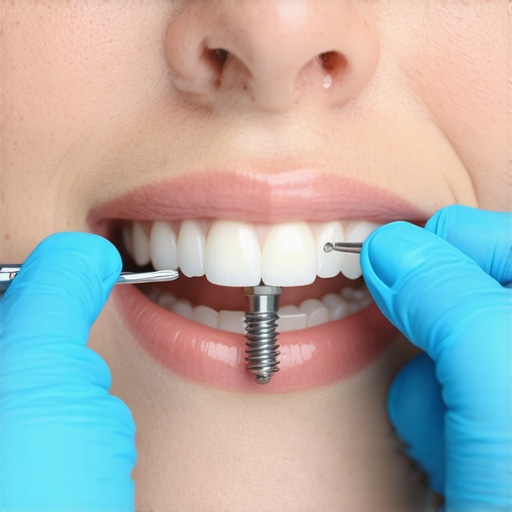
Have you ever felt that uneasy sensation after getting a dental crown installed? Maybe a slight clicking, or that weird space when you tap your tongue around the tooth. I remember one particular instance when I chewed on a piece of hard popcorn and suddenly sensed a strange wobble in my implant crown. That moment was a lightbulb for me—I realized just how crucial it is to know if your crown sits perfectly. It’s more than just comfort; an improperly seated crown can lead to infections, decay, or even the need for costly replacements. As I dived deeper into the subject, I learned that understanding how to tell if your crown is properly seated is something everyone should know, especially those with dental implants or crowns.
Why Knowing If Your Crown Is Properly Seated Matters More Than You Think
When you have a crown, whether it’s a porcelain veneer or a full implant, its role is to restore function and protect your natural tooth. But what happens if it’s not seated right? Mis-seating can cause food traps, bacterial buildup, and even damage to the underlying structure. The good news? There are simple, real-world tests and signs you can look for—no fancy gadgets required. Early detection can save you from painful or costly procedures down the line. I personally found that a few quick checks with my tongue and a gentle tap helped me identify issues before they became serious. Want to learn how to confidently assess your crown’s fit? Stick with me, and I’ll walk you through the essentials.
Does It Really Make a Difference If I Check Myself, or Should I Just See the Dentist?
Early in my dental journey, I made the mistake of dismissing minor discomforts, thinking they’d go away on their own. But that’s a mistake many people make! A loose crown might seem harmless at first, but it can invite bacteria and cause further complications. The key is knowing the difference between normal sensitivity and something that warrants a trip to your dentist. The tests I’ll share are straightforward, safe, and effective—empowering you to catch problems early. And, of course, regular dental check-ups are essential—they provide professional peace of mind and expert intervention when necessary. If you’re unsure, or if you’ve already experienced crown issues, it might be time to contact your dental professional. Curious about how modern techniques are improving crown longevity? You can read about the latest trends in [family dentistry](https://familydentistpro.com/family-dentistry-trends-improving-oral-health-for-all-ages). Now, let’s get into the practical signs that tell you whether your crown is seated correctly.
Assessing Your Crown: Step-by-Step Guide
Start by visual inspection in a well-lit mirror. Look for gaps or uneven edges around your crown; a properly seated crown should sit flush with your surrounding gum tissue. Use a clean finger or orthodontic pick to gently feel the margin. If you feel a gap or debris lodged, it might indicate an improper fit. I once noticed a slight roughness with my fingertip and an uneven edge, which prompted me to schedule a professional check-up.
Test with Tongue and Chewing
Gently run your tongue along the edge of the crown. If you notice a sharp or rough spot, it could be misaligned. Chew slowly on a soft food to see if there’s any looseness or discomfort. I remember gently pressing my tongue against the crown after breakfast and feeling a slight wobble—an early sign I had to see my dentist. Remember, do not use excessive force; these are simple tests to detect potential issues.
Check for Sensitivity and Discomfort
Pay attention to any unusual cold or hot sensitivity or dull pain when biting. These signs may hint at e*lectrolytic issues or improper seating causing nerve irritation or microleakage. In my case, a mild sensitivity after a cup of cold water led me to investigate further, prompting a quick call to my dental clinic. Regularly monitoring these signs can prevent more severe problems down the line.
When and How to Seek Professional Advice
If your self-assessment raises concerns like persistent discomfort, visible gaps, or looseness, schedule a dental appointment promptly. A professional can perform precise measurements, radiographs, and fit assessments. Think of it like getting your vehicle inspected for a loose part—better to be safe. The [best approach](https://familydentistpro.com/choosing-the-right-crown-expert-advice-for-long-lasting-results) is early intervention, which can save you from complex and costly repairs later. Remember, routine check-ups are your best safety net—don’t wait until discomfort becomes severe.
Using Visual and Tactile Clues Effectively
Combine visual inspection with tactile feedback for a comprehensive assessment. For instance, I used a clean dental mirror to examine the crown from different angles, while gently probing around the margin with a sterile tool. This approach helped me identify minor imperfections early. If you notice gaps, rough edges, or if chewing feels off, contact your dentist. Regular self-checks can reduce the risk of bacteria buildup and subsequent infections, keeping your smile healthy and confident. For more insights into crown maintenance, check out the [ultimate guide to crowns](https://familydentistpro.com/the-ultimate-guide-to-crowns-for-a-healthier-smile).
Many people operate under misconceptions about family dentistry, believing, for instance, that regular brushing alone suffices for all oral health needs. In reality, the nuances are much deeper, and overlooking them can lead to avoidable complications. For example, a common myth is that dental crowns are permanent solutions that require no special care—when, in fact, the longevity of crowns heavily depends on meticulous maintenance and understanding their subtleties. Advanced mistakes often caught by professionals include misjudging the importance of occlusion (bite alignment), which, if ignored, can cause premature wear of restorations and surrounding teeth. Recognizing these details can significantly improve the long-term success of treatments like crowns and Invisalign.
Why Do Many Still Believe Invisalign Is Only for Crooked Teeth?
Despite the surge in popularity, a prevalent misconception is that Invisalign is exclusively for mild misalignments. Actually, expert studies reveal that Invisalign’s advanced aligner technology now accommodates complex cases, including significant bite issues and even certain types of crowding. Falling into the trap of underestimating Invisalign’s capabilities can lead to suboptimal results or choosing less suitable options like traditional braces. Moreover, some overlook that Invisalign requires strict compliance with wear schedules, and neglecting this nuance can result in prolonged treatment or failure to achieve desired outcomes.
Another hidden pitfall involves the assumption that crowns are purely cosmetic. While they do transform smiles aesthetically, their restorative benefits are critical—protecting compromised teeth from further decay, restoring function, and preventing tooth loss. Failing to recognize these intricacies might lead individuals to delay necessary treatments, risking even more invasive procedures later.
One critical mistake I’ve seen often is the belief that oral health is only about immediate cleanliness. Yet, scientific evidence underscores the importance of managing subclinical issues like micro-bacterial imbalance, which can accelerate periodontal disease if left unchecked—even in the absence of pain or visible problems. Visiting a family dental professional regularly for comprehensive assessments ensures these hidden issues don’t escalate.
Understanding and Avoiding the Myths that Could Cost You
For those seeking advanced insights, it’s essential to recognize that modern techniques—like digital impressions and laser treatments—are revolutionizing how we approach family dentistry. A professional who stays updated ensures your treatments are efficient, minimally invasive, and durable. Real pitfalls include dismissing the importance of bite analysis or neglecting occlusal therapy, which can cause premature crown failure or TMJ issues. Being proactive about these nuances means not only preserving your smile but also avoiding complex, costly revamp procedures.
Remember, excellent oral health goes beyond brushing; it’s about understanding the hidden complexities and embracing a holistic approach. Have you ever fallen into this trap? Let me know in the comments, and share your experiences or questions regarding family dentistry nuances.
Keep Your Dental Devices in Top Shape with the Right Tools
Maintaining optimal oral health isn’t just about daily brushing and flossing; it also involves properly caring for your dental appliances like crowns, Invisalign aligners, and implants. I personally rely on high-quality ultrasonic cleaners, such as the Ultrasonic SonicClean PRO, which gently remove plaque and debris from aligners and retainers, extending their lifespan. For crown maintenance, I use dental exploration mirrors and calibrated periodontal probes to detect early signs of wear or looseness, allowing me to address issues before they escalate. These tools offer precision and ease, making routine checks simple yet effective.
Embracing Technology for Long-Term Results
In recent years, digital tools have revolutionized how we care for our smiles. For example, intraoral scans from devices like the iTero Element provide detailed 3D images of your mouth, enabling precise monitoring of crowns and implants over time. I’ve found that comparing digital impressions during regular check-ups helps detect subtle shifts or gaps that might go unnoticed otherwise. Future trends point toward AI-driven diagnostics, which will soon allow dentists to predict potential complications based on these scans — a game-changer for proactive care. Investing in such technology literally keeps your oral health in check and guards against future problems.
How do I maintain my restorations over time?
Consistent maintenance involves scheduled professional cleanings coupled with at-home routines tailored to your specific restorations. Use interdental brushes like the RubberTouch Dental Interdental Cleaners to access hard-to-reach areas around crowns or bridges, reducing plaque buildup. Regularly inspecting your appliances with a magnifying mirror can also reveal early signs of microfractures or debris accumulation. Remember, early detection is key, and incorporating these simple but effective tools into your routine saves you time, money, and preserves your confident smile. For comprehensive advice, refer to the detailed [family dentistry trends](https://familydentistpro.com/family-dentistry-trends-improving-oral-health-for-all-ages).
Software and Apps That Make Maintenance Easier
Modern technology extends beyond physical tools. I recommend using dental health apps like DentalMonitoring, which allows you to track your progress with high-resolution photos sent directly to your dentist. It’s an excellent way to stay vigilant between visits. Meanwhile, cloud-based dental record systems help practitioners monitor your case history, ensuring personalized and consistent care. As these technologies evolve, I predict a future where AI will provide real-time alerts when your oral health shows signs of deterioration, prompting timely interventions. Embracing such innovations ensures your dental health is always on point.
Don’t forget regular check-ins at your family dentist! They can utilize advanced scanning and analysis tools to help you stay ahead of potential issues. Ready to upgrade your maintenance game? Try integrating an ultrasonic cleaner and a tracking app into your routine today and experience the difference it makes in preserving your smile’s longevity.
Over the years, I’ve discovered that the journey to a healthy, confident smile involves more than just visiting the dentist—it’s about understanding the subtle cues your mouth gives you and taking proactive steps. One of the most eye-opening lessons I learned is how small, overlooked details can make a huge difference in the longevity of dental restorations like crowns and Invisalign aligners. Recognizing these signs early on empowered me to maintain my oral health effectively, saving me from costly repairs and discomfort. Trust me, once you tune into these insider tips, you’ll navigate your dental journey with confidence and ease.
What I Didn’t Expect About Crown and Invisalign Maintenance
- Patience is key: I used to think regular brushing was enough, but I realized that incorporating specific tools like ultrasonic cleaners significantly extended the life of my Invisalign trays and crowns.
- Technology can be your ally: Digital scans and apps now allow me to monitor my dental health from home, catching minor issues before they become major problems.
- Every detail matters: Small signs like a slight shift in a crown’s position or new sensitivity can indicate early trouble. Addressing these immediately made a real difference for me.
Tools and Resources I Trust for Dental Success
- High-quality crowns and veneers guides: I rely on reputable sources for the latest techniques and tips on restorative care.
- Expert advice on Invisalign innovations: Staying informed about new aligner technologies helps me maximize treatment results.
- Modern dental tech reviews: These keep me updated on tools that improve daily maintenance and early detection of issues.
Take Action Now for a Smile That Lasts
Your smile is a reflection of your overall well-being—investing in its longevity pays off in confidence and health. By paying close attention to the signs I highlighted and leveraging the right tools, you can prevent problems before they escalate. Remember, regular visits to your family dentist and staying informed about the latest in family dentistry ensure that your oral health remains optimal. Your journey to a brighter, healthier smile starts today—so why wait?
Have you ever noticed a subtle change in your crown or Invisalign trays that alarmed you? Share your experiences or questions below; I’d love to hear your story and help you keep your smile shining bright.