
Why your mouth feels dry even when you drink plenty of water
I woke up at 3 AM with my tongue practically glued to the roof of my mouth, a sensation so thick and sticky it felt like I’d spent the night breathing in a sandstorm. I had finished a full eight-ounce glass of water right before bed, yet there I was, desperate for another. It’s a frustrating, almost panicky feeling when you’re doing everything “right” by the hydration handbooks but your mouth refuses to get the memo. I spent years thinking I just needed more electrolytes or a bigger water bottle, only to realize that I was completely ignoring how my body actually produces moisture. [IMAGE_PLACEHOLDER]
Your Body Might Be Fighting a Battle Water Can’t Win
For the longest time, I assumed dry mouth was just a lack of H2O. I was wrong. In fact, one of my biggest blunders was doubling down on a harsh, minty mouthwash every time my mouth felt sticky. I didn’t realize the truth about alcohol-based mouthwashes is that they often strip away what little moisture you have left. It’s like trying to put out a fire with gasoline. Today, we are going to peel back the layers of why “hydrated” and “moist” aren’t always the same thing. We’ll look at the sneaky reasons your saliva glands might be on strike and how modern family dentistry techniques can actually help you find relief that a water bottle can’t provide.
Is this just something I have to live with now?
It’s easy to get cynical and think this is just a permanent quirk of your biology or a sign of getting older. But here is the kicker: according to research published by the Mayo Clinic, over 600 medications—from blood pressure pills to antihistamines—list dry mouth as a primary side effect. If you are currently taking certain medications, you might be fighting an uphill battle against your own prescription. Have you ever felt like you’re constantly gulping down water but your tongue still feels like sandpaper? I’ve been there, and I promise, there’s a way out of the desert.I started by tossing my old alcohol-based mouthwash in the trash. It was a scorched earth policy that simply wasn’t working. Instead, I shifted toward a more holistic approach that didn’t just mask the dryness but actively addressed the internal environment of my mouth.
Turn Your Mouth Back Into a Self-Sustaining Ecosystem
If you want to stop the 3 AM desert-walk to the kitchen, you have to look at your routine through a different lens. For example, many people don’t realize that the impact of diet soda on your expensive dental restorations isn’t just about the acid; it’s about how these chemicals alter your saliva’s pH balance. When your saliva becomes too acidic, it loses its ability to lubricate your tissues effectively.
The 30-Second Salt Water Reset
One night, out of pure desperation, I tried a trick my grandmother swore by. I used the saltwater rinse hack for immediate gum relief, but I found it did something else too—it cleared the thick, sticky mucus that often accompanies chronic dryness. By clearing that film, my natural saliva could finally reach the tissues it was meant to protect. It felt like my gums could finally breathe again after weeks of feeling suffocated.
Look for Culprits in Your Dental Hardware
If you are using aligners, you might notice things getting a bit parched. I learned the hard way that the simple fix for a sharp invisalign edge cutting your tongue is crucial because any minor irritation in your mouth can cause you to hold your jaw differently, often leading to mouth breathing. Mouth breathing is the fastest way to evaporate every drop of moisture you have. I used to wake up with my Invisalign trays feeling like they were glued to my teeth. I realized that by not keeping them perfectly clean, they were trapping bacteria that made the dryness even worse. If you aren’t careful, you might even start wondering why your invisalign trays are staining your actual teeth yellow, which is often a side effect of poor saliva flow and trapped residues. #IMAGE_PLACE_HOLDER_B#
Work With a Professional to Find the Root Cause
Sometimes, the hacks aren’t enough because the issue is structural. Misaligned teeth or old, failing crowns can trap food and bacteria, leading to chronic inflammation that hampers your glands. Utilizing family dentistry secrets for maintaining oral health can help identify if your dry mouth is actually a symptom of a larger dental problem. I spent months trying every over-the-counter spray imaginable until my dentist pointed out that a slightly ill-fitting crown was causing me to bite my cheek in my sleep, leading to localized dryness and swelling. Once we addressed the fit, my mouth’s natural moisture balance returned almost overnight.
Combat the White Tongue Phenomenon
When your mouth is dry, bacteria thrive, often leading to that gross, pasty coating. You need to understand the reason your tongue stays white even if you brush it every day is usually tied directly to your saliva’s inability to wash away dead cells and debris. Incorporating a gentle tongue scraper and following top oral health tips for your family’s bright smiles can break that cycle. I personally found that scraping every morning before my first glass of water made the biggest difference in how my mouth felt for the rest of the day.Most people assume that clear aligners are just about vanity, a way to get that “Hollywood” look without the metal-mouth aesthetic. However, invisalign myths debunked reveal a much more functional truth: straight teeth are easier for your saliva to naturally irrigate. When your teeth are crowded, you create “stagnation zones” where saliva cannot reach, even if you’re drinking gallons of water. This leads to localized dry spots and surprisingly rapid decay in areas you can’t even see. Have you ever fallen into the trap of thinking alignment was just for looks? Let me know in the comments.
Why does my bite feel weirdly different after my mouth goes dry?
It’s not just in your head. Research from the *Journal of Oral Rehabilitation* suggests that changes in saliva viscosity—that thick, sticky feeling—can actually alter your “proprioception,” which is your brain’s ability to sense exactly how your teeth meet. This is why you might suddenly notice why your new zirconia crown feels taller than your other teeth during these dry spells. This “high spot” isn’t always a permanent manufacturing error; it can be a sign that your jaw muscles are tightening or that your tissues are slightly inflamed due to the lack of lubrication. 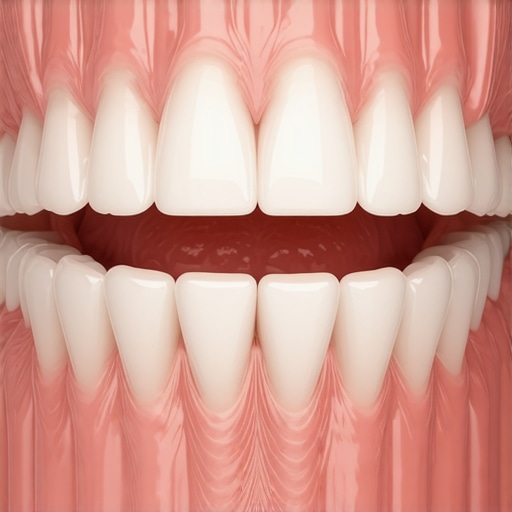
Don’t Fall Into the Set and Forget Trap
Another “oops” factor I see constantly is the “set it and forget it” mentality with restorative work. Many patients treat their dental work like it’s a bionic, indestructible part of their body. But the ultimate guide to crowns emphasizes that the margin where the crown meets your natural tooth is incredibly vulnerable, especially in a low-moisture environment. Without saliva to neutralize acids, that tiny seam becomes a highway for bacteria. It’s why invisalign innovations are now focusing heavily on how the final bite impacts the longevity of these restorations. If your bite is even slightly misaligned, your crowns will endure uneven pressure, causing them to fail much faster than they should. If you’ve ever wondered why your new filling feels high when you bite down on the left side, it might be the same mechanical imbalance that is stressing your salivary glands. It is a dangerous mistake to assume that a dry mouth is merely a side effect of aging or medication; it is often the catalyst for a total structural collapse of your expensive dental work. Understanding how invisalign transforms family dentistry means seeing it as a tool for creating a balanced, self-cleaning ecosystem. By addressing the architecture of your mouth through family dentistry trends, you aren’t just fixing a smile; you’re ensuring that every drop of saliva can do its job, keeping those 3 AM wake-up calls a thing of the past.
I used to think my hands and a basic brush were enough to get the job done, but once you invest in precision hardware like Invisalign or zirconia crowns, your old manual tools start feeling like relics of a past era. I shifted my entire mindset from ‘cleaning’ to ‘maintaining a system.’ One of the biggest game-changers for me was realizing that aligners don’t just sit on your teeth; they need to be actively engaged. If you are just popping them in and hoping for the best, you are missing out. I started using silicone ‘munchies’ specifically because they provide the uniform resistive force needed to seat the trays perfectly against the attachments. I found that when I didn’t do this, my progress stalled, and I ended up searching for how to seat stubborn invisalign trays using the munchie technique late at night. The difference in the ‘fit’ and the subsequent speed of my tooth movement was night and day.
Stop guessing if your aligners are actually working
Maintenance isn’t just about the teeth; it’s about the tools themselves. I learned the hard way that aligners can become a breeding ground for bacteria if you’re only using water. I eventually discovered the vinegar soak that safely sanitizes your retainers and guards, which saved me a fortune on those expensive effervescent tablets. It’s a simple, natural way to ensure you aren’t putting a bio-film back onto your teeth every morning. This is especially vital because why your invisalign trays are turning yellow even with regular cleaning usually comes down to microscopic porousness in the plastic that requires a deeper, pH-balanced soak to truly clear out.
How do I maintain these high-end results over the long haul?
Consistency is your only real protection against the ‘slow creep’ of dental decay around restorations. For my crowns, I had to change my flossing technique entirely. I used to snap the floss up and down, but that is the fastest way to loosen a margin. I learned the simple way to stop your crown from catching on your floss is to always pull the thread through the side. This protects the bond and ensures the secret to making your dental implants last for the rest of your life remains intact: zero mechanical trauma to the base. I also swear by my water flosser now. Don’t be alarmed if your gums throb after you use a water flosser for the first time; it’s actually a sign of increased blood flow to tissues that have been starved of oxygen by plaque buildup. It’s like a workout for your gums. 
Why the hardware in your mouth is about to get smarter
According to a report in the Journal of Prosthetic Dentistry, the future of long-term oral health lies in ‘smart’ restorations. We are moving toward a world where crowns and aligners will have embedded sensors to monitor pH levels and bacterial loads in real-time. Until then, we have to be our own sensors. By staying ahead of the curve with family dentistry trends and regular professional checkups, you can catch a micro-crack before it becomes a root canal. I recommend anyone with restorations specifically ask their dentist about choosing the right crown expert advice to ensure the materials used are compatible with your specific bite force. If you want to take your routine to the next level, I challenge you to try the side-pull flossing method for one week; you’ll be shocked at how much more secure your crowns boost oral health confidence when you aren’t constantly tugging at them.
The 3 AM Epiphany That Changed My Routine
Looking back, my biggest mistake was thinking that oral health was a static, manual task—something you do for two minutes and forget. I finally realized that my mouth is a complex engine requiring a specific environment to run. My first lightbulb moment was discovering the hidden benefits of invisalign; it turns out that properly aligned teeth allow saliva to irrigate every surface, preventing the dry pockets where bacteria hide. I also learned that choosing the right crown expert advice is more important than any over-the-counter spray. A poorly fitted restoration isn’t just uncomfortable—it disrupts your entire salivary flow. Finally, I stopped ignoring the ‘high spots’ in my bite, realizing they were often a symptom of dehydration-induced inflammation rather than a permanent mechanical flaw.
My Essential Toolkit for a High-Tech Smile
If you’re tired of the ‘sandpaper’ feeling, these are the resources I personally rely on to keep my oral health on track. I moved away from expensive chemical cleaners and started using the vinegar soak for retainers, which provides a natural, pH-balanced clean that commercial tablets can’t match. I also keep a close eye on family dentistry trends to see how new materials like zirconia are changing the game for sensitivity. I also recommend keeping a simple salt-water kit on hand for those days when your gums feel stressed; it’s the most effective ‘reset button’ for your mouth’s natural ecosystem.
Build an Oral Environment That Actually Works
You don’t have to accept a dry, sticky mouth as an inevitable part of life. By integrating modern tools with family dentistry secrets for maintaining oral health, you can move from constant thirst to total comfort. Your oral health is a system, and once the architecture—your crowns, your alignment, and your habits—is in balance, your body can finally take over the job of keeping you hydrated. Don’t be afraid to ask your dentist the tough questions about your bite and your moisture levels. Have you ever noticed your dry mouth getting worse after a specific dental procedure or new medication? I’d love to hear your story in the comments below.