
The reason your teeth hurt when you bend over
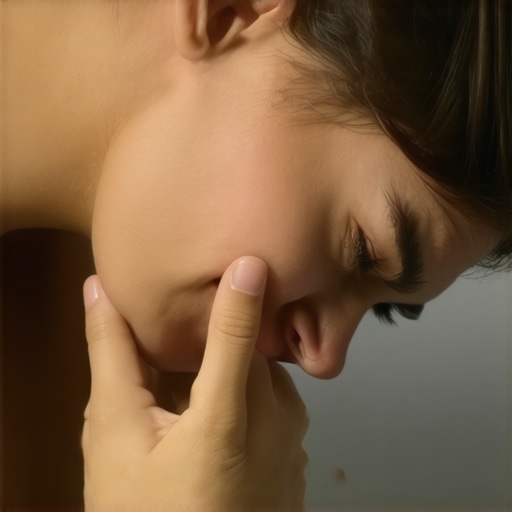
I remember bending over to pull a batch of chocolate chip cookies out of the oven last winter. Instead of being greeted by the sweet smell of melting butter, I was hit by a rhythmic, pounding sensation in my upper right molars. It felt like my teeth were suddenly three sizes too big for my jaw. As someone who obsesses over your family’s bright smiles, I immediately spiraled. I thought I needed an emergency root canal or a set of expensive crowns. I spent three days poking my gums and panicking before I realized the pain only showed up when my head dipped below my waist. My biggest mistake early on? I spent a fortune on numbing gels and specialized toothpastes, treating a dental problem that wasn’t actually a dental problem. I was completely ignoring how our facial anatomy interacts with gravity. Today, I want to show you exactly why this happens and how to tell if the culprit is your mouth or your nose.
Gravity Should Not Make Your Molars Scream
When you lean forward to tie your shoes or pick up a toddler, the blood flow to your head increases, but so does the pressure in your maxillary sinuses. These sinus cavities live right above your upper teeth—in fact, the roots of your teeth are often separated from your sinuses by nothing more than a paper-thin piece of bone. If those sinuses are inflamed or filled with fluid, bending over acts like a hydraulic press on your dental nerves. I’ve seen neighbors spend weeks worrying about a cavity when they really just needed a decongestant. However, if you have recently noticed grinding your teeth and those constant morning headaches, the cause might be a bit more complex than a simple head cold. Learning modern techniques for identifying the source of the pain can save you a lot of sleepless nights and unnecessary dental bills.
[image_placeholder]
Is this actually a dental emergency or just a cold?
It is perfectly normal to feel skeptical. You might be thinking, “My tooth is the thing that hurts, so why wouldn’t it be a tooth problem?” It’s a fair question. The reality is that referred pain is a master of disguise. According to research published in the Journal of Endodontics, maxillary sinusitis is one of the most common “masqueraders” of dental pain, often leading patients to request treatments for perfectly healthy teeth. If the pain is only in your upper teeth, and it’s on both sides, gravity is likely the messenger for a sinus issue. But if the throb is localized to one single tooth even when you’re standing still, you might be looking at a real dental infection. Have you ever felt that weird “gravity throb” while doing something as simple as reaching for the mail? I honestly thought I was losing my mind the first time it happened to me! Let’s dive into the specific signs that tell you which specialist you actually need to call.
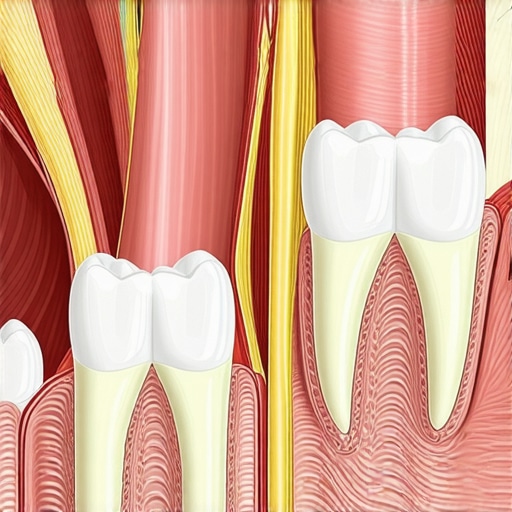
Think of your upper jaw like a room with a very thin ceiling. Just above that ceiling sits your maxillary sinus—a hollow space that can fill up like a water balloon when you have a cold or allergies. When you bend over, that ‘balloon’ shifts, pressing directly onto the tips of your tooth roots. To figure out if you are dealing with a simple drainage issue or a structural failure, you need to run a few ‘field tests’ before booking an appointment.
Run These Three Tests to Pinpoint the Pressure
The fastest way to differentiate between a sinus ghost and a dental reality is the ‘Jump Test.’ Stand on your tiptoes and drop abruptly onto your heels. If that sudden jar causes a dull, radiating throb across several upper teeth at once, gravity is likely sloshing sinus fluid against your nerves. A localized infection or a cavity usually stays ‘quiet’ during a heel drop but will scream the moment you introduce pressure from the opposite jaw. If you see a shadow in the mirror and aren’t sure of the cause, learning how to tell if a dark spot is a cavity or just a deep groove can help you decide how urgent your situation really is.
Does the Pain Jump from Tooth to Tooth?
Sinus-related pain is a ‘team player.’ It rarely attacks just one tooth. If you lean forward and feel a heavy pressure across your entire upper right side, your sinuses are the likely culprit. However, if the pain stays laser-focused on a single molar, you might be dealing with a structural issue. Last summer, I was halfway up a trail in the Rockies when every downward step sent a jolt through my back molar. I was convinced my restoration was failing and spent two hours obsessing over how to tell if your dental crown has a micro-crack you can’t see instead of enjoying the view. It turned out the high altitude and hay fever had pressurized my sinuses; the ‘crack’ disappeared once I took a decongestant. If you aren’t sure, try the sip test to determine if your tooth sensitivity is nerve-related by using cold water to see if the reaction is instant and sharp.
When Gravity Reveals a Mechanical Failure
Sometimes, bending over doesn’t cause the pain, but it makes you clench your jaw, which reveals a ‘high spot’ in your bite. This is common if you have recently had restorative work done. You might only notice why your crown feels like it has a high spot only when you grind or lean a certain way because your jaw alignment shifts slightly with your posture. This isn’t a sinus problem; it’s a mechanical one that requires a quick adjustment from your dentist to prevent the tooth from fracturing under the uneven load.
Listen for the Warning Signs of a Fracture
If the pain when bending over is accompanied by a sharp ‘ping’ when you release your bite, you may have a cracked tooth. It is vital to recognize the specific sound your tooth makes when it is actually cracked, as this is a true dental emergency that gravity simply highlights. While you wait for an evaluation, using the salt water rinse secret for healing swollen gums at home can help keep the area clean and reduce any secondary inflammation caused by the irritation of the nerve.
I remember bending over to pull a batch of chocolate chip cookies out of the oven last winter. Instead of being greeted by the sweet smell of melting butter, I was hit by a rhythmic, pounding sensation in my upper right molars. It felt like my teeth were suddenly three sizes too big for my jaw. As someone who obsesses over your family’s bright smiles, I immediately spiraled. I thought I needed an emergency root canal or a set of expensive crowns. I spent three days poking my gums and panicking before I realized the pain only showed up when my head dipped below my waist. My biggest mistake early on? I spent a fortune on numbing gels and specialized toothpastes, treating a dental problem that wasn’t actually a dental problem. I was completely ignoring how our facial anatomy interacts with gravity. Today, I want to show you exactly why this happens and how to tell if the culprit is your mouth or your nose.
Gravity Should Not Make Your Molars Scream
When you lean forward to tie your shoes or pick up a toddler, the blood flow to your head increases, but so does the pressure in your maxillary sinuses. These sinus cavities live right above your upper teeth—in fact, the roots of your teeth are often separated from your sinuses by nothing more than a paper-thin piece of bone. If those sinuses are inflamed or filled with fluid, bending over acts like a hydraulic press on your dental nerves. I’ve seen neighbors spend weeks worrying about a cavity when they really just needed a decongestant. However, if you have recently noticed grinding your teeth and those constant morning headaches, the cause might be a bit more complex than a simple head cold. Learning modern techniques for identifying the source of the pain can save you a lot of sleepless nights and unnecessary dental bills.
[image_placeholder]
Is this actually a dental emergency or just a cold?
It is perfectly normal to feel skeptical. You might be thinking, “My tooth is the thing that hurts, so why wouldn’t it be a tooth problem?” It’s a fair question. The reality is that referred pain is a master of disguise. According to research published in the Journal of Endodontics, maxillary sinusitis is one of the most common “masqueraders” of dental pain, often leading patients to request treatments for perfectly healthy teeth. If the pain is only in your upper teeth, and it’s on both sides, gravity is likely the messenger for a sinus issue. But if the throb is localized to one single tooth even when you’re standing still, you might be looking at a real dental infection. Have you ever felt that weird “gravity throb” while doing something as simple as reaching for the mail? I honestly thought I was losing my mind the first time it happened to me! Let’s dive into the specific signs that tell you which specialist you actually need to call.
Think of your upper jaw like a room with a very thin ceiling. Just above that ceiling sits your maxillary sinus—a hollow space that can fill up like a water balloon when you have a cold or allergies. When you bend over, that ‘balloon’ shifts, pressing directly onto the tips of your tooth roots. To figure out if you are dealing with a simple drainage issue or a structural failure, you need to run a few ‘field tests’ before booking an appointment.
Run These Three Tests to Pinpoint the Pressure
The fastest way to differentiate between a sinus ghost and a dental reality is the ‘Jump Test.’ Stand on your tiptoes and drop abruptly onto your heels. If that sudden jar causes a dull, radiating throb across several upper teeth at once, gravity is likely sloshing sinus fluid against your nerves. A localized infection or a cavity usually stays ‘quiet’ during a heel drop but will scream the moment you introduce pressure from the opposite jaw. If you see a shadow in the mirror and aren’t sure of the cause, learning how to tell if a dark spot is a cavity or just a deep groove can help you decide how urgent your situation really is.
Does the Pain Jump from Tooth to Tooth?
Sinus-related pain is a ‘team player.’ It rarely attacks just one tooth. If you lean forward and feel a heavy pressure across your entire upper right side, your sinuses are the likely culprit. However, if the pain stays laser-focused on a single molar, you might be dealing with a structural issue. Last summer, I was halfway up a trail in the Rockies when every downward step sent a jolt through my back molar. I was convinced my restoration was failing and spent two hours obsessing over how to tell if your dental crown has a micro-crack you can’t see instead of enjoying the view. It turned out the high altitude and hay fever had pressurized my sinuses; the ‘crack’ disappeared once I took a decongestant. If you aren’t sure, try the sip test to determine if your tooth sensitivity is nerve-related by using cold water to see if the reaction is instant and sharp.
When Gravity Reveals a Mechanical Failure
Sometimes, bending over doesn’t cause the pain, but it makes you clench your jaw, which reveals a ‘high spot’ in your bite. This is common if you have recently had restorative work done. You might only notice why your crown feels like it has a high spot only when you grind or lean a certain way because your jaw alignment shifts slightly with your posture. This isn’t a sinus problem; it’s a mechanical one that requires a quick adjustment from your dentist to prevent the tooth from fracturing under the uneven load.
Listen for the Warning Signs of a Fracture
If the pain when bending over is accompanied by a sharp ‘ping’ when you release your bite, you may have a cracked tooth. It is vital to recognize the specific sound your tooth makes when it is actually cracked, as this is a true dental emergency that gravity simply highlights. While you wait for an evaluation, using the salt water rinse secret for healing swollen gums at home can help keep the area clean and reduce any secondary inflammation caused by the irritation of the nerve. Most patients believe that once a crown is finally seated, the journey is over and the fit should be perfect immediately. But there is a nuance most people miss: the science of material density. If you have ever wondered why your new zirconia crown feels taller than your other teeth, it is rarely because the lab made a mistake. Zirconia is incredibly dense, and unlike your natural enamel which has a slight ‘give’ due to the periodontal ligament, a new restoration can feel unforgiving while your brain adjusts to the new contact points. The trap is asking your dentist to ‘shave it down’ too aggressively on the first day. I have seen countless neighbors insist on immediate adjustments only to find that once their jaw muscles relaxed a week later, they had a ‘low spot’ that caused a whole new set of chewing issues. Choosing the right crown requires a level of patience that many of us struggle to find when a bite feels slightly off. A study published in the International Journal of Dentistry highlights that ‘occlusal dysesthesia’—the persistent sensation that your bite is ‘wrong’—is frequently a result of the neurological system recalibrating to new dental geometry rather than a physical misalignment.
Why Does Your Invisalign Feel Loose One Day and Painfully Tight the Next?
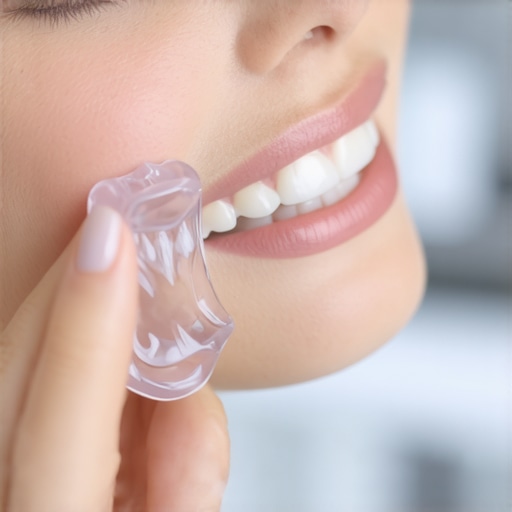
This is not a sign of a bad tray; it is actually a sign that the bone remodeling process is working. The teeth aren’t just moving through your gums like a knife through butter; the bone is actually breaking down and rebuilding around the root. It is common to experience a period where your teeth feel loose during the middle of invisalign treatment because the bone hasn’t fully solidified in the new position yet. However, the ‘Oops’ factor here is trying to save money with online DIY kits. It is vital to know how to tell if your invisalign trays are counterfeit from an online site, as improper force can cause the roots to shorten—a permanent mistake that no amount of gravity-testing can fix. The hidden benefits of invisalign for family dental care often include a more controlled approach to these biological shifts than traditional mail-order aligners can offer.
The Dangerous Trap of the Temporary Fix
In the world of family dentistry, we often prioritize convenience, but neglecting the nuances of early development is a major error. Many parents assume baby teeth don’t require the same precision as adult teeth because ‘they are just going to fall out.’ This is a massive misconception. If a child loses a tooth too early and the gap isn’t managed, the entire adult alignment can be ruined before the first permanent molar even arrives. Keeping up with family dentistry trends helps you understand that modern techniques are about prevention and long-term structural health. If you are ever unsure whether that throb in your jaw is a sinus issue, a ‘high’ crown, or a shifting bite, it is always better to get a professional evaluation. Contact us if you need to determine the source of your discomfort before it leads to a more expensive restorative journey. Have you ever fallen into this trap of ignoring a small dental change only to have it become a bigger problem? Let me know in the comments.
I’ve found that the real ‘secret sauce’ to making a restoration like a crown or a bridge last twenty years instead of five isn’t just the dentist’s skill—it’s your bathroom sink arsenal. Personally, I’ve stopped using string floss for my posterior teeth altogether. I switched to a high-pressure water flosser because it’s the only way to effectively flush out the bacterial ‘moat’ that forms around the base of a prosthetic. If you have a bridge, you know the struggle of threading that tiny plastic needle; instead, I recommend finding the easiest way to floss under a dental bridge without getting stuck using a specialized orthodontic tip. This isn’t just about comfort; a 2022 study in the Journal of Prosthetic Dentistry highlights that the marginal fit of CAD/CAM crowns, while excellent, requires meticulous home care to prevent secondary caries at the interface. This means the mechanical stimulation and cleaning of the surrounding tissue is non-negotiable for long-term success.
Why Your Water Flosser Is More Than Just a Gadget
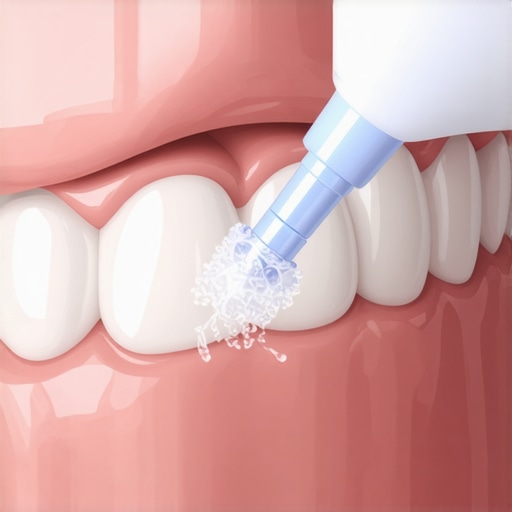
Many patients view the water flosser as an optional luxury, but once you have restorative work, it becomes a necessity. I personally use my water flosser on the medium setting to reach those deep pockets that a toothbrush simply cannot touch. For those with dental implants, the water flosser prevents ‘peri-implantitis,’ a common cause of implant failure. I’ve seen many friends neglect this only to find their expensive restorations failing years too early. It is about building a system that works for your specific anatomy, rather than following a generic routine.
Keep Your Aligner Trays Transparent Without the Gimmicks
When it comes to Invisalign, I see people making the same mistake I did: buying those expensive effervescent tablets every month. You don’t need them. I’ve discovered that the vinegar soak that safely sanitizes your retainers and guards works better at dissolving calcium deposits without the weird chemical aftertaste. Learning how to keep your invisalign trays clear without buying expensive cleaners will save you hundreds over the course of your treatment. I personally keep a small glass jar in my bathroom for a daily 10-minute soak while I’m eating breakfast; it keeps the trays invisible and fresh without any abrasive scrubbing that can scratch the plastic.
How do I make my dental work last for a lifetime?
Consistency is more important than intensity. You don’t need to brush harder; you need to brush smarter. I recommend using an electric toothbrush with a pressure sensor to ensure you aren’t wearing down your gums. Beyond that, keeping up with top oral health tips for your family’s bright smiles means scheduling professional cleanings every six months to check for those tiny micro-cracks that you can’t feel. A small adjustment today can prevent a full crown replacement tomorrow.
Digital Scans are Replacing the Dental Goop
In the next few years, I predict we will see the total extinction of the ‘goopy’ impression tray that makes everyone gag. Every modern office is transitioning to 3D intraoral scanning as the gold standard. We’re already seeing what a 3D CBCT scan reveals that standard x-rays miss entirely, particularly when diagnosing hidden infections under old crowns for a healthier smile. This level of precision means your restorations are built from high-resolution data, leading to a much better fit and fewer ‘high spots’ that cause pain when you bite down. If your dentist isn’t using digital scans yet, they soon will be. Try the 50/50 vinegar-water soak tonight on your night guard or aligner—you’ll see the mineral buildup disappear in ten minutes and realize you never needed those pricey tablets anyway.
What I Learned While Panicking Over My Molars
The biggest takeaway from my own dental scares is that your body is a master of disguise. Just because you feel a throb in your jaw doesn’t mean the tooth is the problem. Sometimes, it’s just the physical interaction between your sinus cavities and gravity. I’ve realized that why crowns are a game changer in restorative dentistry often depends on whether you are treating a structural crack or just chasing a ghost in your sinuses. My lightbulb moment came when I stopped trying to numb the pain and started testing my reflexes with the heel-drop jump test.
Another lesson I learned the hard way? Don’t rush into adjustments. If you’ve ever wondered why your smile looks uneven in photos and what you can do about it, you know how frustrating it is when things feel slightly ‘off.’ But for new dental work, your nervous system needs a few days to recalibrate to the new material. Insisting on a bite adjustment during a sinus flare-up is a recipe for a permanent misalignment later.
The Gear That Actually Saved My Smile
I don’t leave my oral hygiene to chance anymore. After years of trial and error, I’ve narrowed down my toolkit to a few essentials that make life significantly easier. First is the high-pressure water flosser; it is the only way to ensure the edges of a restoration stay clean and bacteria-free. Second, I’ve completely ditched the fancy aligner cleaning tablets for simple white vinegar soaks, which are far more effective at keeping trays crystal clear. Finally, I always advocate for 3D scans over standard films. Seeing how invisalign transforms family dentistry in 2025 through digital planning has shown me that precision is the best way to prevent the ‘gravity throb’ from turning into a real dental emergency.
A Healthier Smile is a Long Game
Navigating dental pain can be overwhelming, but you don’t have to guess. Once you understand the connection between your anatomy and the pressure of daily movement, the panic disappears. Whether you are currently wading through invisalign myths debunked or just trying to decide if you need a decongestant or a dentist, remember that consistent, smart maintenance is your best defense. Your oral health is worth the extra few minutes of care each day. Have you ever had a cold that made your teeth hurt when you bent over? Let me know in the comments below.