
How to stop the painful zing when you drink iced coffee

There I was, basking in the midday sun on my porch, ready to enjoy the first sip of an iced coffee that looked like a genuine work of art. I took a deep, enthusiastic gulp, and then—BAM. It felt like a live wire had been shoved directly into my jaw. I nearly dropped my glass. My eyes watered, and for a solid ten seconds, the world stopped spinning. If you have ever experienced that sharp, electric shock that makes you want to swear off cold drinks forever, believe me, I have been in those painful, twitching shoes. That ‘zing’ is more than just an annoyance; it’s a total mood-killer that makes you dread your favorite treats. I spent years thinking this was just my ‘normal,’ but I was completely wrong.
Stop Fearing the Ice in Your Glass
I’ll be honest with you: for a long time, I thought I was just cursed with ‘weak teeth’ and that I would be drinking lukewarm lattes for the rest of my life. I even went through a phase where I was obsessed with achieving a Hollywood smile, using everything from harsh whitening strips to charcoal toothpaste, not realizing I was essentially sandpapering my protective enamel layer away. I was making the classic mistake of prioritizing aesthetics over actual oral health secrets. Today, we are going to change that. I’m going to show you exactly how to quiet those hyperactive nerves so you can get back to enjoying your cold brew without the dental drama. We’ll look at the simple adjustments you can make at home and when it might be time to see a professional to check if your dental crown has a micro-crack you can’t even see with the naked eye. We’re going to move past the temporary fixes and get to the root of the problem.
Is This Just a Marketing Gimmick for Special Toothpaste?
It’s easy to be skeptical and think that sensitivity is just an inevitable part of aging or something that only ‘magic’ expensive pastes can fix. But the reality is far more scientific and, honestly, a bit fascinating. According to a surprising study published in the journal Science Advances, researchers found that a specific protein called TRPC5 actually acts as a cold sensor in our teeth, and when your enamel is compromised, these sensors go into a full-blown panic mode. Your teeth are literally ‘feeling’ the temperature like a sensory organ. This is why you might even notice sensitivity to cold air during the winter months. Before you decide to give up on ice cubes forever, try the sip test to determine if your issue is nerve-related or perhaps linked to something like gums receding from brushing too hard. Have you ever felt that sharp jolt and wondered if your tooth was actually breaking in half right there in the coffee shop? You are definitely not alone in that fear, and it’s time we put it to rest.
Build a Better Barrier Against the Cold
To stop the electric shock of sensitivity, you need to think of your teeth like a house with thinning insulation. When that insulation—your enamel—wears down, the ‘pipes’ (microscopic tubules) leading to your nerves are exposed to every temperature change. Your first move is to swap your standard paste for one containing potassium nitrate or stannous fluoride. This isn’t just about cleaning; it’s about plugging those tiny holes. It usually takes about two weeks of consistent use to build up a protective shield, so don’t give up after the first brush. If you’re also worried about aesthetics, make sure you are looking into the safest way to whiten sensitive teeth at home without pain so you don’t undo all your progress with harsh chemicals.
Stop Scrubbing Your Teeth Like They Are Hubcaps
I used to be a ‘heavy-handed’ brusher. I genuinely believed that if I didn’t feel the bristles digging in, I wasn’t actually getting my teeth clean. It was a total disaster. Within six months, I had managed to push my gum line back several millimeters, exposing the sensitive roots. My dentist told me I was treating my mouth like I was cleaning rust off a car bumper. You need to use a soft-bristled brush and hold it with just your fingertips—not your whole fist—to ensure you aren’t applying too much pressure. If your gums already feel tender from over-brushing, try the salt water rinse secret for healing swollen gums at home to calm the inflammation. Learning how to tell if your gums are receding from brushing too hard is the first step in stopping the damage before you need surgical intervention. 
Reinforce the Structure of Your Smile
Sometimes, sensitivity isn’t just about enamel wear; it’s about physical damage that allows cold to seep into the core of the tooth. A tiny fracture can act as a direct highway for ice water to hit your nerve. This is where how crowns boost oral health confidence by providing a 360-degree helmet for a vulnerable tooth. If your teeth are misaligned and causing uneven wear—which leads to more sensitivity—you might want to compare Invisalign vs braces to see which can best realign your bite and distribute pressure evenly. By fixing the structural alignment, you prevent the ‘grinding down’ of your protective layers. In some cases, if you have already had work done, you might wonder why your dental crown feels cold; usually, this is just the nerve adjusting to the new material, but it’s a sign that your mouth is a complex, sensitive ecosystem that needs constant care.
While we often think of tooth sensitivity as a singular nuisance, the advanced reality is that it is often the first warning light on your dental dashboard that something structural is shifting. Many people make the mistake of thinking that if they just ignore the zing or switch to a better paste, they’ve solved the problem. In reality, you might be masking a deeper issue with your bite alignment or a failing restoration. Everyone says that modern dentistry is just about the tools, but in my experience, the real secret lies in the calibration of your bite—how your teeth actually meet when you aren’t thinking about it.
Alignment Matters More Than Your Profile
We often view orthodontic work through the lens of vanity, but straightening your teeth is actually a functional necessity for long-term comfort. If your teeth are misaligned, certain areas take on a disproportionate amount of force, which literally hammers away at your enamel and leads to that electric shock feeling. This is how Invisalign transforms family dentistry in 2025; it’s not just for teenagers wanting a straight smile, but for adults trying to save their teeth from self-destruction. One nuance that catches people off guard is the sensation of movement. You might notice why your teeth feel loose during the middle of Invisalign treatment—it is a totally normal biological process called bone remodeling, yet it terrifies the uninitiated. This level of detail is part of the family dentistry secrets that distinguish a lasting smile from a temporary fix.
Why Does My New Crown Feel Like It Is Moving?
If you have recently had restorative work done, you might experience a strange sensation of instability. It is a common concern to wonder why your dental crown feels like its shifting shortly after placement. Often, this isn’t a failure of the cement but a sign that the crown is slightly ‘high,’ meaning it is hitting its opposite partner a fraction of a second before the rest of your teeth. This creates a leverage effect that can inflame the ligament. Even a high-tech material can fail if the fit isn’t perfect; for example, why your new zirconia crown feels taller than your other teeth is usually due to the extreme hardness of the material, which doesn’t wear down naturally like your real enamel would. If you ignore this ‘high spot,’ you risk cracking the very restoration you just paid for.
Avoid the DIY Orthodontics Trap
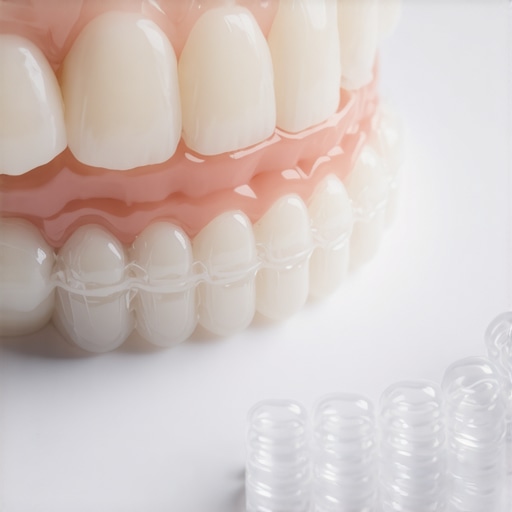
The ‘oops’ factor in modern dentistry is the rise of mail-order clear aligners. It is incredibly tempting to skip the office visits, but this is a dangerous trap. Moving teeth is a medical procedure, not a DIY craft. I’ve seen cases where patients ended up with permanent nerve damage because their bite was moved too quickly or without a proper scan. You must know how to tell if your Invisalign trays are counterfeit from an online site, as these fake versions lack the patented SmartTrack material that ensures precise, safe movement. A study published in the Journal of Clinical Orthodontics highlights that without professional supervision, the risk of occlusal trauma—essentially destroying your bite—skyrockets when using unsupervised aligners. If you are struggling with the fit of professional trays, you are much better off using legitimate tools, like learning how to seat stubborn Invisalign trays using the munchie technique, rather than trying to ‘hack’ the system. Have you ever fallen into this trap of trying a quick dental fix at home? Let me know in the comments. We need to move past the idea that ‘straight’ always equals ‘healthy’ and realize that stability is the true goal of family dentistry trends today.
I have spent a small fortune on my mouth over the last few years, and I will be damned if I let a lack of maintenance ruin that investment. The reality is that the tools you use at home are just as important as the time you spend in the dentist’s chair. I personally use a high-frequency ultrasonic cleaner every single morning while I am brewing my coffee. It is a total game-changer. I drop my trays into a solution that is essentially the vinegar soak that safely sanitizes your retainers and guards. This prevents that funky smell and the buildup of biofilm that makes your trays look murky. If you have ever wondered why your Invisalign trays are turning yellow even with regular cleaning, it is because manual brushing often leaves microscopic scratches where bacteria love to hide. This routine is part of those family dentistry secrets that pros rarely mention but follow religiously themselves. 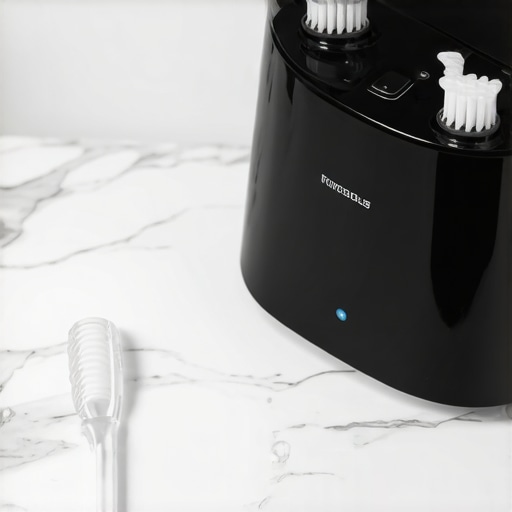
Invest in Tools That Do the Hard Work
When it comes to my crowns, I am obsessed with the biological width—that tiny gap where the restoration meets your organic tissue. I have switched entirely to a high-end water flosser with a specialized precision tip for restorations. Unlike traditional string floss, which can occasionally snag on the edge of a porcelain crown if the margin is slightly exposed, the water stream flushes out the sulcus without any mechanical stress. This is the secret to making your dental implants last and ensuring your crowns do not fail prematurely due to localized gum disease. According to materials expert Dr. Gordon Christensen of the CR Foundation, the long-term success of a crown depends heavily on the patient’s ability to manage plaque at the restoration margins. If you are not using a tool that gets into those 2mm pockets, you are leaving your expensive work to chance. I also avoid harsh abrasives to prevent the kind of damage often seen with charcoal toothpaste.
What the Future of Your Smile Looks Like
I am predicting that within the next few years, we will not just be relying on bi-annual office visits; we will be using 3D home-scanning tools to track our dental health in real-time. This is how Invisalign innovations are already shifting the landscape, offering mobile apps that can analyze your tooth movement via simple smartphone photos. We are moving toward a world where your bathroom mirror might alert you to a receding gum line or a hairline fracture before you even feel a single zing of pain. This proactive, data-driven approach is a cornerstone of modern family dentistry trends.
How can you keep your dental restorations looking new for decades?
The secret to longevity is pH management. Constant acidity from coffee, kombucha, or diet soda is the silent killer of dental cement and natural enamel. I have started using a straw for everything except water to bypass my front teeth entirely. While the ultimate guide to crowns often focuses on the material, your daily habits determine the outcome. If you want an advanced tip to try tonight: swap your alcohol-based mouthwash for a pH-balancing rinse. It neutralizes the acids that eat away at your restoration bonds while you sleep. Give it a week, and you will notice your mouth feels significantly less fuzzy in the morning. Let’s get serious about protection so we are not just paying for the same work twice down the road.
The Hardest Lesson I Learned About Protecting My Dental Investment
If there is one thing I wish I had known years ago, it is that sensitivity is rarely an isolated event; it is a signal that your mouth’s ecosystem is out of balance. I spent too much time trying to mask the pain with pastes when the real issue was my bite alignment. I finally realized that when your teeth aren’t hitting correctly, you are essentially hammering away at your own enamel every time you chew. This realization is one of the most important family dentistry secrets that shifted my focus from reactive repairs to proactive maintenance. I also learned the hard way that cutting corners with mail-order dental products is a recipe for disaster. You absolutely must know how to tell if your Invisalign trays are counterfeit because those knock-offs can cause permanent bone loss and nerve damage that no amount of toothpaste can fix. Stability, not just straightness, is the true goal of modern care.
The Daily Habits That Keep My Crowns Flawless
Maintaining a high-end smile requires more than just a quick brush before bed. I’ve found that consistency with a few specific tools makes a world of difference in how my mouth feels. First, I never skip my pH-balancing rinse; it stops that acidic environment that leads to restorations failing at the margins. I’ve also become hyper-aware of the texture of my teeth; if my teeth feel fuzzy even after brushing, I know my technique is slipping or my brush head needs replacing. To keep everything in peak condition, I follow these top oral health tips daily: I use a water flosser for my crowns, I sanitize my trays in a vinegar soak, and I always prioritize structural alignment. Exploring the hidden benefits of Invisalign taught me that a straight smile is actually much easier to keep clean, which naturally reduces the risk of sensitivity over time.
#IMAGE_PLACEHOLDER_E#
Your Journey Toward a Pain-Free Smile Starts Now
You don’t have to live in fear of the next ice cube or a gust of cold winter air. By shifting your mindset from ‘fixing problems’ to ‘preserving structure,’ you can enjoy your favorite treats without that dreaded electric shock. Whether you are dealing with a sensitive nerve or looking to upgrade your restorations, the technology available in modern family dentistry is designed to give you a life of comfort. Take these small steps today—swap your brush, check your alignment, and listen to what your teeth are trying to tell you. Have you ever experienced a sudden ‘zing’ that made you change your entire dental routine? Let me know in the comments below.