
Why your gums look white after using whitening strips
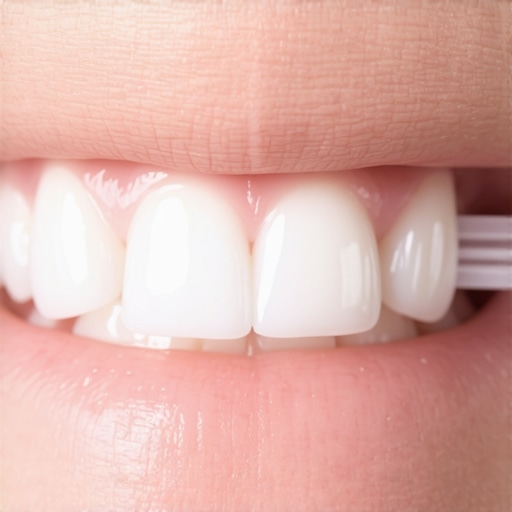
I stood in my bathroom, staring into the mirror with my heart racing, convinced I’d just chemically burned my mouth into oblivion. I had pulled off my whitening strips five minutes early, expecting a Hollywood glow, but instead, I found a ghost-white line where my pink gums used to be. It looked like I’d been eating powdered donuts—but the powder wouldn’t come off. If you’ve ever wondered about the reason your teeth feel fuzzy even after brushing, you know how unnerving any sudden change in your mouth can be. That night, I was ready to call an emergency dentist, fearing I’d need crowns for a healthier smile just to hide the damage I thought I’d done. Today, I’m going to show you exactly why this happens and why you probably don’t need to panic as much as I did. Have you ever pulled off a whitening strip only to find your gums looking more like paper than pink? If so, you aren’t alone.
Your Gums Aren’t Falling Off—It’s Just Blanching
The truth is, those white patches are usually a temporary chemical reaction. In my early days of DIY dental care, I made the classic mistake of thinking ‘more is better.’ I used extra-strength strips and shoved them way too high up on my gums, ignoring the instructions completely. When I first started, I didn’t know the safest way to whiten sensitive teeth at home without pain, and I paid the price in a few hours of sheer terror. What you’re seeing is called ‘blanching.’ Hydrogen peroxide, the active ingredient in most strips, can cause transient dehydration and oxygenation of the gum tissue, especially in concentrations over 10%, according to the American Dental Association. It’s essentially a mild, temporary irritation that causes the blood to leave the surface area for a moment. Modern family dentistry secrets tell us that while this looks scary, the tissue is remarkably resilient. It’s not much different from when you accidentally press a finger too hard against your skin and it leaves a white mark, though the chemical component makes it last a bit longer.
Is this ghostly white look going to stay forever?
The biggest fear I had was that I’d permanently scarred my smile. I thought my gums would recede or stay that ghastly shade of marble indefinitely. Thankfully, that’s almost never the case. Most blanching disappears within twenty minutes to an hour as the oxygen dissipates and blood flow returns to normal. If you’ve ever had to learn the easiest way to floss under a dental bridge, you know that keeping gum tissue healthy requires a bit of finesse, not brute force. My mistake was the brute force approach. Whitening should be a marathon, not a sprint. We are going to dive into how you can prevent this from happening again and what you can do right now to soothe that zingy, irritated feeling in your mouth.When the panic subsides, the first thing you need is a practical plan to get your mouth back to its healthy, pink state. If you are standing there right now with throbbing gums, go straight to the kitchen.
Soothe the Sting with a Simple Kitchen Staple
Your first line of defense is a lukewarm saltwater solution. This isn’t just an old wives’ tale; it’s a standard recommendation for a reason. Using the saltwater rinse hack for immediate gum relief helps neutralize the acidity and calms the chemical reaction still happening on the surface of your tissue. I once tried to ‘brush away’ the white spots with a stiff toothbrush—don’t do that. You’ll just abrade the already sensitive tissue and potentially cause bleeding. Instead, swish gently for thirty seconds with about half a teaspoon of salt in eight ounces of water. This draws out excess oxygen from the tissue and jumpstarts the blood flow back to those blanched areas, which is exactly what you need to see that pink color return.
Shield Your Gums Before the Strip Goes On
To prevent a repeat of the ‘ghost gum’ incident, you need a physical barrier. Take a tiny bit of petroleum jelly on a Q-tip and trace the line where your teeth meet your gums. This creates a waterproof seal so the peroxide gel stays on the enamel and stays off the soft tissue. This is part of the safest way to whiten sensitive teeth at home without pain. I learned this the hard way after a particularly messy session where the gel migrated so far up my jawline that I couldn’t speak comfortably for an hour because my upper lip felt like it was on fire. By greasing the wheels—literally—you ensure the chemical reaction stays confined to your teeth. #IMAGE_PLACE_HOLDER_B#
Trim Your Way to a Better Fit
Most over-the-counter strips are designed as ‘one size fits all,’ but mouths are incredibly diverse. If the strip is too wide and keeps overlapping onto your gums, grab a pair of clean scissors. Trim the height of the strip so it only covers the tooth surface. This is especially important if you’ve noticed the reason your teeth look gray instead of white often comes down to uneven application. By customizing the fit, you ensure the whitening power is concentrated where it matters most. I spent years thinking my teeth were just ‘difficult’ until I realized the strips were simply too long for my lower arch and were causing constant irritation.
Stop the Post-Whitening Zings Fast
Sometimes the irritation goes deeper than just the color change. If you feel a sharp, electric-like sensation, you’re dealing with temporary nerve sensitivity. Knowing how to stop the painful zing when you drink iced coffee is a life-saver here. Switch to a desensitizing toothpaste immediately after whitening and avoid extremely hot or cold drinks for at least six hours. When I was prepping for a wedding a few years back, I whitened my teeth right before a big dinner and spent the whole night wincing at the chilled appetizers. It was miserable. Give your nerves a break. Incorporating these top oral health tips for your family’s bright smiles into your routine ensures that your quest for a perfect smile doesn’t come at the cost of your comfort or long-term gum health. This approach is much better than rushing into expensive fixes like crowns for a healthier smile before you’ve mastered basic at-home care.Let’s dig deeper into why we often wait until things hurt to fix them. A common myth I see in family dentistry is the ‘filling forever’ mentality. Many patients believe that as long as a filling stays in, the tooth is safe. However, I’ve found that constantly patching a large, old filling is often a recipe for disaster. When the filling takes up more than 50% of the tooth width, the remaining natural walls act like a wedge. Eventually, they snap. This is where why crowns are a game changer in restorative dentistry. Instead of letting the tooth split, a crown ‘hugs’ the structure together. If you’ve been told you need one but are hesitant, remember that crowns for a healthier smile are about structural integrity, not just aesthetics. According to a study published in the Journal of Prosthodontic Research, teeth with large restorations are up to 14 times more likely to suffer from a fracture than those with full-coverage crowns.
The Danger of the High Spot Trap
One specific trap to avoid is ignoring a ‘high spot’ on a new restoration. I once had a patient who thought they just needed to ‘break in’ their new crown. They waited two weeks, and by the time they came back, the nerve was so inflamed from the constant pounding that they needed an emergency visit. If you notice why your new zirconia crown feels taller than your other teeth, get it adjusted immediately. A micro-adjustment can be the difference between a comfortable bite and a failed nerve. This is a common nuance often overlooked in family dentistry secrets; a crown that feels perfectly fine while sitting may feel completely different when you grind or lie down.
Why does my dental crown feel cold for weeks after it was placed?
This is a question that stumps many but has a logical explanation. Zirconia and porcelain conduct temperature differently than natural enamel. Furthermore, the prep work for a crown involves removing a layer of tooth structure, which brings the external environment closer to the nerve. While why your dental crown feels cold for weeks after it was placed is usually just a sign of the nerve ‘settling,’ it can persist if the cement hasn’t fully sealed the tubules. According to the American College of Prosthodontists, minor sensitivity is normal for up to six weeks, but persistent sharp pain requires a professional look at the margins.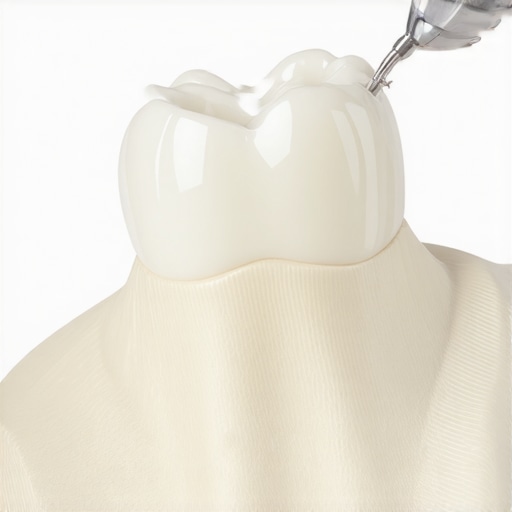
The Hidden Mechanics of Your Smile
We also need to talk about the ‘hidden’ mechanics of Invisalign. Most people treat it like a cosmetic luxury, but it’s often a functional necessity for long-term health. When your teeth are crowded, you can’t clean them properly, leading to the reason your teeth feel fuzzy even after brushing. Beyond that, a malaligned bite causes uneven wear that eventually leads to chips and cracks. Understanding the hidden benefits of Invisalign for family dental care in 2025 means recognizing it as a tool for tooth longevity, not just vanity. Have you ever fallen into the trap of delaying a ‘suggested’ treatment only to have it become an emergency later? Let me know in the comments. Choosing the right path requires nuance. Whether it’s choosing the right crown expert advice for long-lasting results or deciding between Invisalign vs braces, the best approach is always proactive rather than reactive. Don’t wait for the ‘zing’ to tell you something is wrong.
I’ve spent a small fortune on my mouth over the years, and I’ve learned the hard way that a ‘set it and forget it’ mindset is the quickest path back to the dental chair for a five-figure replacement. For me, the ultimate game-changer was moving away from standard string floss for my restorative work. If you’ve ever wondered why your gums throb after you use a water flosser for the first time, it’s usually because you’re blasting the soft tissue rather than cleaning the sulcus. I personally use the Waterpik Aquarius because its ‘Plaque Seeker’ tip is the only tool that effectively navigates the tight margins of my crowns as a game changer in restorative dentistry. It flushes out debris that manual flossing misses, preventing that annoying why your teeth feel furry only a few hours after brushing sensation that often signals plaque buildup.
#IMAGE_PLACE_HOLDER_D#
How do I maintain my crowns and aligners for the long haul?
Maintenance isn’t just about hygiene; it is about physical fit and friction. If you are currently transforming your smile with aligners, you must master how to seat stubborn invisalign trays using the munchie technique. I used to think just snapping them in with my fingers was enough, but without the specific pressure from a silicone munchie, the aligner doesn’t fully engage the tooth. This leads to ‘tracking’ issues that can add months to your treatment. To keep those trays crystal clear without the expensive proprietary cleaning crystals, I swear by the vinegar soak that safely sanitizes your retainers and guards. It’s a simple, natural way to dissolve mineral deposits. When it comes to the secret to making your dental implants last for the rest of your life, the focus shifts to bone stability. This is why I now advocate for advanced diagnostics. According to Dr. Gordon Christensen, founder of the CR Foundation, the precise decontamination of restorative surfaces and the use of 3D imaging are critical for long-term success. Most people don’t realize what a 3d cbct scan reveals that standard x-rays miss entirely, such as microscopic bone loss or hidden infections at the base of an implant.
Why Your Dentist Needs a 3D Map of Your Smile
Looking toward the future, I predict that family dentistry trends will move toward ‘Digital Twins.’ This is where your provider maintains a perfect 3D virtual model of your mouth to track enamel wear and gum recession in real-time. It’s an evolution of family dentistry secrets that moves from reactive repair to predictive health. This technology allows us to see the hidden benefits of invisalign for family dental care in 2025 before we even start treatment. Don’t wait for something to break. If you’re wearing aligners right now, try the munchie technique for five minutes tonight; you’ll be amazed at how much more secure your trays feel by morning.
Hard-Earned Wisdom From My Dental Disasters
The first thing I learned is that not all dental sensations are emergencies. I used to panic at every twinge, but now I use the sip test to determine if your tooth sensitivity is nerve-related before I call the office. It’s also vital to realize that why your gums look pale instead of healthy pink is often just a temporary side effect of oxygenation rather than a sign of tissue death. Finally, I’ve stopped procrastinating on minor repairs. Knowing how to stop a small chip in your tooth from becoming a major crack is much easier and cheaper than needing a full replacement later on.
My Go-To Toolkit for Permanent Oral Health
I don’t just rely on brushing; I have a specific toolkit that keeps my dental work in top shape. First, I highly recommend the book “It’s All in Your Mouth” by Dr. Dominik Nischwitz for anyone wanting to understand the link between systemic health and teeth. Second, I never skip the salt water rinse secret for healing swollen gums at home whenever my tissue feels slightly inflamed. It’s a natural, effective way to manage the minor swelling that can occur after a deep cleaning. Lastly, if you have any dental work, a high-quality water flosser is non-negotiable for cleaning the margins of your restorations. #IMAGE_PLACEHOLDER_E#
Move From Dental Fear to Absolute Confidence
Taking control of your oral health doesn’t have to be a source of stress. Whether you are recovering from a whitening mishap or learning how crowns boost oral health confidence, the key is consistent, informed care. Every small habit—from seating your aligners correctly to choosing the right rinse—builds a foundation for a smile that lasts a lifetime. You deserve to feel proud of your teeth, not afraid of them. Have you ever had a moment where you thought you’d ruined your teeth with an at-home treatment? Let me know in the comments below!