
The specific way to floss under a fixed dental bridge
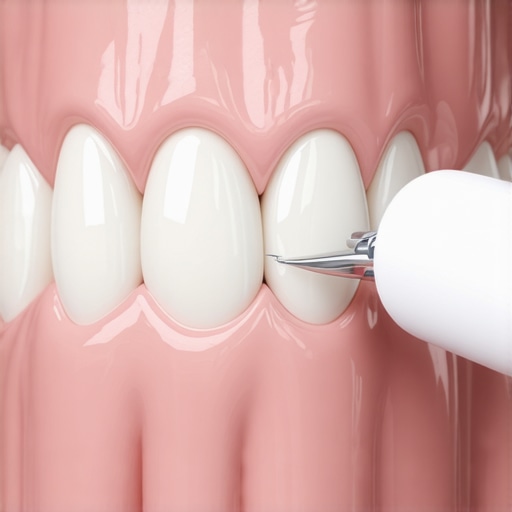
I will never forget the evening I stood in front of my bathroom mirror, a three-inch piece of expensive dental floss mangled between my fingers, feeling like a total failure. I had just invested in a fixed bridge to finally close that gap in my smile, but nobody warned me that cleaning it would feel like a high-stakes game of Operation. My first attempt was a complete disaster. I poked my gums until they bled and eventually just threw the floss in the trash, defeated. If you have ever felt like your dental hardware is a fortress that refuses to be cleaned, I have been exactly where you are. We spend so much time looking at family dentistry trends and modern fixes, but we often forget the daily grind of keeping those fixes clean.
Why Skipping Under the Bridge is a Recipe for Disaster
When I first got my bridge, I made the rookie mistake of thinking that because the teeth weren’t “real,” they didn’t need real cleaning. I ignored the space underneath for nearly a month. By the time I went back for a check-up, my gums were angry and swollen. I had even started noticing that your teeth feel fuzzy even after brushing because of the plaque buildup underneath the pontic. It turns out, bacteria love to hide in the tiny gap between your bridge and your gum line. If you do not clear them out, you risk losing the healthy teeth that actually support your bridge. I realized then that top oral health tips for your family’s bright smiles are not just suggestions—they are survival guides for your dental work. Today, I am going to show you the exact technique that turned my 20-minute flossing struggle into a simple 30-second habit. We are going to cover the tools that actually work and the “thread-and-pull” method that saved my gums. Have you ever felt like throwing your floss across the room in frustration? I want to hear your story in the comments. If you have noticed that your gums are turning dark around the edge of a dental crown or bridge, it is a sign that plaque is winning the battle.
Can’t I Just Use a Water Flosser and Call it a Day?
This is the biggest skepticism I hear from friends. While a water flosser is a fantastic supplement, the American Academy of Periodontology has noted that mechanical friction is often necessary to fully disrupt the stubborn biofilm that sticks to dental porcelain. I learned the hard way that relying solely on water meant I was leaving behind the “sticky” stuff that eventually hardens into tartar. You need something that physically rubs against the underside of that bridge. If you want the easiest way to floss when you have a permanent dental bridge, you have to embrace the threader or specialized super floss. It is the only way to ensure your investment lasts a lifetime. Let us dive into the mechanics of how to actually get that floss where it needs to go without losing your patience.
Stop Fighting Your Bridge and Start Threading
The secret to a long-lasting restoration isn’t just about the initial placement; it is about how you treat it every morning and night. When you are choosing the right crown expert advice for long-lasting results, they will tell you that the bridge is only as strong as the gums supporting it. To get started, you need the right vehicle. Forget standard floss. You need a floss threader or specialized ‘super floss’ that has a stiff end. Think of it like a needle and thread. I remember one Tuesday morning I was in such a rush that I tried to jam a piece of standard, waxy floss between the bridge and my gum without a threader. It didn’t just fail; the floss shredded and got snagged on the edge of the porcelain. I spent ten minutes with a pair of tweezers trying to fish out the blue fibers while my toddler pounded on the bathroom door. That was the day I realized that shortcuts are actually long-cuts when it comes to dental hardware. You must use the stiffened end to guide the floss through the space between the bridge and your natural gum line.
The Lasso Move That Actually Works
Once you have successfully poked that stiffened end through to the tongue side of your mouth, pull it through until you have a good grip on both ends. This is where the magic happens. You want to wrap the floss around the ‘pontic’—that’s the fake tooth in the middle. Instead of just pulling it back and forth like a saw, which can irritate your tissue, use a ‘C-shape’ motion. Hug the side of one of the supporting teeth and slide the floss up and down. This mechanical friction is the only way to disrupt the biofilm that leads to infection. Using family dentistry secrets maintaining oral health with modern techniques at 254 pm ensures you aren’t just going through the motions but actually removing the sticky bacteria that causes bad breath. 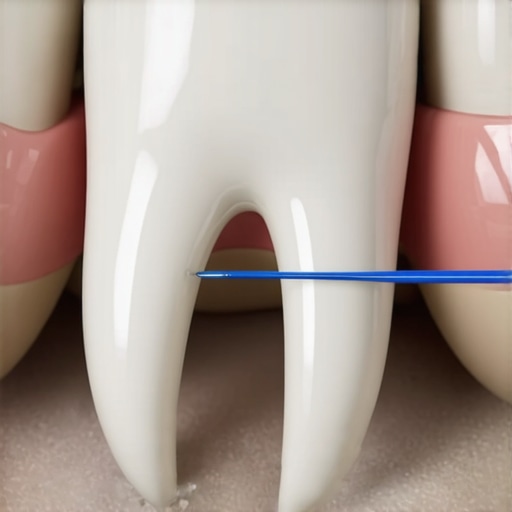
Give Your Gums the Massage They Deserve
The area under the bridge often gets neglected, leading to what some call ‘bridge breath.’ To combat this, as you pull the floss under the fake tooth, apply a very gentle upward pressure against the bottom of the bridge itself and a downward pressure against the gum. This dual-action cleaning ensures that you are hitting both surfaces. If you have ever wondered how to stop your dental implant from trapping food every time you eat, the same principles apply here: consistency is more important than force. If your gums bleed the first few times, do not panic. It is a sign that the bacteria were winning, and you are finally clearing them out. Within a week of consistent ‘C-shape’ flossing, that bleeding should stop entirely as the tissue firms up.
Don’t Ignore the Anchor Teeth
The two teeth holding your bridge in place—the abutments—are the most vulnerable. If decay starts under the edge of the crown on these teeth, the whole bridge fails. This is why the easiest way to floss when you have a permanent dental bridge involves spending extra time on those transition zones where the bridge meets the natural tooth. See how transform your smile how crowns boost oral health confidence at 815 am by keeping these foundations rock solid. Use the floss to reach slightly under the gum line of the anchor teeth. It feels a bit weird at first, like you’re poking around where you shouldn’t, but that is exactly where the plaque hides. By cleaning these specific junctions, you are essentially insulating your investment against future failure.Most people assume that because their bridge is made of high-grade porcelain, it acts like a suit of armor for the teeth underneath. I used to think the same. But here is the contrarian truth: your natural teeth are actually more at risk now than they were before. The margin—the tiny seam where the bridge meets your gum—is a microscopic shelf for bacteria. If you fall into the trap of thinking your ‘fake’ teeth are invincible, you are essentially inviting decay to tunnel underneath. Have you ever fallen into this trap of skipping a day because ‘it is not a real tooth’? Let me know in the comments. When you are choosing the right crown expert advice for long-lasting results, the focus is often on the material, but the real secret is the seal.
What does a 3D CBCT scan find that your standard X-ray missed?
Sometimes, even with perfect flossing, something feels ‘off.’ You might feel like your dental crown feels like it is shifting or a dull ache that won’t go away. This is where advanced diagnostics come in. A standard 2D X-ray is like looking at a silhouette; it can hide shadows of decay behind the dense bridge material. I have seen cases where a 3D CBCT scan reveals what standard X-rays miss entirely, such as a tiny crack or a pocket of infection that was completely invisible from a front-on view. According to a study in the Journal of Endodontics, 3D imaging significantly increases the detection rate of periapical lesions compared to traditional films. 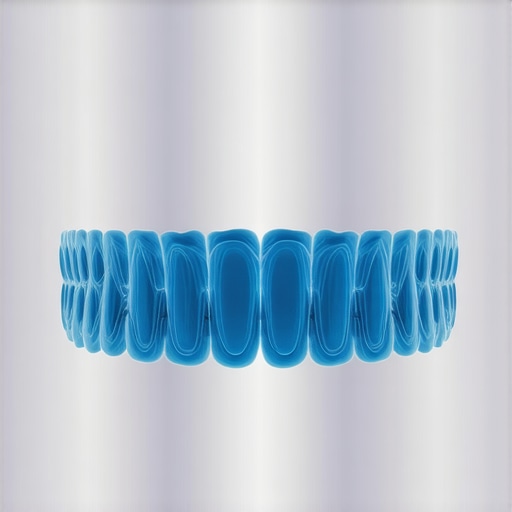
Don’t Ignore the Dry Mouth Warning
Another nuance many overlook is the environment of your mouth. If you have noticed why your mouth feels dry even when you drink plenty of water, your bridge is in serious danger. Saliva is your mouth’s natural cleaner, neutralizing the acids that eat away at those vulnerable margins. Without it, plaque becomes ‘stickier’ and more corrosive. This is a common ‘oops’ factor: people treat the dry mouth as a minor annoyance instead of a dental emergency. If you want the ultimate guide to crowns for a healthier smile, you must include a plan for hydration and pH balance. It is not just about the hardware; it is about the biology supporting it. By monitoring family dentistry trends improving oral health for all ages, we are seeing more focus on these preventative ‘bio-hacks’ rather than just fixing what breaks. By staying ahead of these subtle signs, you ensure your smile stays solid for decades, not just years.For years, I was a total floss snob, convinced that if I just struggled long enough with that piece of string, I was doing my job. But then my dentist introduced me to interdental brushes, and my oral health routine changed forever. Specifically, I started using the TePe and GUM Proxabrush lines. If you have a bridge or even implants, these are the ‘secret sauce’ for the secret to making your dental implants last for the rest of your life. Unlike string floss, which can sometimes just slide over the plaque, these tiny brushes have bristles that expand to fill the ‘tunnel’ under your bridge. A landmark study published in the Journal of Clinical Periodontology (2019) confirmed that interdental brushes are significantly more effective at reducing gingival inflammation than flossing alone in open embrasure spaces. I personally use the size 0 (orange) or size 1 (blue) brushes because they fit into those tight corners where the fake tooth meets the real one. It is not just about the tool; it is about the angle. You have to enter from the cheek side and then again from the tongue side to be truly thorough. If you are also navigating the world of aligners, you know the struggle doesn’t stop with bridges. I have found that the vinegar soak that safely sanitizes your retainers and guards is a total lifesaver when you are trying to keep things fresh on a budget without damaging the plastic. 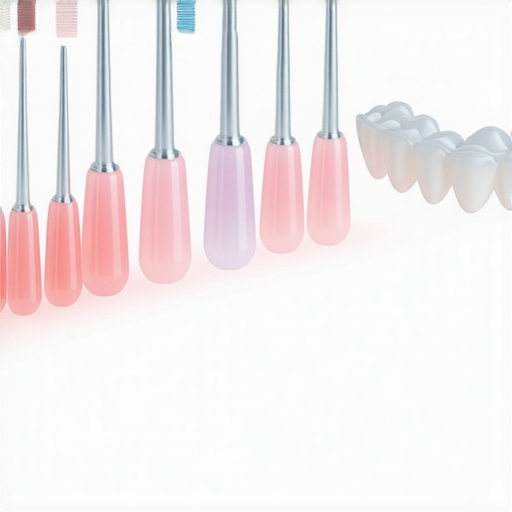
How do I maintain my dental restorations over the next decade?
It essentially comes down to the ‘Rule of Three’: professional monitoring, mechanical disruption, and pH control. You cannot just ‘set it and forget it’ with a crown or bridge. I make sure to use family dentistry secrets maintaining oral health with modern techniques at 254 pm by incorporating a high-fluoride toothpaste at night to remineralize those anchor teeth. If you are wearing aligners, do not skip the basics—learning how to keep your invisalign trays clear without buying expensive cleaners will save you hundreds over the course of your treatment. I also recommend checking your bite regularly; if you feel like your dental crown feels like it is shifting, it is often a sign of underlying bone changes or night grinding that needs professional attention.
The next generation of smart dental tracking
I predict that within the next five years, we won’t just be guessing if we cleaned well enough. We are already seeing invisalign innovations the future of family dentistry revealed at 1137 am that include AI-integrated apps capable of scanning your teeth via smartphone to detect early ‘shadows’ of decay or plaque buildup. We are moving toward a world where your toothbrush talks directly to your dentist’s diagnostic software. It sounds like science fiction, but keeping your smile intact is becoming a data-driven science. For now, my best advice is to embrace the specialized tools that work today. Don’t wait for your next check-up to find out you have been missing a spot for months. If you are struggling with seating your aligners correctly, definitely try how to seat stubborn invisalign trays using the munchie technique to ensure the force is distributed exactly where it needs to be. Go grab a pack of interdental brushes today and try them under your bridge; your gums will thank you by morning.
Three Bridge Truths My Dentist Finally Shared
Looking back at my first month with a bridge, I realize there were nuances no brochure could explain. First, the ‘halo effect’ is real; you often assume that because the bridge looks perfect on the outside, the biology underneath is also thriving. This false sense of security is why many restorations fail within the first five years. Second, the ‘sniff test’ is your best friend. If your floss smells off after coming out from under the pontic, it is an early warning system for bacteria that hasn’t caused pain yet. Third, bleeding isn’t a reason to stop; it is a signal to continue. Healthy gums don’t bleed, so seeing pink on your floss simply means you’ve identified the battlefield where family dentistry trends are moving toward more proactive care.
The Survival Kit for a Lifetime Bridge
I have narrowed my routine down to a few non-negotiable tools that have kept my restoration rock-solid for years. I highly recommend picking up interdental brushes because they reach the ‘tunnel’ where string simply cannot. For rinsing, I stopped using the harsh, stinging brands and learned about the truth about alcohol-based mouthwashes and chronic dry mouth; switching to a pH-balanced, alcohol-free rinse changed my gum health overnight. I also prioritize a diagnostic check with what a 3d cbct scan reveals that standard x-rays miss entirely to catch any ‘shadow’ decay at the margins. When you are choosing the right crown expert advice for long-lasting results, these diagnostic tools are just as important as the floss itself.
Protect Your Future Smile Starting Tonight
Taking care of a bridge feels like a chore at first, but it quickly becomes as second nature as tying your shoes. When you follow top oral health tips for your family’s bright smiles, you aren’t just cleaning teeth; you are protecting your confidence and your investment. Your bridge is a masterpiece of modern engineering, but you are the primary maintenance crew responsible for its longevity. Don’t be afraid to take those extra thirty seconds tonight to ensure your oral health remains a top priority—your future self will thank you for every bit of effort you put in now. What part of flossing under your bridge has been the most frustrating for you? Have you ever had a piece of floss get stuck in your dental hardware? Let me know in the comments below!