
The reason your gums feel itchy after a deep cleaning
I remember sitting on my porch, about two hours after my first real deep cleaning, and I was absolutely losing my mind. My teeth felt incredibly clean, sure, but my gums felt like they were hosting a tiny, invisible parade of ants. It wasn’t exactly pain—though the reason your gums feel tender after a routine cleaning is usually pretty straightforward—this was different. This was a deep, maddening tickle. I found myself clenching my jaw just to try and ‘press’ the itch away. At one point, I even considered grabbing a plastic coffee stirrer to get in there and scratch. Looking back, that would have been a disaster for my healing tissue. If you’re feeling that same ‘need-to-scratch-my-jaw’ sensation right now, take a deep breath. You aren’t going crazy, and your dentist didn’t mess up. [image placeholder]
The Maddening Itch After Your Scaling and Root Planing
Actually, that itch is often a sign that your body is doing exactly what it’s supposed to do. Think about when you were a kid and you scraped your knee. Once the initial sting wore off and the scab started to form, it would itch like crazy, right? Your gums are essentially doing the same thing. When your dental professional goes deep under the gumline to remove tartar and bacteria, they are essentially ‘resetting’ the environment. If you previously noticed why your gums feel spongy, that deep cleaning was the intervention you needed. According to the American Academy of Periodontology, this process allows the tissue to reattach to the tooth, but that reattachment involves a release of histamines. Yes, the same stuff that makes your nose itch during allergy season is currently hard at work in your mouth.
Wait, Is This Itching a Sign of an Infection?
This is the big fear, isn’t it? I remember calling my dentist’s office in a panic, convinced I was allergic to the mint-flavored polish or that some bacteria had staged a coup. But here’s the secret: true infection usually comes with heat, throbbing, or a foul taste, not just a tickle. I made the mistake of over-brushing that first night to ‘clean out’ the itch, which only made things worse. Instead, I should have focused on top oral health tips for your family’s bright smiles by being gentle. We’re going to look at how to distinguish between ‘good’ healing and ‘bad’ symptoms, and I’ll share the saltwater rinse hack for immediate gum relief that finally let me get some sleep. Have you ever felt like you needed to floss with a piece of sandpaper just to get some relief? Tell me your story in the comments below—I need to know I’m not the only one who has faced the phantom ants! Using family dentistry secrets for maintaining oral health can help you avoid needing another deep cleaning anytime soon, but for now, let’s get you some relief.
Stop the Phantom Itch Without Ruining Your Healing
The first 48 hours after a deep cleaning are the ‘danger zone’ for your willpower. My dentist warned me that the temptation to poke at my gums would be high, but I didn’t realize it would feel like a psychological battle. I once tried to use the corner of a folded business card to ‘press’ against the itch because I thought I was being clever. Don’t do that. It is a one-way ticket to introducing bacteria or damaging the delicate healing pockets. Instead, you need to use methods that soothe the nerves without physical trauma.
Master the Saltwater Rinse Hack
This is your absolute first line of defense. Take about eight ounces of lukewarm water and stir in half a teaspoon of salt. This isn’t just an old wives’ tale; it creates an osmotic environment that draws out excess fluid from the tissue and helps reduce the swelling that triggers the itch. I remember the first time I used the saltwater rinse hack for immediate gum relief; I expected it to work instantly. In reality, it took about three rinses over two hours before that maddening sensation began to subside. If you’ve ever wondered why your gums feel like they are vibrating when you talk, it is usually this specific type of post-procedural inflammation trying to settle down. 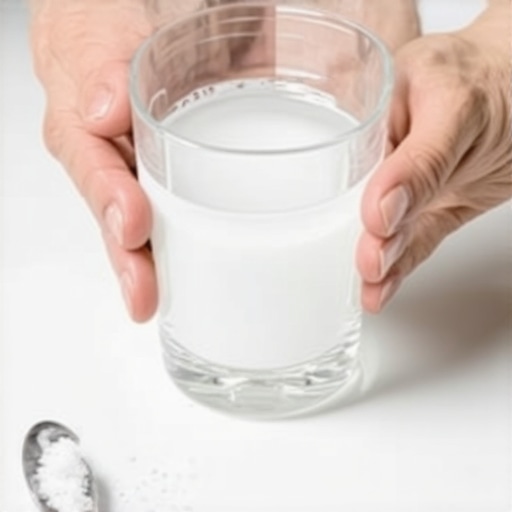
Chill Out the Inflammation with External Cold
When the rinse isn’t enough, reach for an ice pack rather than a toothpick. Apply it to the outside of your face in 15-minute intervals. This constricts the blood vessels and slows down the histamine response in your gums. I found this was the only way I could focus on my work the day after my procedure. It is much more effective and safer than trying to ‘numb’ the area with ice-cold drinks, which might actually trigger the painful zing when you drink iced coffee since your tooth roots are often extra sensitive right after a deep cleaning.
Brush Like a Pro While Your Gums Are Vulnerable
You might be tempted to skip brushing because your mouth feels like a construction zone, but skipping it allows new plaque to colonize the area almost immediately. The trick is to use a soft-bristled brush and adopt the specific way to brush when you have gum recession. This involves gentle, circular motions at a 45-degree angle toward the gumline. When I first started applying top oral health tips for your family’s bright smiles, I realized I had been scrubbing my teeth like I was trying to strip paint off a fence. Light pressure is all that is required to clear away the ‘fuzzy’ feeling without aggravating the itchy tissue.
Avoid the Sticky Food Trap
For at least three days, stay away from anything that can get lodged in those newly cleaned pockets. I learned this the hard way after trying to eat a granola bar that felt like it was made of shards of glass. If you are also managing your kids’ routines, remember the truth about fruit snacks and their impact on childhood dental health—those sticky sugars are just as detrimental to an adult’s healing gumline. Stick to soft, cool foods like yogurt or applesauce that won’t require heavy chewing or leave debris behind.Once your gums have settled down and the initial healing phase of your deep cleaning is complete, it is time to look at the bigger picture of restorative care. Many people assume that getting a dental crown is like putting a suit of armor on a tooth—once it is on, the tooth is ‘saved’ forever. But this is a common myth. The real secret to longevity is realizing that the margin where the crown meets your gumline is actually the most vulnerable spot in your mouth. Even if you are choosing the right crown expert advice for long-lasting results, that microscopic gap can still trap bacteria if you aren’t diligent.
Why Your Dental Crown Needs More Love Than Your Real Teeth
I have seen so many patients treat their new restorations like bulletproof shields. In reality, the porcelain doesn’t decay, but the natural tooth structure underneath it still can. If you have noticed why your gums are turning dark around the edge of a dental crown, it might not just be an aesthetic issue; it could be the first sign of recession or a failing seal. Using family dentistry secrets for maintaining oral health means treating that crown margin with more care than a natural tooth surface.
Does Your Bite Feel ‘Off’ Only When You Are Chewing?
This is the ‘oops’ factor that most people ignore. If you feel like why your new zirconia crown feels taller than your other teeth, do not wait for it to ‘settle’ or wear down. Modern materials like zirconia are incredibly hard and will not wear down on their own, but the constant impact will cause your jaw bone to retreat. A study published in the Journal of Prosthetic Dentistry notes that even a few microns of misalignment can lead to occlusal trauma, which mimics the feeling of a tooth infection. If you find why your crown feels like it has a high spot only when you grind, your dentist needs to adjust it before it triggers nerve inflammation. 
The Invisalign Myth That Could Save Your Gums
When we discuss how Invisalign transforms family dentistry in 2025, we often focus on the straight smile, but the real benefit is periodontal health. Straighter teeth are easier to clean, but many people fall into the trap of poor ‘tracking.’ If you aren’t using the munchie technique to seat stubborn Invisalign trays, the aligners won’t apply the correct force, and your treatment will stall. You might even wonder why your teeth feel loose during the middle of Invisalign treatment. While some mobility is expected as the bone remodels, excessive looseness can be a sign of poor tray seating or underlying gum issues. Have you ever fallen into the trap of thinking a dental fix was ‘one and done’ only to have a surprise a year later? Let me know in the comments below! Real oral health is about catching these nuances before they become expensive problems.
Once you move past the initial adjustment phase of a crown or the first few trays of Invisalign, the real battle begins: maintenance. I used to think a toothbrush was enough, but I learned the hard way that a manual brush is like trying to detail a sports car with a push broom. If you want to avoid feeling like why your dental crown feels like it’s shifting, you need a toolkit that matches the precision of your dental work.
Use the Water Flosser That Actually Reaches Your Crown Margins
I was a skeptic about water flossers until I saw the debris they cleared out from around my back molars. If you have any restorative work, a standard string can sometimes fray on the edges of the cement. A water flosser, however, uses pulsated pressure to flush out the bacteria that hide in the microscopic gaps. Be warned: the first time you use one, you might experience why your gums throb after you use a water flosser for the first time. Don’t panic—that’s just the increased blood flow stimulating your gum tissue. I personally use the Waterpik Aquarius because it has a specific ‘orthodontic tip’ that is a game-changer for anyone in the middle of an Invisalign journey.
How do I maintain my dental restorations over the long haul?
The answer is consistency and specific chemistry. Research published in the Journal of Clinical Periodontology highlights that oral irrigators are significantly more effective at reducing gingival bleeding than string floss when used as an adjunct to brushing. To truly secure your investment, you should follow the ultimate guide to crowns for a healthier smile which emphasizes the importance of cleaning the ‘sulcus’—that tiny pocket where the crown meets the gum. If you ignore this area, you risk the bone loss that leads to the secret to making your dental implants last for the rest of your life if you ever need a replacement. 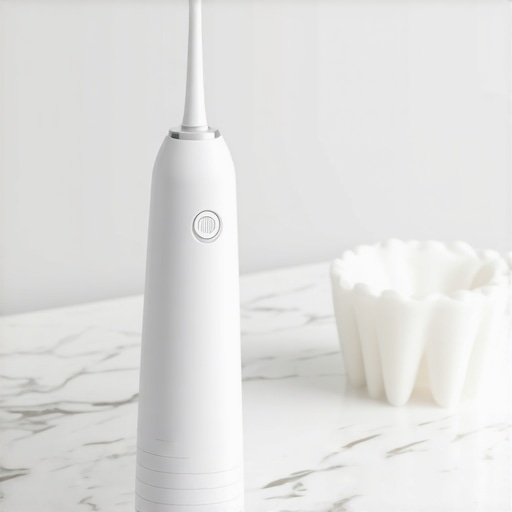
Ditch the Chemical Cleaners for Your Aligners
If you are wearing aligners, stop buying those expensive fizzy tablets. I found that they often leave a weird, medicinal aftertaste that lingers all day. Instead, I use the vinegar soak that safely sanitizes your retainers and guards. It’s cheap, incredibly effective at breaking down calcium deposits, and doesn’t use harsh dyes. This is one of those how to keep your Invisalign trays clear without buying expensive cleaners hacks that actually works without compromising the plastic integrity. Keeping your trays clear isn’t just about vanity; it prevents the bacterial buildup that causes why your Invisalign trays are turning yellow even with regular cleaning.
Where High-Tech Dentistry is Heading in 2025
We are entering an era where you won’t just ‘guess’ if your teeth are clean. I predict that within the next few years, Invisalign innovations and the future of family dentistry will include AI-integrated toothbrushes that scan for microscopic cracks in your crowns. We already see this with 3D scanning replacing those goopy impressions. This shift toward ‘predictive’ care means we can stop a problem before it requires a drill. I highly recommend trying the vinegar soak tonight—it is the simplest way to see an immediate difference in the clarity of your aligners or night guard without spending a dime.
What I Finally Realized About the Post-Cleaning Itch
The biggest lightbulb moment I had wasn’t during the cleaning itself, but about a week later. I realized that my gums weren’t just ‘skin’ in my mouth; they are a living, breathing foundation for my entire smile. If you ignore the foundation, the house—no matter how many expensive crowns you buy—will eventually tilt. I also learned that patience is a clinical requirement. You can’t rush the bone and tissue into accepting a new zirconia crown or a shifted tooth position. Most importantly, I discovered that the ‘pink toothbrush’ isn’t just a signal to brush harder; it’s a distress call that requires gentle care, not more aggression. Learning family dentistry secrets for maintaining oral health taught me that the best dental work is the kind you never actually ‘feel’ because the environment around it is so healthy and stable.
[image placeholder]
A Recovery Toolkit That Makes a Real Difference
If you are serious about protecting your investment, you need more than just a basic tube of toothpaste. I personally swear by a high-quality water flosser. Even though you might experience why your gums throb after you use a water flosser for the first time, it is the only way to ensure the margins of your restorations are truly clean. I also keep a stash of extra-soft, micro-bristle brushes for those days when my gums feel a bit reactive or tender. For my aligner users, skip the chemical tablets and stick to the vinegar soak—it’s the most reliable way to keep things clear and fresh without the medicinal aftertaste. These aren’t just gadgets; they are the frontline defense mentioned in the ultimate guide to crowns for a healthier smile.
Your Path to a Worry-Free Dental Future
Taking control of your recovery is the first step toward a lifetime of confident, radiant smiles. It’s easy to feel overwhelmed by the ‘phantom ants’ or the sensitivity of a new crown, but remember that every sensation is just your body adapting to a better state of health. As we look at how Invisalign transforms family dentistry in 2025, it’s clear that the tools are getting smarter and more precise, but the human element—your personal consistency—remains the most important factor of all. Don’t be afraid to reach out to your provider if something feels off, but trust the process of healing. You’ve done the hard work of getting into the chair; now just give your body the time it needs to finish the job. Have you ever felt a weird sensation after a dental visit that turned out to be a normal part of the healing process? Let me know in the comments below!