
Why your teeth feel sticky even after you just brushed
I’ll never forget the night I stood in front of my bathroom mirror, literally sweating from the effort of scrubbing my teeth for five minutes straight. I had just used the high-tech electric brush my wife got me, but when I ran my tongue across the back of my molars, it felt… fuzzy. Not clean. Not smooth. It felt like my teeth were wearing tiny, invisible sweaters. It was maddening. I’m a guy who takes pride in my oral health routine, but there I was, staring at a set of teeth that felt like I’d just finished a bag of gummy bears, despite having just spit out a sink full of minty foam. I realized then that my technique wasn’t the hero I thought it was.
That Gritty Film Won’t Go Away No Matter How Hard You Scrub
If you’re reading this, you probably know that exact feeling. It’s that tacky sensation that makes you wonder if your toothbrush is actually doing anything at all. For the longest time, I made the classic rookie mistake of thinking I just needed to push harder. I bought the extra-firm bristles—which, by the way, are basically sandpaper for your gums—and went to town. Spoiler alert: I didn’t get cleaner teeth; I ended up with receding gums and teeth that felt just as sticky as before. The reality is that stickiness isn’t always about dirt you missed. It’s often about a stubborn biofilm that has matured past the point of a simple 60-second brush. Sometimes, it is simply the hidden spots most people miss while brushing their teeth, but more often, it is a sign that your mouth’s chemistry is a bit out of whack. We are going to solve this today. I will show you why your current routine is hitting a wall and how to get that smooth feeling back without destroying your enamel.
Are these expensive whitening pastes making things worse?
It is a fair question to ask. I spent a fortune on those trendy tubes before realizing that some ingredients actually dry out your mouth. When your saliva flow drops, that sticky feeling skydives into permanent territory. The American Dental Association notes that dental plaque is a sticky film of bacteria that constantly forms on teeth, and without adequate saliva to buffer it, that film hardens into a fortress. Have you ever finished a full deep clean routine only to feel like your teeth were still covered in a layer of lint five minutes later? If so, you aren’t alone. Sometimes, understanding why your mouth feels dry even when you drink plenty of water is the missing piece of the puzzle. We are going to look at the sticky culprits, from the truth about charcoal toothpaste to the specific way your saliva interacts with your morning coffee. Let’s get into the nitty-gritty of why that fuzz persists.
Sweep Away the Slime with the Bass Technique
To get rid of that invisible sweater feeling, you have to stop thinking of your teeth like a dirty floor that needs scrubbing and start thinking of them like a delicate glass that needs polishing. The magic happens when you master the Bass technique. Instead of sawing back and forth, you tilt your brush at a 45-degree angle toward the gum line. I remember the first week I tried this; I felt like I wasn’t doing enough because I wasn’t using much pressure. But when I rinsed, the difference was night and day. By vibrating the bristles in small circles, you actually disrupt the biofilm instead of just flattening it against the tooth surface. This is especially critical if you are already dealing with gum issues, as the specific way to brush when you have gum recession makes all the difference in preventing further damage to the root.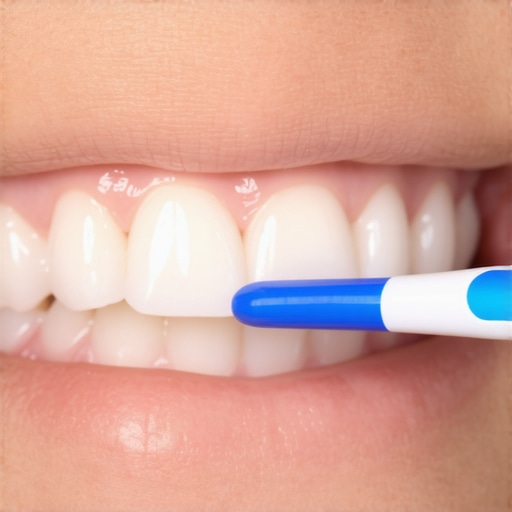
Ditch the Hard Bristles Once and For All
I know it feels like a harder brush gets more off, but it’s a lie. Firm bristles are too stiff to reach the tiny nooks where that fuzzy plaque actually hides. They just skip right over the curves of your teeth. Switching to a soft-bristled head was a game-changer for me. It allows the bristles to fan out and hug the tooth, reaching under the gum line where the stickiness starts. If you’re still using a firm brush, you’re likely doing more harm than good, and you should check out the truth about soft vs hard toothbrushes for receding gums to see why the switch is non-negotiable for a clean feel.
Floss Like You Actually Mean It
If the fuzz is mostly between your teeth, your brush isn’t the problem—your flossing is. I used to be a ‘snap and go’ flosser until I realized I was leaving half the plaque behind. You need to ‘C-shape’ the floss around each tooth, sliding it gently under the gum line. If manual flossing feels like a chore, a water flosser is a fantastic alternative. When I first got one, I accidentally sprayed the ceiling and my shirt within five seconds. Once I learned the trick to using a water flosser without making a total mess, it became my secret weapon for that polished, post-dentist feeling every single night.
Is Your Tooth Alignment Making You a Plaque Magnet?
Sometimes, the fuzz stays because your teeth are crowded, creating ‘dead zones’ that a brush simply cannot reach. I had one molar that was slightly turned, and no matter what I did, it always felt gritty. This is where modern dental solutions come in. It isn’t just about aesthetics; how invisalign transforms family dentistry in 2025 is largely about making teeth easier to clean by removing those plaque-trapping overlaps. Similarly, if you have old dental work, pay attention to the texture. If a restoration feels off, knowing what to do when your crown feels taller than your other teeth can help you identify if a structural issue is preventing you from getting a true clean.
The Dangerous Myth That Pain Is Your Only Warning
Most people assume that if their teeth don’t hurt, everything is perfectly fine. I used to be one of them. I figured as long as I wasn’t popping ibuprofen, my oral health was in the clear. But here is the contrarian truth: by the time a tooth actually hurts, you are usually looking at a root canal or an extraction rather than a simple filling. This is especially true with restorative work. Many patients believe that a crown acts like a suit of armor, protecting the tooth from everything. In reality, the most vulnerable part of a crowned tooth is the microscopic margin where the porcelain meets your natural tooth. If you aren’t following top oral health tips for your family’s bright smiles, bacteria can slip under that edge and rot the tooth from the inside out while the crown still looks perfectly white on the surface. A study published in the Journal of Prosthetic Dentistry indicates that marginal leakage is a leading cause of secondary caries in restorations. This is why specialized care is vital; family dentistry secrets maintaining oral health with modern techniques often involve using high-magnification tools just to check these tiny seams.
Why You Should Fear the Margin More Than the Surface
The biggest ‘oops’ factor I see with my peers is the belief that Invisalign is just for teenagers who want straight teeth for prom photos. This is a massive trap. We often focus on the aesthetics, but the clinical reality is that crooked teeth are a functional nightmare. When teeth overlap, they create ‘biofilm bunkers’ that no toothbrush—no matter how high-tech—can reach. This is one of the major invisalign myths debunked: it’s not just a cosmetic luxury; it is a preventative health tool. By aligning the bite, how invisalign transforms family dentistry in 2025 is by making those ‘fuzzy’ spots accessible to your daily cleaning routine. If your teeth are crowded, you are essentially playing a losing game against plaque, no matter how hard you scrub.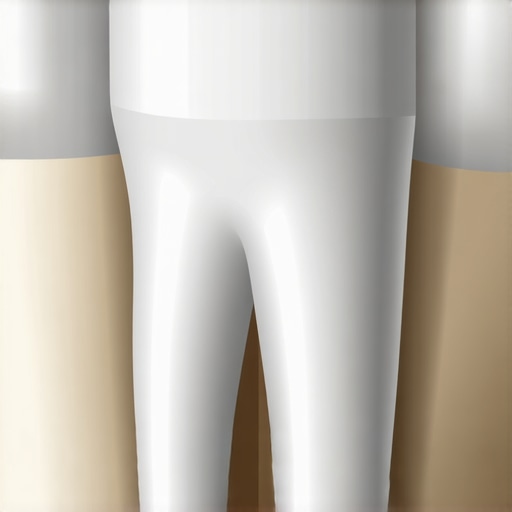
Why does my new crown taste like burnt sugar?
It is a sophisticated question that points to a common nuance in restorative work. If you notice a strange sweetness or have wondered why your new crown tastes like burnt sugar, it usually isn’t the porcelain itself. It is often the dental cement or, more concerningly, a sign that the seal has been compromised and bacteria are fermenting trapped sugars underneath. This is why choosing the right crown expert advice for long lasting results is so important; the material and the bonding technique determine if that tooth lasts ten years or two. Additionally, don’t make the mistake of using whitening strips on your dental work. Porcelain is non-porous and will not change color, leading to a mismatched smile that is expensive to fix. Understanding the ultimate guide to crowns for a healthier smile means knowing that maintenance is just as important as the initial procedure. Have you ever fallen into this trap of waiting for pain before calling the dentist? Let me know in the comments.
The High-Tech Brush That Finally Killed the Fuzzy Feeling
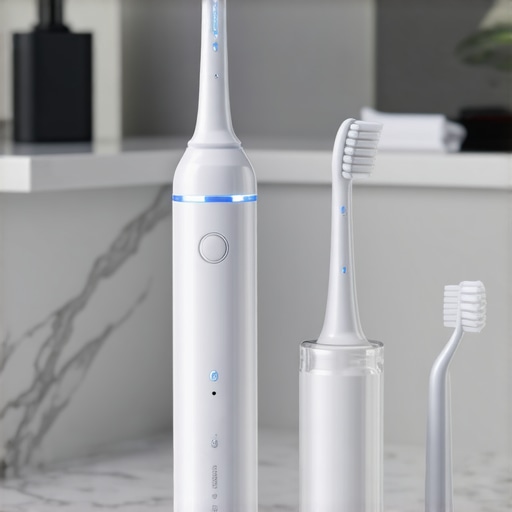
After years of trial and error, I’ve realized that the tools you use are just as important as the time you spend at the sink. I eventually swapped my manual brush for a high-end sonic toothbrush—the kind that vibrates at 62,000 movements per minute. Why? Because it does the work that my clumsy hands never could. When you are looking for top oral health tips for your family’s bright smiles, the first thing I tell people is to look for a brush with a pressure sensor. I used to be a ‘scrubber,’ but the sensor flashes red whenever I press too hard, saving my gums from recession. This level of precision is exactly why family dentistry secrets maintaining oral health with modern techniques are shifting away from manual effort and toward smart technology.
Don’t Let Your Aligners Turn Into a Science Project
If you are currently in the middle of an Invisalign journey, the maintenance doesn’t stop at your teeth. I’ve seen too many friends ruin their progress because they didn’t know how to clean a retainer that has sat out for too long or allowed their aligners to become cloudy with bacteria. I personally use ultrasonic cleaning pods. You drop your trays in with a specialized tablet, and high-frequency sound waves blast away the microscopic gunk you can’t see. Looking forward, invisalign innovations the future of family dentistry revealed suggest we might soon have self-cleaning materials, but for now, that ultrasonic bath is a non-negotiable for keeping your breath fresh and your trays invisible.
How can I make sure my crowns actually last a lifetime?
Longevity is the name of the game. You’ve put in the work and the investment, so you want that porcelain to stay put. According to Dr. Gordon Christensen, a leading authority in restorative dentistry and founder of the Clinicians Report, the lifespan of a restoration is fundamentally linked to how well the patient manages their ‘biofilm’ at the margin. This means you can’t just brush the top; you have to clean where the crown meets the gum. If you feel like your hardware is catching debris, it might be why your new dental bridge feels like its trapping food or why your crown feels slightly ‘thick.’ I recommend using a water flosser on a medium setting to flush out those margins daily. It is much gentler than aggressive string flossing and covers more surface area.
The Future of Home Dental Monitoring
I predict that within the next five years, we will see a massive shift toward AI-powered home diagnostics. Imagine a small camera attachment for your phone that scans your mouth and tells you exactly which tooth needs more attention before you even feel a ‘zing’ of sensitivity. This is the next logical step in the ultimate guide to crowns for a healthier smile—moving from reactive repair to proactive maintenance. For those who already have extensive work, knowing choosing the right crown expert advice for long lasting results is only half the battle; the rest is your daily commitment to the tools in your drawer. My challenge for you tonight: grab a soft-bristled brush, try the 45-degree Bass technique we discussed earlier, and spend a full thirty seconds just on the gum line of your molars. You’ll be shocked at how much smoother they feel by morning.
The Three Harsh Realities I Faced About My Smile
Looking back at my journey from “fuzzy teeth” to total oral confidence, I realized three things that changed everything for me. First, “good enough” is the enemy of longevity; if you feel a texture, there is a reason. Second, your dental hardware requires more care than your natural teeth, not less. I had to dive deep into the ultimate guide to crowns for a healthier smile just to realize I was neglecting the most important part—the microscopic seam at the gumline. Finally, I learned that straight teeth are a functional necessity. Before I understood how invisalign transforms family dentistry in 2025, I thought it was just about vanity, but it is actually about eliminating the biological hiding spots where plaque survives even the best brushing.
The Tools That Actually Earned a Permanent Spot in My Cabinet
I’ve tested dozens of gadgets over the years, but only a few made the cut for my daily routine. A high-quality sonic brush is non-negotiable for that post-dentist feel. I also swear by pH-neutral rinses that do not dry out the mouth, which is a common culprit behind that sticky sensation. If you want to dive into the specifics of what works in the modern era, family dentistry secrets maintaining oral health with modern techniques will show you that the old-school manual scrub is largely a thing of the past. I also highly recommend an ultrasonic cleaner for anyone with retainers or night guards; it is the only way to ensure you aren’t putting bacteria back onto your clean teeth every night.
Take the First Step Toward That Glass-Smooth Feeling Today
You do not have to overhaul your entire life in one night. Just start by paying attention to the textures. That glass-smooth feeling isn’t a luxury reserved for the day of your professional cleaning; it should be your baseline every single morning. By following top oral health tips for your family’s bright smiles, you are investing in a future where you don’t fear the dentist’s chair. Your smile is the only one you get, so treat it with the precision and care it deserves. It is time to stop scrubbing and start polishing your way to better health. Have you ever noticed a specific spot in your mouth that always feels fuzzy no matter how much you brush? Let me know in the comments below!