
How to handle a sudden chip in your front tooth at a wedding
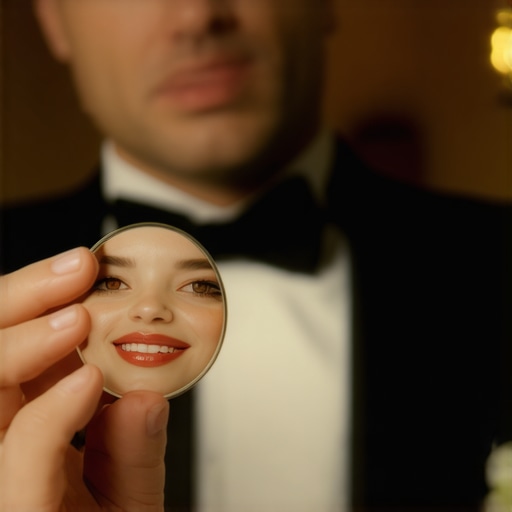
The photographer shouted “Everyone look at the bride!” and I stood there, lips pressed together in a grim line, trying not to let anyone see the jagged crater where my front tooth used to be. It happened during the cocktail hour. One over-zealous bite of a crostini, a sickening snap, and suddenly my tongue was exploring a sharp, unfamiliar edge. I was at my best friend’s wedding, and I felt like a jack-o-lantern. I’ve been there, and I know that cold wave of panic that washes over you when your smile literally breaks in public. Today, I’m going to share exactly how I navigated that reception without losing my mind, and more importantly, what you need to do the second you get home to save your oral health.
The First Ten Minutes of Dental Damage Control
Believe me, I made the ultimate rookie mistake: I tried to smooth the sharp edge with a nail file from my purse. Don’t do that. You risk cracking the enamel further or causing a painful zing when you drink iced coffee for the rest of the night. Instead, find some sugarless gum or even a bit of wax to cover the sharp bit. This is the best way to stop a chipped tooth from cutting your tongue while you’re trying to give a toast. It’s about survival, not a permanent fix. Have you ever had a dental malfunction at a big event? I’d love to hear how you handled it!
Can a tiny chip actually wait until Monday morning?
You might think it is just a cosmetic “oopsie,” but timing is everything. According to data from the American Dental Association, untreated fractures can lead to bacterial infections in the pulp, turning a simple bonding job into a root canal. If you are wondering how to manage a chipped front tooth until your appointment, the key is keeping the area clean and avoiding any more hard appetizers. I did not realize how much a small chip could compromise my family’s oral health until I was sitting in the dentist’s chair on Monday. We will dive into whether you need crowns or veneers later, but for now, let’s keep you smiling through the dinner and dancing.Once I got home from that wedding, my mission shifted from social survival to tooth stabilization. The moment you step through your front door, your priority is preventing infection. First, gently rinse your mouth with a warm saline solution. I swear by the salt water rinse trick for a sore mouth to keep bacteria at bay and soothe any raw gum tissue that might have been irritated by the sharp edges. While you are looking in the mirror, take a close look at the fracture site with a flashlight. You are checking for more than just the missing piece; look for tiny dark lines or discolorations. It is vital to know how to tell if a dark spot is a cavity or just a deep groove, because pre-existing decay often acts like a structural flaw in a bridge, making your tooth much more likely to snap under pressure. My brother once ignored a tiny fissure for months until it split during a steak dinner, proving that the hidden sign your old silver filling is finally failing is often a sudden, painful break rather than a slow ache.
Crowns or Veneers: Pick Your Protective Gear
Think of your damaged tooth like a historic building. If the facade is just scratched, you might get away with a veneer—a thin, porcelain shell that acts as a decorative shield for the front. But if the structural beams are compromised, you need a crown. A dental crown is like a high-tech hard hat that encases the entire tooth, providing 360-degree protection. This is often the superior choice when you want to transform your smile and boost oral health confidence because it prevents the tooth from splitting further under the heavy pressure of chewing. When weighing crowns vs veneers, your dentist will measure how much natural enamel is left to support the restoration. 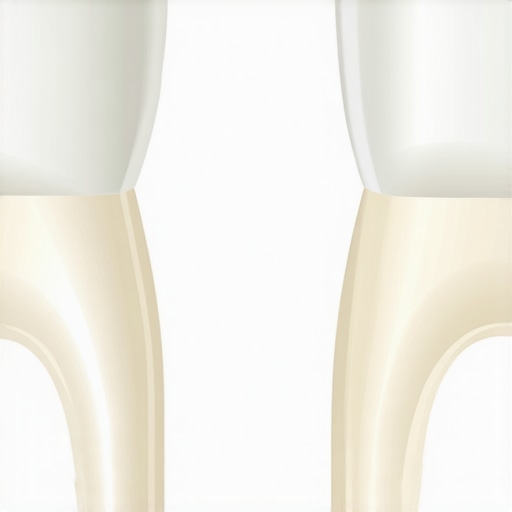
Why Aligning Your Teeth Stops Future Cracks
You might wonder why I am mentioning orthodontics after a break, but your bite alignment is your first line of defense against future emergencies. If your teeth are crowded or tilted, they strike each other at odd angles, creating stress points that are prone to chipping. This is exactly how Invisalign transforms family dentistry in 2025; it is not just about looking good in holiday photos, it is about long-term structural integrity. By straightening your smile, you ensure that the force of every bite is distributed evenly across all your teeth, rather than slamming into one unlucky incisor.
Immediate Actions for the Overnight Wait
If you have to wait until Monday morning, keep the area clean but do not over-brush the sensitive spot. Use a soft-bristled brush and avoid anything acidic like soda or citrus. I have seen people try to use household superglue—please, do not ever do that. It is toxic and makes the professional repair ten times harder for the dentist. Instead, follow the protocol for how to handle a chipped front tooth before your appointment by sticking to lukewarm liquids and avoiding the sharp zing of cold water on the exposed nerve.Most people treat dental restorations like a one-and-done repair, but here is a nuance most beginners miss: your bite is a dynamic, evolving system. If you get a crown and it feels even a fraction of a millimeter too high, do not “just get used to it.” That is a dangerous trap. When you ignore what to do when your crown feels taller than your other teeth, you risk causing ligament inflammation or even fracturing the new porcelain. According to a study published in the Journal of Oral Rehabilitation, even minor occlusal interference can trigger significant muscle tension and chronic jaw pain over time. Your mouth will not naturally “wear down” a modern zirconia crown to fit; instead, your jaw will shift in ways that cause long-term damage. Many patients think that family dentistry is just about fillings and cleanings, but the real magic is in the diagnostic prep work. In my experience, the best results do not come from the fastest appointments or the cheapest materials. This is how choosing the right crown expert saves you from the dreaded “metallic taste” or the unsightly grey gum line issues that plague older restoration techniques.
Does a 3D CBCT scan actually make a difference for your crown?
Absolutely. Modern family dentistry secrets involve looking at the bone and roots in three dimensions rather than flat X-rays. You should always ask why finding the best dentistry in Culpeper VA usually starts with a 3D CBCT scan, because it allows your dentist to see exactly how much structural support your jaw provides before they ever touch a drill.  Let’s talk about the Invisalign myth that most people still believe. Most assume it is just for teenagers who want straight teeth for prom or vanity. In reality, it is a critical preventative tool for adults. By correcting your alignment, you are essentially “bulletproofing” your teeth against the kind of catastrophic chips that happened to me at that wedding. These Invisalign myths debunked show that properly aligned teeth wear down significantly slower than crooked ones because the force of your bite is distributed anatomically. It is about more than a pretty smile; it is about keeping your natural teeth for a lifetime by following family dentistry trends that prioritize function over mere fashion. I’ve seen patients delay straightening their teeth for years, only to end up needing multiple crowns later because of uneven wear. It is much easier to invest in the hidden benefits of Invisalign for family dental care in 2025 than it is to rebuild a collapsed bite. Have you ever fallen into the trap of thinking a procedure was “just cosmetic” only to realize later it was vital for your health? Let me know in the comments! If you are ready to stop reactive dentistry and start being proactive, contact us today to discuss why crowns are a game-changer for your specific dental needs.Once the numbing wears off and your new crown is perfectly seated, you enter the most important phase: the long-term survival of your investment. I used to think that once a tooth was ‘capped,’ it was essentially made of steel. That is a dangerous misconception. A crown is a high-performance tool, and like any fine machine, it requires a specific maintenance protocol. Personally, I found that traditional string floss was constantly snagging on the margins of my new restoration, which led me to discover the trick to using a water flosser without making a total mess. The secret is to lean over the sink, keep your lips slightly parted, and let the water flow out naturally rather than trying to swallow it. This tool is a game-changer for irrigation around the gumline where bacteria love to hide.
Stop soaking your shirt with a water flosser
If you have a bridge or a crown, you cannot just ‘aim and fire.’ You need to master the specific way to floss under a fixed dental bridge by using a specialized threader or a high-quality water flosser set to a medium pressure. According to a 2023 technical report from the Journal of Prosthetic Dentistry, monolithic zirconia restorations like the ones used in modern crowns have a flexural strength exceeding 1,000 MPa. This means they are incredibly strong, but the natural tooth structure underneath is still vulnerable to decay. This is why choosing the right crown expert is so vital; the seal must be airtight to prevent microscopic leaks. 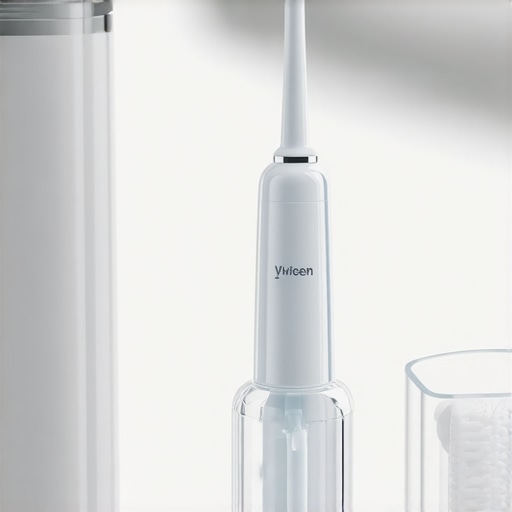
How do I maintain these dental investments over time?
Consistency is your best friend. For those of us using aligners to protect our bite, keeping the hardware clean is just as important as the teeth themselves. I’ve learned that the best way to travel with aligner cleaners in your carry-on is to use pre-measured tablets that don’t violate TSA liquid rules. If you are a caffeine addict like I am, you also need to know how to keep your smile white while drinking daily coffee. I recommend rinsing with plain water immediately after your latte to prevent stains from settling into the porous parts of your enamel or the edges of your veneers. If you have already made the jump to porcelain, knowing how to prevent your coffee habit from ruining your new veneers involves switching to a straw or a less acidic cold brew.
Look into the future of your own bathroom mirror
I predict that within the next five years, we will see the wide-scale adoption of AI-driven smartphone attachments that allow you to scan your own teeth at home. These tools will sync with your dentist’s office to flag early signs of crown margin failure or aligner tracking issues before they become painful. We are already seeing the beginning of this with Invisalign innovations and the future of family dentistry, where digital monitoring is becoming the gold standard. This proactive approach is the ultimate guide to crowns for a healthier smile because it catches problems while they are still ‘quick fixes’ rather than ’emergency weekends.’ If you want to stay ahead of the curve, I highly suggest you try the ‘low-and-slow’ pressure setting on your water flosser tonight—your gums will thank you in a decade. If you are worried about a specific spot in your mouth, contact us today to see why crowns are a game-changer in restorative dentistry and how they can protect your smile for the long haul.
The Reality Check Most People Miss About Dental Repairs
Looking back at that wedding disaster, I realized that my oral health wasn’t something I could ignore until an emergency struck. I learned that a tiny chip is rarely just a cosmetic issue; it is usually a structural warning sign that your bite is under too much stress. If I had known that my alignment was off, I might have opted for Invisalign years ago to prevent that tooth from being so vulnerable in the first place. Another major lightbulb moment was realizing that DIY fixes are a recipe for disaster. No amount of filing or household glue can replace the precision of a professional restoration. Finally, I discovered that the way you treat your teeth today determines how many of them you’ll have in twenty years. Using the ultimate guide to crowns for a healthier smile helped me see my repair as an investment rather than just a chore. #IMAGE_PLACEHOLDER_E#
The Gear That Actually Saved My Sanity and My Smile
Maintenance is where most people fail, but having the right tools makes it effortless. I personally swear by a high-quality water flosser. It’s the only way to reach the margins of a crown effectively, and once you master the trick to using a water flosser without making a total mess, you’ll never go back to string. For those who are always on the move, knowing the best way to travel with aligner cleaners in your carry-on is essential for keeping your breath fresh and your hardware clear of bacteria. I also keep a pack of sugarless gum handy at all times—not for the flavor, but because it’s a safer emergency cover for sharp edges than any home remedy. I trust these tools because they focus on prevention and ease of use, which are the two pillars of consistent care.
Don’t Wait for the Next Crack to Take Action
Whether you are dealing with a sudden break or just a nagging feeling that your bite is uneven, being proactive is the best gift you can give your future self. You don’t have to wait for a wedding day disaster to realize why crowns are a game-changer in restorative dentistry. Taking that first step toward a healthier, more aligned smile will boost your confidence and protect your structural integrity for decades to come. If you’re ready to stop worrying about every bite of a crostini, contact us to start your journey toward a stronger smile. Have you ever had a dental emergency happen at the worst possible moment? Let me know your story in the comments below!