
The reason your veneers look bulky compared to your natural teeth
I stood in the bathroom of my dentist’s office, clutching the marble countertop until my knuckles turned white. I had just spent weeks dreaming of this moment, but when I finally looked in the mirror, I didn’t see a movie star. I saw a horse. My new smile felt heavy, looked thick, and frankly, I felt like a cartoon character. It was devastating. I’d invested my savings into what I thought was a dream transformation, only to feel like I was wearing a plastic mouthguard. If you are sitting there right now, running your tongue over your teeth and wondering why your veneers might feel bulky, I want you to take a deep breath. You aren’t crazy, and you certainly aren’t stuck with “chiclet teeth” forever. Today, I’m going to peel back the curtain on why this happens—usually because of a mismatch between the tooth preparation and the porcelain thickness—and show you how we can get that sleek, natural look you actually paid for.
The Moment Your Smile Feels Like a Costume
When I first started my journey into cosmetic dentistry, I made the classic mistake of thinking “more is more.” I thought thicker porcelain meant stronger teeth. I was wrong. That extra bulk happens when the physical space for the veneer hasn’t been properly created. It’s like trying to put a new hardwood floor over an old one without stripping the boards; suddenly, the door won’t close. In your mouth, that “door” is your lip, and it starts to hang differently. This is often the root cause of why your smile looks different in selfies than it does in your head. Have you ever caught a glimpse of your profile in a window and felt like your teeth were leading the way? If so, tell me—did your dentist discuss the difference between “prep” and “no-prep” options with you before you started?
Is this expensive procedure actually worth the hype?
It is a fair question to ask when you’re staring at a reflection you don’t recognize. We see these perfect smiles on Instagram and assume it’s an easy process. But the truth is, a natural smile requires a surgeon’s precision and an artist’s eye. To get away from that ‘heavy’ feeling, we have to look at the physical space available in your mouth.
How Much Tooth Structure Needs to Go
To avoid the dreaded ‘chiclet’ look, your dentist must create a literal ‘seat’ for the porcelain. If they don’t remove a tiny fraction of your natural enamel—usually between 0.3mm and 0.7mm—the veneer sits on top of the tooth rather than becoming a part of it. This is exactly why your veneers might feel bulky when you first leave the chair. I remember a patient who came to me after a ‘no-prep’ procedure elsewhere; her teeth were technically perfect, but they stuck out so far her upper lip couldn’t rest naturally. We had to gently resurface the enamel and start over with ultra-thin feldspathic porcelain. It’s like tailoring a suit; if you don’t take the measurements right, it’s always going to look like it’s wearing you instead of the other way around.
Why Your Bite Dictates the Porcelain Thickness
The way your top and bottom teeth meet—your occlusion—is the ultimate architect of your smile. If you have a deep bite or a history of grinding, your dentist might be forced to make the porcelain thicker to prevent it from snapping under pressure. This often leads to situations where your crown feels taller than your other teeth. If you feel that ‘height’ or ‘bulk,’ it’s often because the laboratory was trying to prioritize durability over aesthetics. A skilled technician can find the middle ground, but it requires a very specific type of communication between the chair and the lab.
Choosing the Right Restorative Strategy
Sometimes a veneer simply isn’t the right tool for the job. If your natural tooth is already heavily filled or structurally compromised, a veneer might not have enough surface area to bond securely. In these cases, you need to compare crowns vs veneers to see which provides the best long-term outcome. A crown wraps around the entire tooth, which can actually allow for a more streamlined profile if the tooth is severely misaligned or rotated.
Finding a Specialist Who Values Subtlety
Don’t just go to the first person with a ‘cosmetic’ tag on their website. You need to be choosing the right crown expert or veneer specialist who understands facial harmony. Ask to see their ‘before and after’ photos specifically looking at the profile view. If the teeth look like they are ‘jumping out’ of the mouth in the side-on shot, that’s a red flag. A great dentist treats the tooth like a canvas, ensuring the transition from the gum line to the porcelain is seamless. Without this, you might find that your new dental bridge feels like its trapping food or your gums become chronically inflamed because the margin is too thick.
I often hear patients say they want the thinnest veneers possible to save their enamel. While I love the sentiment, this is where most people get trapped in the ‘over-contoured’ nightmare. There is a common belief that the most conservative approach—meaning the one that removes the least tooth structure—always leads to the best result. In my experience, the opposite is often true. If you don’t create enough space for the material, you force the lab technician to build ‘out,’ resulting in that shelf-like lip transition that makes you look like you’re wearing a mouthguard. It’s a delicate balance; you have to remove enough to look natural, but not so much that you compromise the tooth’s core.
The Big Myth About Conservative Dentistry
Everyone says that ‘no-prep’ is the gold standard for oral health, but let’s look at the nuance. When you add porcelain on top of an un-prepped tooth, you create a ledge at the gum line. This ledge is a magnet for plaque. According to a study published in the Journal of Clinical Periodontology, over-contoured restorations are a primary driver of localized gingivitis because they disrupt the natural ‘self-cleaning’ mechanism of the mouth. If you’re deciding between crowns vs veneers, remember that a well-placed crown with a seamless margin is often healthier for your gums than a bulky, poorly fitted veneer that was ‘conservative’ on the enamel but aggressive on the soft tissue.
Have you ever fallen into the trap of choosing the fastest or ‘least invasive’ option only to regret the aesthetic outcome? Let me know in the comments. I’ve seen so many patients come in for ‘redo’ work because they were sold on a process rather than a result.
Why does my bite feel perfect at noon but ‘too tall’ when I wake up?
This is one of the most sophisticated questions I get from patients. If you’ve noticed the specific reason your crown feels tall when you wake up, it usually isn’t the porcelain—it’s your ligaments. Overnight, if you grind even slightly, the periodontal ligament (the ‘shock absorber’ around your tooth) can become slightly inflamed, physically pushing the tooth up a fraction of a millimeter. When you bite down first thing in the morning, that crown is the first thing that hits. This is why choosing the right crown expert is vital; they don’t just check your bite while you’re sitting upright in a chair; they account for how your jaw moves in three dimensions during sleep.
Stop Ignoring the Translucency Trap
The ‘oops’ factor usually comes down to the incisal edge—the biting part of the tooth. Real teeth have a degree of translucency; light passes through them. Many high-production dental labs use a monolithic block of porcelain that is the same color from top to bottom. This creates a flat, ‘denture-like’ appearance. If your new smile looks like a row of white piano keys, it’s because the lab didn’t layer the porcelain to mimic the natural gradations of dentin and enamel. This is also a major factor in invisalign myths debunked regarding how we plan for the final look of your teeth once they are straight. Straightening is only half the battle; the light-play on the surface of the tooth is what makes it look ‘real.’ To avoid this, always ask your dentist if they use ‘layered’ or ‘multi-chromatic’ porcelain before you commit to the final seat.
Once the final cement has set and you’ve admired your reflection, the real work of preservation begins. I’ve seen patients invest thousands into a dream smile only to treat it like their old, resilient natural enamel. Porcelain is strong, but the margins—where the tooth meets the restoration—are delicate. I personally swear by the Philips Sonicare ProtectiveClean 6100 because of its built-in pressure sensor. If you press too hard, the handle pulses, preventing you from scrubbing away the gum tissue that covers the edge of your veneer or crown. This is one of the most vital top oral health tips for your family’s bright smiles that I can offer: stop treating your dental work like you’re scrubbing a grout line.
The specialized kit that keeps your porcelain from popping off
To keep that ‘seamless’ feel we worked so hard for, you need to rethink your flossing. Traditional string floss is great, but if you have a bridge or a series of joined veneers, you must use a water flosser. I use a Waterpik with the Plaque Seeker tip specifically designed for restorative work. It flushes out the microscopic debris that a brush simply cannot reach, especially in those tight spaces where you might worry why your new dental bridge feels like its trapping food. 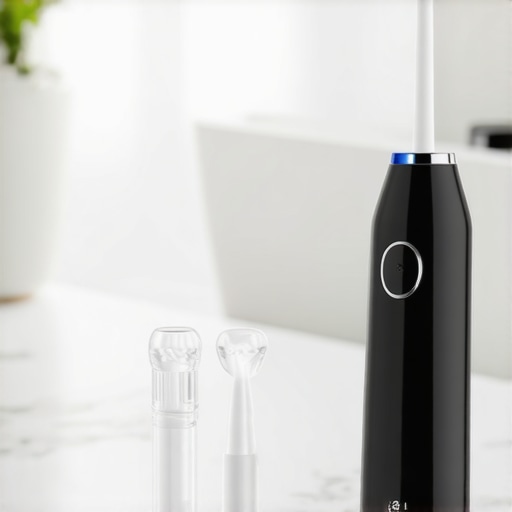
How do I maintain my restorative work for the next twenty years?
The secret isn’t just cleaning; it’s protection. If you’ve spent any time researching the ultimate guide to crowns for a healthier smile, you know that the biggest threat is nocturnal grinding. According to a 2021 study in the Journal of Prosthetic Dentistry, lithium disilicate restorations have a 94.8% survival rate over a decade, but that number drops significantly in patients with untreated bruxism. You need a custom-fit night guard. And when you clean that guard, make sure you’re using the best way to clean your retainers without using harsh chemicals to avoid degrading the material.
Why AI is about to change how we fit crowns forever
Looking ahead, the ‘bulky’ feeling we discussed earlier will soon be a relic of the past. We are entering the era of AI-integrated digital workflows. Current invisalign innovations and the future of family dentistry are already using machine learning to predict tooth movement within a fraction of a millimeter. Within five years, I predict we will see real-time 3D printing in the chair that uses AI to match the translucency and thickness of your surrounding teeth perfectly, eliminating the need for ‘temporary’ versions that often feel like plastic blocks. This is a massive leap in family dentistry trends improving oral health for all ages. To keep your current work looking its best, I recommend you swap your abrasive whitening toothpaste for a non-abrasive gel immediately. High-RDA (Relative Dentin Abrasivity) pastes can create micro-scratches on porcelain over time, dulling the finish you paid so much to achieve. Try making the switch tonight and feel the difference in the ‘slip’ of your teeth by morning.
The Truth About Why Porcelain Sometimes Fails the Mirror Test
Reflecting on my own dental transformation, I’ve realized that the ‘perfect’ smile isn’t about blinding white symmetry; it’s about harmony. First, I learned that translucency is far more important than the actual shade of the porcelain. If a veneer is too opaque, it will always look like a sticker on your tooth. Second, the conversation you have with your dentist about choosing the right crown expert is the most important step of the entire process. If they can’t explain how they manage the emergence profile—the way the tooth grows out of the gum—you might end up with that ‘heavy’ feeling. Finally, remember that your gums are the frame for the artwork; if the margins are too thick, you’ll likely deal with the hidden reason your gums bleed even if you floss daily.
#IMAGE_PLACEHOLDER_E#
How I Keep My Restorations Looking Brand New
Maintaining high-end dental work requires a shift in mindset. I personally rely on the Philips Sonicare ProtectiveClean 6100 because its pressure sensor prevents me from being too aggressive with my porcelain margins. To keep the gaps clean, especially if you’re worried about why your new dental bridge feels like its trapping food, I swear by a Waterpik used on a medium setting. For those of us who grind our teeth at night, a custom-molded night guard is non-negotiable. It’s also vital to use the best way to clean your retainers without using harsh chemicals to ensure your protective gear doesn’t harbor bacteria or degrade over time.
Take Control of Your Aesthetic Journey
You deserve a smile that makes you feel confident, not self-conscious. If you are currently struggling with why your veneers might feel bulky, know that there are corrective paths involving ultra-thin layering and precision resurfacing. Modern family dentistry trends improving oral health for all ages are making it easier than ever to achieve a look that is both durable and indistinguishable from natural enamel. Don’t be afraid to ask for a revision; your comfort is the ultimate measure of success. Have you ever felt like your dental work didn’t quite match the vision in your head? Let me know your story in the comments below!