
How to clean the ‘gunk’ out of your Invisalign aligners
I woke up last Tuesday, and the first thing I noticed wasn’t the morning sun—it was the funky, stale taste in my mouth. I popped out my aligners and stared at them under the bathroom light. They were covered in a thick, cloudy film that looked like I’d been chewing on school glue. It was embarrassing, it was gross, and honestly, it made me want to leave them in the case for the rest of the day. If you’ve ever caught a whiff of your trays and wondered [why your breath smells like vinegar](https://familydentistpro.com/why-your-breath-smells-like-vinegar-and-what-it-means), let me tell you: you aren’t alone. We’ve all been there, staring at that stubborn white residue that just won’t budge. Today, I’m going to show you exactly how to blast through that biofilm so your trays stay as invisible as they’re supposed to be. Have you ever found a weird ‘white spot’ on your tray that just wouldn’t brush away no matter how hard you tried?
Stop Treating Your Aligners Like Plastic Food Containers
When I first started my journey, I made the classic rookie mistake. I thought I could just toss my trays in some boiling water to ‘sanitize’ them. I ended up with a warped, useless piece of plastic and a very expensive lesson. I’ve since learned [how to keep your breath fresh while wearing Invisalign trays all day](https://familydentistpro.com/how-to-keep-your-breath-fresh-while-wearing-invisalign-trays-all-day) without destroying the material. The ‘gunk’ we see is actually a mix of dried saliva proteins and plaque. According to the American Association of Orthodontists, aligners can act as a trap for bacteria if they aren’t cleaned frequently, which can lead to decay or even gum issues. You need to know [the best way to clean your retainers without using harsh chemicals](https://familydentistpro.com/the-best-way-to-clean-your-retainers-without-using-harsh-chemicals) because whatever you put on that plastic is going right against your gums for 22 hours a day. There are plenty of [Invisalign myths debunked](https://familydentistpro.com/invisalign-myths-debunked-what-you-need-to-know-today) about what you can and can’t use, but the reality is that simple, consistent habits beat fancy gadgets every time.
Is all this extra scrubbing actually worth the effort?
You might be thinking that a quick rinse under the tap is enough, especially when you’re in a rush. I used to think that too, until I realized my ‘clear’ aligners were starting to look yellow against my teeth. That gunk isn’t just a cosmetic problem; it’s a bacterial playground. If you don’t stay on top of it, you’re essentially marinating your teeth in sugar and acid all day long. Getting the gunk out doesn’t have to be a chore, but it does require the right strategy to avoid scratching the surface and making it even easier for stains to stick later.
Rinse them immediately or regret it later
The moment those trays leave your mouth, the clock is ticking. Saliva contains enzymes designed to break down food, but when it dries on plastic, it turns into a hard, crusty layer that is nearly impossible to remove. Think of your aligners like a dirty dinner plate; if you let the sauce dry, you are going to be scrubbing for an hour. Every time I pop mine out—whether I am at a five-star restaurant or grabbing a quick snack at my desk—I head straight for the sink. Even if I cannot do a full clean, a thorough rinse with lukewarm water prevents the biofilm from setting. This simple habit is one of the top oral health tips for your familys bright smiles because it prevents the ‘cloudy’ look that ruins the whole ‘invisible’ vibe.
Why lukewarm water is your only safe bet
Never, and I mean never, use hot water. I learned this the hard way during a weekend trip to the mountains. I thought a quick dip in near-boiling water would ‘deep clean’ the bacteria away. Instead, I watched in horror as my tray warped into a shape that looked more like a melted credit card than a dental medical device. Your aligners are made of a medical-grade thermoplastic that is precisely engineered to move your teeth. Heat ruins that precision. Stick to room temperature or slightly warm water to keep the plastic stable and the fit perfect.
Ditch the toothpaste for a gentler approach
It seems logical to use toothpaste on aligners, right? It cleans your teeth, so it should clean the plastic. Wrong. Most toothpastes contain abrasive agents like silica to scrub away stains from enamel. While your enamel is the hardest substance in your body, the plastic of your aligner is relatively soft. Last summer, I used a whitening toothpaste on my trays for a week, and they ended up looking like they had been sanded down. The abrasives create microscopic scratches that actually trap more bacteria and make the trays look dull. Instead, use a clear, mild liquid soap or a dedicated aligner cleaner. It is the best way to clean your retainers without using harsh chemicals that might irritate your mouth or damage the material.
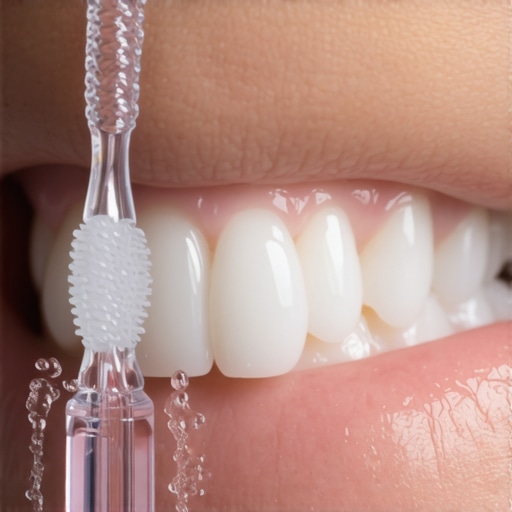
If you have noticed why your teeth feel fuzzy even after you just brushed them thoroughly, it might be because your trays are transferring plaque back onto your teeth. Use a soft-bristled toothbrush—one separate from the one you use for your actual teeth—and gently brush the inside and outside of the trays. This mechanical action breaks up the physical debris without leaving those nasty scratches I mentioned earlier.
Keeping things clear even if you love your caffeine
We all have our vices. For me, it is a mid-morning Earl Grey. I used to think I could sneak a few sips with my trays in, but the staining was instantaneous. If you struggle with this, you need to know how to keep your aligners clear while drinking tea or coffee. The trick isn’t just taking them out; it is the ‘buffer’ rinse. Drink your coffee, rinse your mouth with water to reset the pH, and then put your cleaned trays back in. This is the secret to avoiding coffee stains on your clear aligners and keeping that professional look throughout the day.
The nightly soak that dissolves the invisible gunk
Brushing and rinsing are great for the surface, but a soak is the only way to reach the deep-seated bacteria. I make it a habit to soak my trays while I am eating dinner. It is the perfect 30-minute window to let a cleaning tablet do the heavy lifting. This deep-cleaning phase ensures that you are not just moving bacteria around but actually neutralizing it. It is a small step that makes a massive difference in how your breath smells by the end of the week.
Most people assume that if a cleaner is strong enough to kill bathroom mold, it is perfect for their mouth hardware. I have seen people use everything from diluted bleach to heavy-duty mouthwash containing high concentrations of alcohol. Here is the contrarian truth: over-sanitizing is often worse than under-cleaning. When you use harsh chemicals, you are not just killing bacteria; you are potentially ‘etching’ the medical-grade plastic. This creates microscopic pits that act like tiny caves for new bacteria to hide in, which is one of those Invisalign myths debunked that most influencers will not tell you. The real ‘oops’ factor comes when you realize that these etched surfaces make your trays look cloudy faster and can even irritate your soft tissues. According to a study published in the American Journal of Orthodontics and Dentofacial Orthopedics (AJODO), certain effervescent cleaners can actually alter the surface topography and mechanical properties of the aligner material if used too frequently. This means your ‘invisible’ trays become visible because you tried too hard to keep them sterile. It is a classic case of more not being better.
Can chemical cleaners actually make your aligners more prone to staining?
Yes, absolutely. If you notice your trays turning yellow despite constant soaking, you might be stripping the smooth finish off the plastic, making it more absorbent to food dyes. This is similar to family dentistry secrets maintaining oral health with modern techniques where we learn that gentle, non-abrasive care is king. You should also be extra careful if you have other restorative work in your mouth. For instance, if you are currently managing a temporary or new restoration, you might find why your gums feel sore after getting a new dental crown is actually related to the harsh chemical residues you are introducing to your mouth environment through your trays. It is not just about the aligners, though. Many of my readers ask about the intersection of aligner hygiene and gum health. I have noticed that people who over-scrub their trays with stiff brushes often over-scrub their gum line too, which is the reason your gums are receding despite good brushing habits. You have to balance the mechanical cleaning of the plastic with the delicate nature of your periodontal tissue. If you ever find that how to stop your new crown from feeling too high when you chew is a concern, remember that the fit of your aligner can also be subtly affected by how you treat the plastic. If you warp the tray even slightly with chemical cleaners, it can change how your bite feels. Have you ever fallen into the ‘stronger is better’ trap with your cleaning routine? Let me know in the comments.
Why a dedicated travel kit saves your social life
If there is one thing I’ve learned after months of treatment, it’s that being caught without your cleaning supplies is a recipe for disaster. I keep a ‘go-bag’ in my glove box and my desk drawer. It’s not just about having a toothbrush; it’s about having the right accessories that make the process seamless. I personally swear by a slim, ventilated case and a pack of movemints or aligner chewies. These aren’t just for comfort; they ensure the tray is fully seated against your teeth, which is critical for the tooth movement to actually happen. When I’m on the move, I always reference the guide on [the best way to travel with aligner cleaners in your carry-on](https://familydentistpro.com/the-best-way-to-travel-with-aligner-cleaners-in-your-carry-on) because TSA-friendly tablets are much better than trying to lug around a bottle of liquid soap. Staying prepared keeps you from making the ‘lazy’ choice of just putting dirty trays back in your mouth after a meal.
How do I keep my smile straight for the next ten years?
The biggest shock for most people is that the journey doesn’t end when the last tray is tossed. Maintenance is a lifelong commitment. Transitioning to a nightly retainer is the only way to prevent ‘orthodontic relapse,’ where your teeth slowly drift back to their original positions. I’ve seen friends go through the entire [invisalign vs braces which solution fits your lifestyle](https://familydentistpro.com/invisalign-vs-braces-which-solution-fits-your-lifestyle) debate twice because they didn’t take the retention phase seriously. This is where [the hidden benefits of invisalign for family dental care in 2025-at-903-am](https://familydentistpro.com/the-hidden-benefits-of-invisalign-for-family-dental-care-in-2025-at-903-am) really shine—modern retainers are far more comfortable and durable than the old wire ones our parents wore.
Why your smartphone will soon be your dentist’s eyes
The future of oral health is looking incredibly high-tech. We are already seeing a massive shift toward remote monitoring. I’ve started using an AI-powered app that allows me to scan my teeth once a week and send the photos directly to my doctor. This means fewer office visits and faster adjustments. According to a report by DentalMonitoring, using AI for clinical assessments can reduce the number of physical appointments by up to 30% while actually increasing the precision of the treatment. This is one of the most exciting [family dentistry trends improving oral health for all ages](https://familydentistpro.com/family-dentistry-trends-improving-oral-health-for-all-ages) because it makes high-end dental care accessible even for the busiest families.
Don’t let your retainer become a petri dish
Even if you are finished with your trays, you still have to master the cleaning routine. I’ve upgraded my home setup to an ultrasonic cleaner. It’s a small pod that uses high-frequency sound waves to blast away the gunk that a toothbrush simply can’t reach. It’s the same technology used by jewelers, and it makes my trays look brand new every single morning. I strongly recommend trying an ultrasonic soak at least once a week; the difference in clarity is staggering. Whether you are managing your own smile or learning [how-to-tell-if-your-child-is-ready-for-their-first-dental-cleaning](https://familydentistpro.com/how-to-tell-if-your-child-is-ready-for-their-first-dental-cleaning), consistency with these professional-grade tools is what separates a decent result from a perfect one. My final piece of advice? Don’t wait until your trays are yellow to start these habits—start tonight.
The Hardest Lessons I Learned After Wasting Three Sets of Trays
Reflecting on my journey, I realize that the most frustrating moments were completely avoidable. First, I learned that consistency beats intensity every single time. Scouring your trays once a week with a heavy hand does more damage than a gentle daily rinse. Second, I discovered that the smell is often a sign of dehydration—when your mouth is dry, the bacteria cling to the plastic like magnets. Finally, I found that how Invisalign transforms family dentistry in 2025 is less about the plastic itself and more about the digital precision of the fit; if you don’t clean the attachments on your teeth, the tray won’t seat properly anyway.
My Essential Toolkit for a Crystal Clear Smile
I don’t just rely on luck; I have a specific rotation of tools that keep my breath fresh and my trays invisible. I highly recommend an Ultrasonic Cleaner—it uses sound waves to reach microscopic crevices you can’t see. For on-the-go maintenance, I trust Retainer Brite tablets because they are formulated to be non-abrasive. Lastly, I keep the PUL Aligner Tool in my pocket so I am not digging into my mouth with dirty fingernails. These items are the backbone of family dentistry secrets maintaining oral health with modern techniques that keep the whole process hygienic and stress-free.
#IMAGE_PLACEHOLDER_E#
Your Journey Toward a Perfectly Clear Finish
The commitment you make today ensures that your smile looks as good in person as it does in your digital treatment plan. As we look at Invisalign innovations the future of family dentistry revealed at 1137 am, it is clear that patient habits remain the most important factor in a successful outcome. Don’t let a little bit of plaque stand in the way of your confidence. Keep those trays clean, stay hydrated, and follow these top oral health tips for your familys bright smiles to cross the finish line with a smile you are proud to show off. If you have questions about your specific treatment plan, feel free to contact us anytime.
Have you ever had a “dental emergency” where your trays turned a weird color after a meal? Let me know in the comments below!