
The trick to stopping a wisdom tooth from hurting on vacation

I was sitting in a tiny, sun-drenched bistro in the heart of Mexico, staring down a plate of the most fragrant al pastor tacos I had ever seen. My stomach was growling. My heart was full. But my jaw? My jaw was absolutely screaming. That familiar, dull throb of a wisdom tooth deciding to make its presence known had suddenly shifted into a sharp, localized fire. I couldn’t even open my mouth wide enough to fit a tortilla. It was a nightmare. I had spent months planning this trip, yet here I was, more interested in finding an ice pack than a Margarita. It was a visceral lesson in how quickly oral health can dictate your happiness. I realized then that I’d made a classic mistake: I ignored a slight twinge weeks before my flight because I didn’t want to deal with a dentist appointment while packing. That mistake almost cost me my entire vacation. If you are reading this while holding your face in a hotel room, don’t panic. I have been exactly where you are, and there is a way to get your trip back on track.
That Time My Dream Vacation Turned Into a Dental Survival Mission
When you’re miles from home, you don’t need a lecture on why you should have had those molars pulled months ago; you need a solution that works right now. I remember frantically searching for anything that would dull the ache enough to let me sleep. Wisdom tooth pain is unique because it’s not just a toothache; it’s pressure, it’s inflammation, and often, it’s a bit of localized infection that makes your whole face feel heavy. To survive, you have to tackle the swelling first. I found that managing a toothache when you are flying or traveling requires a specific kit of salt, warm water, and strategic anti-inflammatories. My first big win came from a simple, high-concentration salt water rinse. It sounds basic, almost too simple to work, but it’s the most effective way to flush out the debris trapped under the gum flap, which is usually the real culprit behind the agony. I also learned the hard way that you have to be careful about how to stop a toothache from ruining your sleep by keeping your head elevated; lying flat makes the blood rush to your head and turns that throb into a jackhammer.
Will salt water and ibuprofen really get me through a week in paradise?
I know what you’re thinking because I thought it too: ‘There is no way a kitchen staple and an over-the-counter pill can stop this level of pain.’ It feels like you need a surgeon, not a snack. However, most vacation-based wisdom tooth flare-ups are cases of pericoronitis—inflammation of the tissue surrounding the tooth. According to the American Association of Oral and Maxillofacial Surgeons, about 85% of wisdom teeth will eventually need to be removed because they simply don’t have the space to emerge properly without causing these types of issues. By aggressively cleaning the area and using cold compresses on the outside of your cheek, you can usually calm the nerve long enough to enjoy your dinner. You aren’t fixing the tooth—you’re managing the crisis. I eventually managed to eat those tacos, though I had to chew very carefully on the other side. Have you ever had a sudden dental emergency try to hijack your travel plans? It’s a specialized kind of stress that requires a calm head and a few neighborly tricks. Let’s dive into the step-by-step protocol I used to bridge the gap between that painful afternoon and my flight back to reality, ensuring my family oral health stayed a priority even in a foreign country. Using modern oral health techniques can make all the difference when you are far from your regular clinic.
Flush the Infection Trap with Saline
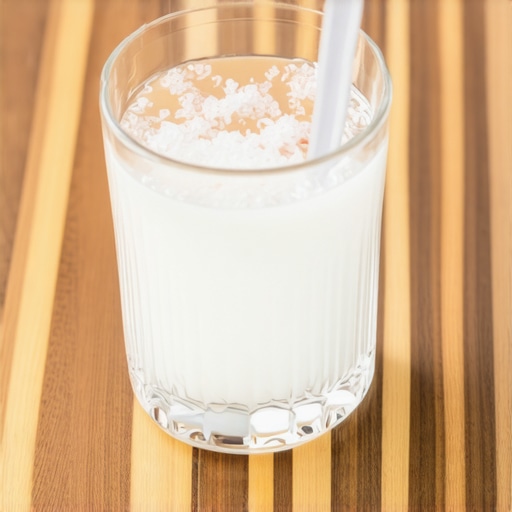
The first thing you must do is clear the debris. Think of the gum flap over an emerging wisdom tooth like a pocket that catches microscopic crumbs. If you don’t clear it, bacteria throw a party that leads to pericoronitis. In that Mexican bistro, I realized I couldn’t just brush the pain away; I needed to irrigate. I used a high-concentration saline solution—two teaspoons of salt in a glass of warm water. I swished vigorously for a full minute, focusing on the back of my jaw. It felt like a low-tech version of modern oral health techniques, but the osmotic pressure of the salt actually helps draw out fluid from the inflamed gums. I once spent forty minutes in a dusty bus station doing this every ten minutes; it was messy and awkward, but by the time I boarded the bus, the sharp ‘fire’ had retreated to a dull, manageable ache. If you have a travel syringe, use it to gently squirt the water directly under the gum line.
Cold Compresses Stop the Heat
Once the area is clean, you have to tackle the internal fire. When I was stuck in that hotel room, I didn’t have an ice pack, so I bought a bag of frozen peas from a local bodega and wrapped it in a thin t-shirt. The key is the ’20-on, 20-off’ rule. Direct cold causes vasoconstriction, which slows down the blood flow to the area and numbs the nerve endings. It is a similar logic to how to soothe a burn on your gums, where the goal is to stabilize the tissue temperature. Don’t put ice directly on the skin, or you’ll end up with a freezer burn to match your toothache. I remember sitting on the balcony, watching the sunset with a bag of peas strapped to my face with a scarf—it wasn’t glamorous, but it worked.
Stay Upright to Beat the Pressure
One of the biggest mistakes travelers make is trying to ‘sleep it off’ by lying flat. When you lie down, blood pressure increases in your head, which turns that dull throb into a rhythmic jackhammer. I learned this the hard way during a red-eye flight. I spent the first three hours reclining and miserable until I remembered the move to stop a toothache from ruining your sleep involves elevation. Stack every pillow you can find. You want your head significantly above your heart. This simple change in physics prevents the localized swelling from becoming unbearable overnight. If you are traveling with kids, remember that why your child’s gums look swollen during molar eruption often follows the same pattern—elevation and cold are your best friends.
Switch to a Soft Food Protocol
Finally, stop the mechanical trauma. Every time you chew something hard, you are essentially slamming a hammer onto an open wound. I had to abandon those crispy tacos for a few days and lived on yogurt, lukewarm soup, and mashed avocados. Even if you’re worried about how to tell if a sudden toothache is a sinus infection, reducing the physical stress on your jaw is vital. If the pain is localized to the very back, avoid anything with seeds or small grains that can get stuck in the ‘danger zone’ you just cleaned. It’s about creating a buffer zone so the body can start the healing process without being interrupted by a stray corn chip.
Once the immediate fire of a wisdom tooth emergency is extinguished, it’s easy to slip back into complacency. But here’s the truth: survival is only the first step. To truly protect your smile while traveling or at home, you need to understand the nuances of restorative care that most people overlook. For instance, I’ve met so many travelers who think a dental crown is a permanent ‘shield’ that makes a tooth invincible. This is a dangerous myth. In reality, the way a crown is designed and fitted is everything. If you aren’t careful about choosing the right crown, you might be ignoring a ticking time bomb under your gumline. 
Stop ignoring that ‘slightly off’ bite
One of the most common ‘traps’ I see is the high crown. You get a new restoration, and it feels just a fraction of a millimeter taller than your other teeth. Your brain says ‘I’ll get used to it,’ but your jaw ligament says otherwise. If you don’t learn how to stop your new crown from feeling too high, that constant micro-trauma can actually cause the nerve to die. It’s a mechanical error that leads to a biological disaster. I always tell my friends: if your bite feels weird for more than 48 hours, go back to the chair. Don’t let a simple adjustment turn into a root canal.
Does my crown material actually matter for longevity?
It absolutely does. While many assume all crowns are created equal, a study published in the Journal of Prosthetic Dentistry highlights that zirconia-based restorations offer superior fracture resistance and survival rates in the posterior region compared to traditional porcelain-fused-to-metal options. This is the kind of detail that separates basic care from expert-level health management.
Aligners are for health, not just vanity
Another nuance that people get wrong involves Invisalign. Most see it as a way to fix a ‘crooked smile’ for photos. But as someone who obsesses over long-term outcomes, I see it as a hygiene tool. When you look at Invisalign myths debunked, you find that straightening teeth is primarily about accessibility. If you have crowded teeth, the reason your gums are receding despite good brushing habits is often that you physically cannot clean the tight spaces where teeth overlap. By using the hidden benefits of Invisalign to properly align your bite, you are essentially making your mouth ‘cleanable’ again. It’s a foundational piece of modern oral health techniques that prevents bone loss decades down the line. Have you ever fallen into the trap of thinking a dental procedure was ‘just for looks’ only to find out it was essential? Let me know in the comments.
Give your mouth the pro-level tools it deserves
I’ve learned that the standard toothbrush and floss combo is just the entry fee; it’s not the winning strategy. To keep your restorations and alignment intact, you need to think like a specialist. Personally, I don’t go anywhere without my cordless water flosser. It is the only way to effectively clear the residue from your trays or reach the tiny gaps under a dental bridge. If you have ever felt that frustrating ‘tight’ sensation, it’s usually because of microscopic plaque buildup that a standard string cannot touch. I also swear by using an ultrasonic cleaner for my night guards and aligners. These devices use high-frequency sound waves to create cavitation bubbles that blast away bacteria at a molecular level—something your manual scrubbing can never achieve. When you look at how to keep your breath fresh while wearing Invisalign, these mechanical tools are the real secret, far more effective than just rinsing with mouthwash.
How can I ensure my dental work lasts for decades?
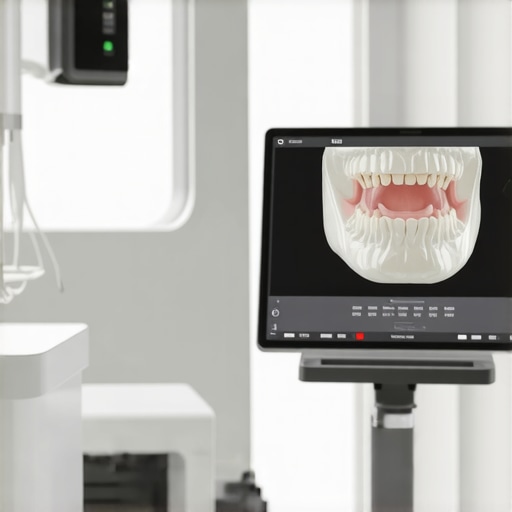
Maintenance is a game of precision, not just effort. Dr. Gordon Christensen, a leading authority in restorative dentistry and founder of Practical Clinical Courses, has famously stated that the survival of a dental restoration depends heavily on the ‘marginal seal’ and the patient’s ability to maintain it. This means that if you aren’t meticulous about the gum line where your tooth meets your crown, you’re inviting decay to start in the one place your dentist can’t easily see. This is why precise 3D CBCT scans are becoming the gold standard. They allow your provider to see the fit of your crown or the health of your bone in three dimensions, catching issues before they require a total replacement. If you are currently choosing the right crown, ask your dentist about their digital workflow. A digital scan is often more accurate than those old-school ‘goop’ impressions, leading to a better fit that naturally lasts longer.
Future smiles will be managed by AI and 3D data
I predict that within the next five years, we will see AI-integrated software becoming a staple in our bathrooms. We are already seeing the beginnings of this with smart toothbrushes that map your mouth, but the next step is real-time diagnostic imaging. Imagine a small camera tool that syncs with your phone to alert you to early signs of gum recession or enamel wear before you ever feel pain. These latest family dentistry trends are shifting the focus from ‘drilling and filling’ to true preventative monitoring. Even the way we approach alignment is evolving; how Invisalign transforms family dentistry in 2025 is all about using predictive algorithms to move teeth more efficiently and with less discomfort than ever before. This data-driven approach takes the guesswork out of oral health, ensuring that your results are predictable and sustainable for the long haul.
Stop the gunk before it stops your progress
If you want to scale your oral health results, you have to automate your habits. My top advanced tip? Switch to an electric toothbrush with a pressure sensor immediately. Most people brush too hard, which is the reason your gums are receding despite good brushing habits. The sensor will force you to let the bristles do the work, preserving your enamel and protecting the margins of your dental work. Combine this with a consistent 2-minute oral hygiene habit every single night—no exceptions. Consistency is the only thing that prevents a minor flare-up from becoming a major surgery. Don’t wait for a toothache to start taking your equipment seriously; invest in an ultrasonic cleaner today to keep your aligners and retainers hospital-grade clean. Your future self (and your wallet) will thank you for being proactive rather than reactive.
Lessons My Jaw Taught Me Thousands of Miles from Home
Reflecting on that afternoon in Mexico, I realized that my wisdom tooth flare-up wasn’t a random stroke of bad luck; it was the result of small warnings I had chosen to ignore while packing. First, I learned that a ‘twinge’ is actually a siren. If a tooth feels slightly off, it’s likely a sign of underlying inflammation that the pressure of a flight will only exacerbate. Second, I realized that modern restorations are worth the investment. When you study the ultimate guide to crowns, you see that a well-fitted restoration acts as a barrier against the very bacteria that caused my misery. Finally, I discovered that alignment is a health priority, not just a cosmetic one. Looking into Invisalign innovations helped me see that straightening your bite is the best way to eliminate the ‘infection pockets’ where wisdom tooth pain often starts.
The Dental Survival Gear I Never Leave Home Without
I’ve since upgraded my travel kit to be a miniature dental clinic. I never board a plane without a cordless water flosser; it is the most effective way to ensure that why your new dental bridge feels like its trapping food doesn’t turn into a full-blown infection while you’re abroad. I also recommend carrying a small, airtight container of sea salt for emergency rinses and a dedicated travel-sized ultrasonic cleaner if you wear aligners. Understanding why crowns are a game changer in restorative dentistry has taught me that the tools we use to maintain our dental work are just as important as the procedures themselves. These few items take up minimal space but offer maximum peace of mind.
Take Control of Your Oral Health Journey Today
Your smile should be a source of confidence, not a wildcard that dictates the success of your vacation. By applying family dentistry secrets and prioritizing preventative maintenance, you can ensure that your next trip is focused on the scenery rather than the nearest dental clinic. Don’t wait for a throbbing jaw to remind you of your health priorities. Whether it is scheduling that long-overdue check-up or finally investing in a better home-care routine, your future self will thank you for being proactive. Have you ever had a dental emergency try to hijack your travel plans? Let me know your survival stories in the comments below!