
How to tell if a sudden toothache is actually a sinus infection
I’ll never forget the Tuesday night I sat on my bathroom floor, clutching an ice pack to my jaw and convinced that my back molar was about to stage a full-scale revolt. Every time my heart beat, my tooth throbbed in perfect, agonizing rhythm. I was already mentally calculating the cost of an emergency root canal and wondering if I’d have to cancel my weekend plans. I even started looking up the move to stop a toothache from ruining your sleep just to survive the night. But here’s the kicker: when I finally saw my dentist the next morning, he didn’t reach for the drill. He handed me a tissue and told me to blow my nose.
The Night My Molar Tried to Ruin Everything
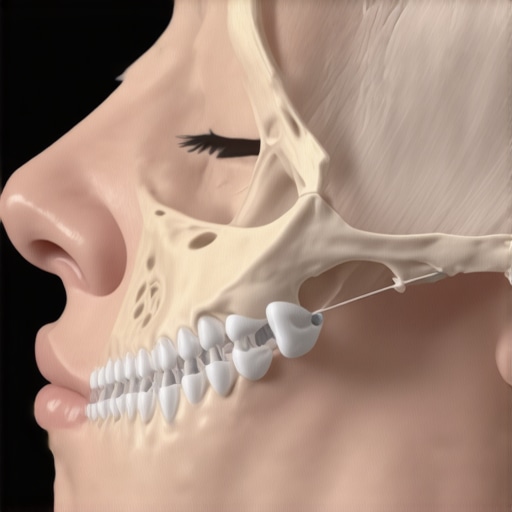
It turns out, I had made a classic mistake. I assumed that because my tooth hurt, the problem had to be the tooth. But our bodies are a bit more mischievous than that. Your upper teeth sit right beneath your maxillary sinuses. When those sinuses get inflamed or filled with fluid during an infection, they press down directly on the roots of your teeth. It’s a physical squeeze that feels identical to a deep cavity. In my early days of obsessing over dental health, I actually insisted on an expensive X-ray for a phantom toothache only to find out my sinuses were just angry. I want to save you that stress. Today, we’re going to figure out how to spot the difference so you can stop worrying. Knowing the connection between your sinus infection and your tooth pain will save you a lot of money and a few sleepless nights.
Wait, is this actually worth a trip to the dentist?
I get it. You’re skeptical. You’re in real, pulsing pain, and the idea that some nasal spray could fix it feels like a fairy tale. But according to the American Dental Association, one of the biggest tells of a sinus toothache is that it rarely affects just one tooth; it’s usually a dull ache across several upper molars. If you’re searching for how to handle a toothache that only happens when you lie down, you’re already looking at a textbook sinus symptom. When you lie flat, the fluid pressure in your head shifts, putting more weight on those dental nerves. I made the mistake of ignoring my stuffy nose and focusing only on the tooth, which is a trap many of us fall into when we don’t know these family dentistry secrets. Have you ever felt like your teeth were too long or sensitive when you walked down the stairs? That’s gravity pulling on your sinuses. Have you ever experienced a pain like this that turned out to be nothing more than a common cold? I’d love to hear about it in the comments. We’re about to dive into the three simple tests you can do in your own kitchen to know for sure if you need a dentist or just some Vitamin C.
Bend Over and Feel the Rush
The fastest way to figure out if your tooth is the problem or if your sinuses are just throwing a tantrum is the gravity test. It sounds silly, but it works every time. Stand up straight and then slowly bend over as if you are trying to touch your toes. If that throbbing sensation in your molars suddenly intensifies or feels like a heavy weight is pressing against your jaw, you are likely dealing with sinus pressure. This happens because the fluid in your maxillary sinuses shifts forward, putting direct physical stress on your dental nerves. This is also why many people search for how to handle a toothache that only happens when you lie down; gravity is moving that fluid around and tricking your brain into thinking a tooth is dying. 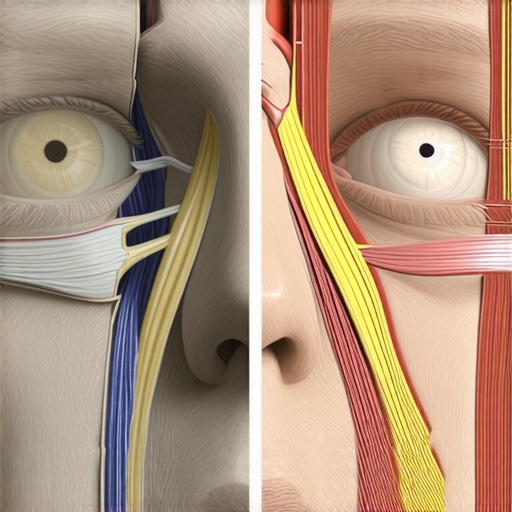
Tap Your Teeth to Find the Culprit
Another reliable method is the percussion test. Take the back of a toothbrush or even just your finger and gently tap on the tooth that hurts. Then, tap on the healthy teeth next to it. If one specific tooth sends you through the roof with sharp, localized pain, you might be looking at a real dental issue like an abscess or a cracked filling. However, if the entire upper row of teeth feels dull, tender, and achy when you tap them, it is a classic sign of the connection between your sinus infection and your tooth pain. Think of it like a neighborhood power outage versus a single blown fuse in your kitchen. A sinus issue affects the whole block, while a cavity is a localized disaster. Knowing how to tell the difference between a deep cavity and a surface stain or a sinus ache can save you from a panic-induced trip to the ER.
Clear Your Nose to Save Your Teeth
I once spent nearly $200 on a late-night emergency dental consultation because I was convinced my wisdom teeth were finally making their move. I sat in that chair, heart racing, only for the dentist to tell me my teeth were perfect but my nose was a mess. He suggested a simple decongestant and a the salt water rinse trick for a sore mouth. Within two hours, the “toothache” was gone. If you take a standard over-the-counter decongestant or use a saline rinse and your tooth pain vanishes along with your stuffy nose, you’ve found your answer. When you are under the weather, focusing on the best way to clean your mouth when you have the flu is more important than worrying about a root canal. If the pain stays put after your sinuses clear up, that is when you need to call the professionals. These are the top oral health tips for your family’s bright smiles that focus on the big picture, not just the teeth themselves.Once you realize your teeth aren’t just reacting to a stuffy nose, you might start looking closer at your existing dental work. There is a common myth that once a crown is seated, it is a set-it-and-forget-it solution. I used to think that too, until I realized how many people struggle with the specific reason your crown feels tall when you wake up. Most people are told to just wait a week for it to settle, but if that ‘high’ feeling persists, you are actually risking a fractured root or a dead nerve. It is not just an annoyance; it is a mechanical failure. According to a study in the Journal of Prosthetic Dentistry, even a micro-discrepancy in how your teeth meet—called an interference—can cause your jaw muscles to overwork, leading to tension headaches you would never naturally associate with your mouth. This is why choosing the right crown expert advice for long-lasting results is about more than just the material of the tooth; it is about the precision of the bite. 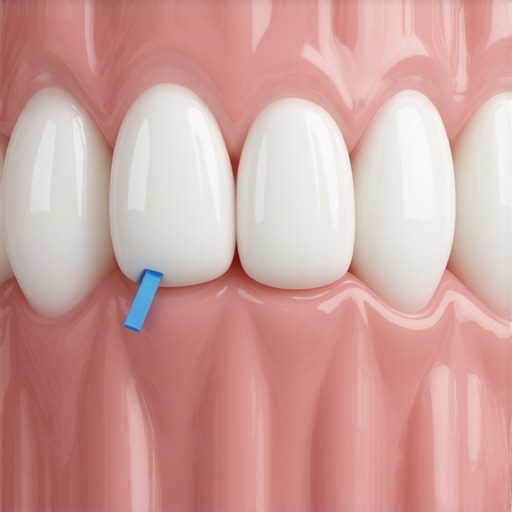 This brings us to a major ‘Oops’ factor: many people try to fix these alignment issues by comparing invisalign vs braces which solution fits your lifestyle without realizing that moving teeth changes the entire architecture of your face. A common trap is thinking that aligners are strictly for aesthetics. In reality, how invisalign transforms family dentistry in 2025 is about correcting the ‘slide’ that happens when your teeth do not fit together like a perfect puzzle. If you have ever noticed why your invisalign trays are suddenly making you lisp, it is often because your tongue is fighting for space in a newly configured bite environment.
Can straightening your teeth actually cure your morning jaw pain?
It sounds like a stretch, but advanced practitioners are now using clear aligners as a functional tool rather than just a cosmetic one. When your teeth are misaligned, your jaw never finds a ‘home’ to rest in, leading to that 2 AM toothache. By looking into invisalign innovations the future of family dentistry revealed at 1137 am, we see that 3D mapping can now predict exactly how to take the pressure off your joints. But here is the nuanced warning: do not start whitening while you are in the middle of this process. the danger of using whitening strips on a tooth with a filling or a crown is that the gel will not change the color of the porcelain, leaving you with a patchy, multi-colored smile. Have you ever had a crown that just never felt quite right, even after ‘breaking it in’? Let me know in the comments. We need to stop settling for ‘good enough’ when it comes to how our teeth fit together.Once you have invested in your smile, whether through a high-end restoration or months of aligners, the real work begins. I used to think that a crown was essentially a ‘bionic’ tooth that didn’t need the same level of care as my natural ones. I was wrong. The margin where the porcelain meets your gum line is the most vulnerable spot in your mouth. If you want to avoid why your gums feel sore after getting a new dental crown, you have to look beyond the surface. I swear by my ultrasonic cleaner for everything that comes out of my mouth. Whether it is a night guard or an aligner, these little pods use high-frequency sound waves to blast away biofilm that a toothbrush simply cannot reach. This is the best way to clean your retainers without using harsh chemicals, and it keeps your breath from turning sour mid-day.
How do I keep my dental work from failing prematurely?
Consistency is your only defense against the inevitable wear and tear. I have found that family dentistry secrets often come down to the tools you use at home. For example, if you have a bridge, you need to be vigilant about how to tell if your dental bridge is trapping food. I personally use a high-powered water flosser because it flushes out the ‘debris pockets’ that manual floss misses. According to a technical bulletin by Align Technology, the makers of Invisalign, the precision of a fit is only as good as the cleanliness of the tooth surface; any microscopic buildup can actually shift how the tray sits, leading to why your invisalign trays feel tighter on some days than others. 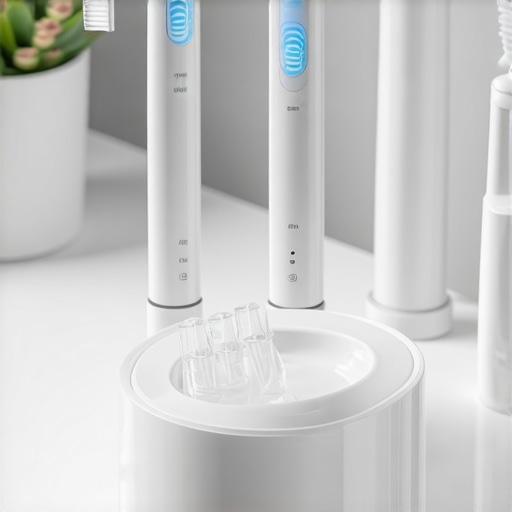 Looking ahead, the future of this field is moving toward ‘smart’ dental work. We are already seeing why finding the best dentistry in culpeper va usually starts with a 3d cbct scan, but soon, your crown might actually contain sensors that alert your phone if it detects a bacterial spike or a micro-crack. This isn’t science fiction; it is the next step in family dentistry trends. If you are currently in the middle of treatment, I highly recommend switching to an electric toothbrush with a pressure sensor. It is the only way to ensure you aren’t causing why your gums are receding despite brushing twice a day. Grab a water flosser today and use it on your lowest setting around your crowns—it is the single best habit you can start tonight to protect your investment.
The Brutal Truths I Learned About My Dental Journey
After years of trial and error, I realized that a “perfect” smile isn’t a final destination; it’s a dynamic maintenance plan. I once believed my porcelain crowns were essentially bionic and invincible, but I quickly learned that the margin where the crown meets the gum is actually a hotspot for bacteria if you aren’t vigilant. Another massive realization was that orthodontic work isn’t just for teenagers. Many Invisalign myths debunked the idea that clear aligners are purely cosmetic; in reality, they are functional tools that prevent your bite from slowly destroying your jaw joints. Finally, I learned that pain is a messenger, not always the enemy. If I hadn’t listened to that dull ache in my molars, I never would have discovered my chronic sinus issues that were affecting my sleep and focus.
My Go-To Tools for Professional Results at Home
If you want your dental work to last decades rather than years, you need to upgrade your toolkit. I always tell my friends that why finding the best dentistry in culpeper va usually starts with a 3d cbct scan is because that high-level imaging catches the tiny failures before they become expensive disasters. For your daily routine, I swear by an ultrasonic cleaning pod for any removable appliance. It is truly the best way to clean your retainers or night guards without scratching the material with abrasive toothpastes. I also keep an ultimate guide to crowns bookmarked on my phone to help me identify when a ‘twinge’ is a normal adjustment or a sign that my bite is out of alignment. These small investments in knowledge and tech save thousands in the long run.
Take the First Step Toward a Pain-Free Life
You do not have to live with a mystery throb in your jaw or a crown that feels like it’s constantly in the way. Taking control of your oral health is one of the most empowering things you can do for your daily comfort. Modern family dentistry has evolved so much that the days of ‘drill first, ask questions later’ are over. We now have the tools to diagnose sinus pressure, map out 3D alignment, and protect your natural teeth with more precision than ever before. Whether you need to clear a stuffy nose or finally get your bite adjusted, don’t wait for the pain to become unbearable. Have you ever had a toothache that turned out to be caused by something totally unrelated like a cold or stress? Let me know in the comments below!