
How to tell the difference between a deep cavity and a surface stain
I remember standing in my bathroom last Tuesday, squinting into a magnifying mirror until my eyes literally crossed. There it was—a tiny, dark speck on my back molar that I hadn’t noticed before. My heart immediately sank into my stomach. I started calculating the cost of a root canal in my head before I even finished brushing. I’ve been down this road before. Once, I ignored a ‘stain’ that turned into a full-blown dental emergency, and another time, I spent weeks scrubbing so hard at a harmless spot that I made my gums bleed. It is a nerve-wracking game of ‘what if’ that no one wants to play, especially when you are trying to maintain a healthy smile for your family. We often jump to the worst-case scenario, but I have learned that your teeth can be quite the masters of disguise.
The Moment You Realize Your Tooth Has a New Look
We have all been there. You are brushing, feeling pretty good about your routine, and then you see it in the mirror—a dark line or a brown pit. Is it a deep cavity that is going to require crowns, or is it just the remnants of that morning espresso? One of the biggest mistakes I made early on was assuming every dark mark was a disaster waiting to happen. The truth is, distinguishing between a surface-level blemish and a structural hole requires a bit of detective work. Stains are often external, caused by things like tea or tobacco, while cavities are actual permanent damage to the enamel. Have you ever spent twenty minutes poking at a tooth with a toothpick trying to figure out if it is ‘sticky’ or just stained? If so, you are definitely not alone in that anxiety!
Is this little spot actually worth the hype and worry?
It is incredibly easy to get skeptical when a spot doesn’t actually hurt. You might think, ‘If I can’t feel it, how bad can it be?’ But here is the kicker: according to the American Dental Association, cavities often do not cause any pain until they have reached the deeper, more sensitive layers of the tooth. This means that ‘silent’ spot could be more than just a surface blemish. On the flip side, I have seen friends rush in for an emergency visit only to realize they just needed professional whitening to clear up some surface-level discoloration. Understanding the ‘feel’ of the spot—whether it’s smooth like the rest of the tooth or has a slight indentation—is your first real clue. For instance, if you have noticed your coffee habit is starting to show, that dark line might just be external pigment clinging to the grooves of your teeth rather than a hole in the armor.
Take Charge of the Investigation Right at Your Sink
Once you have identified a suspicious mark, the worst thing you can do is let it sit there and occupy space in your brain without taking action. You have to move from being a passive observer to an active investigator. Think of your tooth enamel as a high-density shield. When that shield is intact, even if it is discolored, it remains hard and smooth. When it is breached by a cavity, the structure softens, turning into something more like wet wood or a sponge. This transition from ‘stain’ to ‘decay’ is often something you can feel before a dentist even confirms it with a radiograph. Understanding these family dentistry secrets can save you from unnecessary panic or, conversely, help you catch a problem while it is still a simple fix.
Run the Texture Test to Find Sticky Spots
The most reliable way to check a spot at home is by using a clean dental pick or even a very firm toothpick. Last year, I was convinced a spot on my canine was a goner. I’d been using a trendy charcoal paste, and after reading about the truth about charcoal toothpaste and your tooth enamel, I was worried I had worn my protection away. I spent three nights probing it. If the tool glides right over the spot like it is on ice, you are likely looking at a surface stain. However, if the tool ‘catches’ or feels like it is sinking into a tiny bit of gum-like material, that ‘stickiness’ is a classic sign of active decay. In my case, it turned out to be a stubborn stain from my daily turmeric lattes that the ‘natural’ paste couldn’t touch, but that tactile feedback was the only thing that kept me sane until my appointment.
Turn Your Phone Flashlight Into a Diagnostic Tool
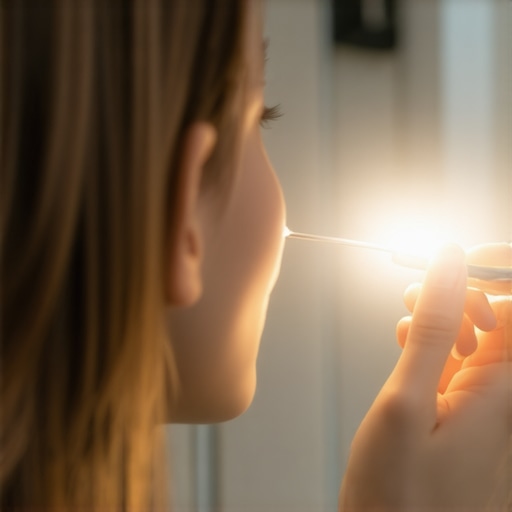
Lighting is your best friend when you are trying to see what is happening beneath the surface. A stain is usually opaque and sits on the very top of the tooth. A cavity, however, often creates a shadow that looks like it is ‘inside’ the tooth. Grab a small mirror and shine your phone’s flashlight through the tooth from the back or the side—a technique called transillumination. If the light passes through the tooth clearly but shows a dark, cloudy mass in the center, that is a red flag for internal decay. This is often when a professional might suggest crowns to restore the integrity of the tooth before the hole gets too large to manage with a simple filling.
Listen to the Temperature Warning Signals
Pay close attention to how that specific spot reacts when you hit it with an ice-cold glass of water or a hot cup of coffee. While some general sensitivity is normal, a localized ‘zing’ that lingers for more than a few seconds is a major clue. Stains don’t have nerves, but the dentin underneath a cavity does. If you find yourself wondering how to manage a crown that feels sensitive to air or cold liquids, it is usually because the underlying nerve is already on high alert. If that dark spot is accompanied by a sharp, localized reaction to sugar or temperature, the decay has likely moved past the enamel. Incorporating top oral health tips for your family into your daily check-ins helps you spot these changes in sensation before they turn into a midnight toothache.
Let’s dig deeper into why we often misread these signs. We’ve been conditioned by countless toothpaste commercials to believe that bright white is the only color of health. But here’s the contrarian truth: some of the most dangerous dental issues are actually white. Incipient lesions—the very first stage of a cavity—often appear as chalky white spots where the enamel has lost its minerals. If you’re only looking for ‘dark’ spots, you’re missing the early warning signs of decay. This is where family dentistry trends are shifting; we are moving away from a ‘wait and see’ approach toward active remineralization before a drill is even necessary.
The ‘Oops’ factor often comes into play when we finally get a restorative fix. Many patients think getting a crown is a ‘set it and forget it’ solution. However, the biggest trap is ignoring how that crown integrates with your unique bite. If you find yourself wondering how to stop your new crown from feeling too high when you chew, you aren’t just dealing with a minor annoyance. A ‘high’ restoration can cause ligament inflammation or even crack the opposing healthy tooth. I see people ‘power through’ the discomfort for weeks, thinking it just needs to ‘settle,’ when in reality, they are risking a much larger orthodontic disaster. Getting expert advice for long-lasting results means realizing that a perfect restoration should feel completely invisible in your mouth.
Then there is the hidden nuance of alignment. Most people view clear aligners as a purely cosmetic upgrade, but for many, it’s a functional necessity for long-term tooth retention. Misaligned teeth create microscopic ‘food traps’ that no amount of flossing can reach effectively. By looking at how Invisalign transforms family dentistry in 2025, it becomes clear that it is actually a preventative tool against localized gum disease. If your teeth are crowded, you’re fighting a losing battle against plaque, regardless of the quality of your toothbrush.
Is It Possible for a Pain-Free Tooth to Be Rotting From the Inside?
Absolutely, and this is the most common mistake made by even the most diligent brushers. Research published in the Journal of the American Dental Association (JADA) indicates that ‘secondary caries’—decay that forms under existing fillings or crowns—is a leading cause of restoration failure. This is the ultimate ‘hidden’ nuance: your old silver filling might look solid to the naked eye, but micro-leaks at the margin can allow bacteria to rot the tooth structure from the inside out while you feel zero pain. Often, the first sign of trouble is the specific food that most often cracks an older filling, like a stray popcorn kernel or a hard pretzel, which finally compromises the weakened structure. Have you ever fallen into this trap—waiting for pain to strike before booking an appointment? Let me know in the comments.
If you are still relying on that old-school manual brush and a prayer, you are essentially trying to maintain a Ferrari with a push broom. After years of testing dental gadgets, I have realized that maintenance is less about effort and more about the precision of your equipment. For instance, I switched to a sonic brush not just for the high-frequency vibrations, but specifically for the haptic pressure sensor. I used to be a chronic ‘scrubber,’ which is the fastest way to destroy gum tissue and enamel. Now, if I press too hard, the light turns red and the motor slows down, preventing me from falling victim to the hidden reason your gums bleed even if you floss daily even when I am in a rush.
Another non-negotiable in my personal kit is a high-quality water flosser. If you have any restorative work—and let’s face it, most of us have at least one or two pieces—standard floss often misses the microscopic debris that accumulates under margins. I use mine on the ‘pulse’ setting specifically to irrigate under my back molars. It is truly the move to stop a crown from trapping food every time you eat steak or other fibrous foods. It turns a ten-minute flossing struggle into a sixty-second refreshing blast that keeps my gums tight and pink.
How do I maintain these results over the long haul?
The longevity of your smile depends heavily on the chemistry of your mouth and your proactive habits. Dr. Gordon Christensen, a world-renowned expert in restorative dentistry and founder of the Clinicians Report, frequently emphasizes that ‘recurrent decay is the most common reason for replacement of restorations.’ To fight this, I have started using a high-concentration fluoride paste (5000 ppm) right before bed. I do not rinse it out; I let it sit on the tooth surfaces to remineralize any weak spots overnight. It is a tiny shift that makes transforming your smile a permanent reality rather than a temporary, expensive fix.
Looking ahead, I am seeing a massive shift toward AI-integrated home monitoring. Imagine a world where your phone camera can scan your teeth and alert you to changes in enamel density before they are even visible to the human eye. This is where Invisalign innovations and the future of family dentistry are headed—total patient-led data. For now, the most advanced thing you can do is keep your appliances pristine. Don’t use abrasive toothpaste on your trays or guards; it creates micro-scratches that harbor bacteria and cause cloudiness. Instead, stick to the best way to clean your retainers without using harsh chemicals to ensure they stay transparent and odorless for months.
If you really want to level up your routine and prove your authority over your own health, try the ‘disclosing tablet’ test tonight. These chewable tablets stain plaque a bright pink or purple, showing you exactly where your current routine is failing. It is a cheap, humbling way to see if you actually need to look into why finding the best dentistry usually starts with a 3D scan to address deeper issues you might be missing in the mirror. I challenge you to try the disclosing test and see what your brush has been leaving behind.
What My Dentist Finally Admitted About Silent Cavities
Painless doesn’t mean perfect. I used to wait for a throb or a sharp zing before booking an appointment, but catching issues through family dentistry secrets early means avoiding the drill entirely. Texture is the ultimate truth; a stain is just a color change, but a cavity is a structural failure. If your dental pick catches, it’s a concern regardless of the shade. I also learned the hard way that old dental work isn’t a permanent shield. Often, the specific food that most often cracks an older filling reveals a decade of hidden decay that was quietly growing underneath a seemingly solid surface. Lastly, appearance can be deceptive; those hidden causes of white spots on your teeth are often more active and dangerous than the dark coffee stains I used to obsess over in the mirror.
My Essential Dental Toolkit for Stress-Free Checkups
I have narrowed my routine down to three non-negotiables that have fundamentally changed my dental reports. First is a high-concentration fluoride paste used right before bed without rinsing; this is my personal insurance policy that helps transform your smile from vulnerable to resilient by remineralizing weak enamel. Second is a water flosser used on the pulse setting. It is a game-changer for anyone with restorative work, as it flushes out debris that traditional string misses around crowns and bridges. Finally, I swear by disclosing tablets once a month. These chewable tablets are a humbling reality check that show me exactly where my brushing technique is failing before my hygienist has to point it out.
Your Future Smile Starts at Tonight’s Sink
Taking control of your oral health doesn’t require a medical degree, just a bit of daily curiosity and the right precision tools. Whether you are currently researching how Invisalign transforms family dentistry in 2025 or you are simply trying to figure out if a new spot on your molar is cause for alarm, being proactive is the best gift you can give your future self. Don’t let a small shadow turn into a major dental stressor. Have you ever ignored a suspicious stain only to find out it was a cavity during your next cleaning? Let me know your experience in the comments below!