
Why your teeth hurt every time you drink iced coffee

There I was, leaning back in my favorite lawn chair, the sun beating down, and a condensation-covered glass of cold brew in my hand. One satisfying gulp later, it felt like someone had driven a frozen needle straight into my jawbone. It wasn’t just cold; it was an agonizing, electric pulse that lingered way longer than it should have. If you’ve ever winced while trying to enjoy a summer beverage, you know exactly the betrayal I’m talking about. This isn’t just about a sensitive spot; it’s a message from your mouth that something is fundamentally wrong.
Stop Ignoring That Sharp Zap in Your Jaw
We often brush these moments off as a minor annoyance, but that zing is actually your teeth screaming for help. For years, I just lived with it, switching to lukewarm coffee (which is just depressing) instead of fixing the root cause. I made the classic mistake of thinking my teeth were just getting older or that I had naturally thin enamel, when in reality, I was practically inviting the pain by using the wrong tools. For instance, I didn’t realize there was a safely guarded way to use an electric toothbrush without making my sensitivity worse. Today, we’re going to peel back the layers on why your favorite caffeine fix feels like a dental assault and how you can get back to sipping without the winching. We’ll look at everything from microscopic cracks to the way your gums might be retreating from the battlefront.
Is my enamel actually gone for good?
It’s the fear we all have when we read about acid erosion or receding gum lines. You might think your teeth are beyond repair, but more often than not, it’s about managing dentin exposure rather than mourning lost enamel. According to the American Dental Association, tooth sensitivity occurs when the underlying layer of your teeth, the dentin, becomes exposed due to receding gums or thinning enamel, allowing cold triggers to reach the nerves. If you’ve noticed that you’re also sensitive to cold liquids around your dental work, or if the sensation feels identical to the pain caused by cold winter air, you aren’t alone. I spent months trying every miracle toothpaste on the shelf before I finally sat down to learn real oral health strategies that actually protect the teeth. My biggest blunder early on? I used generic whitening strips every single night because I wanted a brighter smile, not realizing I was essentially stripping my protective armor away. Have you ever had to change the way you chew or drink just to avoid a sudden shock of pain? Let’s get into the mechanics of why those ice cubes are causing such a stir.
Turn Down the Volume on Your Dental Nerves
The first step to reclaimed comfort is identifying that sensitivity isn’t just about ‘thin enamel’—it is about the fluid movement inside the microscopic tubules of your teeth. Think of your tooth as a bundle of tiny pipes. When the protective coating is compromised, cold triggers cause the fluid in those pipes to move rapidly, yanking on the nerve. To fix this, you need a desensitizing agent. I learned this the hard way after a week-long obsession with DIY whitening. I thought I was being thrifty, but I was actually stripping my teeth bare. The truth about charcoal toothpaste and your tooth enamel is that it’s often too abrasive for daily use and can leave those ‘pipes’ wide open. Switch to a toothpaste containing potassium nitrate. It doesn’t fix the enamel instantly, but it acts like a volume knob, gradually numbing the nerve’s response to those thermal shocks. Don’t just brush and rinse; rub a little bit of the paste directly onto the sensitive spot before bed and leave it there. It gives the minerals more time to soak in and do their job.
Stop Scrubbing Like You Are Cleaning a Garage Floor
The way you brush matters more than how often you do it. I used to think that the harder I scrubbed, the cleaner my teeth would be. In reality, I was sawing away at my gum line. If your toothbrush bristles look like a frayed broom after a month, you are pressing too hard. This mechanical wear is a leading cause of gum recession, which exposes the root—the most sensitive part of the tooth. If you have made the switch to tech, make sure you are following the safest way to use an electric toothbrush on sensitive teeth by letting the motor do the work. You should guide the brush, not push it. I remember the day I switched to a soft-bristled head; it felt like I wasn’t doing anything at all. But within two weeks, that ‘electric zap’ I got from my morning orange juice started to fade. It is about finesse, not force. 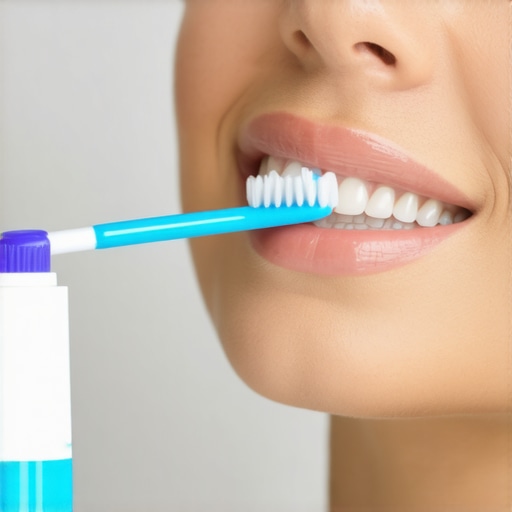
When Your Dental Work Starts Talking Back
Sometimes the zing isn’t coming from your natural tooth, but from a restoration. If you have an older cap, you might find yourself needing to manage a crown that feels sensitive to air or cold liquids. This often happens if the gum has receded just enough to expose the margin where the crown meets the tooth. It’s like a tiny gap in your home’s insulation; once the cold gets in, the whole room feels it. You might also wonder why your crown feels sensitive to cold months after it was placed. It could be a sign that your bite is slightly off, causing the tooth to be ‘bruised’ every time you chew.
Are your teeth actually in the right place?
Beyond just the surface, structural alignment plays a huge role in how much wear and tear your enamel endures. When your teeth are crowded or misaligned, certain areas take the brunt of your bite force, leading to ‘abfraction’—small notches near the gum line that are incredibly sensitive. This is where modern solutions come in. Deciding between Invisalign vs braces isn’t just about aesthetics; it is about evening out that pressure so you stop cracking your own protective armor. I’ve seen friends ignore a slightly crooked bite for years, only to end up with localized sensitivity that no toothpaste could fix because the tooth was physically flexing under the pressure. Proper alignment ensures that no single tooth is carrying the weight of the entire world.One of the biggest myths I hear in the dental chair—and one I believed myself for years—is that crowns are a ‘last resort’ reserved for when a tooth is basically a lost cause. We often treat them like the final stop before an extraction, but that’s a dangerous way to look at it. In reality, why crowns are a game-changer in restorative dentistry is their ability to act as a protective shield *before* the structural integrity of the tooth is compromised beyond repair. If you wait until the tooth splits down the root, you’re looking at an implant or a bridge, not a crown. This is the ‘wait-and-see’ trap that ends up costing significantly more in terms of both money and physical discomfort. Modern restorative philosophy actually favors ‘proactive reinforcement.’ For example, choosing crowns vs veneers depends largely on how much structural support remains, but many patients mistakenly choose the less invasive option when the tooth actually needs the 360-degree protection of a crown.
Why does my dental work feel ‘taller’ when I first wake up?
It’s a common but confusing phenomenon that many people ignore. You go to bed feeling perfectly fine, but by 7 AM, it feels like your new crown is hitting before everything else, making your whole jaw feel ‘off.’ This isn’t just in your head. According to a study published in the Journal of Prosthetic Dentistry, even a few microns of occlusal misalignment can cause the periodontal ligament—the shock absorber for your tooth—to become slightly inflamed overnight if you are a nocturnal grinder. This tiny inflammation physically pushes the tooth up slightly in its socket. If you’re experiencing this, you need to understand the specific reason your crown feels tall when you wake up and address it with your dentist before you develop chronic pulpitis. #IMAGE_PLACE_HOLDER_C# Another nuance often missed in family dentistry secrets for maintaining oral health is the ‘Oops’ factor of DIY maintenance and cleaning. Many people think they are being proactive by using heavy-duty cleaners or even vinegar on their dental appliances. For instance, if you’re using Invisalign, you might be tempted to use harsh household chemicals to keep the plastic crystal clear. Instead, you should focus on how to keep your breath fresh while wearing Invisalign trays all day without degrading the medical-grade material. The wrong cleaner can make the plastic surface porous, which actually creates microscopic traps for bacteria and stains. This is an advanced trap: your attempt at hygiene actually makes your aligners more prone to smelling bad. Let’s talk about the ‘bruised tooth’ syndrome. I’ve seen many people panic because their new dental work feels sensitive to pressure weeks later. Often, the bite is just off by the width of a human hair. You must stop your new crown from feeling too high when you chew as soon as you notice it. Ignoring that subtle ‘high spot’ is like walking ten miles with a pebble in your shoe; eventually, the nerve inside the tooth is going to react negatively. Have you ever fallen into this trap of ‘waiting for it to settle’ only to have the pain get worse? Let me know in the comments.
The high-tech tools that actually save you money
The one tool that changed my life isn’t the electric toothbrush anymore—it’s the water flosser. If you have any kind of restorative work, you know how frustrating it is when things get stuck in hard-to-reach places. I spent years following this ultimate guide to crowns for a healthier smile, but I didn’t truly see results until I addressed the spaces between the restorations. You need to clear the microscopic debris without using mechanical force that might chip a delicate edge. For those of us using aligners, you have to be even more obsessive about your toolkit. You need to know how to get the gunk out of your Invisalign aligners without scratching the surface, as scratches create a breeding ground for bacteria that no amount of rinsing will fix. According to research published in the Journal of Oral Rehabilitation, the longevity of dental ceramics is directly tied to the health of the ‘biological width’—the specific space between your bone and the restoration margin. If you don’t clean that area perfectly, the crown fails not because the ceramic broke, but because the foundation rotted out from under it.
How do I keep my dental work looking new for a decade?
It comes down to consistency and avoiding what I call the ‘scourge of the silent sip.’ We often consume acidic drinks over long periods, which slowly leaches the cement around our dental work. If you’ve invested in your smile, you should look into expert advice for long-lasting results to protect that investment. This includes switching to high-fluoride rinses and adopting the 2-minute habit that prevents morning breath better than any commercial mouthwash ever could. 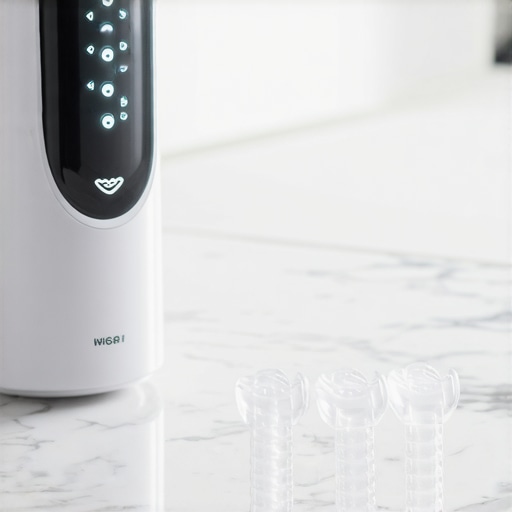
The next wave of high-tech smiles
We are entering an era of ‘smart’ dentistry that moves beyond simple plastics and ceramics. I’m talking about 3D-printed materials that release calcium ions over time to strengthen your natural teeth while you wear them. We’re already seeing Invisalign innovations and the future of family dentistry moving toward these bio-active materials. It’s not just about straightening teeth anymore; it’s about systemic health. I’ve found that the hidden benefits of Invisalign in 2025 include significantly better gum health because it’s simply easier to maintain hygiene on straight teeth than a crowded mess.
Don’t wait for the pain to return
My biggest takeaway from this journey? You have to be your own advocate. Don’t assume your dentist will catch every micro-crack during a standard cleaning. Check your own gums for redness and listen for those subtle clicks when you chew. If you’re serious about your oral health, try this one advanced move tonight: Get a pack of interdental brushes and dip them in a tiny bit of desensitizing gel, then run them specifically around the margins of your crowns. It’s a game-changer for those cold-brew mornings because it targets the roots where sensitivity actually starts. Staying on top of these family dentistry secrets for modern techniques is what keeps your morning coffee relaxing instead of a painful ordeal.
What I Finally Realized About the Myth of ‘Toughing It Out’
After years of dealing with sharp pains, the biggest lesson I’ve learned is that ‘wait-and-see’ is the most expensive strategy in dentistry. I used to think transforming your smile was purely for vanity, but it’s actually about structural preservation. I also discovered that why your gums feel sore after getting a new dental crown is often a sign of minor inflammation that needs immediate attention, not just ‘time to settle.’ Finally, I realized that family dentistry trends for all ages are shifting toward preventing the ‘zap’ before it even starts. #IMAGE_PLACEHOLDER_E#
The Three Tools That Saved My Enamel From Further Damage
For those looking to upgrade their home care, I highly recommend a water flosser for flushing out the margins of your restorations—it’s far gentler than aggressive string flossing. I also suggest reading up on Invisalign myths debunked to understand how proper tooth alignment reduces localized wear. These tools aren’t just gadgets; they are the frontline defense for your protective enamel. I personally trust products with the ADA Seal of Acceptance, as it filters out the abrasive ‘miracle’ pastes that actually strip your teeth bare.
Reclaiming Your Morning Ritual From Dental Pain
Taking back control of your oral health means you no longer have to wince when a cold breeze hits or when you take that first sip of iced coffee. By staying informed on the latest family dentistry secrets, you can ensure your teeth remain a source of confidence rather than a source of stress. Your mouth is a complex system, and treating it with finesse rather than force is the key to longevity. Have you ever had a mystery toothache that only happened when you drank something cold? Share your experience in the comments below!