
The reason your child’s breath smells like fruit

I remember leaning in for a good morning cuddle with my youngest, Ben, and being hit with this weirdly pleasant smell. It wasn’t the usual morning breath or even the scent of toothpaste. It smelled exactly like a bag of fruit snacks. My first thought? He definitely snuck into the pantry at 6 AM. I checked the cupboards. Everything was sealed. No crumbs. No wrappers. Yet, that sweet, almost chemical-floral scent lingered every time he spoke. I felt like a detective in a house of mystery, but little did I know, that fruity aroma was a major signal my body was trying to send me about his internal health. Today, we’re going to peel back the curtain on why this happens. It’s not always about a secret candy stash. Sometimes it is a simple case of why your child’s breath smells sour in the morning turning into something different, and other times, it’s a red flag for your pediatrician. I’ll share how I figured it out and what steps you can take right now to protect your little one’s health.
That Strange Sweet Scent Coming from Your Toddler
It is easy to brush off a weird smell as just one of those kid things. I certainly did at first. I figured he just had a high-sugar diet over the weekend or maybe his top oral health tips for your family’s bright smiles routine needed a serious upgrade. But fruity breath is chemically distinct. When I finally called my sister—who’s a nurse—she didn’t laugh. She told me to check his hydration and energy levels immediately. According to the American Diabetes Association, breath that smells like acetone (basically nail polish remover or rotting fruit) can be a primary symptom of Diabetic Ketoacidosis (DKA), a serious condition where the body starts burning fat for fuel because it cannot use sugar properly. This was the lightbulb moment that changed everything for our family. Before you panic, remember that it could also be related to a simple cold or even how you are managing their first dental cleaning preparation, but the chemistry of the breath rarely lies.
Is Fruity Breath Actually Something to Worry About?
I know what you are thinking because I thought it too: He seems fine, do I really need to rush to the doctor for a sweet smell? The short answer is yes, you need to pay attention. While it could be something less intense like a weird side effect of a low-carb phase or a mild infection, the risk of missing a serious diagnosis is too high to ignore. My mistake was waiting three days because I did not want to be that overbearing parent at the clinic. Don’t be like me. Have you ever noticed a scent on your child’s breath that didn’t match what they just ate?
Steps to Take the Moment You Smell That Sweet Scent
If your child’s breath smells like a pack of fruit snacks and they haven’t touched the pantry, your first move is a process of elimination. Think of their body like a high-performance car engine. If you put the wrong fuel in—or if the engine can’t process the fuel it has—the exhaust starts to smell ‘off.’ In this case, the fruity scent is essentially the exhaust of a body burning fat for energy instead of sugar. It is an inefficient metabolic backup plan that leaves behind chemical byproducts called ketones. To figure out if this is a minor glitch or a major repair, you need to act systematically.
Check the Tank for Signs of Dehydration
The very first thing I did with Ben was the water bottle test. Kids can develop a slightly sweet, ‘starvation’ breath if they are extremely dehydrated or if they have been fasting due to a stomach bug. I watched him drink a full eight ounces of water and then waited an hour. If the smell persists even after they are fully hydrated, you are likely looking at a metabolic signal rather than a simple thirst issue. This is where many parents get confused because why your child’s breath smells sour in the morning is usually a bacteria issue, but fruity breath is a cellular one. 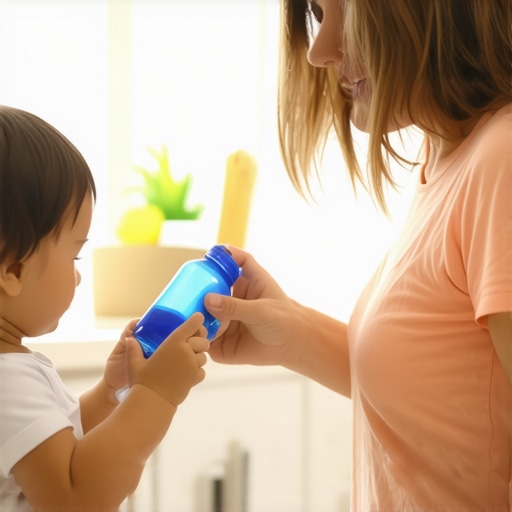
Eliminate Dental Grime with a Targeted Clean
Sometimes, food particles trapped in the deep nooks of the mouth can ferment and create confusing odors. To rule this out, you must perform a ‘reset’ clean. I recommend using the 2-minute habit that prevents morning breath better than mouthwash by focusing your efforts specifically on the back of the tongue and the gum line. When I tried this with Ben, I had to be incredibly careful to stop your toddler from swallowing a mouthful of toothpaste, as the excess fluoride can upset their stomach. If the scent disappears and stays gone, it was likely a piece of a hidden gummy. If it returns within the hour, the scent is coming from the lungs, meaning the cause is in the bloodstream.
Track Behavior and Energy Alongside the Aroma
The smell is rarely an isolated symptom. When I realized Ben’s breath wasn’t changing after a brush, I started a behavior log on my phone. I noted that he was asking for water every twenty minutes and seemed unusually heavy-limbed after his nap. These markers align with modern family dentistry trends improving oral health for all ages, which emphasize that the mouth is the gateway to systemic health. If you see ‘fruity breath’ paired with frequent urination or deep, heavy breathing, you should bypass the dental office and contact your pediatrician immediately. However, if the child is acting completely normal and energetic, a dental check-up is the right next step to ensure there isn’t a localized infection or a physical issue in the throat. You can use the trick to keeping your toddler still during a dental exam to help the professional get a clear look without the drama.It is easy to think that if your child’s teeth are white and straight, you have won the parenting lottery. However, in my years of obsessing over these details, I have learned that the most dangerous dental issues are often the ones that do not hurt yet. Most people believe that pain is the only indicator of a problem, but by the time you feel a throb, the damage is frequently deep. Take restorative work, for example. We often assume a crown is a ‘set it and forget it’ solution. In reality, transforming your smile with crowns requires a nuanced understanding of how they integrate with your biology. If you have fallen into the trap of thinking a crown is indestructible, you might miss the subtle signs of a leaking margin or bacterial buildup. One of the biggest mistakes I see is parents ignoring when their own crown feels tall when they wake up. This is not just a morning quirk; it is often a sign of nocturnal grinding or a slightly off-kilter bite that can lead to a fractured root over time. According to a study published in the Journal of Clinical Periodontology, the health of the tissue surrounding a restoration is just as critical as the restoration itself for long-term success.
Why does my dental crown feel like a skyscraper every morning?
This is a question I get often, and the answer usually surprises people. It is not necessarily that the crown is too big; it is that your jaw is reacting to a micro-misalignment that becomes more obvious when your muscles relax during sleep. If you do not learn how to stop your new crown from feeling too high, you risk a constant state of inflammation in the periodontal ligament. #IMAGE_PLACE_HOLDER_C# Similarly, when we look at Invisalign myths debunked, the biggest misconception is that aligners are strictly about vanity. In fact, they are a powerful tool for gum health because crowded teeth are nearly impossible to clean perfectly. However, there is a catch. If you are not diligent about how to keep your breath fresh while wearing Invisalign trays, you are essentially bathing your teeth in trapped bacteria for 22 hours a day. I have seen patients end up with more cavities after aligner treatment than they had before, simply because they trapped sugar under the plastic. It is a classic ‘oops’ factor: prioritizing the look of a straight smile while accidentally sabotaging the enamel. Modern family dentistry trends are moving toward this whole-body approach, yet many still see the dentist as just the cavity police. The nuance lies in recognizing that your mouth is a dynamic ecosystem. For instance, why your teeth feel fuzzy even after you just brushed is often a sign of a pH imbalance in your saliva rather than poor technique. Have you ever fallen into this trap of prioritizing aesthetics over structural health? Let me know in the comments.
Why your manual toothbrush is failing your fancy dental work
I have become a bit of a tool geek when it comes to Ben’s and my dental routine. Ever since that fruity breath scare, I realized that modern dentistry provides incredible solutions—but only if you actually maintain them with the right gear. For instance, if you have any restorative work, a manual toothbrush is like washing a luxury car with a rough brick. You need an electric brush with a pressure sensor. I personally use a model that flashes a red light if I press too hard, which is vital because the reason your gums are receding despite good brushing habits is often just sheer over-enthusiasm with a stiff bristle. I am also a huge advocate for the water flosser. It is not just for people with braces anymore. When you are looking for the best way to clean around a dental implant bridge to avoid inflammation, water is your best friend. It flushes out the ‘biofilm’—that invisible layer of bacteria—that traditional floss simply skips over. I have found that using it on a medium-pulse setting twice a day has completely eliminated that fuzzy feeling I used to get by the late afternoon.
How do I maintain my restorative dental work over time?
This is where many people get lazy, thinking a crown or a bridge is a permanent pass to ignore hygiene. According to Dr. Gordon Christensen, a leading authority in clinical dentistry and founder of the Clinicians Report, the most common reason for crown failure is not the material breaking; it is recurrent decay at the margin, which is the tiny seam where the crown meets your natural tooth. To combat this, I have integrated a specific family dentistry secret for maintaining oral health: using a high-fluoride, low-abrasive paste specifically before bed. This strengthens the natural tooth structure tucked safely under the porcelain. If you are in the middle of aligner treatment, you have to be even more vigilant. You need to know how to clean the gunk out of your invisalign aligners without scratching the plastic, as scratches create a perfect breeding ground for odor-causing bacteria. I recommend an ultrasonic pod. It uses sound waves to shake the bacteria loose, and it is a total game-changer for keeping your breath fresh while you straighten your teeth. 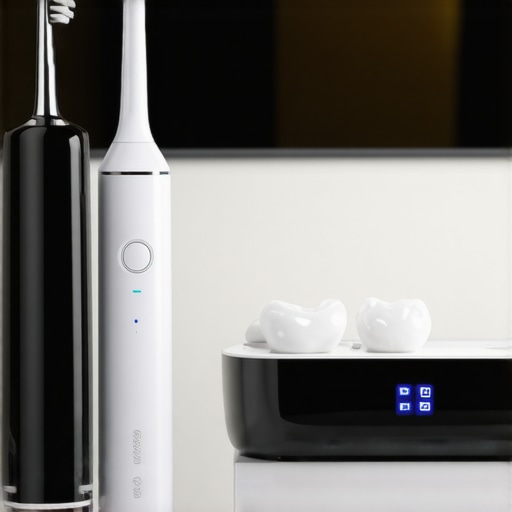
What the future holds for your family’s smile
Looking ahead, I am convinced we are moving toward a world of ‘biomimetic’ dentistry where our tools do more than just clean. I predict that within the next decade, we will see invisalign innovations that actually release minerals back into your enamel while you wear them. We are already seeing the beginnings of this with how invisalign transforms family dentistry in 2025 through AI-driven software that predicts exactly how your bone structure will respond to movement before the first tray is even printed. It is becoming less about fixing problems and more about engineering a lifetime of wellness. My challenge to you this week is to upgrade one part of your kit. Buy an ultrasonic cleaner for your retainer or night guard; it is a tiny investment that pays off in clearer aligners and significantly better breath. If you have noticed any of the red flags we discussed earlier, or if your dental work just feels ‘off,’ please contact us to schedule a deep-dive exam with a professional who understands these modern nuances.
Looking back at Ben’s fruity breath incident, the biggest lightbulb moment for me was realizing that our mouths are essentially diagnostic dashboards for our entire bodies. The first lesson I learned is that dental health is never just about the teeth; it is a complex chemistry set. When I stopped looking for hidden candy and started looking at metabolic signals, everything clicked. I also realized that invisalign myths debunked are important to understand because many parents think aligners are just for vanity, but they are actually crucial for preventing the crowded-teeth bacteria traps that lead to systemic inflammation. Second, I learned that while DIY checks are great for a start, they are no substitute for professional tracking of family dentistry trends improving oral health for all ages. Learning these family dentistry secrets for maintaining oral health saved my sanity and possibly Ben’s health.
The Metabolic Red Flags I Almost Ignored
The hardest part of this journey was admitting that I didn’t know everything about my child’s internal health. I had to learn to differentiate between a simple surface issue and a cellular one. If the scent is localized, it is a dental problem. If it is on the breath even after a deep tongue scrape, it is a bloodstream problem. I also learned that consistency in your top oral health tips for your family’s bright smiles matters more than intensity. Brushing once like a maniac won’t fix what a week of neglect started. Most importantly, I learned that modern invisalign transforms family dentistry in 2025 by allowing us to align teeth in a way that makes the entire mouth more self-cleaning, which is a major win for long-term health.
Gear That Transformed Our Family Bedtime Routine
To keep Ben and the rest of the family on track, I’ve curated a specific toolkit that goes beyond the basics. #IMAGE_PLACEHOLDER_E# I highly recommend investing in a high-quality water flosser; it is the only way to truly ensure your gums stay healthy, especially if you have recently undergone a procedure to transform your smile with crowns. We also started using an ultrasonic cleaner for my husband’s night guard and my daughter’s retainer to prevent that ‘cloudy’ bacterial buildup. Lastly, I keep a dedicated health log on my phone. Tracking energy levels and hydration alongside dental habits gives a holistic view that a single mirror check never could. These tools make the future of invisalign innovations and restorative care feel manageable rather than overwhelming.
Take the First Step Toward a Healthier Smile Today
Ben is doing great now, and those 6 AM fruity smells are a thing of the past, replaced by the routine of a healthy, happy kid. My final advice to you is simple: trust your gut and your nose. Whether you are exploring new ways to improve your child’s routine or you need to address a specific concern, remember that you are the expert on your child. If something feels off, it usually is. Don’t hesitate to contact us if you need a partner who understands these modern dental nuances and wants to help your family thrive. Have you ever noticed a strange scent on your child’s breath that led to a surprising discovery? Let me know below.