
The best way to store a knocked-out tooth until you reach the dentist
The grass was stained with a tiny bit of red, and there it was—a perfectly white front tooth lying next to my son’s cleats. My heart didn’t just skip a beat; it stopped. In that split second of Saturday morning soccer chaos, everything I thought I knew about first aid vanished. I was terrified. I was that parent. And honestly? I made the biggest mistake you can possibly make in that moment. I grabbed that tooth by the root and scrubbed it under the sink with a bit of hand soap. I thought I was ‘cleaning’ it. In reality, I was killing the very cells needed to help that tooth reattach to the jaw. It’s a mistake I still think about when I see a kid take a tumble, much like how to handle a loose tooth after an accidental trip or fall. If you are in the middle of a dental emergency right now, take a deep breath. We are going to save that smile together. I know that feeling of sheer helplessness, standing there with a tooth in your palm, wondering if your kid—or you—will ever look the same again. Today, I’m going to tell you exactly how to handle this crisis so you don’t end up needing why crowns are a game-changer in restorative dentistry sooner than you planned. I promise that by the time you finish this, you’ll know exactly which household liquid is a lifesaver and which ones are tooth-killers. We aren’t just talking about ‘making do’ until Monday morning; we are talking about the critical steps that determine whether a dentist can actually put that tooth back where it belongs permanently.
Stop Everything and Find the Tooth Immediately
Time is your absolute enemy here. You have about a 30-to-60-minute window before the prognosis for that tooth drops significantly. I’ve seen people spend twenty minutes looking for a phone to call the dentist before they even look for the tooth in the dirt. Don’t be that person. If you lose the tooth, the game is over. My neighbor once told me to just wrap it in a dry tissue, but that’s the fastest way to kill the root cells. Those cells need moisture to stay alive. Instead, find the tooth, pick it up by the crown—the white chewing part—and never, ever touch the root. Those tiny fibers hanging off the bottom are gold; treat them like they’re made of glass. If you’re wondering about the best way to store a knocked-out tooth until you reach the er, the answer is often simpler than you think. You don’t need fancy equipment; you just need to act fast and keep the tooth hydrated.
Is it really possible to just stick it back in?
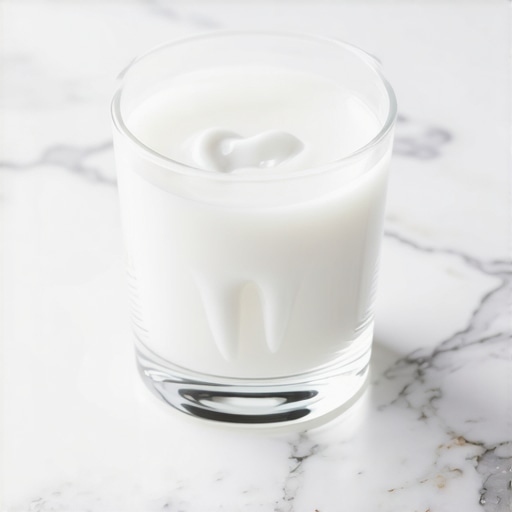
It sounds like something out of a medieval medical book, but the best storage place for a knocked-out adult tooth is often right back in the socket it came from. If it’s clean, gently push it back in and have the person bite down on a piece of gauze. Most people are too squeamish for this—and I get it, I was too. I couldn’t imagine shoving a tooth back into a bleeding socket while my child was crying. If that makes your stomach turn, or if you’re worried about top oral health tips for your familys bright smiles, then we need a Plan B. According to the American Association of Endodontists, if you can’t replant it immediately, keeping it moist in a glass of milk is the gold standard for survival. Cold, whole milk mimics the environment of your mouth just well enough to keep those root cells happy for a little while longer. Have you ever had a moment where a routine day turned into a dental emergency in five seconds? It’s a panic unlike any other. If you’re currently in this boat, you can always reach out to a professional through a contact-us page, but right now, focus on that glass of milk. We’re going to dive into exactly what fluids work and why that old ‘wet paper towel’ trick is actually a death sentence for your tooth. Staying calm is hard when there’s blood and a gap in a smile, but knowing the right move makes all the difference.
Keep Your Fingers Away from the Root
The moment you see that tooth on the ground, your instinct is to grab it. But how you grab it determines if that tooth will ever live again. Imagine the root of the tooth is like the exposed wiring of a high-end computer; if you smudge it or break those delicate fibers, the whole system fails. I remember when my nephew took a stray baseball to the mouth. My brother-in-law instinctively grabbed the tooth by the pointy end—the root—and squeezed. By the time they got to the office, those vital periodontal ligament cells were crushed. You must only touch the crown, which is the white, chewing surface of the tooth. This keeps the ‘living’ part of the tooth uncontaminated and intact. If you find yourself dealing with dental trauma frequently, it might be time to review family dentistry secrets maintaining oral health with modern techniques at 254 pm to stay ahead of the curve.
Rinse with Cold Water and Avoid the Scrubbing Instinct
If the tooth is dirty—say it fell in the mud or on a dusty gym floor—you need to clean it, but do not reach for the dish soap. You aren’t washing a dinner plate. Run it under a gentle stream of cold tap water for no more than ten seconds. Do not use a brush, do not use alcohol, and for the love of everything, do not use a towel to dry it. When I was younger, I thought ‘sterile’ meant ‘scrubbed raw,’ but in dental emergencies, moisture is life. Scrubbing removes the very tissue the dentist needs to facilitate reattachment. Keeping the tooth moist is the same principle used when top oral health tips for your familys bright smiles suggest avoiding abrasive whitening treatments that strip your enamel.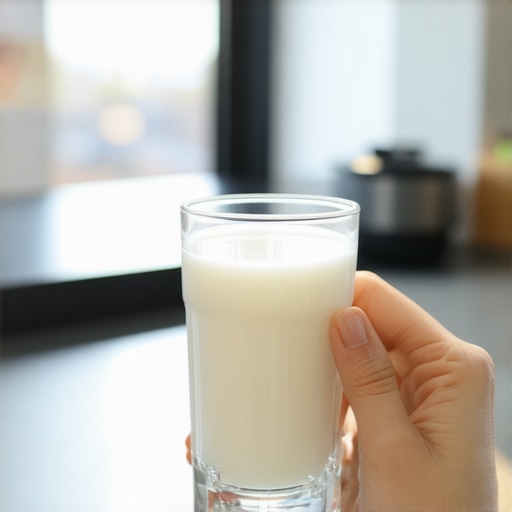
The Kitchen Pantry Trick to Save a Smile
If you cannot comfortably slide the tooth back into the socket, you need a medium that mimics the pH and pressure of your mouth. Plain water is actually a ‘death sentence’ for a knocked-out tooth because it causes the root cells to swell and burst. Instead, reach for a glass of cold, whole milk. The proteins and sugars in milk keep the cells in a state of ‘suspended animation.’ I once had a friend who kept a tooth in a small Tupperware of milk for forty minutes while driving to an emergency clinic, and the dentist was able to successfully replant it. It’s a low-tech solution that works better than almost anything else. If the tooth cannot be saved, you will eventually have to discuss why crowns are a game-changer in restorative dentistry to fill that gap and maintain your bite alignment.
Why Timing is the Only Spec That Matters
You are racing a literal biological clock. Within 30 to 60 minutes, the cells on the root start to die off. After two hours, the chances of successful replantation drop to nearly zero. This is why you should always have your dentist’s number saved under ‘Emergency.’ If you are currently in a situation where the tooth is out and you are worried about the long-term look of your smile, you might also be thinking about invisalign vs braces which solution fits your lifestyle for future alignment needs, but right now, your only job is the ‘soak and sprint.’ Get the tooth in milk and get to a professional immediately. For those who want more detailed advice on choosing a provider during these moments, look into choosing the right crown expert advice for long lasting results to see how experts handle restorative cases. Keeping your cool during those first sixty minutes is the difference between a simple replantation and a multi-step reconstructive process involving implants or bridges.The common mistake I see after a successful replantation or restorative procedure is the ‘set it and forget it’ mentality. Many patients walk out of the office thinking that once a tooth is capped, it’s basically bionic. I call this the ‘Armor Delusion.’ Everyone says a crown is the ultimate protection, but in my experience, the crown actually creates a new, hyper-specific vulnerability: the margin. This tiny seam where the porcelain meets your natural tooth is a magnet for bacteria. If you stop flossing because you think the ‘fake’ tooth can’t decay, you’re setting yourself up for a failure beneath the surface. According to a study in the Journal of the American Dental Association (JADA), the longevity of a restoration depends more on the health of the surrounding gum tissue than the material of the crown itself. This is why the ultimate guide to crowns for a healthier smile always emphasizes the gumline, not just the chewing surface. If you ignore that margin, you might find yourself searching for choosing the right crown expert advice for long lasting results much sooner than the typical 10-to-15-year lifespan of a high-quality restoration.
Why does your crown feel ‘off’ months after the numbness wore off?
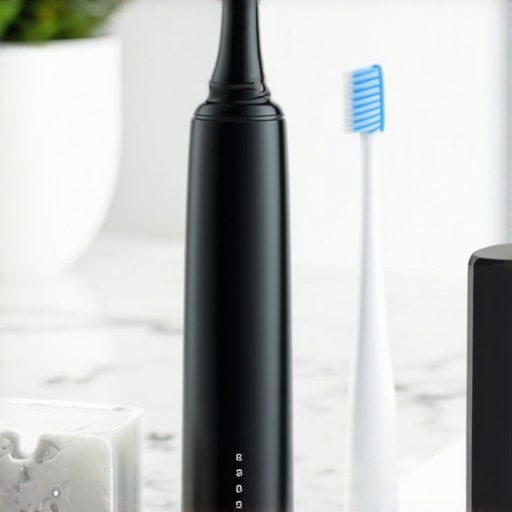
One of the most sophisticated complaints I hear is a subtle discomfort that only appears when waking up or during heavy chewing. You might think the dentist did a poor job, but often, it’s a sign of a ‘tall’ restoration affecting your bite. Even a fraction of a millimeter can trigger your jaw muscles to overcompensate. If you’ve noticed the specific reason your crown feels tall when you wake up, it’s usually because your teeth shift slightly at night, and that new crown is taking the brunt of the force. Similarly, if you’re dealing with lingering temperature issues, knowing how to manage a crown that feels sensitive to air or cold liquids can help you distinguish between normal post-op adjustment and a pulp issue that needs a second look.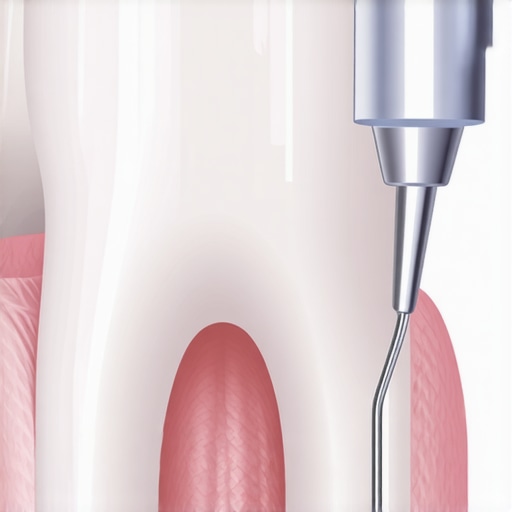 Beyond crowns, we see the same ‘aesthetic vs. health’ trap with clear aligners. People treat it like a beauty treatment, but the reality is much deeper. Misaligned teeth aren’t just a confidence killer; they are a hygiene nightmare. When teeth overlap, even the best electric toothbrush can’t reach the hidden pockets of plaque. This is one of the biggest invisalign myths debunked what you need to know today: it’s not about the straightness of the smile, it’s about the accessibility of the tooth surfaces. By aligning the bite, you are actually engaging in high-level preventative care. Looking at the hidden benefits of invisalign for family dental care in 2025 at 903 am, we see that patients with straighter teeth have significantly lower rates of periodontal disease as they age. Don’t fall for the trap of thinking oral health is just about ‘no cavities.’ It’s about the architecture of your entire mouth. Have you ever fallen into this trap of thinking a dental fix was ‘one and done’? Let me know in the comments.To truly move past the ‘Armor Delusion,’ you need tools that deal with the microscopic reality of your mouth. I personally don’t rely on string floss alone for my crowns. I use a high-powered water flosser specifically set to a pulsed mode. Why? Because the ‘margin’ I mentioned earlier is often slightly recessed. String floss can glide right over a microscopic gap, but pressurized water creates turbulence that dislodges the biofilm where it’s most dangerous. If you find your gums are reactive, you should definitely check out the safest way to use an electric toothbrush on sensitive teeth to ensure you aren’t oscillating too aggressively near those delicate margins. I’ve found that the combination of a high-frequency vibration and targeted water pressure is the only way to ensure choosing the right crown expert advice for long lasting results actually pays off over a decade.
How do I maintain my dental restorations over the next ten years?
Maintenance isn’t just about what you do in the morning; it’s about the tools you use to fight chemical erosion. I recommend switching to a hydroxyapatite-based toothpaste. Unlike traditional fluoride, which creates a protective layer on the tooth, hydroxyapatite actually bonds with the enamel and the margins of your crown to fill in micro-fissures. This is the same biomimetic philosophy championed by experts like Dr. Gordon Christensen, who notes in the Clinicians Report that the seal of a restoration is its most likely point of failure. If you are also managing aligners, you need to be just as surgical. I stopped scrubbing my trays with a toothbrush years ago because it creates micro-scratches that host bacteria. Now, I use a dedicated ultrasonic cleaner with a mild tablet. It’s the same logic found in the best way to clean your retainers without using harsh chemicals. Looking forward, the world of invisalign innovations the future of family dentistry revealed at 1137 am suggests we will soon have AI-integrated toothbrushes that can scan the health of a crown’s seal in real-time. For now, my advanced tip is this: once a week, use a disclosing tablet after your routine. It’s a humbling experience to see exactly where you’re missing plaque around your expensive dental work, but it’s the only way to guarantee you won’t need a replacement prematurely. If you have any doubts about your current setup, don’t hesitate to reach out via our contact-us-2 page to get a professional evaluation.
Hard Truths Learned After My Emergency Room Dash
Reflecting on that morning on the soccer field, I’ve realized that oral health isn’t a passive game. First, your reaction time in an emergency is your most valuable asset—don’t waste it on panic. Second, even the most expensive dental work is only as good as the gum tissue supporting it. I used to think a crown meant that specific tooth was ‘done’ with maintenance, but I was wrong. If you want to know how crowns boost oral health confidence, you have to treat the restoration with even more care than a natural tooth. Finally, I’ve learned that modern family dentistry trends improving oral health for all ages focus heavily on alignment because straight teeth are simply easier to keep alive and clean during a crisis.
My Personal Toolkit for a Lifetime of Healthy Smiles
I don’t just recommend products; I use them because they solve specific structural problems. I rely on hydroxyapatite-based toothpaste because it doesn’t just clean; it reinforces the areas where my natural enamel meets my dental work. For anyone with a restoration, a water flosser is non-negotiable for cleaning the ‘hidden’ margins where bacteria hide. I also keep a physical card with my dentist’s emergency line in my wallet—digital is great, but in a dead-phone emergency, that card is a lifesaver. If you’re currently dealing with lingering issues, it’s worth investigating the reason your gums bleed only when you use a firm toothbrush, as switching to a soft-bristle head was a game-changer for my sensitivity and the longevity of my dental work. I trust these tools because they focus on the biology of the mouth, not just the surface aesthetics.
Reclaiming Your Confidence One Habit at a Time
Dental emergencies and long-term restorations can feel overwhelming, but you are now armed with the exact knowledge needed to navigate the chaos. Whether you are managing a brand-new crown or considering the long-term benefits of alignment, remember that your daily habits are the real foundation of family dentistry. You don’t have to be perfect; you just have to be prepared and proactive. Your smile is a vital part of who you are, and it deserves the best protection modern techniques can offer. Have you ever had a dental ‘close call’ that changed how you view your daily oral health routine? Let me know in the comments below!