
The easiest way to get sticky food out from under a dental bridge
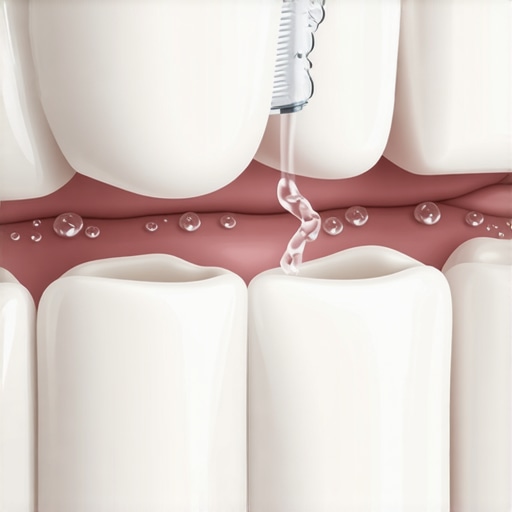
It was my niece’s graduation dinner, and I’d just ordered the prime rib—a rare celebratory treat. Everything was going great until a piece of fibrous meat decided to take up permanent residence right under my bridge. I spent thirty minutes trying to discreetly dislodge it with my tongue, looking like I was practicing for a ventriloquism act. When I finally reached for a toothpick in the bathroom, I poked so hard I made my gums bleed. I felt like a total failure. Here I was, someone who prides myself on oral hygiene, yet I was literally stabbing myself over a piece of beef. It was painful, embarrassing, and completely unnecessary.
We’ve all been there. That nagging, localized pressure that makes you want to rip the prosthetic right out of your mouth. It feels like everyone is looking at your mouth, even though they aren’t. Today, I’m going to share exactly how to handle these moments with grace and, more importantly, without causing a dental emergency. I’m going to show you the tricks I learned the hard way so you can keep your smile healthy and your dignity intact. We’ll cover the tools that actually work and why your current methods might be doing more harm than good.
Clear the Debris Without Poking a Hole in Your Gums
The biggest mistake I made early on was thinking I could ‘muscle’ the food out. I once even used a bent paperclip because I was so frustrated by a piece of sourdough crust that wouldn’t budge. My gums were sore for a week. I quickly learned that why your dental bridge feels like its trapping food often comes down to the tiny gap between the pontic and your gum line. That gap is necessary for hygiene, but it’s a magnet for everything from sesame seeds to steak. If you aren’t careful, you can irritate the tissue or even cause your bridge to fail.
According to the Mayo Clinic, allowing food particles to remain trapped under a prosthetic can lead to localized gingivitis and even decay on the healthy teeth supporting the bridge. It isn’t just about the annoyance; it’s about saving your investment and your health. If you aren’t sure if you’ve got everything out, you can tell if your dental bridge is trapping food by checking for persistent bad breath or a strange metallic taste in that specific area of your mouth.
Is this constant cleaning actually worth the trouble?
You might be thinking, ‘I didn’t sign up for a part-time job as a dental hygienist every time I eat a sandwich.’ It feels like a lot of work for just one or two teeth. But trust me, once you master the right ‘flick’ of a floss threader or a water flosser, it becomes second nature, like tying your shoes. It’s certainly better than the alternative: a massive bill for a replacement bridge or a root canal. Have you ever found yourself hiding in a restaurant bathroom, desperately trying to save your bridge from a piece of stray spinach or wondering what to do if your dental bridge comes loose during dinner?
Using the safest way to remove a popcorn kernel or a sticky piece of bread involves gentle irrigation rather than brute force. When you treat the area with a little respect, the food usually slides right out without the drama. Let’s look at the specific, gentle steps to reclaim your comfort and get back to enjoying your meal.
Stop Poking and Start Irrigating
For years, I treated my dental bridge like a stubborn window that just needed more elbow grease to open. The reality is that the space between your gum and the bridge is more like a delicate instrument that requires a gentle touch. The most effective tool in your arsenal isn’t a toothpick; it’s a water flosser. Think of it as a miniature power washer for your mouth. Instead of scraping against the porcelain or your sensitive gums, the pressurized water reaches into those microscopic gaps and flushes debris out from the back. I remember one specific Thanksgiving where a rogue piece of turkey skin felt like it had been superglued to the underside of my bridge. I slipped away to the bathroom with my portable irrigator, and within ten seconds, the pressure was gone. If you are dealing with a newer restoration, knowing how to floss around a temporary crown without pulling it off is essential to avoid a mid-dinner disaster.
Why You Need a Floss Threader in Your Pocket
Standard floss is useless for a bridge because it can’t go through the top. You have to go under. This is where the floss threader becomes your best friend. It’s essentially a flexible plastic needle that carries the floss through the gap. You thread it, pull it through, and then use a ‘C-shape’ motion to hug the natural teeth supporting the bridge. Many people find this tedious at first, but it is one of the family dentistry secrets maintaining oral health with modern techniques at 254 pm that truly extends the life of your dental work. If you skip this, bacteria build up in the ‘dead zones’ where your toothbrush can’t reach.
The Tiny Brush That Reaches Everything
If the water flosser is the power washer, the interdental brush is the detail scrub brush. These tiny, pine-tree-shaped brushes are designed to slide into the spaces between teeth and under the bridge’s pontic. I carry a few of these in my bag at all times. They are much safer than trying to use a fingernail or a paperclip. Using these regularly helps prevent that common complaint where why your gums feel sore after getting a new dental crown or bridge. It’s about clearing the biofilm before it hardens into tartar. I once had a scare at a formal wedding, not just with food, but worrying about how to handle a sudden chip in your front tooth at a wedding, and having these tools on hand gave me the confidence to enjoy the meal without constant anxiety.
Calm the Irritation After a Deep Clean
After you’ve successfully removed the trapped food, your gums might feel a bit angry or swollen from the pressure. Don’t immediately reach for harsh mouthwashes that contain alcohol, as these can sting and dry out the tissue. Instead, use the salt water rinse trick for a sore mouth to reduce inflammation naturally. A simple teaspoon of salt in warm water acts as a gentle disinfectant and helps the gum tissue ‘tighten’ back up around the bridge. This step is crucial because it prevents the area from becoming a recurring pocket for more food to get stuck later that evening.Let’s dig deeper. Most people treat their restorations like armor. They think a crown or bridge means the tooth is officially ‘off the hook’ for cavities. But here’s the contrarian truth: your crowned tooth is actually at higher risk for sneaky decay than a natural tooth. Why? Because the margin—the microscopic seam where the porcelain meets your real tooth—is a 360-degree ‘shelf’ for bacteria. Everyone says once it’s capped, it’s safe, but in my experience, that seam is the frontline of a new battle. This is precisely why crowns are a game changer in restorative dentistry, but only if you acknowledge their vulnerability.
There’s also a common misconception about alignment and longevity. Many view orthodontic work strictly as a vanity project. However, invisalign myths debunked reveal that it’s actually a functional preventative tool. When teeth are crowded or tilted, the shearing forces during chewing aren’t distributed evenly across your bridge or crowns. This leads to micro-fractures in the porcelain and eventual gum recession. If you’ve noticed why your invisalign trays feel tighter on some days than others, it is often because your periodontal ligament is actively remodeling to save your bite from future trauma.
Could That High Spot Be Masquerading as Sinus Pain?
This is where the nuance gets really interesting. Have you ever had a toothache that seemed to ebb and flow with the weather? You might think it is the connection between your sinus infection and your tooth pain, but if you have a bridge or crown, it could be a ‘high spot.’ A restoration that is even a fraction of a millimeter too tall can cause the ligament to become chronically inflamed. A study in the Journal of the American Dental Association (JADA) highlighted that even minor occlusal interferences can lead to pulpitis—inflammation of the tooth’s nerve—that mimics sinus pressure or generalized facial pain. Knowing how to stop your new crown from feeling too high when you chew is about more than just comfort; it’s about preventing premature nerve death and costly retreatments.
The ‘oops’ factor I see most often in my years of dental care is ‘Scrubber’s Remorse.’ Patients get so obsessed with cleaning under the bridge that they use stiff, abrasive tools or even household items that create micro-scratches in the prosthetic surface. These scratches then act as anchors for even more biofilm and plaque. It’s a vicious cycle that ruins the very work you’re trying to save. Instead of scrubbing harder, focus on chemical disruption and gentle irrigation. Finally, remember that your needs change. One of the biggest family dentistry secrets maintaining oral health with modern techniques at 254 pm is recognizing that different life stages require unique tools. While a teenager might need simple flossing, an adult with a bridge needs a specialized toolkit. Have you ever fallen into this trap of over-cleaning and making things worse? Let me know in the comments.After realizing that scrubbing too hard is the enemy, I had to rethink my entire bathroom setup. I ditched the cheap manual brushes and moved to a high-end sonic model that does the heavy lifting for me. Dr. Gordon Christensen, a world-renowned expert from the Clinicians Report, has often emphasized that the ‘fluid dynamics’ created by sonic vibrations can actually disrupt biofilm several millimeters beyond the reach of the actual bristles. This is a total game changer for anyone with bridges or implants. If you have been curious about the safest way to use an electric toothbrush on sensitive teeth, the trick is to simply guide the head and let those 31,000 brush strokes per minute do the work without pressing down.
How do I keep my dental work from wearing out early?
The secret to longevity isn’t just about how you brush; it’s the chemistry you introduce to the area. I personally transitioned to a prescription-strength fluoride paste with 5000 ppm every night before bed. While standard grocery store pastes are great for basic hygiene, once you have invested in professional work, you need to ‘harden’ the margins where the prosthetic meets the natural tooth. This is one of the top oral health tips for your familys bright smiles that effectively prevents recurrent decay under expensive work. When choosing the right crown expert advice for long lasting results, most top-tier clinicians will tell you that maintaining the seal is your number one priority. I also keep a stash of rubberized soft picks in my car. If you wait until you get home to clear out a piece of trapped food, the bacteria have already started the acid-production process. Immediate removal is the only way to stay ahead. Looking forward, I predict that within five years, our toothbrushes will provide real-time AI analysis of our gum health, syncing with our dental offices for proactive care. We have already seen the beginnings of this with invisalign innovations the future of family dentistry revealed at 1137 am, where digital scans are now used to track tooth movement with incredible precision. 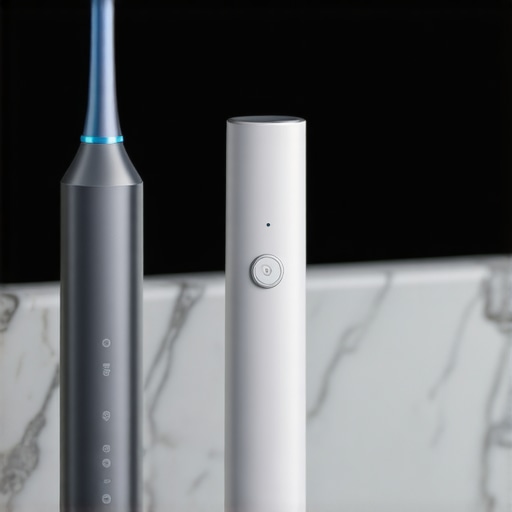 Stop treating your dental visits as the only time your restorations get attention. Your daily toolkit is the primary factor in whether a crown lasts five years or twenty-five. Tonight, I want you to try one specific advanced tip: after you brush, do not rinse your mouth with water. Let that thin layer of toothpaste residue sit on the margins of your bridge or crowns for at least thirty minutes. It feels unusual at first, but that extra contact time is what allows the minerals to truly bond with your teeth and protect your investment.
What My Dentist Never Actually Mentioned About Long-Term Bridges
After years of managing prosthetic work, I have come to realize that the psychological hurdle is often bigger than the physical one. You start to develop a sort of ‘phantom food’ paranoia, where you are constantly checking the area even when it’s clean. One of the biggest lightbulb moments I had was realizing that saliva quality matters; when you are dehydrated, your saliva becomes thick and sticky, making it much harder for food to slide out. Drinking more water throughout a meal isn’t just for digestion—it’s a mechanical lubricant for your bridge.
Another hard-earned lesson is that your bridge is a living part of your mouth’s ecosystem. I used to think of it as a piece of hardware that was ‘done,’ but your gums will continue to change over time. If you notice increased food trapping, it might not be a failure of the bridge, but a natural shift in your gum line. Staying on top of family dentistry trends improving oral health for all ages ensures you are using the most current advice for your specific decade of life.
My Personal Survival Kit for Eating Out with Confidence
I never leave the house for a dinner date without a few specific tools. First, I highly recommend a portable water flosser; it fits in a purse or glove box and saves you from the frustration of a stuck seed during a four-course meal. Second, GUM Soft-Picks are far superior to wooden toothpicks because they bend with the contours of the bridge without splintering. These are essential top oral health tips for your familys bright smiles that I’ve shared with everyone I know who has restorative work.
I also swear by using a specific high-fluoride rinse right before bed. This isn’t just about breath; it’s about ‘re-mineralizing’ the anchor teeth that hold the whole structure together. When choosing the right crown expert advice for long lasting results, many pros will tell you that the hygiene you perform at 11:00 PM is what determines if that bridge lasts 20 years. #IMAGE_PLACEHOLDER_E#
Don’t Let Your Dental Work Dictate Your Social Life
It’s easy to become so focused on the maintenance that you forget to enjoy the meal. Remember that your bridge was designed to give you back your function and your confidence, not to take it away. By incorporating family dentistry secrets maintaining oral health with modern techniques at 254 pm into your daily rhythm, you turn a chore into a simple habit. Your oral health is a long-term investment, and a little bit of grace goes a long way. You’ve got the tools, you’ve got the knowledge, and now you have the power to eat that steak dinner without a second thought. Have you ever had a specific food that was a total nightmare to clean out from under your dental work? Let me know your ‘steak vs. bridge’ stories in the comments below!