
Why your front teeth look shorter than they used to
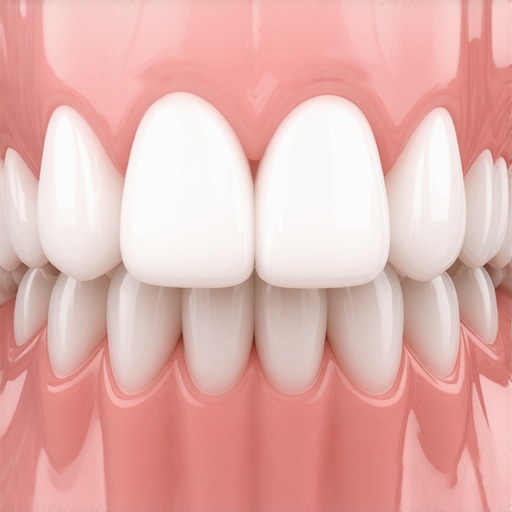
I remember standing in my bathroom about six months ago, squinting at my reflection with a toothbrush in hand, and thinking, “Were my front teeth always this stubby?” It wasn’t a sudden change, but rather one of those slow-motion realizations that hits you all at once. I used to have these nice, prominent central incisors, but lately, they looked like they were retreating. For a while, I tried to convince myself it was just the lighting or maybe I was just getting older, but deep down, I knew something was off. My smile felt compressed. If you’ve ever felt like your teeth are disappearing, you aren’t imagining things, and you certainly aren’t alone. Today, we’re going to dive into the real reasons your teeth are shortening and, more importantly, how we can actually bring that smile back to life.
The morning I realized my smile was literally shrinking
The truth is, I made a classic mistake for years. I assumed that because nothing hurt, everything was fine. I would wake up with a tight jaw and just brush it off, never making the connection between grinding your teeth and those constant morning headaches. I thought the wear and tear was just a natural part of the aging process. It turns out, that’s a total myth. Teeth don’t just naturally shrink; they are worn down by friction, acid, or structural issues. According to the American Dental Association, bruxism affects about 10% to 15% of adults, and the force of grinding can eventually lead to significant enamel loss and visible shortening of the tooth structure.
Maybe you’ve noticed it when you’re trying to take a selfie and your teeth barely show, or perhaps you’ve felt a “zing” when drinking cold water. That loss of length is usually a sign that your protective enamel is thinning out. I waited way too long to address it, and by the time I did, I was looking at more intensive repairs than if I had just listened to my body earlier. We’re going to talk about everything from simple adjustments to how crowns are a game-changer in restorative dentistry when the wear has gone too far.
Is a professional dental fix actually worth the investment?
I get the skepticism. Dental work can feel like a massive hurdle, and it’s tempting to look for how to stop grinding your teeth without an expensive night guard before committing to a chair. But when your front teeth start looking like they’ve been sanded down, you’re not just dealing with a cosmetic issue; you’re losing the functional protection of your bite. My goal is to show you which solutions actually stick and which ones are just temporary fixes. Have you ever looked at an old photo and realized your teeth used to look much longer than they do today? If so, was it a sudden realization like mine, or something your dentist pointed out during a routine visit?
Figure out exactly what is eating your enamel
Before you can fix the length, you have to identify the thief. For most of us, it’s a silent battle between mechanical wear and chemical erosion. I used to think my morning coffee was harmless, but I didn’t realize that sipping on acidic drinks all day softens the enamel, making it easier for nighttime grinding to sand it down. If you’ve noticed the reason your teeth feel fuzzy even after brushing, it might not just be a cleaning issue; it could be the literal texture of your teeth changing as they wear. You also have to watch out for ‘wellness’ trends that backfire. For instance, the truth about charcoal toothpaste and its effect on your enamel is that it’s often too abrasive for daily use, acting like sandpaper on already thinning teeth.
Ditch the DIY guards and protect your bite properly
Once you know you’re a grinder, the instinct is to grab the cheapest guard available. I’ve been there. I bought a bulky mouthguard at a sporting goods store, thinking I was being savvy. It was so thick I couldn’t close my lips, and I woke up with my jaw feeling like it had been in a wrestling match. Worse, I later learned that an ill-fitting guard can actually cause the reason your face feels sore after a night of heavy dreaming by forcing your muscles to work harder. A custom-fit guard from a professional is thinner, more comfortable, and actually preserves your remaining tooth structure without shifting your bite.
#IMAGE_PLACE_HOLDER_B#
Why crowns are the heavy lifters of smile restoration
When the shortening is significant, you can’t just ‘fill’ it back to health. Dental bonding is great for small chips, but it lacks the structural integrity to handle the crushing forces of chewing when used to extend the length of a front tooth. This is exactly why crowns are a game-changer in restorative dentistry. A crown acts like a helmet for your tooth, protecting the sensitive inner layers while restoring the original proportions of your smile. I remember seeing the 3D model of my own teeth and realizing how much ‘vertical dimension’ I had lost. By using the ultimate guide to crowns for a healthier smile, you can choose materials like zirconia or porcelain that look identical to natural enamel but offer much higher durability.
Fix the alignment to prevent future sandpapering
Sometimes the issue isn’t just grinding; it’s that your teeth are poorly positioned. If your teeth are crowded or tilted, they might hit each other at odd angles, leading to accelerated wear in specific spots. This is how Invisalign transforms family dentistry in 2025. By shifting the teeth into their correct anatomical positions, you ensure that the pressure is distributed evenly. Think of it like rotating the tires on your car—it prevents one side from balding faster than the rest. If you’ve noticed why your smile looks crooked in photos and how to fix it, addressing that alignment now can save you from needing massive restorative work a decade down the line.
Wait for the healing process to settle in
When you finally do get work done, whether it’s a guard or a new restoration, your mouth needs time to recalibrate. It’s common to feel like something is slightly off at first. You might wonder why your new filling feels high when you bite down on the left side or why a new crown feels different. This is usually just your brain getting used to the ‘new’ (but actually old and correct) height of your teeth. Give it a few days for the muscles to relax before you decide if a tiny adjustment is needed.
Many people believe that as we hit our 40s and 50s, a certain amount of tooth shortening is just an inevitable part of ‘getting older.’ This is the first major myth we need to bust. In reality, your teeth are designed to last a lifetime with minimal change in length if the environment in your mouth remains stable. When I see a patient with significantly shortened incisors, I’m not looking at a ‘natural’ aging process; I’m looking at a historical record of trauma, whether that’s chemical or mechanical. One of the most overlooked factors is ‘silent reflux.’ You might not feel the burn of traditional heartburn, but according to research published in the Journal of Oral Rehabilitation, gastric acid can reach the oral cavity at night, softening your enamel just enough so that even light grinding becomes devastating. This synergy between acid and friction is why some people’s teeth seem to disappear overnight while others remain perfectly long into their 80s. Learning these family dentistry secrets maintaining oral health with modern techniques at 254 pm is the first step in stopping the erosion before it requires a full-mouth reconstruction.
The invisible acid that eats your smile while you sleep
We often talk about ‘mechanical wear’—the literal grinding of tooth against tooth—but the chemical component is the silent partner in crime. If your saliva pH drops due to diet or health issues, your enamel becomes as soft as chalk. In this state, even the ‘safe’ habit of brushing can be destructive. I’ve seen patients who were obsessed with hygiene actually accelerate their tooth loss because they didn’t know how to tell if your gums are receding from brushing too hard or that they were scrubbing away softened enamel. The ‘oops’ factor here is timing; if you’ve just had something acidic, you should wait at least 30 minutes before brushing to allow your saliva to remineralize the surface. Ignoring this nuance is like using sandpaper on a wet piece of wood.
#IMAGE_PLACE_HOLDER_C#
Does your night guard actually stop the damage or just hide it?
Here is a hard truth: a night guard is often just a sacrificial lamb. It protects your teeth from wearing down further, but it doesn’t necessarily stop the muscle activity of grinding. In fact, for some patients, a bulky, poorly fitted guard can act like a chew toy, actually increasing the force your jaw muscles exert. This is why you might notice why your crown feels like it has a high spot only when you grind at night. The goal isn’t just to put a barrier between your teeth; it’s to find a solution that relaxes the musculature. This is where advanced diagnostics come in, helping us determine if the wear is caused by a misaligned bite that needs more than just a piece of plastic to fix.
Why alignment is the ultimate long-term preservative
If your teeth are even slightly out of position, they aren’t sharing the workload of chewing evenly. One or two teeth end up taking 80% of the force, leading to ‘abfraction’—those little notches at the gumline—and rapid shortening. Correcting this isn’t just about aesthetics. By looking at invisalign myths debunked what you need to know today, we can see that modern clear aligners are actually a preventative tool. They move the teeth into a ‘self-protecting’ architecture where the front teeth protect the back teeth during side-to-side movements. Once that foundation is set, then and only then should you consider choosing the right crown expert advice for long lasting results to restore the lost height. Have you ever fallen into the trap of thinking a quick cosmetic fix would solve a structural grinding problem? Let me know in the comments.
Once the restorations are in place—whether you have opted for a full set of crowns or just finished your alignment journey—the real work shifts to preservation. I think of my mouth like a high-performance engine; you wouldn’t buy a Ferrari and then never change the oil. For me, that ‘oil change’ starts with a high-quality water flosser. If you have never used one, be prepared: why your gums throb after you use a water flosser for the first time is usually just a sign of increased blood flow and the removal of deep-seated bacteria you have been missing for years. I personally use mine on a medium-pulse setting specifically to stimulate the gingival tissue around my new crowns, ensuring the seal stays tight and healthy. Maintenance isn’t just about the teeth; it’s about the appliances that protect them. If you are wearing a night guard or Invisalign retainers, they can become a breeding ground for calcium deposits and that ‘fuzzy’ feeling caused by bacteria. Instead of buying those expensive effervescent tablets that smell like a chemistry lab, I swear by the vinegar soak that safely sanitizes your retainers and guards. It is cheap, effective, and won’t degrade the medical-grade plastic of your custom guard over time.
How can I make sure these repairs actually last a lifetime?
The secret lies in the ‘fit and check’ protocol. Even the best dental work can shift slightly as your bone structure matures. This is where invisalign innovations the future of family dentistry revealed at 1137 am comes into play, using digital scanning to ensure that your ‘forever’ alignment stays exactly where we put it. According to clinical data from the Journal of Prosthetic Dentistry, monolithic zirconia—often used in modern crowns—demonstrates incredible fracture toughness, but it relies heavily on a balanced bite to prevent wearing down the opposing natural teeth. I recommend visiting your dentist every six months not just for a cleaning, but for a ‘bite calibration’ to ensure no new high spots have developed from subtle shifts in your jaw.#IMAGE_PLACE_HOLDER_D#If you are currently in the middle of an alignment process, you know the frustration of a tray that just won’t sit right. I found that how to seat stubborn invisalign trays using the munchie technique is the single most effective way to ensure your teeth are actually moving into the positions designed by the software. This small tool ensures the ‘tracking’ is perfect, which is the difference between a six-month treatment and a twelve-month headache. Looking ahead, I predict we are less than five years away from ‘smart’ night guards. These will likely contain micro-sensors that sync to your phone, telling you exactly how many minutes you spent grinding and the ‘PSI’ of the force you used. This data will allow us to adjust your treatment in real-time, perhaps even triggering a gentle haptic vibration to break the grinding cycle before you do any damage. For now, we rely on these family dentistry secrets maintaining oral health with modern techniques at 254 pm to stay ahead of the curve. My advanced tip for you? Next time you are cleaning your guard, use a soft-bristle brush and non-abrasive soap instead of toothpaste, which can create micro-scratches that trap bacteria.
The Hard Truth About Saving Your Smile Before It’s Too Late
Reflecting on my own journey, the biggest “lightbulb moment” was realizing that dental wear isn’t just about how things look; it’s about how they function. One lesson I learned the hard way is that ignoring a slight chip is like ignoring a crack in a windshield—it will spread and eventually compromise the whole structure. I also discovered that family dentistry secrets maintaining oral health with modern techniques at 254 pm are often just about consistency rather than complex procedures. Don’t wait for pain; if your teeth look shorter today than they did in your old photos, the time to act is now before you lose more vertical dimension.
My Daily Arsenal for Maintaining Restored Teeth
I’ve narrowed down my routine to a few non-negotiables that keep my restorations and natural enamel in peak condition. #IMAGE_PLACE_HOLDER_E# First, I use a high-quality water flosser, though you should be prepared for why your gums throb after you use a water flosser for the first time—it is actually a sign of increased blood flow and health returning to the tissue. Second, I have moved away from abrasive store-bought cleaners; instead, I rely on the vinegar soak that safely sanitizes your retainers and guards to keep my night guard fresh without scratching the surface. Finally, I always check the truth about soft vs hard toothbrushes for receding gums before buying new supplies to ensure I am not scrubbing away the very enamel I am trying to save.
Reclaiming the Smile You Thought You Lost Forever
The path back to a full, healthy smile isn’t always linear, but it is incredibly rewarding once you see those natural proportions return. Whether you are currently researching the ultimate guide to crowns for a healthier smile or weighing your options between invisalign vs braces which solution fits your lifestyle, remember that every step you take is an investment in your long-term oral health. Modern dentistry isn’t just about survival; it’s about thriving with a smile that makes you feel confident in every photo and every conversation. Have you noticed your teeth looking a bit shorter lately, or did a dentist have to point it out to you first?