
Why your teenager’s gums are suddenly puffy and red
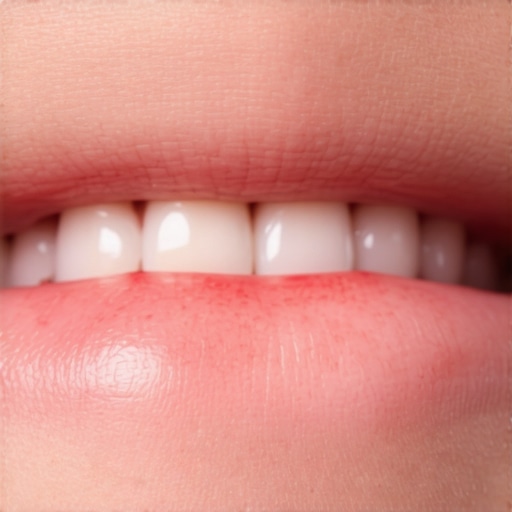
I remember the morning my seventeen-year-old sat down for breakfast, and when he laughed at a meme, I actually winced. His gums didn’t just look pink; they looked like angry, over-inflated balloons. My first instinct—the one I’m still slightly embarrassed about—was to immediately lecture him about his hygiene habits. I assumed he’d been skipping the floss for a month. I made the classic mistake of telling him to ‘just scrub them harder,’ which I later learned is exactly the reason your gums bleed even more. It turns out, that sudden puffiness isn’t always a sign of a total hygiene strike. Today, we’re going to figure out why this happens during the teen years, whether it’s ‘puberty gingivitis’ or the hidden traps of orthodontic gear, so you can stop the nagging and start the healing.
The Morning I Realized Something Was Wrong
Watching your child grow up involves a lot of weird transitions, but seeing their oral health take a nosedive is particularly stressful. I’ve always been big on family dentistry and keeping those smiles bright, so when the redness showed up, I took it personally. I felt like I had failed. But after a quick, panicked call to our dentist, I realized that teenagers’ bodies are essentially a biological construction site. Sometimes, why your child’s gums look swollen isn’t about what they are doing, but what their hormones are doing to them. According to the American Academy of Periodontology, the surge in sex hormones during puberty can increase gum sensitivity and lead to a more intense reaction to plaque. It’s a real thing called puberty gingivitis, and it’s more common than you’d think. Have you noticed a sudden change in your teen’s gums that seemed to happen almost overnight?
Is this really just about them being lazy with the brush?
It’s the question every parent asks. We see the puffiness and we assume they’ve given up on self-care. While it’s true that teens aren’t always the most diligent brushers, there’s often more to the story. If your teen is currently in braces or navigating invisalign vs braces, the hardware itself can be a magnet for bacteria. I remember struggling to help my son navigate his new routine, only to realize I was giving him the wrong advice. I was so focused on the ‘how’ of brushing that I forgot the ‘why’ of the inflammation. We’re going to walk through the steps to distinguish between a simple cleaning issue and a hormonal shift that needs a different approach entirely.
Why Your Teen Needs a Different Brush Strategy
The first step isn’t just to tell them to brush more; it’s to change how they brush. When my son’s gums were at their worst, I watched him basically attack his teeth with a manual brush, thinking friction was the cure. It isn’t. You need to guide them toward a technique that focuses on the gum line without causing trauma. I finally sat him down and explained that his gums are like a bruised muscle—they need therapy, not a workout. We looked into family dentistry secrets for maintaining oral health with modern techniques and realized that a softer, more rhythmic approach was essential.
Stop the Bleeding with This Simple Rinse
Before you reach for the heavy-duty antiseptic mouthwashes that can actually cause a sting, try the old-school method. I’m a huge advocate for the salt water rinse trick for a sore mouth. It’s simple, cheap, and it works by drawing out the fluid that makes gums look so puffy. I had my son do this twice a day, especially after he’d been eating anything acidic. It’s not a permanent fix for plaque, but it’s the fastest way to bring down the ‘angry’ look of the tissue so you can actually see where the cleaning needs to happen.
The Right Way to Handle Braces and Aligners
If your teen has hardware in their mouth, the game changes entirely. Whether they are weighing invisalign vs braces or already mid-treatment, those brackets and trays are magnets for the bacteria that trigger puberty gingivitis. One Tuesday night, my son came to me with a wire poking his cheek—a classic case of how to handle a loose bracket if you can’t reach your orthodontist. In that moment of stress, I realized he hadn’t been using his tools correctly because they were ‘too much work.’ We switched tactics. Instead of traditional flossing, which he hated, we tried a water flosser. It was a game-changer, though there is definitely a trick to using a water flosser without making a total mess of the bathroom mirror.
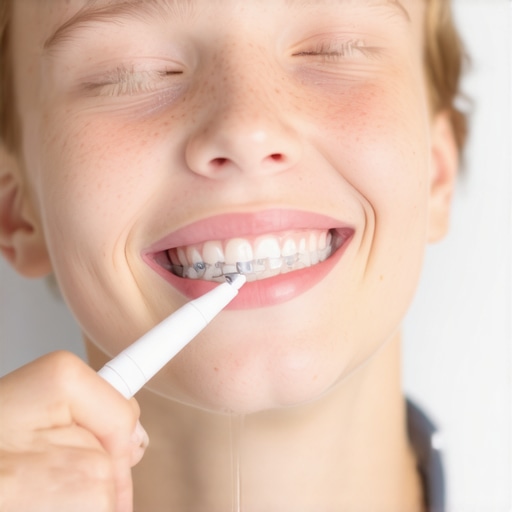
Why a Gentle Touch Beats Hard Scrubbing Every Time
It sounds counterintuitive, but if your teen’s gums are bleeding, you often need to go softer, not harder. I remember the lightbulb moment for my kid when I bought him a high-quality electric brush. I had to teach him the safest way to use an electric toothbrush on sensitive teeth—you basically let the brush do the work while you just guide it along the gum line. No pressure, no scrubbing. This shift from manual to mechanical cleaning reduced the inflammation because it was consistent and gentle. If your teen feels like their teeth are still ‘fuzzy’ after brushing, it’s usually because they’re missing the transition point where the tooth meets the gum, not because they didn’t scrub hard enough. Focusing on that 45-degree angle makes all the difference in clearing out the plaque that hormones are making their body overreact to.
While most parents assume clear aligners are the easier route for a teen’s self-esteem, there is a hidden nuance that many professionals are only now highlighting. We often hear that aligners are better for hygiene because you can take them out, but invisalign myths debunked reveal a different reality: the greenhouse effect. When a teen snaps those trays back in without a perfect clean, they are essentially vacuum-sealing bacteria against already sensitive, hormone-driven gums. I’ve seen cases where kids with aligners actually had more inflammation than those with traditional brackets because the saliva—our mouth’s natural cleaning agent—couldn’t reach the tooth surface. It’s a classic trap of modern invisalign innovations where the convenience can sometimes mask a brewing problem if the protocol isn’t followed to the letter.
Why do gums stay red even with 22-hour wear?
This is the advanced question that stumps many parents. Your teen is wearing the trays, they are rinsing them, and yet the puffiness persists. A study published in the Journal of Orthodontics suggests that while plaque volume might be lower with clear aligners compared to metal braces, the bacterial composition of the biofilm changes when it is deprived of oxygen under the plastic. This anaerobic environment can encourage specific bacteria that trigger an aggressive immune response in teens. It’s not just about cleaning the teeth; it’s about the hidden spots most people miss while brushing their teeth before they put those trays back in. If the bacteria are locked in, the gums stay in a state of constant ‘high alert.’ 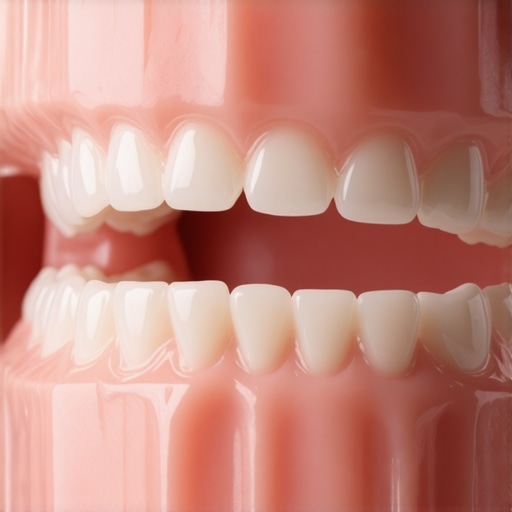
The Hidden Danger of Assuming Crowns Are Bulletproof
Another common mistake I see involves the transition to restorative work. When a teen needs a crown due to a sports injury or severe decay, parents often think the job is done once the porcelain is placed. However, choosing the right crown expert advice for long-lasting results means understanding that the margin where the crown meets the gum is the new ‘front line.’ If your teen’s gums are already inflamed from puberty gingivitis, that crown margin becomes a magnet for further irritation. We need to stop viewing why crowns are a game changer as a ‘fix and forget’ solution and start seeing them as a high-maintenance area that requires even more precision than a natural tooth. Have you ever fallen into this trap of thinking the dental work was the end of the journey? Let me know in the comments.Once we realized that the teen years require a specialized approach, we stopped guessing and started building a ‘survival kit’ for his mouth. It wasn’t just about getting him to brush; it was about giving him the equipment that made the job easier. For us, that meant investing in a high-quality water flosser. I’ll be honest, the first few days looked like a sea park splash zone, but once he mastered the trick to using a water flosser without making a total mess, the inflammation around his brackets started to recede almost immediately. We also shifted to a smart electric toothbrush that vibrates when he presses too hard. This was crucial because learning the safest way to use an electric toothbrush on sensitive teeth prevented him from wearing down his enamel while trying to combat that ‘fuzzy’ feeling hormones can cause.
How do I keep their smile healthy for the long haul?
Maintenance isn’t a one-time fix; it’s about building a rhythm that survives the chaos of high school. We found that consistency beat intensity every single time. Instead of one aggressive cleaning, we focused on micro-habits, like a quick rinse after every sugary drink. If your teen is managing restorations, you have to be even more vigilant. For example, knowing what to eat after getting a new dental crown is just the start; the real work is ensuring they don’t treat that crown like a tool for opening bags or biting nails. We treated his oral health like an investment, looking into family dentistry trends improving oral health for all ages to see what worked for other families in our boat. According to Dr. Nigel Carter of the Oral Health Foundation, the ‘preventative’ mindset—focusing on the biofilm rather than just the visible plaque—is the only way to avoid chronic issues later in life. 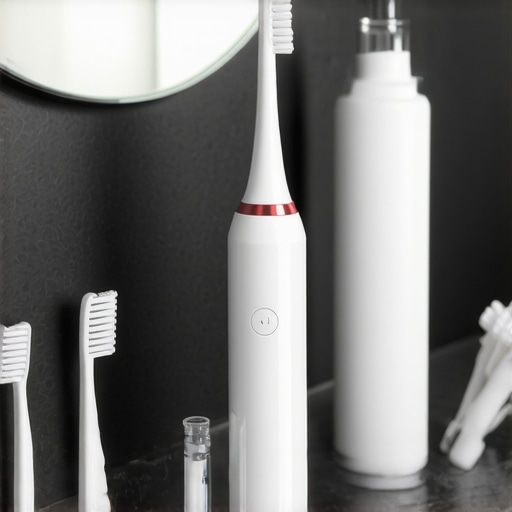
The future of tracking your family’s dental health
I truly believe we are moving toward a world where home-based diagnostic tools will be as common as thermometers. We’re already seeing how how invisalign transforms family dentistry in 2025 with AI-integrated apps that track tooth movement and gum health in real-time. In the coming years, I predict that advanced imaging, like the tech used when why finding the best dentistry in culpeper va usually starts with a 3d cbct scan, will become even more accessible, allowing us to catch issues before they ever require a crown. If you want to see a change today, I highly recommend trying the ‘two-minute timer’ challenge with a water flosser—it’s the single most effective tool for clearing out the bacteria that teen hormones love to feed on.
What No One Tells You About Teen Hormones and Gums
Through this journey with my son, I discovered a few hard truths that changed my approach to parenting his hygiene. First, realize that their body is in biological hyper-drive; a tiny amount of plaque that wouldn’t bother an adult can cause a massive inflammatory response in a teenager. Second, ‘brush harder’ is often the worst advice you can give—it leads to bleeding and receding tissue. Third, I learned that family dentistry secrets for maintaining oral health with modern techniques are more about smart technology than just old-school scrubbing.
#IMAGE_PLACEHOLDER_E#
My Go-To Toolkit for a Teen’s Healthy Smile
If you want to move past the puffy gum phase, I swear by these three specific tools. I always keep a box of sea salt handy because the salt water rinse trick for a sore mouth is the fastest way to calm down ‘angry’ tissue. We also moved to a water flosser early on—just make sure you and your teen learn the trick to using a water flosser without making a total mess of your bathroom mirror. Finally, I trust the objective data from our dentist’s regular exams to show my son exactly where his hygiene needs a boost, turning a potential lecture into a shared health project.
Give Your Teen the Tools to Own Their Smile
At the end of the day, your teen’s oral health is a partnership, not a battleground. By providing them with the right tools—like a pressure-sensitive electric brush—and showing them the safest way to use an electric toothbrush on sensitive teeth, you’re giving them autonomy over their own confidence. Modern family dentistry trends improving oral health for all ages make it easier than ever to bridge the gap between puberty and a lifetime of healthy smiles. Has your teen struggled with puffy gums since they started their orthodontic journey? Let me know your experience below!