
How to stop grinding your teeth without an expensive night guard

I woke up one Tuesday morning and felt like I had spent the entire night chewing on a leather boot. My jaw was locked, my temples were throbbing, and I could barely open my mouth wide enough to brush my tongue. It was a familiar, miserable routine. For years, I just assumed this was the tax I paid for being a person who stresses out about everything from deadlines to the laundry. I knew I was grinding, and I knew I needed help, but when my dentist quoted me nearly six hundred dollars for a custom-made night guard, I almost fell out of the chair. That is a lot of money for a piece of plastic. If you have ever felt that face soreness after a night of heavy dreaming, you know the desperation. You want relief, but you do not want to choose between your dental health and your car payment.
Stop Throwing Money at Bulky Plastic Mouthpieces
I made a massive mistake early on by trying those cheap ‘boil-and-bite’ guards from the local drugstore. I thought I was being smart and saving cash, but honestly? It made my grinding worse. Because the plastic was so thick and squishy, it actually encouraged my jaw to chew more during the night. I was essentially giving my masseter muscles a gym workout while I slept. This led to constant morning headaches that made it impossible to start my day without a handful of ibuprofen. It was a classic case of trying to fix a complex problem with a crude tool. Today, I am going to show you that you do not necessarily need a piece of expensive laboratory acrylic to get your life back. We are going to look at the physiological triggers and the small, free habit shifts that actually work.
Can lifestyle changes really replace a professional guard?
You might be skeptical. I was too. We are taught that the only way to protect our teeth from the incredible pressure of bruxism—which the Mayo Clinic notes can be triggered by everything from anxiety to sleep apnea—is to put a physical barrier between them. While barriers help protect the enamel, they do not stop the habit. My goal is to help you address the root cause so you do not end up needing expensive dental crowns down the road to repair fractured teeth. If you have ever noticed that your jaw clicks when you yawn, your body is already sending you warning signals. Have you ever looked at a dental quote for a night guard and felt like there just had to be a better way? Let’s dive into what actually works without breaking the bank.
Master the Lips Together Teeth Apart Rule
Your teeth should only touch when you are chewing or swallowing. That is it. For the other twenty-three hours of the day, there should be a sliver of space between your upper and lower arches. This is called the ‘freeway space.’ When you lose this gap, you are constantly engaging the muscles of the face, leading to that exhaustion you feel in the morning. Think of it like holding a heavy grocery bag with a bent elbow all day; eventually, the muscle is going to scream.
Use Your Tongue as a Natural Spacer
The easiest way to find this position is to place the tip of your tongue against the roof of your mouth, just behind your front teeth—this is often called the ‘N’ position. I spent three weeks with a recurring timer on my phone that went off every thirty minutes. Every time it buzzed, I would check my jaw. Nine times out of ten, I was clenching like I was trying to crush a diamond. By forcing that tongue-up position, I effectively deactivated the ‘clench’ signal to my brain. It is like putting a doorstop in a door that keeps trying to slam shut. I remember one afternoon during a stressful work call where I realized I was biting my tongue on purpose just to keep my teeth apart. It was messy and painful, but it was the wake-up call I needed to realize how much manual effort it takes to retrain a subconscious habit. 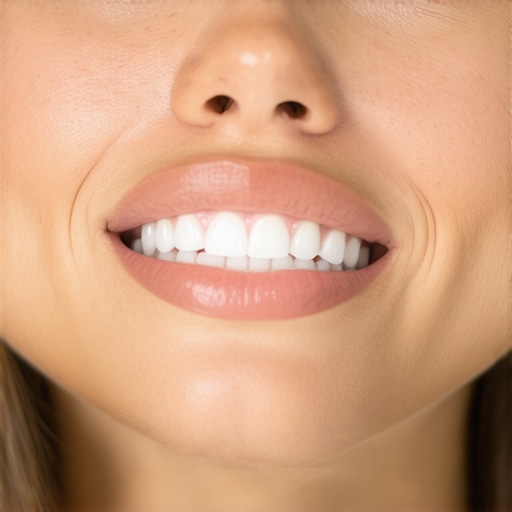
Fix the Structural Snags That Keep You Clenching
Sometimes, your brain is grinding your teeth because they do not fit together properly. It is trying to ‘grind away’ the high spots to find a comfortable resting place. It is a mechanical response to a physical misalignment. Think of your teeth like the gears in a Swiss watch; if one tooth is slightly out of alignment, the whole system grinds and wears down the delicate machinery.
Straighten Your Smile to Relieve Pressure
If your teeth are crowded or tilted, your jaw never finds a neutral home. This is where modern alignment comes in. Looking at Invisalign vs. braces is not just about aesthetics; it is about orthopedic health. When your teeth are aligned, the force of your bite is distributed evenly, rather than hammering away at a single vulnerable tooth. I have seen people struggle with why your new zirconia crown feels taller than your other teeth, and often it is because their overall bite is so skewed that any new restoration feels like a literal mountain in their mouth. By focusing on family dentistry trends improving oral health for all ages, we can see that correcting these alignments early prevents a lifetime of grinding.
Armor Your Teeth Against Future Damage
If you have already ground your teeth down to nubs, you might need to restore that lost height to stop the cycle. This is where the ultimate guide to crowns becomes essential. A crown acts like a helmet for a damaged tooth. If your car’s tire is worn down to the threads, you do not just keep driving on the metal rim; you replace the rubber to protect the wheel and ensure a smooth ride. When you restore the proper shape of your teeth, your jaw often stops ‘searching’ for a place to rest. To keep these restorations and any backup guards clean, you can use the vinegar soak that safely sanitizes your retainers and guards, ensuring you are not introducing bacteria into your system while you heal. Following top oral health tips for your family’s bright smiles means being proactive about these structural issues before they require emergency intervention.
Common wisdom tells us that if you grind your teeth, you just need a barrier. Most people think a thicker piece of plastic equals better protection, but in my experience, that is exactly where the trouble starts. This is the contrarian view that many dental offices don’t lead with: a bulky night guard can actually act as a ‘chew toy’ for your brain. Instead of resting, your jaw muscles find the soft material and engage even harder, perpetuating the very cycle of pain you are trying to escape. Let’s dig deeper into the mechanics of why your mouth is acting out in the first place.
Why Your Night Guard Might Be Making You Clench Harder
The ‘Oops’ factor here is significant. When you buy a generic, soft guard, you are often providing your jaw with a sensory trigger to clench. A study published in the Journal of Oral Rehabilitation suggests that even a microscopic ‘high spot’—sometimes less than 20 microns—can trigger a neurological feedback loop that forces your jaw to try and ‘grind’ the obstacle away. This is precisely why your new zirconia crown feels taller than your other teeth sometimes; it is not just your imagination, but your nervous system reacting to a mechanical imbalance. If your guard isn’t perfectly calibrated, you aren’t protecting your teeth; you’re just giving your jaw a more comfortable way to destroy them.
Why do some crowns feel like they are fighting your jaw?
If you have ever had a restoration that just felt ‘off,’ you know the frustration. When a crown is placed without considering the overall bite alignment, it can become a focal point for bruxism. You need to be choosing the right crown expert advice for long-lasting results to ensure that the material and the fit match your natural bite path. A crown shouldn’t just fill a gap; it needs to integrate into your mouth’s mechanical ecosystem. If the crown is the ‘tallest’ point in your mouth, your jaw will find it at 3:00 AM and try to level it. 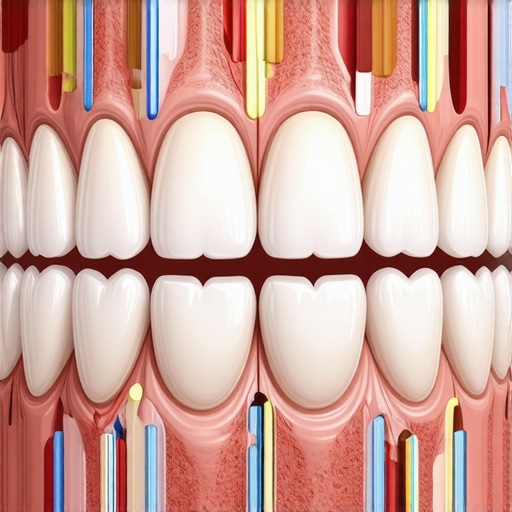
The Hidden Danger of Cheap Online Alignment Kits
Another massive trap is the allure of DIY dentistry. In an era of convenience, many are tempted to skip the office entirely. However, you must know how to tell if your inivsalign trays are counterfeit from an online site before risking your structural health. Real Invisalign involves sophisticated planning that accounts for your roots, not just the visible crowns. Mismanaged alignment can lead to ‘traumatic occlusion,’ where your teeth hit so hard they actually begin to loosen. By exploring the hidden benefits of invisalign for family dental care in 2025, we see that modern orthodontics is about moving the entire tooth safely to reduce the force on your jaw joint.
We often focus on the symptoms because they hurt, but the real expertise lies in seeing the mouth as a machine. If the gears are misaligned, the machine will grind itself to dust no matter how much ‘padding’ you put between the teeth. Transitioning from a mindset of ‘protection’ to ‘correction’ is the only way to stop the morning headaches for good. I’ve spent a lot of money learning these lessons the hard way. Have you ever fallen into the trap of buying a guard that just didn’t work, or perhaps a crown that never felt quite right? Let me know in the comments. Before you make your next move, check out these invisalign myths debunked to see what actually works for long-term jaw health.
If you have decided to stop the cycle of clenching, you need more than just a mindset shift; you need a maintenance kit that actually works. I spent months scrubbing my night guard with a toothbrush until it looked like it had been dragged behind a car. It was foggy, gross, and probably a petri dish for bacteria. Now, I use a small ultrasonic cleaner. It uses high-frequency sound waves to blast away biofilm without abrasive scrubbing. If you aren’t ready to invest in a machine, you can always rely on the vinegar soak that safely sanitizes your retainers and guards. It is a game-changer for anyone learning how to keep your invisalign trays clear without buying expensive cleaners. 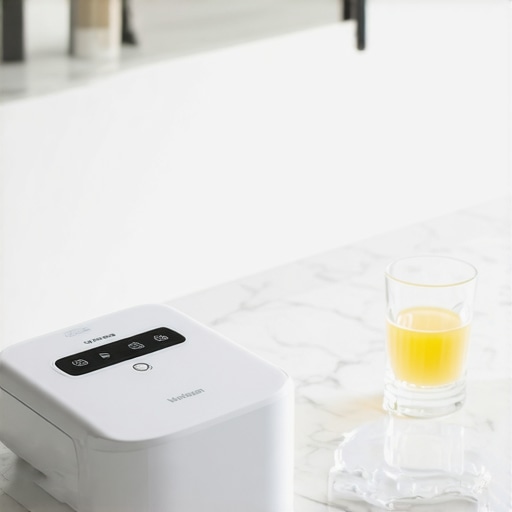
How do I maintain my bite balance for the next decade?
Consistency is the only way to avoid the slow drift that leads to renewed clenching. For those in the middle of alignment, I swear by how to seat stubborn invisalign trays using the munchie technique. Using these small silicone ‘munchies’ ensures your aligners are fully engaged, which is critical for moving teeth into a position where they won’t grind. Once you have reached that ‘neutral’ bite, your focus shifts to preservation. This means looking at family dentistry secrets maintaining oral health with modern techniques like proper flossing. If you have restorative work, learn the simple way to stop your crown from catching on your floss so you don’t accidentally irritate the gum line and cause recession. Even if you are looking at more permanent solutions, the secret to making your dental implants last for the rest of your life is often just as much about managing your bite force as it is about hygiene.
AI and 3D Scans Will End the Guesswork
We are entering an era where ‘feeling’ a high spot will be a thing of the past. I predict that within five years, every family dentist will use real-time AI bite mapping during every checkup. We are already seeing this with what a 3D CBCT scan reveals that standard x-rays miss entirely. According to the American Academy of Implant Dentistry (AAID), CBCT technology allows for a sub-millimeter level of accuracy in mapping bone density and tooth positioning. This precision is exactly what fuels invisalign innovations the future of family dentistry revealed today. It removes the ‘oops’ factor that used to lead to failed crowns and fractured teeth. My advanced tip for you today: next time you’re in the chair, ask your dentist to show you your 3D scan and point out where your heaviest bite forces are located. Seeing that data changed how I thought about my jaw health forever.
The Hardest Lesson My Jaw Taught Me About Daily Health
The biggest epiphany for me was realizing that a night guard is a defensive tool, not a final cure. If you truly want to stop the cycle, you have to look at the architecture of your mouth rather than just masking the symptoms. I spent years thinking my teeth were just ‘bad,’ but the truth was they were simply out of place. When I finally explored how Invisalign transforms family dentistry in 2025, I understood that a balanced bite removes the subconscious ‘itch’ to grind and clench. Another hard truth? Not all restorative work is created equal. I once chose a cheaper option for a molar, and it felt like a pebble in my shoe for months. Looking at crowns vs veneers which is better for your smile taught me that the right choice depends entirely on the mechanical forces in your mouth and your grinding habits.
A Few Essentials That Saved My Teeth
If you are ready to build your own defense system, these are the tools I trust implicitly. First, find a provider who treats the jaw as part of the whole-body system. You want someone who understands why crowns are a game changer in restorative dentistry beyond just the aesthetics. Second, never underestimate the power of cleanliness; a dirty guard is a guard you won’t wear, which is why a simple vinegar soak is your best friend. Third, embrace the data. If your dentist doesn’t offer 3D imaging, you are missing half the story of your own bone and joint health. This data is the difference between a guard that fits and one that triggers more grinding.
#IMAGE_PLACEHOLDER_E#
Your Path to a Quieter More Comfortable Smile
You do not have to live with a sore face every morning. It starts with one small change—maybe it is the ‘N’ position for your tongue or finally booking that consultation to discuss alignment. When you transform your smile how crowns boost oral health confidence, you aren’t just fixing a tooth; you are reclaiming your quality of life and your ability to wake up feeling refreshed. Your teeth are the only set you get, so treat them with the respect they deserve. Have you ever tried a custom guard only to find yourself spitting it out in the middle of the night? Let me know your experience in the comments below!