
The hidden spots most people miss while brushing their teeth
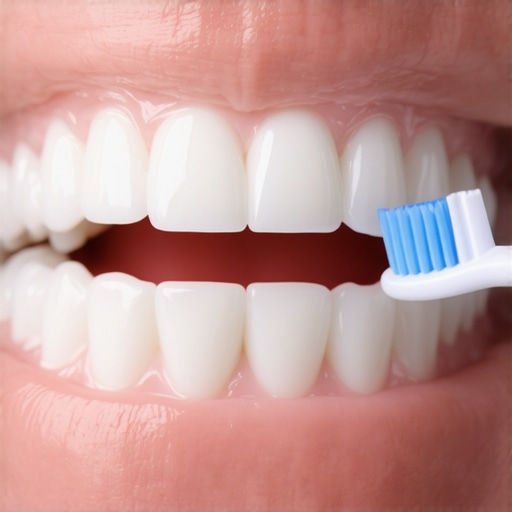
I sat in that reclining chair, the bright light blinding me, feeling pretty confident. I had been brushing twice a day, every day, since I was six years old. But when my dentist pointed out a literal forest of plaque hiding behind my lower front teeth, I felt like a total failure. It turns out, I was a ‘speed brusher.’ I hit the highlights and ignored the shadows. I was doing the work, but I wasn’t doing it right, and my gums were paying the price. Today, I want to share exactly how I fixed my routine so you don’t end up with the same surprise at your next check-up.
Even Dedicated Brushers Have Major Blind Spots
It is a hard pill to swallow when you realize your daily routine is fundamentally flawed. We all crave that ‘squeaky clean’ feeling, but often, the reason your teeth feel fuzzy even after brushing is simply because you are leaving whole neighborhoods of bacteria behind. I used to think that as long as my breath was minty and my front teeth looked white, I was golden. Boy, was I wrong. I was neglecting the ‘inside’ surfaces—the parts of the teeth that face your tongue. It is a common slip-up. According to a study published by the American Journal of Preventive Medicine, the average person only removes about 42% of plaque during a typical brushing session. That is a lot of leftovers sitting on your enamel. Today, I am going to show you exactly where those sneaky spots are so you can stop wasting your time with half-measured habits and start practicing real family dentistry secrets that actually protect your long-term health. [image placeholder]
Is focusing on these tiny spots actually worth the effort?
You might be thinking that your basic toothbrush is enough and that these ‘hidden spots’ are just dental marketing fluff. I get it. I was a skeptic too until I saw the early signs of gum damage in the mirror. My biggest mistake early on was ‘scrubbing’ rather than ‘aiming.’ I focused so much on the visible front that my back molars were basically a retirement home for sugar. If you aren’t careful with your technique, you will eventually find yourself looking up how to tell if your gums are receding from brushing too hard in the few areas you actually do hit, while the hidden spots decay. It is not about buying more expensive gadgets; it is about better aim and awareness of your own anatomy. Have you ever run your tongue over your teeth right after brushing and still felt a ‘sweater’ on them? Let me know, because you are definitely not alone in that frustration. We are about to dive into the specific corners of your mouth that act like a magnet for decay, using the same top oral health tips for your family’s bright smiles that changed my own dental reports from ‘worrisome’ to ‘perfect.’
Stop Scrubbing and Start Angling
You have to treat your toothbrush like a precision tool, not a floor scrubber. Most of us grew up scrubbing flat against the teeth, which is essentially like trying to clean the grout in your bathroom with a flat sponge. This is a primary reason people develop issues. If you have ever looked into the truth about soft vs hard toothbrushes for receding gums, you already know that force isn’t your friend. The real secret is the 45-degree tilt. By angling the bristles toward the gum line, you allow the very tips of the brush to slide into the sulcus—the tiny gap where your tooth meets the gum. This is the ‘high-rent district’ for bacteria, and if you don’t hit it at an angle, you aren’t actually cleaning it.
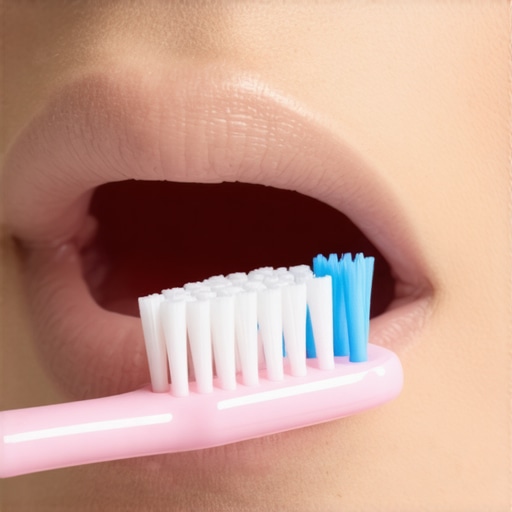
The 45-Degree Trick Your Dentist Wants You to Use
I remember the first time I actually tried this. I was so used to sawing back and forth that the tiny, circular vibrations felt like I wasn’t doing anything. But after a week, my gums stopped looking puffy and started looking a healthy, pale pink. If you are already dealing with sensitivity, you should follow the specific way to brush when you have gum recession, which focuses on these gentle, focused movements rather than broad strokes. It feels slower, but it is infinitely more effective at disrupting the biofilm that causes decay.
Reaching the No-Man’s Land Behind Your Lower Teeth
The area behind your lower front teeth is where plaque loves to harden into tartar. Because your tongue is constantly pushing saliva there, it is a mineral-rich environment that petrifies bacteria quickly. To clean this effectively, don’t hold the brush horizontally. Turn the brush vertically and use the ‘toe’ of the brush to flick upward from the gum line. I spent years neglecting this until my hygienist showed me a mirror of the buildup I was missing. This level of detail is a core part of family dentistry secrets because it prevents the need for painful deep cleanings later on.
Why Your Back Molars Need a Different Approach
The very back of your mouth is hard to reach because your cheek muscles tighten when you open wide. I used to think opening as far as possible was the way to go, but that actually blocks the brush. Try ‘the slack-jaw method’: close your mouth slightly so your cheek relaxes, and then slide the brush all the way back. If you find the reason your gums bleed only in the back of your mouth is consistent, it’s usually because of this physical barrier. For parents, this is why many pros suggest that why your child needs a dental sealant on their molars is so critical—those back teeth have deep grooves that even a perfect technique can sometimes miss.
Use Technology to Fill the Gaps
When I finally added a water flosser to my routine, I was a mess. I sprayed my bathroom mirror and my hair within seconds. But once I learned the trick to using a water flosser without making a total mess—which is basically leaning your face an inch from the sink drain—everything changed. It flushes out the debris from those hidden corners that a brush simply cannot touch. Think of it as the power-washer for your smile’s hard-to-reach crevices.
While mastering the physical act of brushing is a game-changer, I’ve learned that the structure of your mouth can sometimes sabotage even the best technique. A common misconception I hear is that orthodontic work like Invisalign is purely for vanity. In reality, invisalign myths debunked often reveal that shifting your teeth is about creating a landscape you can actually clean. When teeth overlap, they create ‘black triangles’ or tight pockets where no brush or floss can reach, effectively making it impossible to remove all the biofilm. This is one of the hidden benefits of invisalign for family dental care; it’s a preventative health tool, not just a cosmetic one. Have you ever considered that your crowding might be the root cause of your persistent cavities? Let me know in the comments if you’ve noticed certain ‘stuck’ spots that never feel clean despite your best efforts.
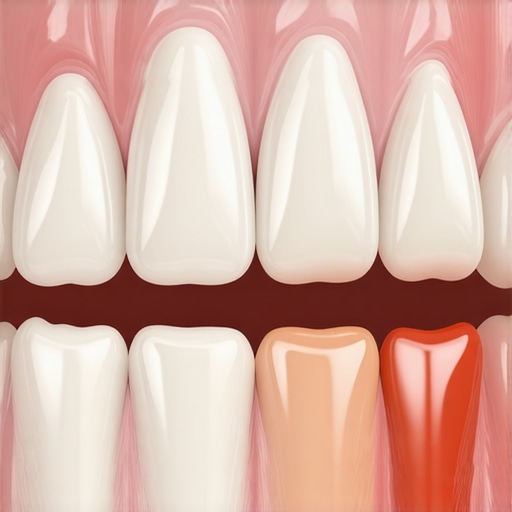
The ‘trap’ many of us fall into is thinking that restorative work like crowns makes a tooth invincible. I’ve seen many people neglect their hygiene once a crown is placed, assuming the porcelain shell acts like a suit of armor. While the porcelain itself can’t decay, the natural tooth structure underneath is still highly susceptible at the margin—the tiny seam where the crown meets your gum. In fact, the ultimate guide to crowns emphasizes that the gum line becomes even more critical once a restoration is in place. If your bite isn’t perfectly calibrated, or if your new zirconia crown feels taller than your other teeth, it can lead to microscopic gaps or trauma to the root that invites infection. Consistency at that margin is the only way to ensure your investment lasts decades instead of years.
Why does my alignment matter if I don’t care about a perfect smile?
It ultimately comes down to force distribution and cleaning access. An expert study published in the Journal of Clinical Periodontology found that malocclusion (a bad bite) significantly increases the risk of periodontal disease because it creates ‘anaerobic niches’—oxygen-poor zones where the most damaging bacteria thrive. This is where family dentistry trends are shifting; we are looking at the mouth as a mechanical system. If your bite is off, you might find why your dental crown feels like it is vibrating or why your natural teeth are wearing down prematurely at the edges. By addressing the architecture of your smile, you aren’t just chasing aesthetics; you are ensuring that your daily brushing actually has a chance to work. If you are struggling with sensitivity or a feeling that your teeth are ‘shifting,’ it may be time to look beyond the brush and examine the foundation.
Once you have corrected your alignment or invested in high-quality restorations, the real work begins: maintenance. I used to think a crown was a ‘set it and forget it’ solution, but I learned the hard way that without the right tools, you are just counting down the days to a replacement. For my Invisalign journey, I discovered that ‘munchies’—those little silicone chewies—were absolutely non-negotiable for seating the trays properly. If you skip this step, you might find why your invisalign aligners keep popping off your back teeth because the plastic isn’t fully engaging the tooth’s surface. It is these small, mechanical details that separate a successful treatment from a frustrating one.
Stop Your Aligners from Turning Gross
Maintenance is not just about the teeth; it is about the equipment itself. I tried every expensive foam on the market before I realized that how to keep your invisalign trays clear without buying expensive cleaners is actually simpler than the marketing suggests. A basic, gentle soak can prevent that cloudy, yellow buildup that makes your ‘invisible’ braces look anything but. If you have let things go a bit too far, you can even use the vinegar soak that safely sanitizes your retainers and guards to reset the clock on your appliances. According to a report by the Journal of the American Dental Association (JADA), the use of specialized antimicrobial solutions or specific home-care protocols significantly reduces biofilm accumulation on removable appliances compared to rinsing with water alone. This isn’t just about smell; it is about preventing the bacteria from sitting against your enamel for 22 hours a day.
How do I maintain my dental results over time?
The longevity of your smile depends on how you handle the daily wear and tear. For those with restorations, choosing the right crown expert advice for long lasting results usually involves more than just brushing; it involves managing your bite forces. If you are a night-grinder, that porcelain won’t last without a guard. I personally use an ultrasonic cleaner for my night guard and trays because it reaches microscopic crevices that a toothbrush can’t touch. 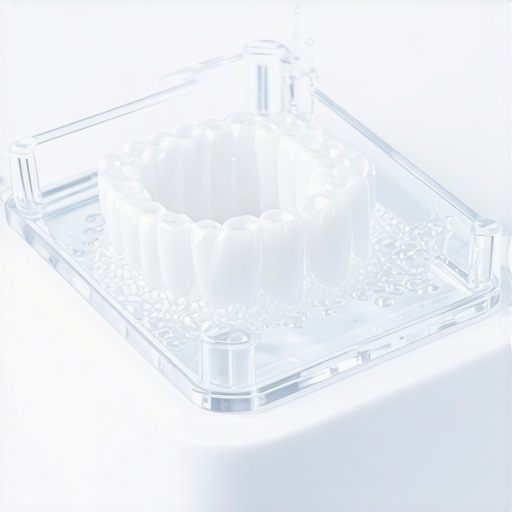 This kind of precision is a key part of family dentistry secrets that keep your dental bills low and your health high as you age. When you use the right tools—like learning how to seat stubborn invisalign trays using the munchie technique—you are actively preventing the ‘lag’ that causes treatment to take twice as long as it should.
The Future of Your Family’s Smile
Looking ahead, the world of invisalign innovations the future of family dentistry revealed suggests we are moving toward even more personalized, data-driven care. I predict we will soon see smart-brushes that communicate directly with your dentist’s office to flag high-risk areas before they even become cavities. We are already seeing family dentistry trends shifting toward total wellness rather than just fixing holes. I strongly encourage you to try one thing this week: grab a pack of silicone munchies or try the vinegar soak for your retainer. You will be amazed at how much better your mouth feels when the tools you use are actually working at 100% capacity.
The Hardest Lesson I Learned About My Own Gums
The most humbling moment in my dental journey was realizing that ‘trying hard’ isn’t the same as ‘doing it right.’ Here are a few lightbulb moments that finally cleared my dental reports:
- Scrubbing is for floors, not teeth. I used to think aggressive pressure meant a cleaner mouth, but I was actually just speeding up my gum recession.
- The landscape matters. If your teeth are crowded, you are fighting a losing battle against plaque unless you address the architecture with tools like how invisalign transforms family dentistry in 2025.
- Maintenance is a marathon. A crown isn’t a permanent shield; it is an investment that requires more attention at the margin than a natural tooth ever did.
My Daily Toolkit for a Lifetime Smile
I don’t believe in buying every gadget on the shelf, but a few specific items have saved me thousands in dental bills. I swear by my water flosser for reaching the back of my mouth where why crowns are a game changer in restorative dentistry becomes apparent—it flushes the ‘no-man’s land’ a brush simply can’t touch. I also keep the saltwater rinse hack for immediate gum relief in my back pocket for those rare days of sensitivity. For those with appliances, an ultrasonic cleaner is the only way to truly ensure you aren’t just moving bacteria around every morning.
[image placeholder]
Your Journey to a Perfect Dental Report Starts Tonight
Changing your routine feels clunky at first, but your future self will thank you for the extra thirty seconds of focus. Whether you are mastering the 45-degree angle or applying family dentistry secrets to your kids’ routine, every small adjustment builds a foundation of health. These top oral health tips for your family’s bright smiles are the difference between reacting to pain and living in prevention. You have the knowledge—now it is just about making it a habit. Have you ever felt like you were brushing perfectly only to have your dentist find a surprise cavity at your next visit? Let me know your story in the comments below!