
Why your new crown feels sensitive to cold drinks
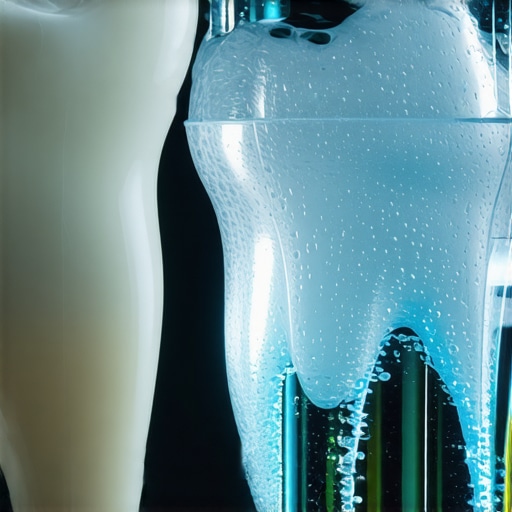
I remember sitting on my back porch last summer, finally feeling relief that my cracked molar was covered by a shiny new restoration. I took a deep, satisfied gulp of my favorite iced tea, expecting nothing but refreshment. Instead, a bolt of white-hot lightning shot through my jaw. I nearly dropped the glass. It felt like my tooth was screaming at me. I’d just spent time and money choosing the right crown, so why was I in more pain now than before I walked into the office? I honestly thought I had made a huge mistake and that my dentist had somehow failed me. It turns out, I was just experiencing the standard ‘post-op temper tantrum’ that most teeth throw after being worked on.
Why Your New Crown Hates Your Morning Iced Coffee
The first thing I had to learn—the hard way—is that a tooth is a living organ. When a dentist prepares your tooth for a crown, they have to remove a significant amount of enamel. This process is essentially ‘dental surgery,’ and the nerve inside your tooth can get pretty inflamed. I made the mistake of thinking I could jump right back into my frozen margaritas the same day. Big error. If you are struggling to stop the painful zing when you drink iced coffee, you are likely dealing with a cranky nerve that just needs a little bit of time to settle down into its new home. It’s also possible that the cement used to bond the crown is causing some temporary osmotic pressure, which feels like a sharp pinch every time something cold hits it.
Should You Be Scared That Something Went Wrong?
It is perfectly natural to feel a bit of skepticism when your ‘fix’ feels like a ‘failure.’ You might wonder if the crown was made poorly or if there is an infection brewing underneath. In most cases, the sensitivity is just a sign of minor pulpitis (inflammation of the dental pulp). According to the American Dental Association, some sensitivity after a dental procedure is normal, but it should gradually subside over a few weeks. However, if you feel like your new zirconia crown feels taller than your other teeth, that slight misalignment could be the real culprit, as it puts extra pressure on the nerve every time you bite down. Have you ever felt that annoying ‘high spot’ that only seems to show up when you’re trying to enjoy a meal?
The Real Reasons Your Tooth Is Sending Shockwaves
Beyond just the ‘trauma’ of the procedure, we have to look at the materials. Metal and even some ceramics conduct temperature much faster than your natural tooth enamel did. This means the cold reaches the nerve much more efficiently than before. I found that using the sip test to determine if your tooth sensitivity is nerve-related helped me figure out if I needed to call my dentist or just wait it out. Usually, if the pain vanishes the second you stop drinking, it’s just sensitivity. If it lingers for minutes, that’s when we need to talk about further adjustments. My goal today is to help you figure out which camp you fall into so you can get back to enjoying your drinks without fear. Have you experienced a ‘zing’ that lasted longer than a few seconds, or does it go away instantly?
Calm the Nerve with Desensitizing Shields
When my tooth was acting up, I realized I couldn’t just ignore it and hope for the best. You need to actively ‘shield’ the exposed pathways. Think of your tooth’s dentin like a series of tiny tubes leading straight to the nerve. When the enamel is gone or the crown is new, those tubes are wide open. I started using a high-quality potassium nitrate toothpaste—not just for brushing, but I actually dabbed a little bit directly onto the gumline of the new crown before bed. This acts like insulation for a drafty house, blocking the signals before they reach the pulp. If your gums feel tender too, the saltwater rinse hack for immediate gum relief is a game-changer for reducing the localized inflammation that often mimics deep tooth pain.
Identify the High Spot Saboteur
Often, the pain isn’t about temperature at all; it’s about physics. If your new crown is even a fraction of a millimeter too high, it hits the opposing tooth first every time you close your mouth. This constant bruising of the periodontal ligament makes the tooth hypersensitive to everything, including cold. I once had a crown that felt perfect during the day, but why your new zirconia crown feels taller only became obvious when I tried to eat a sandwich. I thought the nerve was dying, but in reality, the tooth was just being bullied by its neighbors. If you notice the pain is worse after a meal or if your jaw feels tired, you likely need a quick bite adjustment. A simple two-minute appointment where the dentist polishes down the ‘high spot’ can provide relief that feels almost instantaneous.
Give Your Mouth a Temperature Break
While you wait for the inflammation (pulpitis) to settle, stop testing the tooth. I used to ‘check’ if it still hurt by sipping ice water every hour—don’t do that. It’s like poking a bruise to see if it still hurts. For at least two weeks, aim for room-temperature liquids. This is especially important because why your dental crown feels cold for weeks after it was placed is often due to the material—whether metal or ceramic—conducting thermal changes faster than your natural tooth did. You have to let the nerve ‘recalibrate’ its baseline without constant thermal shocks.
Master Your Post-Op Oral Hygiene
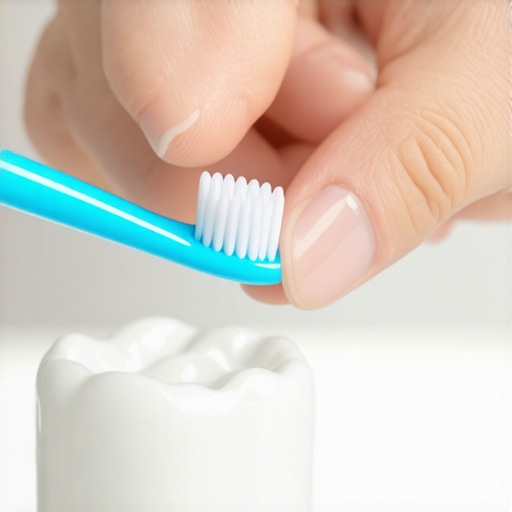
Keeping the area clean is vital, but you have to be gentle. Aggressively scrubbing a sensitive crown is like using sandpaper on a sunburn. Learning family dentistry secrets for maintaining oral health with modern techniques helped me realize that a soft-bristled brush and a gentle circular motion are far more effective than brute force. If you are balancing multiple treatments, such as orthodontic work alongside your restorations, ensure you know how to seat stubborn Invisalign trays using the munchie technique. Proper seating ensures your bite is distributed correctly, preventing any single tooth—like your new crown—from taking on too much mechanical stress while it’s still in the healing phase.
Stop Treating Your Crown Like It is Bulletproof
I used to think that once my crown was seated, that tooth was essentially ‘invincible.’ I mean, it is high-strength zirconia; bacteria can’t eat through that, right? This is the biggest contrarian truth in why crowns are a game-changer in restorative dentistry: the crown itself is indestructible, but the tooth underneath is now actually more vulnerable. The ‘margin’—the tiny seam where the crown meets your natural tooth at the gumline—is the new front line in your battle against decay. Most people get this wrong and slack off on hygiene, thinking the job is done. In reality, you have to be even more diligent with family dentistry secrets for maintaining oral health with modern techniques to ensure that margin stays sealed and plaque-free.
The Gritty Truth About Whitening Your Restorations
Here is a common ‘oops’ factor that most patients fall for: trying to whiten a crown. You physically cannot whiten porcelain or zirconia. If you start using abrasive, charcoal-based whitening toothpastes to try and match your crown to your surrounding teeth, you are making a massive mistake. These grits act like sandpaper, micro-scratching the polished glaze of your expensive restoration. Once that glaze is compromised, the crown will actually pick up stains faster than your natural enamel ever did. Instead of scrubbing, focus on how to keep your smile white while drinking daily coffee through prevention and professional cleanings that won’t strip your dental work of its protective finish.
Why Does Your New Crown Feel Like It is Vibrating When You Speak?
This is a sophisticated nuance that catches even experienced dental patients off guard. Sometimes, it is not a ‘zing’ or a ‘pinch’ you feel, but a weird buzzing sensation. If you have wondered why your dental crown feels like it is vibrating, you are likely experiencing something called ‘fremitus.’ This occurs when the bite is off by a microscopic amount—often less than the width of a human hair. A study published in the Journal of Prosthetic Dentistry notes that the periodontal ligament can detect discrepancies as small as 10 to 20 microns. When you speak or chew, that tiny ‘high spot’ causes the tooth to vibrate in its socket. It is a biological feedback loop telling you that the physics of your bite need a professional tweak.
Avoid the Trap of Misaligned Orthodontics
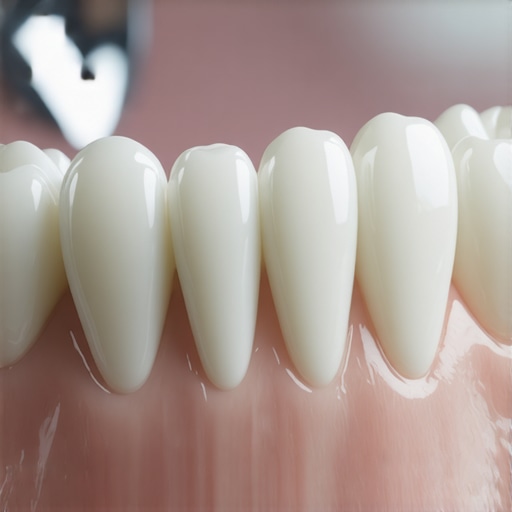
The same level of precision is required when mixing restorations with modern alignment. We often view Invisalign as a purely aesthetic choice, but the hidden benefits of Invisalign for family dental care in 2025 are deeply functional. If your teeth are crowded, your new crown is statistically more likely to fail because you cannot effectively clean those tight margins. However, a major ‘trap’ occurs if your crown was shaped differently than your original tooth; you might find why your Invisalign aligners keep popping off your back teeth is due to the new geometry of the restoration. Precision is a two-way street between your dentist and your orthodontist. Have you ever fallen into this trap where you thought your ‘fixed’ tooth was indestructible, only to find a new issue? Let me know in the comments.
I’ve learned the hard way that a ‘set it and forget it’ mentality is the quickest way to end up back in the dental chair with a credit card bill that makes your eyes water. To keep my restorations in top shape and ensure I am following the ultimate guide to crowns for a healthier smile, I rely on a few specific tools that have changed my morning routine entirely. First, the water flosser is non-negotiable. It is the only tool I have found that can truly flush out the debris hiding under the edges of a crown without the risk of fraying traditional floss. If you’ve ever sprayed your bathroom mirror by mistake, you really need to master the trick to using a water flosser without making a total mess. It’s all about the angle of the tip and keeping your lips slightly closed to contain the splash.
My Personal Toolkit for a Bulletproof Smile
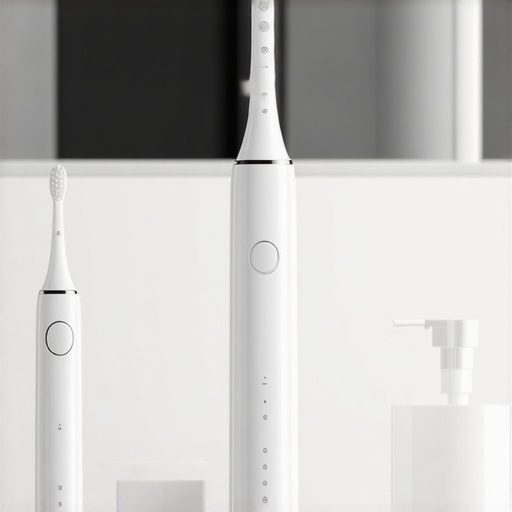
Beyond the water flosser, I’ve become an advocate for the electric toothbrush with a built-in pressure sensor. Most of us brush like we’re trying to scrub a stain out of a carpet, which is disastrous for crown margins and sensitive gums. A study published in the British Dental Journal highlights that patients using interdental cleaning devices and controlled-pressure brushes around restorations have a significantly lower rate of secondary caries. I also keep a dedicated tongue scraper on hand; learning the right way to clean your tongue without triggering your gag reflex has drastically reduced the amount of bacteria that can migrate toward my gumline overnight.
How do I maintain my crowns and aligners over the long haul?
Consistency is your best friend. For those of us using aligners, maintenance isn’t just about your teeth; it’s about the plastic sitting in your mouth for 22 hours a day. I swear by the vinegar soak that safely sanitizes your retainers and guards because it removes that cloudy buildup without the harsh chemicals of commercial cleaners. For the crowns themselves, I make sure to see my hygienist every six months for a professional polish that specifically targets the margins where my natural tooth meets the porcelain. This proactive approach is the core of family dentistry trends for improving oral health for all ages, shifting the focus from fixing problems to preventing them before they start.
Why Your Smartphone Will Be Your Next Dental Assistant
I predict that the next five years will bring a massive shift toward at-home monitoring. We are already seeing Invisalign innovations and the future of family dentistry leaning heavily into AI-driven apps. Imagine taking a 30-second video of your mouth with your phone and having an algorithm detect early signs of gum recession or a microscopic chip in your crown. This isn’t science fiction anymore; it’s becoming the standard for precision care. By catching these issues early, we can avoid the ‘shock’ of a sudden dental emergency. If you haven’t yet, I strongly encourage you to try the vinegar soak I mentioned earlier—it is a game-changer for keeping your hardware fresh and clear without spending a fortune on specialized tablets.
Hard Truths I Discovered While My Smile Healed
Reflecting on my own journey, I realized that the “two-week rule” for inflammation is non-negotiable. If you are still jumping at shadows when a cold breeze hits your tooth, remember that your tooth’s pulp has the memory of an elephant; it will not forget the trauma of the dental drill overnight. Another lightbulb moment was acknowledging that the “bite” is the boss. Even a microscopic high spot can cause why your dental crown feels like it is vibrating because the periodontal ligament is being hammered every time you swallow. Lastly, I learned that the crown is only as strong as the seal at the gumline. You have to be more protective of that margin than the crown itself to ensure the longevity of your restorative work.
My Essential Toolkit for Restorative Maintenance
I do not just rely on luck anymore; I use tools that have proven their worth through trial and error. First, a high-quality water flosser is a must-have, provided you master the trick to using a water flosser without making a total mess so you actually use it every day without frustration. I also swear by a pressure-sensing electric toothbrush to prevent how to tell if your gums are receding from brushing too hard around the base of my new zirconia work. For those who also wear night guards or aligners, the vinegar soak that safely sanitizes your retainers and guards is the only way to prevent bacteria from sitting against your sensitive crown margins all night long.
#IMAGE_PLACEHOLDER_E#
Reclaim Your Confidence with a Pain-Free Smile
Investing in your teeth is an investment in your confidence, but the work does not end when you leave the dentist’s chair. Whether you are currently exploring how Invisalign transforms family dentistry in 2025 or just trying to get through the first month with a new molar, remember that your body is designed to heal if you provide the right environment. Modern family dentistry has made these processes smoother than ever, but your daily habits are the real hero of the story. Do not let a little temporary sensitivity keep you from a lifetime of healthy smiles. Have you ever noticed a “zing” in your tooth that only happens during certain times of the day? Let me know in the comments below!