
Why your veneers might feel bulky when you first get them
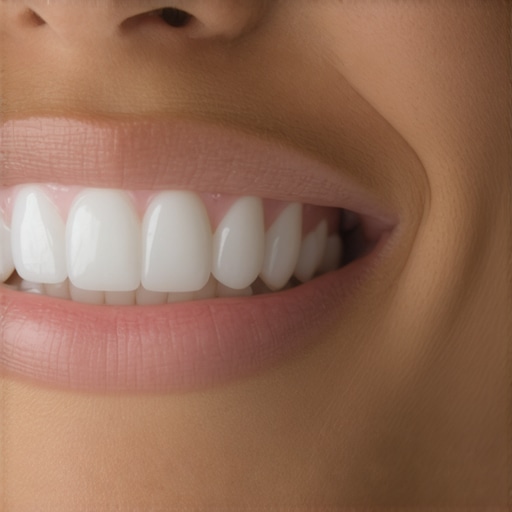
I remember sitting in my car, staring into the rearview mirror and fighting the urge to cry. I had just spent a small fortune on a brand-new smile, but instead of feeling like a movie star, I felt like a cartoon character. My upper lip seemed to be perched precariously over these new, porcelain interlopers, and every time I spoke, I felt like I was tripping over my own teeth. I was convinced my dentist had made a massive mistake and given me ‘horse teeth.’ If you are currently running your tongue over your teeth and wondering if you have made a huge, expensive error, I want you to take a deep breath. I have been exactly where you are, and I am here to tell you that what you are feeling is almost certainly a temporary trick of the mind and body. Today, we are going to unpack why that ‘bulky’ sensation happens and how long you actually have to wait before your mouth feels like home again.
Your Brain Just Needs to Catch Up to Your New Smile
Personal experience taught me that the mouth is a total drama queen when it comes to change. Even though veneers are incredibly thin, your tongue is a precision instrument. According to the Journal of Oral Rehabilitation, the human tongue can detect tactile discrepancies as small as 10 microns—that is roughly 0.01 millimeters. To your brain, adding even a whisper of porcelain feels like you have moved a piece of furniture into a small room. It is a very similar sensation to when your new zirconia crown feels taller than your other teeth despite the bite being technically perfect. You aren’t crazy; you are just finely tuned. Most of that ‘bulk’ is simply your proprioception—your body’s sense of where its parts are—screaming about a change it didn’t authorize.
Are these things actually too big for my face?
It is the question that haunts every new patient. You look at yourself and think the proportions are all wrong, much like the weirdness of how your smile looks different in selfies vs the mirror. Early on, I made the mistake of constantly ‘testing’ the veneers by tensing my lips and jaw, which only made my facial muscles sorer and the teeth feel even more prominent. I had to learn that crowns vs veneers both involve a period of adjustment where your gums are likely slightly inflamed, which can push your lip out just a fraction of a millimeter. That tiny bit of swelling, combined with your brain’s hyper-focus, creates the ‘bulky’ illusion. Have you ever caught your reflection after a dental visit and felt like you didn’t recognize the person looking back?
Whether you have gone for a full cosmetic overhaul or you are just getting used to crowns for a healthier smile, the transition period is a psychological hurdle as much as a physical one. We are going to look at the three specific reasons your mouth is lying to you right now and when you should actually call the office for an adjustment.
Don’t Panic Until Your Gums Settle Down
The first thing you have to realize is that your gums have been through a minor trauma. Whether you are dealing with veneers or why crowns are a game changer in restorative dentistry, the soft tissue around the base of the tooth is often irritated. This irritation causes swelling. When your gums swell, they push against the back of your lips, making the teeth feel significantly more prominent than they actually are. It is the dental equivalent of wearing a new pair of leather boots; they feel stiff and ‘too much’ for the first three days until the material gives way. I remember day four of my own procedure; I was convinced my lateral incisors were sticking out at a 45-degree angle. In reality, my upper gum line was just puffy from the bonding process.
Master the Saltwater Hack for Fast Relief
To speed up the ‘de-bulking’ process, you need to get that inflammation under control immediately. I found that using the saltwater rinse hack for immediate gum relief three times a day changed everything. Warm water and a teaspoon of salt help draw out the fluid from the gum tissue. Once that swelling goes down—usually within 72 hours—the ‘shelf’ that your lip is sitting on disappears. If you skip this step, you might spend a week fighting a phantom sensation that isn’t caused by the porcelain at all, but by your own immune response.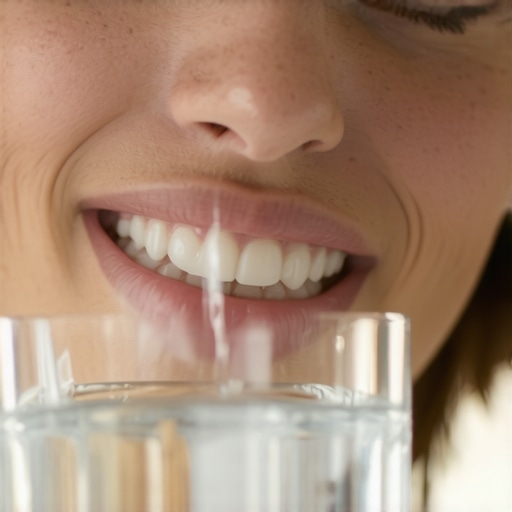
Test Your New Smile with the Speech Check
Your brain maps your mouth through speech. If the teeth are truly too long or too thick, your tongue and lips will stumble over specific sounds. I spent an entire afternoon in front of my bathroom mirror repeating ‘fifty-five’ and ‘very vibrant’ over and over. This isn’t just for people learning the simple move to fix a whistle in your speech with new dentures; it is vital for veneer patients too. If your lower lip lightly touches the edges of your new upper teeth when you make an ‘F’ or ‘V’ sound, the length is likely correct. If you are biting your lip or whistling, then—and only then—should you consider an adjustment.
Stop Obsessing in the Mirror and Start Using Your Teeth
The biggest mistake I made was ‘hovering’ my lips over my teeth to see how they looked. This tenses the facial muscles and prevents your mouth from relaxing into its new natural position. Much like how why your teeth ache for the first two days of a new aligner tray, your muscles need to form new habits. Eat normal (but soft) foods. Talk to your friends. The more you use your mouth for its intended purposes, the faster your brain will categorize the veneers as ‘self’ rather than ‘foreign object.’
Spot the Difference Between Bulk and a Bad Fit
There is a legitimate technical reason why a tooth might feel wrong, and it’s usually related to the bite. If you find that why your crown feels like it has a high spot only when you grind or chew, that is a physical interference your dentist needs to buff down. A ‘high spot’ can make the entire side of your face feel bulky because your jaw isn’t closing properly. If your bite feels balanced but the teeth just feel ‘big,’ give it the full 14 days of neural adaptation before you ask the dentist to pick up the drill. Once porcelain is removed, you can’t put it back on easily, so patience is your best tool for how crowns boost oral health confidence without unnecessary revisions.Every dentist hears the same request: ‘Make them perfectly straight and snowy white.’ But here is the contrarian truth that high-end cosmetic dentists rarely mention: perfect symmetry is the fastest way to look like you are wearing a cheap mouthguard. Real, natural beauty is found in ‘micro-asymmetries.’ When I was obsessing over my own bulkiness, I didn’t realize that my original teeth had tiny imperfections that made my smile ‘mine.’ If you look at a study published in the Journal of Esthetic and Restorative Dentistry, researchers found that observers often find smiles with slight variations in tooth position more attractive and ‘trustworthy’ than those with mathematical perfection. When you demand your dentist fix every tiny ’tilt,’ you might actually be stripping away the character that prevents your veneers from looking like a ‘piano key’ smile. 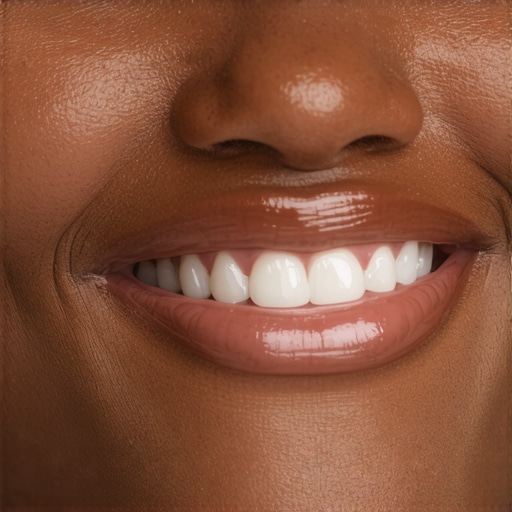
Why Perfect Symmetry Actually Ruins Your Smile
One ‘trap’ I see constantly is the rush to adjust the length. I have seen patients insist their teeth are too long, only to realize later that they have lost their ‘incisal display’—the tiny bit of tooth that shows when your mouth is at rest, which is a key sign of youth. If you have been searching for expert advice for long-lasting results, you know that once you shave off that porcelain, you cannot just glue it back on. Have you ever fallen into this trap of wanting ‘perfect’ only to realize you missed ‘natural’? Let me know in the comments.
Why does my bite feel off only when I am lying down?
This is a sophisticated nuance that drives patients crazy. You can spend an hour in the chair having your bite checked while sitting up, and it feels like a dream. Then, you get into bed, and suddenly it feels like you are biting on a pebble. This happens because your jaw posture shifts when you are horizontal. It is similar to why your implant area might throb when you lie down; blood flow and muscle tension change. Your dentist needs to check your ‘centric relation’—how your jaw joints sit when they are fully relaxed—not just how you bite when you are alert and sitting in a chair. If you only feel the bulk at night, you probably need a minor adjustment to your ‘nighttime’ bite, not a total redo of the veneers.
Stop Asking Your Dentist to Polish Away the Texture
The same logic applies to orthodontic work. People think Invisalign is just about straight teeth, but the real secret is how it manages the ‘buccal corridor’—the dark space in the corners of your mouth. If your ‘bulky’ veneers or crowns are filling that space too much, it looks ‘chunky.’ If they do not fill it enough, your smile looks narrow. Finding that sweet spot is where modern oral health techniques really shine. Don’t just look at the front two teeth; look at how the entire ‘arch’ supports your lips. Finally, be wary of the ‘polishing trap.’ If your new work feels sharp or strange, your first instinct is to ask the dentist to smooth it over. But over-polishing can remove the ‘mamelons’ or the surface texture that mimics real enamel. Without that texture, your teeth will reflect light like a flat mirror, making them look obviously fake. If your smile looks different in photos, it might actually be a light-reflection issue rather than a size issue. Trust the process, wait the full two weeks, and let your brain stop ‘zooming in’ on the 10-micron differences.Once the initial shock of your new smile wears off and you stop obsessing over the 10-micron differences, the real work begins: maintenance. I used to dread flossing my new bridge; it felt like I was trying to thread a needle in the dark while wearing mittens. That changed when I discovered the trick to using a water flosser without making a total mess. Instead of fighting with those flimsy plastic threaders, a high-quality cordless water flosser allows you to flush out the debris from under the pontic without traumatizing the delicate gum tissue. This is a non-negotiable part of maintaining oral health with modern techniques, especially since porcelain cannot get cavities, but the natural tooth structure supporting it certainly can.
How do I maintain my cosmetic dental work over time?
Consistency is the secret sauce. I personally use a high-frequency electric toothbrush with a pressure sensor to ensure I am not pushing too hard against the gum line, which can lead to recession and unsightly margins. Dr. Gordon Christensen, a world-renowned authority in restorative dentistry and founder of the Clinicians Report, has frequently emphasized that the longevity of a restoration is rarely about the strength of the material itself—like Zirconia or Lithium Disilicate—but rather the meticulous ‘seal’ at the margin where the tooth meets the porcelain. If you let plaque sit at that junction, you are inviting failure. To prevent this, I also recommend the vinegar soak that safely sanitizes your retainers and guards, ensuring that the appliances you wear at night aren’t re-introducing harmful bacteria to your fresh dental work. 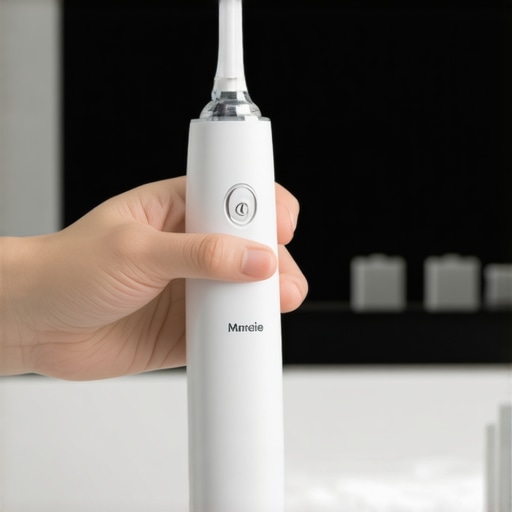
Why the Munchie Technique is My Secret Weapon
For those of you navigating the world of clear aligners, the maintenance of your progress is just as critical as the initial ‘bulky’ adjustment period. I found that my teeth weren’t tracking properly until I learned how to seat stubborn Invisalign trays using the munchie technique. By using a small, firm silicone device to bite down on several times a day, you ensure the plastic is fully engaging with the attachments. This simple habit can shave weeks off your treatment time and prevent the need for mid-course corrections. If you feel like your aligners are constantly popping off or feel ‘thick,’ it is likely because they aren’t fully seated, a common issue discussed in Invisalign myths debunked. Looking toward the future, Invisalign innovations are already shifting toward AI-integrated apps that scan your teeth from your smartphone to track this seating in real-time. We are entering an era where the ‘guesswork’ of dental maintenance is being replaced by digital precision. My challenge for you: tonight, try the 30-second saltwater rinse hack for immediate gum relief to soothe any lingering inflammation around your new work; your gums—and your dentist—will thank you.
Lessons My Mirror Taught Me While I Panicked
Neural adaptation isn’t just a dental term; it is a biological necessity. Your brain is hardwired to identify changes in your mouth as ‘foreign objects’ because, evolutionarily, any new sensation often meant something was wrong. Here is the insider wisdom I wish someone had told me while I was staring at my reflection: Your bathroom lighting is a liar. Harsh, overhead fluorescent lights can make even the most beautiful porcelain look flat or ‘bulky’ because they don’t allow for natural translucency. Step outside into the sun to see how your teeth truly interact with natural light. Also, stop ‘testing’ the thickness by constantly running your lip over the porcelain; this muscle tension actually makes the teeth feel larger than they are. When your face muscles finally relax, the ‘horse tooth’ sensation begins to fade. Lastly, remember that speech changes are almost always internal. You might hear a slight lisp, but to everyone else, you sound exactly the same. Record a quick video of yourself talking—you will be surprised at how normal you look and sound.
The Gear That Protects Your Porcelain Investment
Once you get past the initial adjustment phase, your focus must shift from ‘how it feels’ to ‘how long it lasts.’ I have built a specific maintenance routine that keeps my work looking brand new. First, I never skip a night with my water flosser. Since I learned the trick to using a water flosser without making a total mess, I can confidently clean the margins of my crowns for a healthier smile without causing the gum recession that often exposes dark lines. Second, if you are also using aligners to refine your bite, you must master how to seat stubborn Invisalign trays using the munchie technique; a perfectly seated tray ensures your bite settles comfortably around your new restorations. Finally, keep your nighttime gear sterile. I swear by the vinegar soak that safely sanitizes your retainers and guards to ensure no bacteria is trapped against my porcelain work while I sleep. Whether you compared Invisalign vs braces or went straight to cosmetic bonding, these small habits are the difference between a five-year result and a lifetime result.
Stop Looking for Flaws and Start Laughing
The journey from ‘Why do my teeth feel so big?’ to ‘I love my smile’ is rarely a straight line. It is a psychological transition as much as a physical one. When you weigh the pros and cons of crowns vs veneers, you are choosing a path toward greater self-assurance. Don’t let the first 14 days of neural adaptation rob you of the joy of your transformation. Your mouth will stop ‘screaming’ soon, and your new smile will become a natural part of who you are, not just something you are wearing. Trust the process, trust your provider, and most importantly, trust that your brain will eventually find its new normal. Did your new smile feel like ‘horse teeth’ at first, or was it a smooth transition from day one? Let me know your adjustment story in the comments below!