
How to fix a snagged gum from a sharp tortilla chip
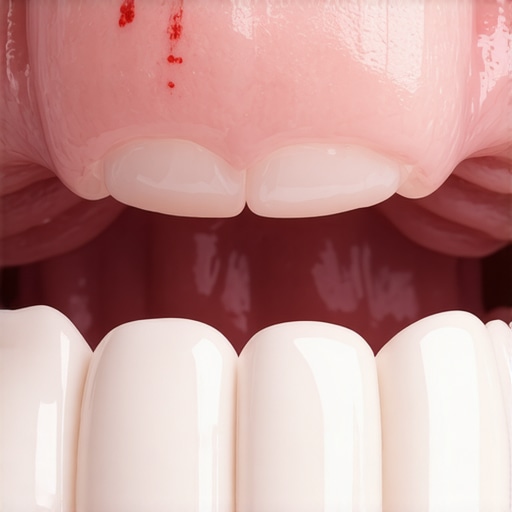
I was three baskets deep into the best chips and salsa of my life when it happened. One rogue, extra-crispy tortilla shard didn’t just crunch; it stabbed. It caught that delicate flap of gum right behind my molar and—well, you know the feeling. It is a sharp, metallic zing that ruins your appetite instantly. I spent the rest of the night poking at it with my tongue, making it worse. We have all been there. Whether it is a chip, a crusty piece of bread, or a popcorn kernel, a gum snag feels way bigger than it actually is. But don’t panic. Today, I am going to walk you through exactly how to soothe that stinging sensation, keep the area clean, and figure out if you actually need to call the dentist. I will even share the ridiculous mistake I made the first time this happened to me so you can avoid a throbbing jaw tomorrow. [image_placeholder]
What to Do When Your Favorite Snack Attacks Your Gums
When I first started focusing on my family’s oral health, I made the classic rookie mistake of trying to ‘fix’ a gum snag with a pair of tweezers. Let me tell you, that was a disaster. I ended up with a minor infection that made it hurt to even drink water. If your gums feel tender after a routine cleaning, you know how sensitive that tissue can be; a jagged chip wound is ten times more reactive. The goal isn’t to perform surgery; it is to keep the area calm. First, stop eating. Seriously. More salt and spice will only inflame the wound. Rinse your mouth with lukewarm salt water immediately. This isn’t just an old wives’ tale; according to the American Dental Association, a salt water rinse helps increase the pH balance in your mouth, creating an alkaline environment where bacteria struggle to thrive. It is much safer than the time I tried to use a metal toothpick to ‘smooth’ the snag. If you are also handling a chipped front tooth along with the gum injury, you need to prioritize the soft tissue first to stop the bleeding.
Will a Chip Wound Ever Truly Heal on Its Own?
Many people worry that a snagged gum will leave a permanent ‘flap’ or lead to recession. I used to lose sleep over it. However, oral tissues are incredibly resilient. They are some of the fastest-healing tissues in your body because they are so highly vascularized. Have you ever dealt with a snack-related injury that just wouldn’t quit? It can be incredibly frustrating. Usually, within 48 to 72 hours, the stinging should subside. If it doesn’t, or if the reason your gums bleed is no longer just the chip but a spreading redness, then it is time for a professional look. For now, focus on top oral health tips for your family’s bright smiles by keeping the area clean with a very soft brush and avoiding anything crunchy for at least two days. We are going to get that smile back to 100 percent in no time.
Flush Out the Debris Before It Sets In
Cleaning a gum wound is like washing a fresh scrape on your knee; you do not want to scrub it, you want to flood it. Your first move must be a gentle irrigation. I remember one time I tried to use a high-pressure water flosser on a fresh chip wound thinking I was being ‘thorough.’ It felt like a tiny power washer hitting a bruise. Do not do that. Instead, use a cup of lukewarm water mixed with a half-teaspoon of salt. Swish it around with the intensity of a slow-moving tide, not a whirlpool. This clears out any microscopic food particles that could lead to an infection. If you have kids, this is also the best way to soothe a teething baby without medication if they have minor irritations. The salt water acts as a natural mild antiseptic that keeps the area clean without the harsh chemicals found in some store-bought rinses. 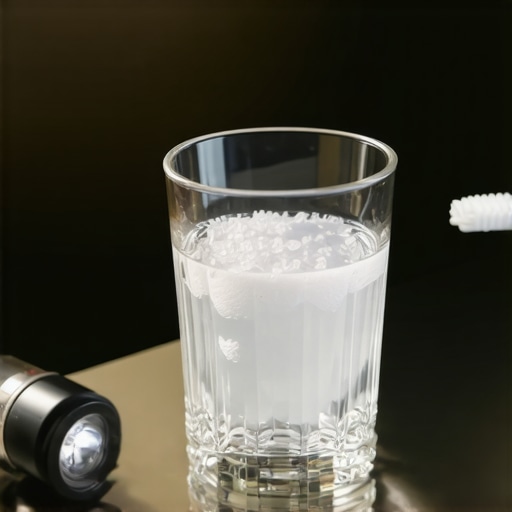
Check for Hidden Damage Beyond the Surface
Once the area is flushed, you need to see what you are dealing with. Grab a small flashlight and a mirror. You are looking for more than just a red spot. Sometimes, a sharp chip can actually damage existing dental work. I once thought I just had a gum snag, but upon closer inspection, I realized I had actually caused a tiny chip on the edge of my porcelain crown. If the pain feels deep or ‘toothy’ rather than ‘gummy,’ you might be dealing with a painful zing that indicates nerve sensitivity. Use a clean finger to gently feel the area. If you feel a hard, sharp edge that wasn’t there before, it is likely the tooth or a restoration that took the hit, not just the soft tissue. This is a crucial distinction because while gums heal fast, a cracked tooth or crown needs a professional fix.
Ditch the Firm Brush for a Few Days
This was my biggest mistake during my ‘tortilla chip incident.’ I thought a vigorous scrub would sanitize the cut. I used a firm brush like I was scouring a cast-iron skillet. By the next morning, my gum wasn’t just red; it was throbbing in sync with my heartbeat. When you are healing, you must use an ultra-soft toothbrush. Understanding the truth about soft vs hard toothbrushes is vital here; a hard brush will simply strip away the new, delicate cells trying to knit the wound back together. Think of your healing gums like a velvet curtain; one snag doesn’t ruin the show, but pulling on it certainly will. Brush with a circular motion, staying just away from the actual wound for the first 24 hours, then very lightly over it after that.
Manage the Swelling with Simple Cold Compresses
If the area feels puffy, don’t reach for the heating pad. Heat brings more blood flow to the area, which can increase the ‘throbbing’ sensation. Instead, use a cold compress on the outside of your cheek for ten minutes at a time. This is one of those family dentistry secrets for maintaining oral health that people often overlook because it seems too simple. Cold constricts the blood vessels and numbs the nerve endings naturally.
Know the Red Flags for Infection
If the pain starts radiating toward your ear or if you notice a persistent bad taste, the ‘snack attack’ might have introduced bacteria deeper than a rinse can reach. If you start to wonder if a dark spot is a cavity or just a deep groove that got irritated, it’s time to let a pro take a look. Usually, a simple gum injury should show visible improvement every 12 hours. If it looks the same or worse after two days, that is your signal to stop the DIY care and call for an exam.
While that chip wound might feel like the star of the show right now, there is a much deeper nuance to oral health that most people miss. We are often told that if it doesn’t bleed, it isn’t an emergency. I used to believe that too. But after years of obsessing over family dentistry trends improving oral health for all ages, I have realized that the ‘silent’ issues are actually the ones that cost you a tooth. Everyone says you should just wait for a new crown or filling to ‘settle in,’ but in my experience, that is a dangerous trap. If your new zirconia crown feels taller than your other teeth, do not wait for your jaw to adapt. That tiny height difference can cause a ‘percussion injury’ to the root, essentially bruising the tooth from the inside out every time you chew. It’s one of those family dentistry secrets for maintaining oral health that pros know: a perfect bite is more important than a perfect-looking tooth.
Why Does Your New Dental Work Feel Like It Is Vibrating?
This is the question that separate the beginners from the experts. If you have noticed that your dental crown feels like it is vibrating when you speak or grind your teeth, you aren’t imagining things. This usually indicates a ‘high spot’ that is interfering with your natural occlusion. Research published in the Journal of Oral Rehabilitation suggests that even a microscopic misalignment—as small as 10 to 20 microns—can trigger chronic muscle fatigue and even localized pulpitis. This is why choosing the right crown expert for long-lasting results is about more than just the material used; it is about the precision of the fit. Have you ever fallen into the trap of thinking a weird sensation would just ‘go away’? Let me know in the comments, because I’ve definitely ignored a ‘zing’ until it became a root canal.
Stop Waiting for Your Bite to Adjust Itself
The ‘oops’ factor here is assuming your mouth will ‘work it out.’ When I first explored how Invisalign transforms family dentistry in 2025, I learned that movement should be controlled, not accidental. If you are wearing aligners and find that your Invisalign aligners keep popping off, it isn’t just a nuisance—it’s a sign that the mechanical forces are misaligned. This can lead to the same kind of gum trauma as that rogue tortilla chip, but on a systemic level. Whether it is a crown, a veneer, or an aligner, the goal is seamless integration. If you feel a sharp edge, don’t try to ‘buff it down’ with a nail file (yes, people do this!). Instead, understand the ultimate guide to crowns for a healthier smile and realize that professional adjustment is the only way to prevent long-term bone loss or recession. Keeping your top oral health tips for your family’s bright smiles in mind means respecting the mechanics of your mouth as much as the hygiene.
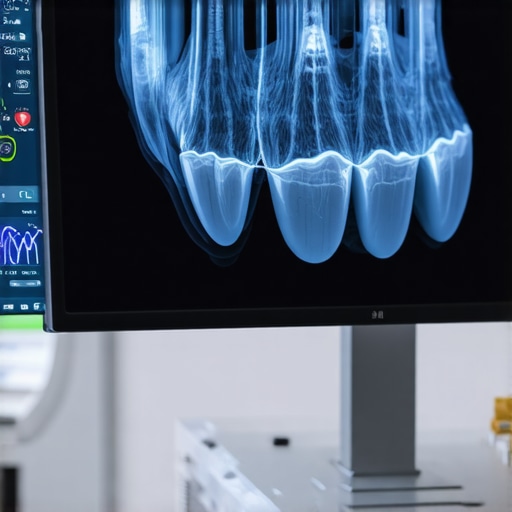
I used to think my annual cleaning was enough to keep my smile in top shape, but I quickly learned that maintaining complex work like crowns or aligners requires a more technical approach. It’s not just about brushing; it’s about using the right diagnostic tools to catch issues before they become expensive repairs. For instance, I’ve become a huge advocate for digital precision. One of the biggest shifts I’ve seen is what a 3D CBCT scan reveals that standard x-rays miss entirely. It allows your dentist to see bone density and root health in three dimensions, ensuring that your family’s oral health isn’t just a guessing game. If you are serious about scaling your dental health, you need to demand this level of detail.
Stop the Guesswork with a Digital Blueprint
When you are managing restorative work, the ‘wait and see’ method is your worst enemy. I personally use a high-pressure water flosser once a day, but I never use it on the highest setting near my crowns. Instead, I focus on the margins. If you’ve ever felt a slight twinge and wondered what was wrong, I recommend performing the sip test to determine if your tooth sensitivity is nerve-related. This simple at-home diagnostic helps you communicate better with your provider. Looking ahead, I predict we are moving toward a future where AI-driven sensors in our toothbrushes will alert us to these microscopic changes in real-time. We are already seeing Invisalign innovations and the future of family dentistry where remote tracking apps allow your doctor to monitor your progress from your smartphone.
How can I ensure my dental restorations last for decades?
The secret lies in the tools you use between visits. For my Invisalign friends, I cannot stress enough the importance of how to seat stubborn Invisalign trays using the munchie technique. If those trays aren’t fully seated, the bone won’t remodel correctly, and you’ll end up with ‘tracking’ issues. According to the Journal of Prosthodontics, the longevity of restorations is directly tied to the precision of the initial fit and the patient’s daily biofilm management. This is why choosing the right crown expert for long-lasting results is the most important decision you’ll make. For daily sanitization, I’ve ditched harsh chemicals for the vinegar soak that safely sanitizes your retainers and guards. It is a game-changer for keeping appliances fresh without degrading the plastic.
Make Your Invisalign Work Harder for You
Staying ahead of family dentistry trends improving oral health for all ages means being proactive about hygiene. I always keep a travel kit that includes an ultra-soft brush and a small bottle of pH-neutralizing rinse. This helps prevent that ‘fuzzy’ feeling on your teeth during the day. If you’re feeling a bit overwhelmed by the technical side of things, start small. Try the ‘Sip Test’ tonight to check your sensitivity levels and see if you need to adjust your routine. It’s the easiest way to take control of your oral health before your next appointment.
The Truth About Why Small Mouth Injuries Are Big Warnings
After years of managing everything from chip-induced cuts to complex dental work, I have realized that the way we treat a small injury says a lot about our long-term dental success. Here is the ‘insider wisdom’ I wish I had known years ago:
- Pain is a lag indicator. By the time you feel that sharp ‘zing’ from a snack, the tissue or the underlying crown has often been stressed for weeks. Use these moments as a cue to check your alignment.
- The heartbeat sensation is an SOS. If your gum wound feels like it is throbbing in sync with your pulse, it is a vascular response. This is more than a scratch; it is a sign of localized inflammation that needs an immediate salt water rinse to reset the pH.
- Bite issues mimic gum pain. Sometimes what feels like a lingering chip wound is actually your jaw being out of alignment. If you are noticing family dentistry trends improving oral health for all ages, you will see that many ‘gum’ problems are actually structural issues.
- Tissues heal, but habits remain. A snagged gum will knit itself back together in days, but if you don’t address why you are biting down so hard, you will be back in the chair for a crown for a healthier smile sooner than you think.
The Only Gear You Need in Your Dental First Aid Kit
I don’t believe in a bathroom cabinet full of ‘miracle’ products. Instead, I rely on a few high-value tools that actually make a difference for my family’s oral health. First, a simple bag of high-quality sea salt is the most effective antiseptic you can own for soft tissue care. Second, if you have recurring mystery pain, stop guessing and look into what a 3D CBCT scan reveals that standard x-rays miss entirely. It provides a level of detail that can save a tooth before the nerve dies. Finally, for daily diagnostics, I always use the sip test to determine if your tooth sensitivity is nerve-related. It is free, fast, and tells you exactly when it is time to call the professional.
Stop Overthinking Your Smile and Start Protecting It
At the end of the day, a rogue tortilla chip is just a temporary setback. Your mouth is designed to be resilient, provided you give it the right environment to heal. Whether you are recovering from a minor snag or managing complex restorations, the goal is consistent, gentle care. Don’t let a small injury discourage you from following the top oral health tips for your family’s bright smiles. When you respect the mechanics of your bite and the sensitivity of your tissues, you aren’t just fixing a cut—you are building a smile that lasts a lifetime. Have you ever had a ‘snack attack’ turn into a surprising dental discovery? Let me know your story in the comments below!