
The salt water rinse trick for a sore mouth
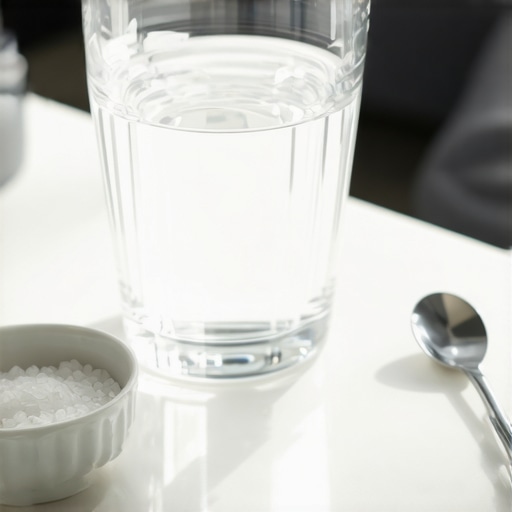
I’ll never forget the Tuesday I decided to tackle a bag of kettle-cooked jalapeño chips right after a dental appointment. Big mistake. One sharp edge caught my gum just right, and suddenly my mouth felt like it was on fire. I remember staring at the bathroom mirror, wondering if I would have to call my dentist at 9 PM. That is when I reached for the salt shaker. I used to think it was just an old wives’ tale—something people did before we had fancy pharmacies. But when you are dealing with a snagged gum from a sharp chip, you get desperate. It turns out that this simple kitchen trick is a powerhouse for oral health that most of us overlook in favor of expensive, stinging mouthwashes. [image placeholder]
Why This Kitchen Staple Outperforms Expensive Pharmacy Rinses
I made a huge mistake early on by thinking more salt meant faster healing. I dumped two tablespoons into a tiny cup of boiling water and nearly jumped out of my skin from the sting. Don’t do that. When done right, a saline rinse creates an isotonic environment that helps your tissues heal without the harsh chemicals found in many commercial products. I have found it especially helpful after the gums feel tender following a routine cleaning or when your mouth feels dry right after using mouthwash. Salt water temporarily increases the pH balance of your mouth, making it a tough environment for bacteria to survive. In fact, clinical studies, such as those highlighted by the Mayo Clinic, suggest that saline rinses are effective because they draw out excess fluid from inflamed tissues through osmosis, reducing swelling and discomfort.
Is this basic salt mixture really enough to handle real pain?
It is natural to be skeptical. We are conditioned to believe that if it does not cost twenty dollars and come in a neon-colored bottle, it probably does not work. But I have seen this trick save me from countless sleepless nights. Whether you are struggling because your new braces feel tight or you are recovering from a minor oral injury, the goal is to soothe, not irritate. Have you ever tried a salt water rinse only to find it stung way more than you expected? That usually means the ratio is off, and today, I am going to show you exactly how to get it right so you can finally get some relief. We are going to look at the exact measurements and why this simple move is a cornerstone of modern family dentistry secrets.
Measure Your Way to a Pain-Free Mouth
To get the perfect saline solution, think of it like seasoning a delicate soup rather than brining a turkey. The goal is an isotonic solution—meaning it has the same salt concentration as your blood. I usually stick to a half-teaspoon of non-iodized salt in eight ounces of water. When I first started this habit, I thought a ‘heaping’ spoonful would act like a superpower for my gums. Instead, I woke up with a mouth that felt like I’d been chewing on sand. Stick to the half-teaspoon. It’s enough to draw out fluid from swollen tissues without dehydrating your mucous membranes. This is a foundational part of family dentistry secrets that keeps minor issues from becoming expensive emergencies. 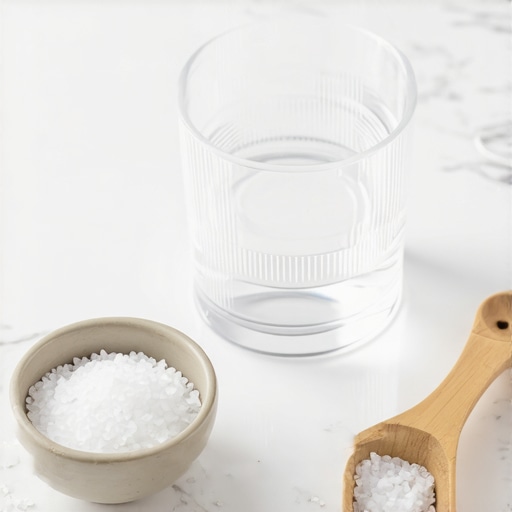
Temperature Matters When Your Gums Are Angry
If you have ever experienced that sharp, electric shock when a cold drink hits a molar, you know why room temperature water is your friend. Using lukewarm water isn’t just about comfort; it helps the salt crystals dissolve completely so they don’t scratch your sensitive tissues. This is especially vital if your new crown feels sensitive to cold drinks. I remember one frantic morning after a dental procedure where I used tap water that was too cold, and the resulting zing was worse than the original pain. Now, I always test the water on the back of my wrist first.
The Swish and Spit Technique That Actually Cleans
Once you have your mixture, don’t just gulp it down. You need to move it with intention. I treat it like a workout for my cheeks. Take a small sip, tilt your head, and let the water pool over the affected area for thirty seconds. If you are currently dealing with new braces that feel tight or perhaps an Invisalign edge cutting your tongue, this gentle bath reduces the localized acidity that feeds bacteria. After thirty seconds, spit it out—never swallow it. Swallowing saline can lead to nausea, and let’s be honest, it tastes terrible.
Handling Hard-to-Reach Spots Without a Mess
When you have dental work like bridges or implants, getting the rinse into the nooks and crannies is the real challenge. Much like using a water flosser without making a total mess, the key to a salt water rinse is keeping your lips sealed tight and using your tongue to push the liquid. I once tried to ‘power-swish’ to get the salt under a temporary crown and ended up soaking my bathroom mirror. Now, I focus on slow, rhythmic movements. This is particularly effective for those who notice their gums feel tender after a routine cleaning or for anyone exploring top oral health tips for their household. It reaches places a toothbrush often misses, ensuring your whole mouth benefits from the pH-balancing properties of the salt.
I’ve spent years learning that what we don’t see often matters more than what we do. While a salt water rinse is a fantastic first-aid tool, it’s just the beginning of a truly sophisticated oral care routine. For instance, most people view dental crowns as a permanent shield, a sort of ‘set it and forget it’ solution. This is a dangerous myth. In reality, why crowns are a game-changer in restorative dentistry isn’t just about strength; it’s about the microscopic seal they create. If you treat your crown like it’s invincible, you might miss the hidden sign your old silver filling is finally failing underneath that porcelain.
Why Your New Crown Isn’t an Invincible Shield
The biggest ‘oops’ I see is people neglecting the gum line once a crown is seated. They think the porcelain can’t decay—which is true—but the natural tooth structure at the margin is actually more vulnerable than a regular tooth. According to a study published in the Journal of Dentistry, the marginal fit is the primary predictor of restoration longevity. If you aren’t meticulous, bacteria will find that microscopic gap. This is why choosing the right crown expert for long-lasting results is about the precision of the fit, not just the color match.
Stop Pulling Your Floss Up Like a Chainsaw
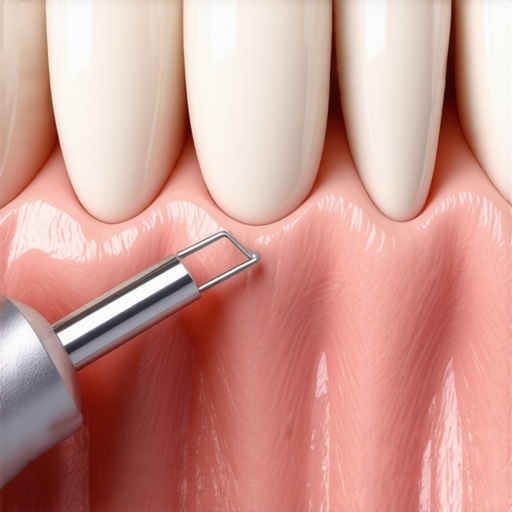
Here is a trap that almost everyone falls into: flossing around a new restoration with too much upward force. If you have a temporary or even a newly seated permanent crown, pulling the floss straight up can catch the margin and break the seal. Instead, always pull the floss out through the side. I learned this the hard way when I felt a terrifying ‘pop’ while flossing my own molar. This technique is especially crucial when you notice your new zirconia crown feels taller than your other teeth, as the bite is already slightly adjusted.
Can clear aligners actually improve my gum health long-term?
It sounds counterintuitive—putting plastic over your teeth to make them cleaner? But how Invisalign transforms family dentistry in 2025 goes beyond aesthetics. When teeth are crowded, they create ‘biofilm traps’ that no toothbrush can reach. By aligning them, you’re actually making your mouth more ‘self-cleansing.’ However, a common advanced mistake is not ensuring the trays are fully seated. If you are struggling with your Invisalign aligners popping off your back teeth, you aren’t getting the physiological benefits of the movement. You might need to seat stubborn Invisalign trays using the munchie technique to ensure the pressure is distributed correctly. These nuances are what separate a ‘straight smile’ from a ‘healthy mouth.’ Have you ever fallen into the ‘invincible crown’ trap or struggled with a tray that just wouldn’t sit right? Let me know in the comments!
Stop Guessing and Start Using a Pressure Sensor
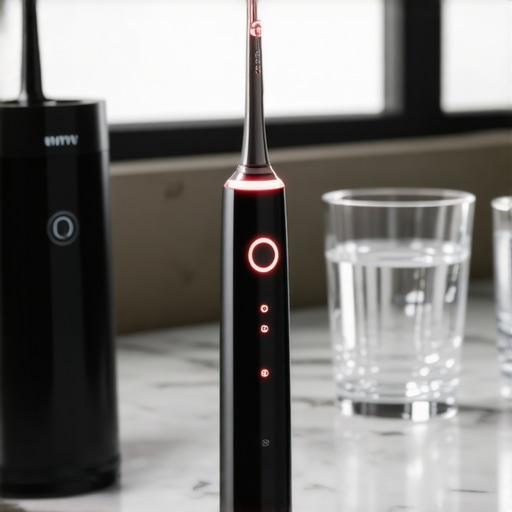
I used to be a ‘scrubber.’ I thought that if I didn’t feel the bristles grinding against my gums, I wasn’t getting them clean. The reality? I was literally scrubbing my smile away. This is why I now only recommend electric toothbrushes with built-in pressure sensors. If you see that red light flash, you’re pushing too hard. Learning how to tell if your gums are receding from brushing too hard is a game-changer for your long-term health. It’s not just about the brush; it’s about the feedback loop it provides. When I switched to a brush that forced me to be gentle, the sensitivity I’d dealt with for years vanished within weeks.
How do I keep my dental work looking new for a decade?
Maintenance isn’t a chore; it’s an investment in your future self. For anyone with extensive work, following the ultimate guide to crowns for a healthier smile is the difference between a ten-year restoration and a thirty-year one. I’ve seen patients who think they can skip the ‘boring’ steps because their teeth look great now. But then they wonder why your porcelain crown has a tiny chip on the edge or why the margin looks dark. The secret is consistency. I personally use a high-end sonic brush twice a day, focusing specifically on the gum line where the crown meets the natural tooth. According to the Journal of Oral Implantology, the longevity of restorations is significantly linked to the management of ‘bio-load’ at the margin. If you ignore the microscopic space where your crown meets your gum, you’re essentially leaving a back door open for bacteria.
The Water Flosser Is Your Bridge’s Best Friend
If you have a dental bridge, standard floss is a nightmare. I remember fumbling with those plastic threaders and eventually just giving up. That was a huge mistake. Now, I swear by the water flosser. But here is the trick: start on the lowest setting and aim the tip at a 90-degree angle to your gum line. Once you master the trick to using a water flosser without making a total mess, you’ll never go back. It is particularly effective when you need to know the specific way to floss under a fixed dental bridge without irritating the tissue. Technical bulletins from the American Academy of Periodontology suggest that water flossing can be significantly more effective than traditional string floss for reducing gingival bleeding when used correctly around restorations.
The Future of Your Bathroom Sink
Looking ahead, I see a massive shift toward personalized diagnostics. We are already seeing Invisalign innovations the future of family dentistry revealed at 1137 am that use AI to track tooth movement in real-time. Soon, your toothbrush won’t just tell you if you’re brushing too hard; it will analyze your saliva for biomarkers of inflammation before you even feel a twinge of pain. This proactive approach is the ultimate evolution of top oral health tips. For now, focus on the basics but do them with the best tools available. If you’re wearing an aligner or retainer, stop using toothpaste to clean it—it’s too abrasive. Instead, try the vinegar soak that safely sanitizes your retainers and guards tonight and see the difference in clarity. Your smile—and your wallet—will thank you in ten years.
Three Myths About Modern Dental Care That Kept Me in the Dentist’s Chair
I used to believe that if it didn’t hurt, it wasn’t broken. That’s the most expensive mistake you can make. I’ve since learned that the best family dentistry secrets are found in prevention, not just repair. First, don’t assume a restoration is permanent. Even the best dental work requires maintenance. Second, I realized that top oral health tips aren’t just for kids; your teeth shift and age just like you do. Finally, I stopped thinking that aggressive brushing meant cleaner teeth. It actually leads to more problems than it solves.
My Go-To Kit for a Lifetime of Low-Maintenance Teeth
Building a routine that actually works doesn’t require a suitcase full of gadgets, but a few specific tools changed my life. I highly recommend a water flosser—once you learn the trick to using a water flosser without making a total mess, you’ll never go back to string. I also suggest reading up on invisalign myths debunked because understanding how alignment impacts hygiene is a game-changer. For those with restorations, keeping a bottle of white vinegar for the vinegar soak that safely sanitizes your retainers and guards is a simple, non-toxic way to keep things fresh without spending a fortune on specialized cleaners.
Your Smile Is the Ultimate Investment
At the end of the day, your mouth is the gateway to your overall well-being. Whether you are weighing the pros and cons of crowns vs veneers or simply trying to get your family through a week without a dental emergency, remember that small, consistent actions are what build a legacy of health. Take the time to understand family dentistry trends improving oral health for all ages so you can make informed decisions for your loved ones. Your smile deserves the same level of care you give to everything else you value. Have you ever had a moment where a simple kitchen remedy or a small habit change saved your teeth? Let me know in the comments below!