
Why your child’s breath smells sweet instead of minty

I leaned in for a bedtime kiss last Tuesday and paused mid-air. My six-year-old didn’t smell like the bubblegum toothpaste we use, nor did he have that typical ‘end of the day’ kid scent. Instead, he smelled like a bowl of overripe strawberries and syrup. It was jarring. I spent the next twenty minutes sniffing around his room like a bloodhound, searching for hidden candy wrappers under the pillow or sticky fruit snack residue in the sheets. I found absolutely nothing. That was my first big mistake—assuming it was a behavioral issue like sneaking snacks rather than a biological signal. I felt like such a novice, even though I have spent years following family dentistry trends to keep my crew healthy. Today, I am going to help you decode that sugary scent so you do not waste time hunting for non-existent gummy bears like I did. We are going to figure out if this is a simple mouth bacteria issue or something that requires a much more serious call to the doctor.
That Fruity Scent Often Tells a Hidden Story
When we think of bad breath, we usually think of something rotting. But sweetness is a different beast entirely. In my early days as a parent, I actually thought I was winning the stopping the sugar bug talk battle because his breath did not stink. But I learned the hard way that a sweet, fruity smell is often a sign of ketones. According to the American Diabetes Association, breath that smells like fruit or acetone is a major red flag for diabetic ketoacidosis, a serious condition where the body starts burning fat for fuel because it cannot use sugar. It is not just a dental quirk; it is a systemic signal that something is out of balance. If your child’s breath smells even after they brush, it is time to stop guessing and start investigating. Have you ever felt that nagging pit in your stomach when something just smells… off? That is your gut telling you to look closer.
Could This Just Be a Weird Phase My Kid Is Going Through?
It is incredibly tempting to hope it is just a weird reaction to a new juice or a strange sleeping habit. I have been there, crossing my fingers that it would just go away by the time we were bringing your child for their first dental visit. But real talk: sweet breath is not a phase you should ignore. We are going to walk through the most common reasons for this scent and exactly how to talk to your dentist or pediatrician about it without feeling like you are overreacting.
Start with a Thorough Scrub and a Deep Look
The very first thing I did after my strawberry incident was grab the toothbrush. You have to eliminate the obvious. Sometimes, fruit snacks or juice can linger in the nooks and crannies of the mouth, creating a fermenting sweetness. I remember one time my son had a tiny piece of a dried apricot wedged in the back of his mouth for nearly two days. It was not a medical emergency, but it sure smelled like one. If you notice the smell persists even after a vigorous cleaning, you need to look at the anatomy. I have found that why your child’s new molars have deep grooves that trap food is often the culprit for localized smells. Use a small flashlight—the kind on your phone works perfectly—and have them open wide. You are looking for any white or dark spots that do not brush away. If you find a cavity that has progressed, your dentist might discuss the ultimate guide to crowns for a healthier smile because a crown acts like a custom-fitted helmet for a tooth that has been compromised by decay.
Don’t Ignore the Tongue Surface
Most parents focus on the teeth, but the tongue is like a plush carpet that traps everything from milk proteins to sugar. If the breath smells off, the tongue is usually the first place I check. We started implementing a scraper because learning the right way to clean your tongue without triggering your gag reflex made the process much less of a battle. If the sweet smell remains after the tongue is pink and clear, the issue is likely internal, not topical. 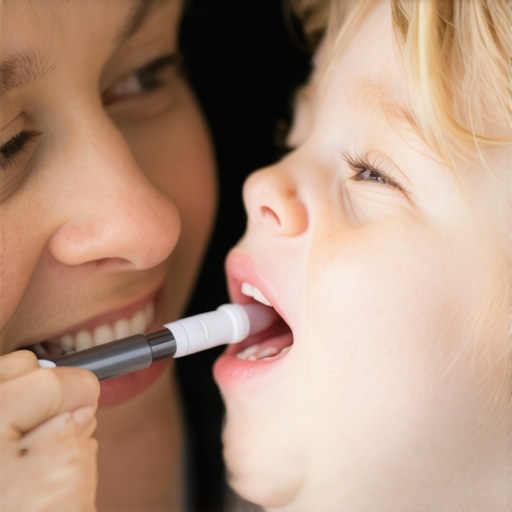
Watch for the Thirst and Fatigue Combo
If the breath smells like Juicy Fruit gum but your kid is acting like they have just run a marathon, pay attention. When the body is in a state of ketosis—especially in undiagnosed Type 1 Diabetes—it is trying to flush out excess sugar. This leads to what I call the Dry and Drained phase. Are they drinking water like they are lost in the desert? Are they hitting the bathroom every thirty minutes? When I followed up on top oral health tips for your family’s bright smiles, I realized that hydration is more than just about spit production; it is a marker for metabolic health. If their breath smells like acetone (nail polish remover), this is a direct signal to bypass the dental office and call the pediatrician immediately.
How to Talk to Your Dentist About the Scent
When you finally get them in the chair, do not just say their breath is weird. Be specific. Tell them you have ruled out the usual suspects. Mention if you have seen any changes in their tooth structure, like if your child’s permanent teeth look serrated at the top or if there is new sensitivity. A dentist can often tell the difference between a sugar bug issue and a systemic one. For instance, while you might be looking into how invisalign transforms family dentistry in 2025 for their future alignment, the current priority is identifying the source of that odor. It is like having a mechanic check your engine when you really just have a leaky gas cap—you want the expert to tell you which one it is. Be prepared for them to ask about their diet and any recent illnesses, as even a lingering sinus infection can change the chemistry of a child’s breath in strange ways.Most people assume that once a crown is placed, that tooth is ‘finished’—like it’s encased in armor and you never have to worry about it again. This is a dangerous trap. In my years of researching family dentistry secrets maintaining oral health with modern techniques at 254 pm, I have seen that the margin—the tiny area where the crown meets the gum—is actually the most vulnerable spot in your mouth. If you are not meticulous, bacteria can seep under that expensive porcelain and cause decay that is nearly impossible to see until it is too late. It is why choosing the right crown expert advice for long lasting results is about more than just the initial fit; it is about the long-term maintenance of that delicate seam. Everyone says crowns protect the tooth, but in my experience, they actually require even more specialized care than a natural tooth does.
Can a Perfectly Seated Crown Still Feel Like It Is Moving?
It sounds counterintuitive, but many patients report that their restoration feels ‘off’ even when the X-rays look perfectly clean. According to the American College of Prosthodontists, even a microscopic discrepancy in the ‘occlusion’—the way your upper and lower teeth bite together—can lead to periodontal ligament inflammation. This is often why your dental crown feels like its shifting even when it is physically secure. It is not always a loose tooth; it is often your nervous system reacting to a high spot that only hits when you grind your teeth at night. 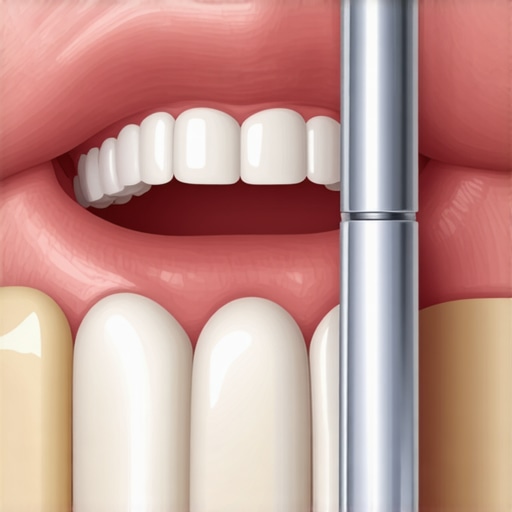 Another major ‘oops’ I see involves the latest orthodontic tech. We often treat clear aligners like a fashion accessory, but there is a mechanical precision required that most people ignore. One of the biggest invisalign myths debunked what you need to know today is the idea that just wearing them for the required hours is sufficient. If the tray is not fully ‘seated’ against the teeth, the planned movement simply will not happen. I have learned that mastering how to seat stubborn invisalign trays using the munchie technique is the difference between a smooth 6-month treatment and a frustrating 2-year ordeal. Without that active engagement, you are just wearing a piece of plastic rather than a medical device. Have you ever fallen into this trap of thinking the tool does all the work without your help? Let me know in the comments. We need to stop looking at dental work as ‘set and forget’ and start seeing it as an active partnership between you and your provider. Whether you are looking at invisalign innovations the future of family dentistry revealed at 1137 am or simple restorative work, the nuance is in the daily follow-through and the top oral health tips for your familys bright smiles that focus on these hidden details.It took me years to realize that the toothbrush is only half the battle. If you are managing a house full of crowns, Invisalign trays, and growing molars, you need a toolkit that looks more like a high-tech lab than a bathroom cabinet. I personally swear by my water flosser, even though it originally made me look like I had walked through a car wash with the windows down. Mastering the trick to using a water flosser without making a total mess was a game-changer for my family’s gum health, especially around those tricky crown margins we talked about earlier. When you have hardware in your mouth, standard floss often fails to reach the hidden ‘under-hangs’ where bacteria love to congregate. I have seen way too many people invest in the ultimate guide to crowns for a healthier smile only to lose that investment because they ignored the specialized plumbing work required to keep them clean.
How do I keep my dental work from failing in five years?
The secret is consistency over intensity. You do not need to scrub your teeth until your gums bleed; in fact, that is exactly how to tell if your gums are receding from brushing too hard. Instead, focus on the tools that offer precision. For my kids, this means using disclosing tablets once a month to show them the spots they missed. For the adults in the house, it is about maintaining the equipment we already have. I use the vinegar soak that safely sanitizes your retainers and guards every Sunday morning. It is a simple, non-toxic way to prevent the calcium buildup that turns a clear aligner into a cloudy, bacteria-trapping mess. This level of family dentistry secrets maintaining oral health with modern techniques at 254 pm ensures that we are not just reacting to problems but preventing them from starting. 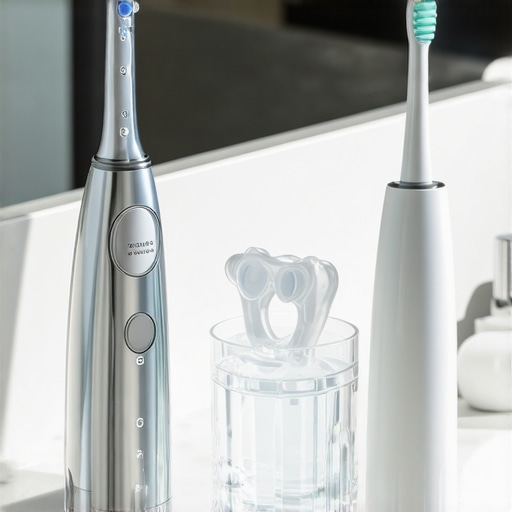
The gadgets that actually saved my sanity and my wallet
Beyond the bathroom sink, the technology in the office has shifted dramatically. I no longer settle for the old-school bitewing X-rays that feel like cardboard cutting into your gums. According to the American Academy of Implant Dentistry (AAID), 3D Cone Beam Computed Tomography (CBCT) provides a level of anatomical detail—specifically regarding bone volume and nerve pathways—that traditional 2D films simply cannot capture. This is precisely what a 3D CBCT scan reveals that standard x-rays miss entirely, and it has become my non-negotiable for any major restorative work. Looking ahead, I predict we are less than five years away from widespread AI-integrated toothbrushes that sync with your dentist’s office to flag potential cavities before they even require a drill. We are entering an era of ‘predictive dentistry’ where invisalign innovations the future of family dentistry revealed at 1137 am will allow for real-time adjustments via smartphone apps. For now, your best bet is to stay curious and stay disciplined. Try the vinegar soak this weekend on your nightguard or retainer—it is the easiest five-minute win you can give your oral microbiome. Whether you are following top oral health tips for your familys bright smiles or exploring how invisalign transforms family dentistry in 2025, the power is in the daily maintenance.
The Hardest Lessons I Learned While Sniffing Out Dental Drama
It took me several years of parenting and a few frantic Google searches to realize that ‘sweet’ doesn’t always mean ‘clean’ when it comes to a child’s mouth. The biggest revelation was that the mouth is truly a window into the rest of the body. When I first noticed that fruity scent, I didn’t realize that why your childs breath smells even after they brush could be a sign of anything other than a hidden snack. I learned the hard way that systemic health, especially regarding blood sugar and ketones, shows up in the breath long before other symptoms might appear. Another ‘lightbulb moment’ was realizing that family dentistry trends are shifting toward this kind of holistic observation—your dentist is often the first person who can flag a metabolic issue. I also learned that if my gut says something is off, it usually is. Don’t let anyone tell you that you are overreacting when you notice a biological change in your kid, no matter how ‘sweet’ it smells.
My Secret Arsenal for Maintaining a Lifetime of Healthy Smiles
If you want to move from reactive to proactive, you need a toolkit that handles both the visible and the invisible. First, I cannot recommend the vinegar soak that safely sanitizes your retainers and guards enough; it is the simplest way to ensure that any dental hardware isn’t becoming a petri dish for bacteria that alters breath. Second, if you are planning any major restorative work for your family, always ask for what a 3d cbct scan reveals that standard x-rays miss entirely to ensure the roots and bone structure are sound. Finally, for those tricky areas around crowns or braces, mastering the trick to using a water flosser without making a total mess will save you from the localized infections that often cause persistent odors. I trust these methods because they focus on long-term prevention rather than just temporary fixes. #IMAGE_PLACEHOLDER_E#
Trust Your Instincts and Take Action Now
At the end of the day, you are the expert on your child. Whether it is a subtle shift in their breath or a change in how they eat, your observations are the most valuable diagnostic tool a medical professional has. By staying diligent with top oral health tips for your familys bright smiles, you aren’t just protecting their teeth; you are safeguarding their entire future. Modern family dentistry is about more than just filling cavities—it is about keeping the whole person healthy. Don’t wait for the next scheduled cleaning if your intuition is pinging. Has your child ever had a ‘sweet breath’ moment that turned out to be more than just a hidden piece of candy? Let me know your experience in the comments below.