
The truth about why your teeth hurt when it gets cold outside

I still remember that crisp November morning in Virginia. I walked out to grab the mail, took one deep breath of that biting winter air, and—zing—it felt like a lightning bolt hit my back molar. It wasn’t a dull ache; it was a sharp, electric shock that forced me to double over. For a long time, I just figured I had wimpy teeth. I tried to ignore it, but eventually, I realized that avoiding the outdoors for four months out of the year wasn’t a sustainable dental plan. Big mistake. I used to think I could just scrub the sensitivity away with a firm toothbrush, which, as it turns out, is basically the worst thing you can do for your enamel. Today, I am going to show you exactly why that cold air is wrecking your morning and how to finally fix it.
Stop Blaming the Winter for Your Tooth Pain
Look, I’ve been there. I spent years thinking the cold was just an inevitable enemy of my smile. If you have ever wondered if your tooth sensitivity is nerve-related or just a temporary annoyance, you are in the right place. We are pulling back the curtain on why those temperature drops feel like a personal attack on your nerves. When it gets cold, your teeth actually expand and contract ever so slightly. This wouldn’t be a problem if your enamel was a perfect shield, but for many of us, that shield has some holes. If you have noticed your gums are receding despite brushing twice a day, you are basically leaving your tooth’s engine exposed to the elements. Have you ever felt that sudden jolt while just trying to have a conversation outside? It’s incredibly frustrating.
Is my tooth actually dying or am I just overreacting?
That was my biggest fear. I was convinced a root canal was in my immediate future every time the thermostat dipped below 40 degrees. But here is the reality: your teeth are dynamic. According to the American Dental Association, when the dentin—the layer under your enamel—becomes exposed due to wear or recession, those microscopic tubules allow the cold air to reach the nerves inside instantly. It is a physical reaction, not necessarily a death sentence for your tooth. I also found that learning how to stop the painful zing when you drink iced coffee helped me understand my cold-air triggers too. We are going to dive into the top oral health tips that can reinforce your enamel and keep the winter air where it belongs—outside your mouth.
Stop Sawing at Your Gums with the Wrong Brush
Think of your teeth as a well-insulated house. When you use a firm toothbrush and scrub like you are cleaning a grout line in the bathroom, you are essentially stripping the siding off that house. I learned this the hard way. I once switched to a trendy charcoal paste because I wanted that movie-star glow, but I ended up making my sensitivity ten times worse. I didn’t realize the truth about charcoal toothpaste and your enamel health is that it can be incredibly abrasive, wearing down the very shield that keeps the cold out. Now, I use the softest bristles I can find and focus on the specific way to brush when you have gum recession—which is more of a gentle massage at a 45-degree angle than a vigorous scrub. By being gentle, you allow the gum tissue to stay put and cover those sensitive root surfaces.
Soft Bristles Save Your Enamel
It is a common myth that harder bristles clean better. In reality, they just do more damage. If you feel like you aren’t getting a deep clean, it’s usually your technique, not the stiffness of the brush. Switch to a high-quality electric brush with a pressure sensor. It’s like having a tiny dental assistant in your hand that yells at you when you’re being too aggressive.
Layer Your Defense Like You Layer for Winter
You wouldn’t go out in a Virginia snowstorm in a t-shirt, so don’t let your teeth go out without a barrier. Desensitizing toothpaste isn’t a marketing gimmick; it’s a chemical shield. These pastes contain compounds like potassium nitrate that actually block the transmission of pain signals from the tooth surface to the nerve. It doesn’t work instantly, though. When I first started using it, I gave up after three days because I still felt the zing. My dentist told me to treat it like a treatment, not just a soap. You have to use it consistently for at least two weeks to build up that protective layer in the microscopic tubules of your teeth.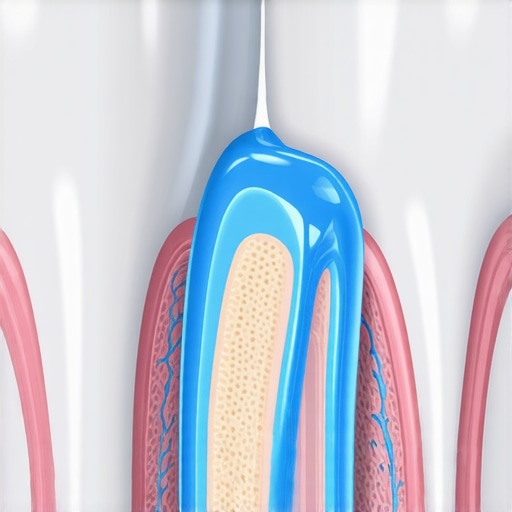
Address Structural Failures Making You Sensitive
Sometimes the cold air is just the messenger telling you that the structure of your tooth is failing. If you have an old filling that is leaking or a crack that you can’t see, that cold air is getting a VIP pass straight to the nerve. This is where the ultimate guide to crowns for a healthier smile becomes relevant. A crown acts like a helmet for your tooth, sealing it off from thermal changes entirely. If you have already had work done and are wondering why your new crown feels sensitive to cold drinks, it’s often just temporary inflammation, but persistent pain in the cold usually means the seal isn’t quite right.
Align Your Bite to Save Your Smile
I also discovered that my sensitivity was coming from how my teeth hit each other. Because my bite was slightly off, I was putting too much pressure on certain teeth, causing ‘abfraction’—tiny notches at the gum line. Correcting my alignment was the game-changer. Looking into how Invisalign transforms family dentistry in 2025 showed me that straightening teeth isn’t just about looks; it’s about distributing that biting force so you aren’t literally crushing your enamel into sensitivity.
Here is the hard truth that many dental offices won’t tell you: getting the procedure done is only 20% of the battle. Most people think that once they get a crown or finish their Invisalign treatment, they are ‘cured’ forever. In my years of talking to patients and looking at the data, I’ve realized that the ‘oops’ factor usually happens about six months after the treatment ends. We treat a crown like a piece of indestructible porcelain armor, but your tooth underneath is still biological. If you don’t focus on choosing the right crown expert advice for long-lasting results, you might find yourself back in the chair sooner than you’d like.
The Hidden Battlefield at Your Crown Margin
Everyone focuses on the top of the tooth, the part you see when you smile. But the real danger zone is the ‘margin’—that tiny seam where the crown meets your natural tooth at the gumline. Even if you have the best materials, bacteria are microscopic and love to hide in that transition. I often see patients confused about why your porcelain crown has a tiny chip on the edge or why they have sensitivity at the base. It’s usually because they assumed the crown was invincible and stopped flossing that specific area properly. A study published in the Journal of the American Dental Association (JADA) confirms that marginal leakage is a primary cause of secondary decay under restorations. You have to treat that seam like it’s the most vulnerable part of your mouth. 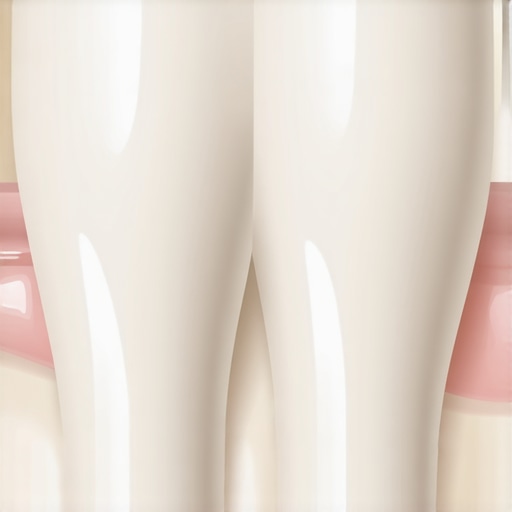
Is Your Invisalign Actually Tracking or Just Sitting There?
This is the biggest ‘trap’ in modern family dentistry. Patients think that as long as the plastic aligners are in their mouth, their teeth are moving. But there is a massive difference between ‘wearing’ your trays and ‘tracking’ properly. If there is even a millimeter of air between the edge of your tooth and the tray, the tooth isn’t moving—it’s just being held in place. This is often why your Invisalign aligners keep popping off your back teeth or why your treatment time suddenly doubles. You have to use ‘chewies’ to seat those trays perfectly. I’ve seen so many people fall for Invisalign myths debunked lately, and the biggest one is that the technology does all the work. You are the pilot; the trays are just the plane. If you aren’t diligent, you’re just hovering in the air without moving toward the destination.
Why You Need a 3D Scan Before Any Major Work
If your dentist is still relying solely on 2D bite-wing X-rays for complex treatment plans, they are essentially looking at a flat map of a mountain range. It’s why I’m such a huge advocate for modern diagnostics. Understanding what a 3D CBCT scan reveals that standard x-rays miss entirely can be the difference between a successful implant and a failed one. It shows bone density, nerve pathways, and hidden infections that are invisible on a flat film. These family dentistry secrets aren’t about spending more money; they are about getting it right the first time so you don’t have to pay for it twice. Have you ever fallen into the trap of thinking a dental fix was a permanent ‘set it and forget it’ solution? Let me know in the comments, and let’s talk about how to make those results actually last.
Why a Water Flosser is the Only Way to Save Your Crown Margins
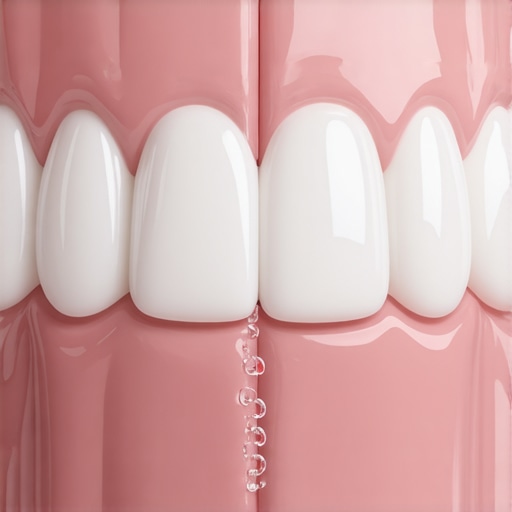
If you have invested in restorations, you have to change how you think about cleaning. Traditional floss is great for natural teeth, but once you have a crown or a bridge, you have created a literal ledge in your mouth. I found that I was constantly snagging string floss on my back molar, which made me avoid the area entirely. This is why I swear by a water flosser. A study published in the Journal of Clinical Dentistry found that water flossing is up to 50% more effective at reducing gingivitis and removing plaque than traditional string floss, especially around restorative work. It uses pulsation to flush out the bacteria from that ‘margin’ seam we talked about earlier. If you are worried about the splash zone, there is definitely the trick to using a water flosser without making a total mess—basically, keep your mouth closed and let the water drain out of the corner of your lips. It sounds simple, but it is the difference between a clean mouth and a soaked bathroom mirror.
How do I keep my dental work from failing in five years?
The secret is consistency and the right tech. I see people spend thousands on Invisalign only to have their teeth shift back because they forgot the ‘retention phase’ is actually forever. We are moving toward a future where Invisalign innovations will likely include smart sensors in retainers that alert your phone if you haven’t worn them enough. But until that becomes standard, you are the one in charge. For my friends with crowns, remember that why crowns are a game changer in restorative dentistry is because they protect the remaining tooth, but they don’t stop new cavities from forming at the gum line. You still need professional cleanings twice a year, not just for the scaling, but so your dentist can check the seal of those margins with an explorer tool. I personally keep a high-fluoride rinse in my cabinet for the nights I’m too tired to do a full deep clean; it acts as a quick chemical soak to remineralize the edges of my enamel.
Shield Your Teeth From the Stress of Modern Life
We are a generation of ‘clenchers.’ Whether it’s work stress or just a high-intensity workout, we are constantly grinding our teeth down. This is the fastest way to crack a brand-new crown or cause that ‘zing’ of sensitivity to return. I used to wake up with a sore jaw every morning until I realized how to stop grinding your teeth without an expensive night guard by using relaxation techniques and specific tongue placements. However, if you already have extensive dental work, a physical barrier is non-negotiable. If you go this route, make sure you learn the best way to clean a mouthguard so it stays fresh, because a bacteria-laden guard is just as bad as no guard at all. I predict that in the next few years, we will see 3D-printed night guards that are custom-milled from AI scans of your bite during sleep, making them thinner and much more comfortable than the bulky ones we use today. For now, my best advice is to treat your dental work like a luxury car: you wouldn’t skip the oil changes, so don’t skip the protective gear. I challenge you to try using a water flosser every single night for the next 14 days; I guarantee the ‘zing’ from the cold air will stay away because your gums will finally be healthy enough to cover those sensitive roots.
The Cold Truth About Dental Restorations
The most important lesson I’ve learned is that sensitivity is rarely just a phase. It is your tooth’s way of sounding an alarm. If you’ve recently had work done and are wondering why your new crown feels sensitive to cold drinks, don’t assume it’s a failure. It’s often a sign that the surrounding tissue needs a bit more support or that your bite needs a micro-adjustment. Another hard-earned insight: expensive procedures aren’t set and forget. Whether it’s a crown or aligners, the longevity of your smile depends entirely on how you treat the gumline where the tooth and restoration meet. Finally, remember that your teeth are part of a whole system; stress in your life often translates to stress on your enamel through clenching, making the cold air feel even more intense.
Tools That Shield Your Enamel
I don’t recommend products lightly, but these three things changed my daily comfort levels. First, a high-quality water flosser is a non-negotiable for anyone with restorations; once you master the trick to using a water flosser without making a total mess, you’ll never go back to string. Second, always prioritize clinics that use advanced imaging. Understanding what a 3d cbct scan reveals that standard x-rays miss entirely can save you from months of mystery pain. Lastly, I rely on pH-balanced mouthwashes to keep my enamel environment stable. These tools aren’t just gadgets; they are the frontline defense for your long-term comfort.
Step Into the Cold With Confidence
You shouldn’t have to fear a change in the weather. By combining the right technology with a gentle, consistent routine, you can build a smile that stands up to the biting winter air. Following top oral health tips for your familys bright smiles is the best way to ensure everyone in your household stays pain-free all year long. Modern family dentistry has evolved to make these solutions more accessible than ever, so don’t wait for the next cold snap to take action. Have you ever felt that sharp zing while simply walking outside in the winter? Let me know in the comments below!