
The fastest way to soothe a pizza burn on the roof of your mouth

I was starving. The pizza box had just hit the counter, the smell of garlic and toasted dough filling the kitchen. I didn’t wait. I took a massive, impatient bite, and immediately felt that searing, molten mozzarella stick to the roof of my mouth like liquid lava. We have all been there. That instant regret is visceral, and the lingering ‘pizza palate’—where the skin feels like sandpaper for three days—is even worse. Early in my journey of obsessive oral care, I made the mistake of trying to ‘numb’ the burn by sucking on an ice cube for twenty minutes straight. I ended up with a localized frostbite-style irritation on top of the burn. Talk about a double whammy! Today, I am going to show you the actual fastest way to calm that fire without making things worse, using methods that actually respect your mouth’s delicate tissue.
Stop the Sting Before it Ruins Your Week
The tissue on your palate is incredibly thin and sensitive, which is why a 180-degree slice of pepperoni feels like a physical assault. When you burn it, your first goal is to lower the temperature of the tissue without causing a secondary thermal shock. Instead of ice, reach for cool—not freezing—water. I have found that keeping the area hydrated is half the battle. A gentle salt water rinse trick is my absolute go-to for keeping the area clean and preventing the ‘sticky’ feeling that leads to further peeling. It is one of those top oral health tips that sounds like an old wives’ tale, but the science of osmosis really helps pull out the inflammation. Interestingly, research from the National Institutes of Health suggests that oral tissues actually heal faster than skin on the rest of the body due to the rich blood supply and the presence of specialized proteins in saliva. However, you still need to give it a head start. Have you ever had a burn so bad that even drinking water felt like swallowing needles?
Does a Minor Burn Really Need Professional Attention?
You might think it is just a silly kitchen mishap, but a deep burn can sometimes lead to an infection or a painful mouth ulcer. While we often focus on things like family dentistry trends and high-tech restorations, sometimes the most important care is just knowing how to handle these everyday ‘ouch’ moments. If you notice the area turning a strange color or if you start feeling a throbbing sensation, it is worth a quick call to your dentist. In the meantime, the trick is to avoid acidic foods like orange juice or spicy chips that will just act like fuel on the fire. We want to create a protective environment so your body can do what it does best: heal.
Cool it Down Before the Blister Forms
The very first thing you must do is lower the core temperature of that burnt tissue. Think of your palate like a high-performance engine that just overheated; you don’t throw a bucket of dry ice on it, but you do need to circulate cool air. Swish cool water around the roof of your mouth for at least three to five minutes. This draws the heat out of the deeper layers of the mucosa, preventing the burn from ‘cooking’ the underlying cells. I once made the mistake of ignoring a burn from a toasted bagel, and by the time I sat down for dinner, the area had already started to slough off. If I had simply spent five minutes with cool water, the recovery would have been cut in half. 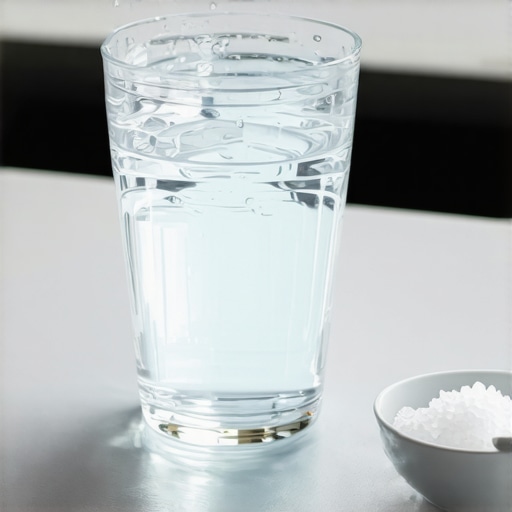
Why the Saltwater Rinse is Mandatory
Once the heat is out, you need to create a sterile environment. A gentle salt water rinse trick for a sore mouth is non-negotiable here. Salt acts as a natural mild antiseptic and helps reduce the swelling that makes the roof of your mouth feel like a giant, pulsing balloon. Mix half a teaspoon of salt into eight ounces of warm water—not hot!—and let it sit over the affected area. This is one of those top oral health tips for your family’s bright smiles that people ignore because it’s too simple, but it effectively keeps bacteria from colonizing the raw skin.
Shield the Area From Further Damage
While the tissue is raw, you have to treat it like an open wound. This means your diet needs a temporary overhaul. Avoid anything with edges—no chips, no crusty bread, and definitely no popcorn. I remember trying to eat salt-and-vinegar chips the day after a burn, and the acidity felt like a thousand tiny needles. If you have a sharp edge on a tooth that is aggravating the area, you might need to learn how to stop a sharp tooth from cutting your tongue or palate to prevent further trauma. Instead, stick to soft, cool foods. Think of it as a ‘dentistry diet,’ similar to what to eat after getting a new dental crown. Yogurt, lukewarm mashed potatoes, and smoothies are your best friends for the next 48 hours.
Keep the Area Clean Without Irritation
Maintaining hygiene while you are injured is tricky. You cannot just skip brushing, but you must be surgical in your approach. Use a soft-bristled brush and avoid foaming toothpastes with sodium lauryl sulfate (SLS) if possible, as these can irritate raw tissue. It is also a good time to review the best way to clean your mouth when you have the flu, as the principles of gentle, effective cleaning apply perfectly to a wounded palate. If the pain is making it impossible to sleep, a small dab of over-the-counter oral numbing gel can provide a temporary ‘shield,’ but don’t over-rely on it; you want to be able to feel if you are accidentally re-injuring the spot.
When to Worry About That White Patch
As the burn heals, it might turn white or grayish. Do not panic—this is often just the ‘scab’ of the mouth, known as fibrin. However, if you notice the area is oozing, if you develop a fever, or if the pain starts radiating toward your ears, it is time to contact us or your local provider. A secondary infection in the mouth is rare but can happen if you are constantly poking at the area with your tongue or if your immune system is already taxed. Keep the area hydrated, keep the salt rinses going, and most importantly, let your body do the heavy lifting.While we are on the topic of mouth irritations, let’s look at a nuance most people miss: the link between minor burns and the way your teeth actually fit together. Most people think of orthodontic work as a vanity project for teenagers, but that is a dangerous oversimplification. In reality, crowded or misaligned teeth create ‘traumatic occlusion’—basically, your teeth are hitting each other at angles they were not designed for. This is where Invisalign myths debunked really matter. When your bite is off, you are not just looking at a crooked smile; you are looking at micro-fractures in your enamel that eventually turn into the very chips and cracks that require major restorative work. A study published in the Journal of Oral Rehabilitation suggests that improper alignment significantly increases the risk of tooth wear and periodontal issues over time. 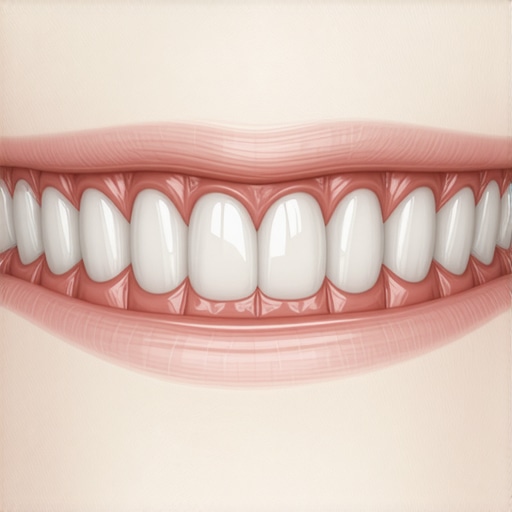
Straight Teeth Protect Your Enamel More Than You Realize
Beyond aesthetics, alignment is about the fundamental physics of your mouth. If you have wondered why your teeth ache for the first two days of a new aligner tray, it is usually the bone remodeling process, but trapping bacteria under those trays—especially if you already have a healing palate burn—can cause secondary infections. This is one of those top oral health tips for your family’s bright smiles: treat your trays with the same hygiene standards you would a fresh wound.
Why Your New Crown Shouldn’t Feel ‘Tall’ When You Wake Up
Here is a trap I see even experienced patients fall into: they get a new crown and assume it just needs time to ‘settle.’ If you find yourself wondering why your crown feels tall when you wake up, do not ignore it. A crown that is even a fraction of a millimeter too high can cause occlusal trauma, leading to inflammation in the ligament holding the tooth. This is often the real reason why your new crown feels sensitive to cold drinks; it is not always a nerve issue, but rather a bruising of the supporting structure. This kind of chronic pressure can even lead to why your dental crown feels like it is vibrating during certain jaw movements.
Choose Longevity Over the Quick Fix
Modern family dentistry trends are moving toward more conservative, ‘additive’ dentistry. Instead of grinding a tooth down for a full crown, we often look at crowns vs veneers to see which preserves more natural structure. The common mistake is choosing based on immediate cost rather than biomechanical longevity. If you have a sharp edge from a chip that keeps bothering you, knowing how to stop a sharp tooth from cutting your tongue is a great temporary fix, but it should never replace a professional evaluation. We also need to consider how these materials interact with your natural biology. For instance, if you have recently had work done and notice a change in taste, you might be looking for how to stop the metallic taste after getting a new crown, which is often a sign of galvanic response or minor pH imbalances in your saliva. Have you ever fallen into the trap of delaying a ‘minor’ dental fix only to have it turn into a major procedure? Let me know in the comments.If you want to avoid the endless cycle of emergency appointments, you have to get specific with your toolkit. I am not talking about just any old manual brush; I am talking about the hardware that bridges the gap between a standard cleaning and a professional procedure. I personally swear by my high-pressure water flosser, but I had to learn the trick to using a water flosser without making a total mess before it became a daily habit. It is about the 90-degree angle and the pause between teeth that keeps your bathroom mirror dry and your gums healthy. These tools are the foundation of family dentistry secrets maintaining oral health with modern techniques that actually work.
The 3D Scan That Reveals What Your Dentist Used to Miss
One piece of equipment I always look for in a modern office is the 3D CBCT scanner. It is a game-changer because it allows us to see the roots, the bone, and the nerve pathways in three dimensions. I have found that why finding the best dentistry in culpeper va usually starts with a 3d-cbct-scan is not just marketing—it is about diagnostic accuracy. When you are planning for something as permanent as a crown or an implant, you want that level of detail. A technical report in the Journal of Prosthodontic Research confirms that digital intraoral scans provide a significantly higher level of ‘marginal fit’—the seal between the crown and the tooth—compared to traditional silicone impressions, which can often warp or shrink. 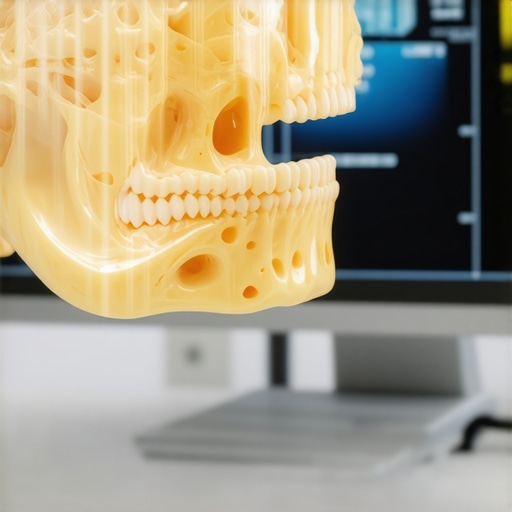
How do I maintain my dental work over time?
Maintenance is not a passive activity; it is an active strategy. For those with restorations, you must avoid ‘shear forces’—basically, don’t use your teeth as tools to open plastic bags or bite through fishing lines. If you have invested in alignment, staying updated on Invisalign innovations ensures you are using the best retainers to prevent relapse. I predict that within the next five years, we will see smart-retainers with embedded biosensors that alert your smartphone the second they detect a micro-shift in your bite or a change in your saliva’s pH balance.
Stop Guessing and Start Seeing Under Your Gums
When you are choosing the right crown expert advice for long lasting results, always ask about their digital workflow. A dentist who uses digital impressions is giving you a restoration that fits better from day one. This precision reduces the chance of food getting trapped, which is the number one cause of secondary decay under a crown. My final tip for you today is a challenge: the next time you use your water flosser, stop aiming it directly at the gum tissue. Instead, follow the gumline at that 90-degree angle I mentioned and move slowly. You will be amazed at how much more debris you clear out. Try this specific technique for just one week and see if your gums feel less ‘tight’ and more refreshed.
Lessons from the Front Lines of Dental First Aid
Over the years, I have realized that oral health is rarely about the big surgeries; it is about the micro-decisions we make every day. When you burn the roof of your mouth, it is a wake-up call to how sensitive our internal ecosystem really is. Here are a few lightbulb moments I have had while managing my own dental mishaps:
- The ‘Wait and See’ Trap: Never wait more than three days for a burn to show signs of improvement. If that white patch doesn’t start fading, it is time for a professional look.
- Texture Matters: We often think about flavor, but when healing, texture is king. I learned that even a slightly crusty piece of bread can reset your healing progress by 48 hours.
- Alignment is a Shield: I used to think my crooked teeth were just a cosmetic issue until I realized they were causing me to bite my cheek and palate more often. Looking into Invisalign myths debunked changed how I viewed the structural safety of my mouth.
- Temperature Testing: Always test the first bite of melty cheese with the tip of your tongue—never the palate. The tongue heals much faster and has more protective surface area.
The Exact Tools I Keep in My Medicine Cabinet
Maintaining a healthy smile requires more than just a tube of toothpaste. I have curated a specific set of tools that help me navigate everything from a pizza burn to long-term maintenance. First, I always keep a high-quality salt on hand for the salt water rinse trick for a sore mouth; it is the most effective way to manage inflammation naturally. Second, I cannot recommend a water flosser enough, provided you know the trick to using a water flosser without making a total mess. It keeps the gumline pristine without the abrasive scraping of traditional floss on a sore mouth. Lastly, I keep a digital copy of my ultimate guide to crowns for a healthier smile to remind myself why preventative care is so much cheaper and less painful than restorative work. These resources have moved me from reactive ’emergency’ mode to proactive health management.
Your Path to a Lifetime of Healthy Smiles
Whether you are dealing with a temporary ‘pizza palate’ or considering long-term alignment with Invisalign innovations, the goal is always the same: a mouth that feels as good as it looks. Don’t let a minor burn or a small chip discourage you. Every step you take to understand your oral biology makes you more resilient. By following top oral health tips and staying curious about modern techniques, you are ensuring your smile stays vibrant for decades. What is the hottest food that has ever gotten the best of you? Let me know your story in the comments below!