
The move to stop a toothache from ruining your sleep

I remember staring at the glowing red numbers of my alarm clock—3:14 AM—and my molar felt like it was hosting a solo heavy metal concert with my jaw as the stage. Every single beat of my heart was a rhythmic hammer blow. I am not proud of it, but I spent twenty minutes just whimpering into a handful of cold water in the bathroom. I made the classic rookie mistake that most of us make: I thought if I just laid perfectly flat and squeezed my eyes shut, I could eventually out-sleep the pain. It did not work. Not even a little bit. In fact, the second my head hit the mattress, the throbbing intensified until I could practically see the pain behind my eyelids. That is when it clicked. Surviving a toothache is not just about how much medicine you can take; it is about tactical positioning. Today, I am going to share the exact move that saved my sanity and finally let me get more than two hours of shut-eye, because nobody should have to face the sunrise with a swollen face and a broken spirit.
Why Your Tooth Thumps the Second You Hit the Pillow
I did not realize it at the time, but gravity was actively working against me. When we transition from standing to lying down, the blood pressure in our heads naturally increases. For a healthy person, you do not even notice. But when you have an inflamed nerve? That extra blood flow turns a dull ache into a pulsing nightmare. I spent far too many nights trying to handle a toothache that only happens when you lie down by simply flipping the pillow to the cool side and hoping for a miracle. It is a miserable cycle that only ends when you understand the physics of your own jaw. Sometimes, the culprit is not even a cavity. I have lived through the confusion of trying to figure out the connection between your sinus infection and your tooth pain, which can mimic a toothache so perfectly it is scary. I once sat in my dentist chair convinced I needed a root canal, only to find out my sinuses were just a mess. Another time, I ignored a tiny bit of discomfort after a procedure, only to stay awake wondering why your new crown feels sensitive to cold drinks—it turns out the bite was just a fraction of a millimeter off, and lying down made that inflammation scream. [image_placeholder_1]
Is a simple position change really enough to kill the pain?
You might be rolling your eyes right now. I get it. When your jaw is on fire, being told to prop up your pillows sounds about as helpful as being told to breathe deeply during a shark attack. But this is not just folk wisdom; there is real science here. According to the American Association of Endodontists, the lack of distractions at night makes us more sensitive to the pain, but the physiological reality of increased blood flow to the head is the primary driver of that nighttime thump. By elevating your head, you are physically reducing the vascular pressure on the pulpal tissue inside your tooth. It is the single most effective non-medicinal move you can make. Have you ever found yourself pacing the kitchen at 3 AM because the pressure was simply too much to bear? You are not alone. I have been there, clutching a cold compress and searching for any relief. If you have ever had to manage a toothache when you are flying, you know that pressure is the ultimate enemy of oral comfort. Your bedroom is no different than a pressurized cabin when you are lying flat. Let us get into the specifics of how to build a sleep throne that actually works.
Stack your pillows like a pro to drain the pressure
I call it the ‘Sleep Throne,’ and it was the only thing that kept me from losing my mind during the Great Molar Crisis of 2022. The first time I tried to manage the thumping, I just threw one extra pillow on the pile. Big mistake. Within an hour, I had slid down, my head was flat, and the throbbing woke me up with a vengeance. To do this right, you need to create a gradual incline from your mid-back all the way to the top of your head. If you have a wedge pillow, use it. If not, drag those firm couch cushions into the bedroom because they won’t compress like standard bed pillows. You want your head at at least a 45-degree angle. Think of your jaw like a garden hose with too much pressure; by lifting the end of the hose, you are effectively slowing the flow and lowering the internal ‘PSI’ of your tooth. I once got so desperate I tried to sleep in a straight-backed kitchen chair. I looked like a gargoyle and felt like one the next morning, but the thumping stopped. Building a stable incline in bed is the more comfortable version of that survival tactic. 
Clean the area without making the inflammation worse
Once you are elevated, you need to clear any physical debris that might be aggravating the site. I once had a tiny piece of a bagel seed wedged so deep I thought I had a literal hole in my tooth. If you have a bridge, use the easiest way to get food out from under your bridge to clear the area without poking the nerve further. Poking at a sore tooth with a toothpick is like trying to fix a splinter with a hammer—you are only going to drive the pain deeper. If you are dealing with a temporary restoration, you have to be incredibly delicate. Knowing how to floss around a temporary crown without pulling it off is vital because the last thing you want at 4 AM is a missing crown on top of a raging ache.
Use the salt water trick to drain the swamp
After clearing debris, hit the reset button with a rinse. I swear by the salt water rinse trick for a sore mouth. It doesn’t just kill surface bacteria; the osmosis process helps draw out some of the inflammatory fluids that are pressing against your nerves. It’s like draining a swamp. Just make sure the water is lukewarm. If you use ice-cold water, and you are already wondering why your crown feels sensitive to cold months after it was placed, you might trigger a lightning bolt of pain that will keep you awake until sunrise. After you rinse, avoid the temptation to snack. If you are hungry, follow the basic rules for what to eat after getting a new dental crown even if your tooth is natural. Stick to soft, room-temperature foods. If it is crunchy, spicy, or freezing, it is essentially a weapon against your sleep schedule.
But here is the thing that even seasoned dental patients often get wrong: they think once that porcelain or zirconia cap is on, the battle is won. In my experience, that mindset is exactly what leads to those 3 AM wake-up calls. We often treat crowns as if they are indestructible armor, but the real vulnerability lies at the ‘margin’—the microscopic line where your natural tooth meets the restoration. Everyone says a crown protects a tooth from decay, but the reality is that the underlying tooth can still rot if you are not obsessive about that seam. I have seen people invest in the ultimate guide to crowns for a healthier smile only to ignore the gum line, leading to a failure that is twice as expensive to fix the second time around.
Stop treating your restoration like a permanent shield
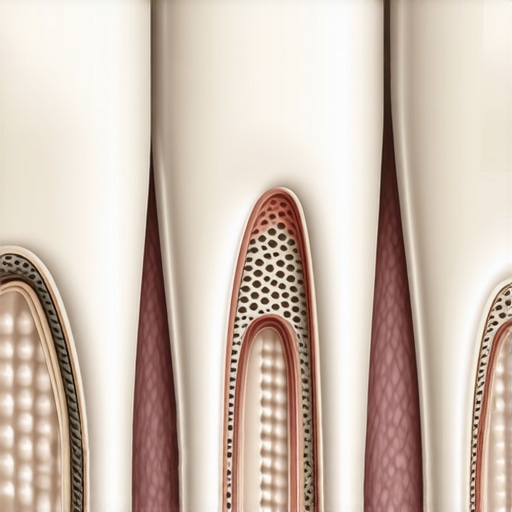
One of the biggest traps you can fall into is the ‘oops’ factor of the high bite. Have you ever noticed that your tooth feels fine during the day but feels like a skyscraper at night? This is not just in your head. According to a study published in the Journal of Prosthetic Dentistry, even a discrepancy of 20 to 30 microns in your bite—roughly the width of a human hair—can cause the periodontal ligament to become inflamed. This is often the specific reason your crown feels tall when you wake up. When you lie down and clench, that tiny extra height acts like a lightning rod for pressure, causing the very thumping I described earlier. If you ignore this ‘tall’ feeling, you are not just risking a sore jaw; you are risking fracturing the porcelain or even the tooth structure underneath.
Why does your bite feel different at sunrise compared to sunset?
It sounds like a riddle, but it is actually about fluid dynamics and muscle fatigue. During the day, your jaw muscles are active and your discs are compressed. At night, as your body relaxes and your posture shifts, your jaw find its ‘true’ resting position. If your crown was fitted when your muscles were tense, it might feel perfect at the office but like a boulder by 6 AM. This is why choosing the right crown expert advice for long-lasting results involves more than just a quick mold; it requires a dentist who understands how your jaw moves in three dimensions. I have also learned that many people mistakenly apply this ‘invincible’ logic to other treatments, falling for common Invisalign myths debunked daily. Just because the tech is modern doesn’t mean the basic biology of your mouth has changed. You still have to do the work. Using family dentistry secrets maintaining oral health with modern techniques means being proactive before the pain starts. Have you ever fallen into the trap of thinking a dental fix was ‘one and done’ only to have it come back to haunt you? Let me know in the comments.
I’ve learned the hard way that a beautiful smile is an investment you have to actively manage, not a product you just buy once and forget. If you want to avoid that 3 AM thumping I described earlier, you need a toolkit that actually works. I’ve thrown away more ‘gimmick’ toothbrushes than I care to admit before I finally landed on a high-end sonic model. The reason is simple: manual brushing often misses the microscopic debris under the gum line where crowns meet the tooth. This is one of those family dentistry secrets maintaining oral health with modern techniques that your dentist might mention in passing, but it is the difference between a crown lasting five years or twenty. For my Invisalign users, stop scrubbing your trays with a manual brush; you are just creating micro-scratches where bacteria love to hide. I switched to an ultrasonic cleaner for my aligners and night guards, which is the only real way to clean a night guard that has started to smell like vinegar without damaging the material.
Your sonic brush is your best friend for crown longevity
In a study published in the Journal of Clinical Dentistry, researchers found that high-frequency sonic vibration significantly improves gingival health compared to traditional methods by disrupting biofilm even beyond the reach of the bristles. This is vital because the margin of your crown is a magnet for plaque. I personally use a brush with a built-in pressure sensor because I used to be a ‘scrubber’—I thought more force meant cleaner teeth, but all I was doing was pushing my gums away from my expensive dental work. If you want to truly transform your smile how crowns boost oral health confidence, you have to protect the foundation. 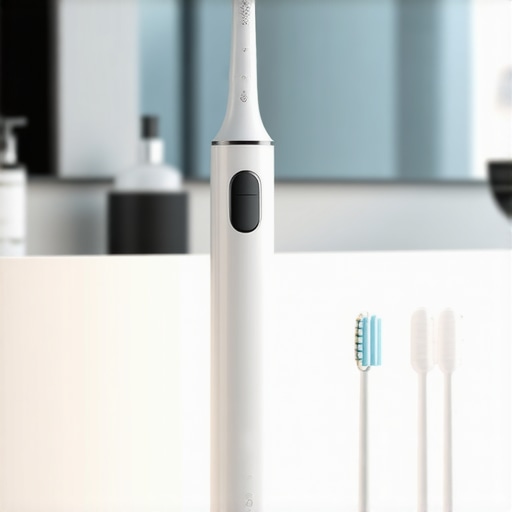
How do I keep my dental work looking new for a decade?
It comes down to consistency and the right tech. I do not just floss; I use a water flosser every single night. If you’ve ever sprayed your bathroom mirror trying to use one, you need to learn the trick to using a water flosser without making a total mess. This device is non-negotiable for anyone with a bridge or implants. Looking forward, we are seeing incredible family dentistry trends improving oral health for all ages, including AI-driven apps that scan your teeth from your phone to check for crown margin issues before they become painful. We are already seeing how Invisalign transforms family dentistry in 2025 through remote tracking, and I predict that within five years, your toothbrush will alert your dentist the moment it detects a change in your gum health. If you want the hidden benefits of Invisalign for family dental care in 2025, you have to treat the maintenance process with the same respect as the initial treatment. My advanced tip for you: tonight, do a ‘flashlight audit’ of your gum line. If you see even a hint of redness around a crown or bracket, do not ignore it—adjust your cleaning angle or use your water flosser on a higher setting immediately. Your future self will thank you for the sleep you did not lose.
The quiet mistakes that turned my recovery into a relapse
Looking back at my 3 AM pacing, I realized that my biggest error was treating my dental appointments like car repairs—once I left the shop, I thought the job was done. I learned that a crown is more like a high-performance engine that requires daily tuning. If you are currently debating crowns vs veneers which is better for your smile, remember that the restoration itself is only half the battle; the daily maintenance at the gum line is what determines if you will be back in that chair in two years or twenty. I also discovered that pain is often a late-stage signal. By the time that thumping starts at night, your body has usually been whispering for weeks about a high bite or a trapped food particle. Finally, I have accepted that oral health is a family affair. Sharing top oral health tips for your family’s bright smiles isn’t just about the kids; it is about making sure everyone in the house knows how to spot the early signs of inflammation before it ruins a night of sleep.
The few tools that actually earned a spot on my bathroom counter
I have tried the gimmicky gadgets and the ‘miracle’ pastes, but only three things truly changed my oral health trajectory. First is the high-end sonic toothbrush with a built-in pressure sensor. it taught me that I was scrubbing away my enamel rather than cleaning it. Second, the water flosser became my best friend once I mastered the trick to using a water flosser without making a total mess. It is the only way to reach the tight spaces under a bridge or between crowded teeth that manual string just misses. Lastly, I have learned to trust data over guesswork. I now seek out providers who use modern diagnostics, because finding the best dentistry in Culpeper VA usually starts with a 3d cbct scan. Seeing your jaw in three dimensions removes the ‘maybe’ from your treatment plan and gives you total peace of mind.
Start building a foundation that lasts decades
Your journey toward a pain-free life does not happen overnight, but it starts with the very next time you pick up your toothbrush. Whether you are currently deciding between invisalign vs braces which solution fits your lifestyle or you are just trying to get through a single night without a toothache, remember that you have more control than you think. By using the ‘Sleep Throne’ elevation tactic and being obsessive about your crown margins, you are investing in your future comfort and long-term confidence. Don’t wait for the next 3 AM wake-up call to take your oral health seriously. Have you ever had a toothache that completely changed how you view your daily dental routine? Let me know in the comments below.