
Why your new dentures feel like they are pushing your lips forward
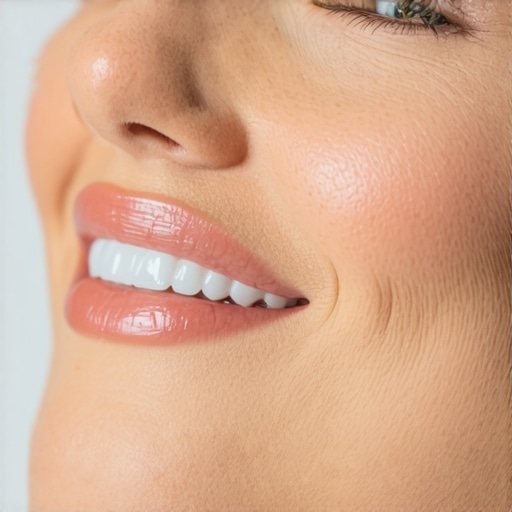
I stood in the bathroom, staring at a reflection I barely recognized. My teeth looked great, sure, but my lips? They were bulging out like I’d just had a bad reaction to a bee sting. I’d spent weeks imagining this moment, picturing the perfect, confident smile I’d finally have. Instead, I felt like I was hiding a secret under my top lip. It was frustrating, embarrassing, and honestly, a little heartbreaking. If you’re feeling like your new dentures are turning you into a different person, I’ve been exactly where you are. I’ve felt that weird pressure and the nagging fear that I’d never look “normal” again.
Why your mouth feels crowded right now
The truth is, your mouth is one of the most sensitive parts of your body. When you introduce a foreign object—even a beautifully crafted one—your brain goes into a bit of a tailspin. I made the mistake of thinking my face would just snap into place immediately. It didn’t. In fact, I spent the first three days convinced I needed to go back and demand a total redo. But before you call your dentist in a panic, you need to understand that what you’re feeling is often just a transition phase. We’re going to look at why this happens and how you can actually make a new set of dentures feel natural sooner rather than later. I remember trying to talk to my neighbor over the fence and feeling like my lips were getting in the way of my words. It reminded me of when I first got a crown and felt like my crown was taller than my other teeth. It’s that same “something is wrong” alarm bell going off in your head. But here’s the kicker: your muscles have to learn to relax around the new support. According to the Journal of Prosthodontic Research, it can take several weeks for the perioral muscles to adapt to the new bulk of a prosthesis. Your lips have been used to lacking support for a long time, and now they have it back.
Is this look going to be permanent?
This is the big fear, isn’t it? You’re worried that you’ve traded missing teeth for a permanent “pouty” look that wasn’t in the brochure. I’ve seen so many people give up too early because they couldn’t stand the way they looked in selfies. If you’ve noticed your smile looks different in selfies vs the mirror, you know how much lighting and angles play a role, but the physical bulk of new dentures is a real factor. Most of the time, the “pushing” sensation is a combination of swelling and your lip muscles being stretched for the first time in years. Have you ever caught yourself staring in the mirror, wondering if everyone else can see the “bulge” as clearly as you can? It’s a common hurdle, but it doesn’t have to be the end of the road. We can even look into how fixing a whistle in your speech can help you regain that lost confidence while your face adjusts.
Give your muscles a chance to catch up
Your facial muscles are incredibly resilient, but they aren’t instant. When I first got my dentures, I didn’t realize that my lips were essentially “resetting” their resting position. It’s a lot like the adjustment period people face with other dental work. For instance, I’ve had friends tell me why their veneers felt bulky initially, only to have them feel like part of their body a month later. The same applies here. Your brain needs to recalibrate its internal map of your face. Stick with it, because the way you look on day one is almost never how you look on day thirty.
Train your facial muscles to relax
Think of your new dentures like a brand-new pair of stiff leather boots. They are high-quality and built to last, but the first time you put them on, they feel tight, bulky, and maybe even a little painful. Your lips are currently the leather being stretched and molded. To help them settle, you need to actively work the perioral muscles rather than letting them stay tensed. I remember sitting in my car before a big meeting, literally pulling my upper lip down over the denture plate and holding it for ten seconds at a time. It felt ridiculous, but it helped teach the muscle that it didn’t need to stay hiked up in a defensive pucker. When you are at home, try exaggerated yawning or gently massaging the area where your cheek meets your gum line with your fingertips. This physical manipulation breaks the tension that makes your lips look pushed out.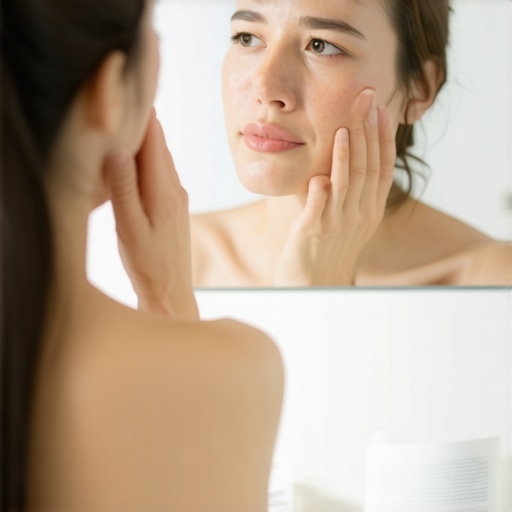
Read out loud to fix your lip placement
One of the fastest ways to get your face back to normal is to talk as much as possible. When you speak, your muscles naturally find the path of least resistance through repetition. I started reading my favorite mystery novel out loud to my dog every night for twenty minutes. At first, I felt that familiar struggle, much like why your invisalign trays are suddenly making you lisp. Your tongue and lips are fighting for space. By forcing yourself to articulate clearly, you are essentially recalibrating your mouth’s internal map. If you notice a hissing sound, you can learn how to stop your dentures from making a whistling sound during conversation, which is usually just a matter of slightly adjusting where your tongue rests against the new acrylic.
Soothe the internal swelling quickly
Sometimes the pushed out look isn’t just muscle tension; it is actual inflammation of the soft tissues. Your gums are likely slightly swollen from the new pressure points, which pushes the entire appliance forward and out. I found that using the salt water rinse trick for a sore mouth three times a day made a visible difference in how much my lip protruded. Reducing that micro-swelling allows the denture to sit just a fraction of a millimeter deeper, which can be the difference between looking like yourself and looking like you have had too much cosmetic filler. It is a similar sensation to why your teeth ache for the first two days of a new aligner tray where the pressure is real but temporary.
Compare the bulk to other dental solutions
It is easy to feel like dentures are uniquely bulky, but this is a common hurdle in modern family dentistry. People often ask about the reason your veneers look bulky compared to your natural teeth when they first get them, and the answer is almost always the same: your brain is hyper-focused on a change that is actually quite subtle to everyone else. Whether you are weighing invisalign vs braces or getting a full plate, your mouth needs a grace period to accept the new volume. In my case, after about two weeks of consistent wear, the bee sting look vanished as my muscles finally stopped fighting the support and started leaning into it.While many people believe the goal of modern family dentistry is to make restorations as thin and light as possible, that is actually a dangerous misconception. I used to think that the less material in my mouth, the better I would look. However, the contrarian truth is that proper structural support often requires a bit of bulk to maintain your ‘vertical dimension of occlusion.’ If a dentist makes a plate or crown too thin just to please your aesthetic worries, your facial muscles eventually collapse inward, making you look older than you are. This is why why crowns are a game-changer in restorative dentistry; they provide the necessary architecture to keep your face looking full and youthful, even if they feel like ‘too much’ for the first few days.
Don’t wait for a high spot to wear down
The biggest ‘oops’ factor I see—and one I fell for myself—is the belief that you can simply ‘break in’ a restoration that feels slightly high. We often tell ourselves that the tooth will settle or the material will wear down. Never do this. Your teeth are part of a complex neurological feedback loop. A study published in the Journal of Oral Rehabilitation confirms that the human mouth can detect a discrepancy as small as 20 microns—that is thinner than a human hair. If you ignore the sensation that your crown feels tall when you wake up, you aren’t just dealing with discomfort; you are actively straining your temporomandibular joint. This can lead to chronic headaches and even the failure of the dental work itself. If it feels high after 48 hours, it is high. Period.
Why does a clinically perfect restoration still feel wrong?
Sometimes the lab does everything right, and the fit is technically flawless, yet your brain still rejects it. This often happens because we fail to distinguish between ‘physical fit’ and ‘proprioceptive acceptance.’ When you transition from missing teeth to full support, or even move from braces to clear aligners, your brain’s sensory map is rewritten. This is a core part of invisalign myths debunked; people assume the trays will be invisible to their senses just because they are invisible to the eye. In reality, your tongue will obsess over the new edges until you reach a state of habituation. Have you ever fallen into this trap of thinking your dental work was ‘wrong’ just because it was new? Let me know in the comments. Whether you are dealing with a crown that feels like a mountain or dentures that make you look like a pufferfish, remember that the initial ‘alien’ feeling is usually a sign that your structural support has finally been restored. Stop fighting the bulk and start focusing on the long-term health of your bite.If you’re serious about making this investment last, you have to stop thinking of cleaning as just a quick scrub with a toothbrush. After I got my full set of restorations, I realized that my manual dexterity simply wasn’t enough to handle the micro-cracks in the acrylic or the tight margins of my dental work. I finally bit the bullet and bought a professional-grade ultrasonic cleaner. The difference was night and day. These machines use high-frequency sound waves to create cavitation bubbles that literally blast away biofilm at a microscopic level. It’s the same logic behind cleaning your retainers without using harsh chemicals. You get a deeper clean without the abrasive scratching that can harbor bacteria over time. According to a study published in the Clinical Oral Investigations journal, ultrasonic cleaning combined with a mild enzymatic solution is significantly more effective at removing Candida albicans than manual brushing alone. Don’t skip this tool; it is the single best way to ensure your mouth stays healthy and odor-free for years.
Use This One Tool to Save Your Sanity
Beyond the tools you use at home, you need to rethink your relationship with your practitioner. I used to view check-ups as a chore, but now I see them as a precision tune-up. Whether you’ve already read the ultimate guide to crowns or you are just starting your journey, the key is professional consistency. Modern family dentistry secrets aren’t just about fixing what is already broken—they are about monitoring the structural integrity of your bite before a tiny adjustment turns into a major repair. Treat your restorations like a luxury car; they require specialized maintenance to perform at their peak.
How do I maintain my results for the long haul?
It comes down to what you put in your mouth and how you protect your structural investment. I’ve learned the hard way that certain habits, like ice-chewing or using your teeth as tools to open packages, are the fastest way to ruin expensive dental work. I also make sure I am using top oral health tips daily, like staying properly hydrated to maintain healthy saliva flow, which naturally cleanses your restorations and prevents staining.
The High-Tech Future of Your Dental Health
Looking forward, we are entering a fascinating era of personalized care. I predict that within the next three years, we will see widespread adoption of at-home AI scanning apps that let your dentist check the fit of your Invisalign innovations or the health of your gums via your smartphone camera. We are already seeing hints of this in how Invisalign transforms family dentistry in 2025. The gap between being a patient and being a proactive caretaker of your own health is shrinking, giving us more control over our long-term results than ever before. My advanced tip for you today is simple: order a compact ultrasonic cleaner tonight and stop using traditional toothpaste on your dentures or clear aligners—the grit in standard toothpaste is actually too abrasive and will eventually dull the finish of your beautiful new smile.
Lessons from the Days My Face Felt Like a Strangers
Reflecting on my own journey, the most important thing I realized was that the physical bulk of a new restoration is only half the battle; the other half is the mental adjustment. I spent hours staring at the mirror, which only magnified my anxiety. One lightbulb moment for me was realizing that micro-swelling is a real physical barrier, not just a feeling in my head. Just as you might wonder about the reason your veneers look bulky compared to your natural teeth, your brain is currently over-reporting the size of your dentures because the area is so nerve-rich. I also learned that patience usually saves more money and stress than rushing back for an immediate adjustment that might remove too much material. Trust the process and give your facial architecture the time it needs to settle naturally into its new, supported position.
The Gear That Saved My Sanity and My Smile
I didn’t achieve a natural look by just waiting; I used a specific toolkit to speed up the adaptation process. First, I highly recommend a high-quality ultrasonic cleaner to keep the acrylic surface perfectly smooth, as any roughness can irritate the lip and cause it to swell more. I also swear by the best way to clean your retainers without using harsh chemicals, which applies perfectly to dentures and clear aligners to prevent the ‘chalky’ feeling that can make your mouth feel even more crowded. Lastly, I suggest keeping a dedicated dental journal to track your progress. Recording how your speech improves each day helps you see the progress that your eyes might miss in the mirror. When you are choosing the right crown expert advice or a denture specialist, show them these notes so they can make precision tweaks based on your actual experience.
#IMAGE_PLACE_HOLDER_E#
Take the Leap Toward a Confident You
Transitioning to new dental work is a major life event, and it is okay to feel a bit overwhelmed by the physical changes. The ‘pushed out’ look is a temporary hurdle on the path to a lifetime of better oral health and a more youthful facial structure. By staying proactive with your cleaning routine and performing simple muscle exercises, you are taking control of your results. Modern family dentistry trends are all about making these transitions smoother and more aesthetic than ever before. Don’t let a few days of adjustment steal the joy of your new smile. Have you ever struggled with that ‘bulky’ feeling after getting new dental work? Let me know in the comments below!