
How to hide a gap between your teeth without permanent metal braces
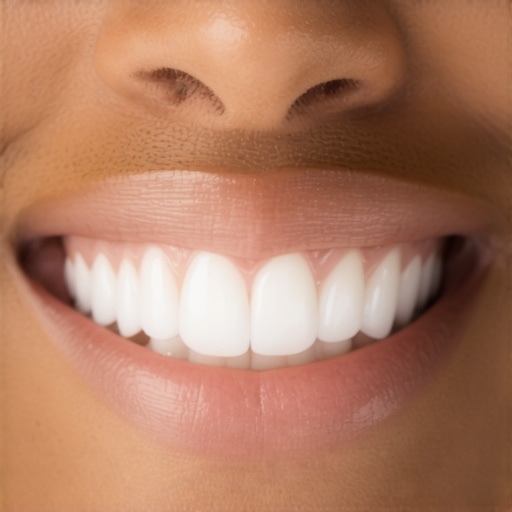
I spent my entire twenties practicing a very specific, somewhat pathetic skill: laughing without showing my upper teeth. It’s exhausting. That little gap between my front teeth—what dentists call a diastema—felt like a literal canyon every time I caught my reflection. I wanted it gone, but the thought of adult braces made me want to hide under my bed. I actually made the mistake of trying those ‘DIY gap bands’ I saw on a sketchy late-night forum. Spoiler alert: it was a disaster. I ended up with gums so inflamed I could barely eat, and I realized I was risking permanent tooth loss just to save a few bucks. It was a wake-up call that sent me searching for real, professional ways to fix my smile without the metal mouth look. Today, I’m going to share exactly what I learned so you don’t have to make the same mistakes I did.
Stop Hiding Your Smile and Start Living
The good news is that we live in the golden age of cosmetic dentistry. You are no longer forced to choose between a gap you hate and a mouth full of silver. Whether your gap is a result of genetics, a tongue-thrust habit, or just the way your jaw grew, there are discreet, fast, and surprisingly comfortable ways to close it. We’re talking about solutions that blend into your life, not disrupt it. For many of my friends, the choice often comes down to crowns vs veneers, or the ever-popular clear aligners. According to the American Academy of Cosmetic Dentistry, nearly 99% of adults believe a healthy smile is a socially important asset, yet so many of us hold back because we think the fix is too invasive. It doesn’t have to be. I want to show you how to navigate these modern family dentistry secrets so you can finally feel confident in photos again.
Are These Alternatives Actually Worth the Hype?
I get it. You’re skeptical. You’ve probably seen the ads for mail-order kits and wondered if they’re just another gimmick. I felt the same way after my ‘gap band’ fiasco. The truth is, while DIY is dangerous, professional non-metal alternatives are incredibly effective because they are mapped out by experts who understand your bite. Have you ever avoided a social event because you were self-conscious about your teeth? I certainly have. But once you realize that new dental innovations allow you to shift teeth or mask gaps in as little as a few months—sometimes even a few weeks—the skepticism starts to fade. It’s about more than just vanity; it’s about the relief of not having to think about your mouth every time you speak. Let’s break down the heavy hitters of the gap-closing world and see which one actually fits your daily routine.
Choose the Strategy That Actually Fits Your Life
When I finally sat in a dentist’s chair after my DIY disaster, I realized that modern gap-closing isn’t about trial and error; it’s about precision. You can’t just slap a band around two teeth and hope for the best. Professional treatment involves a calculated movement of your entire dental structure. Think of your teeth like pieces on a chessboard; you can’t move one without affecting the others. This is where the hidden benefits of Invisalign really shine because they provide a comprehensive plan rather than a risky quick fix.
Get a 3D Blueprint Before You Touch Your Teeth
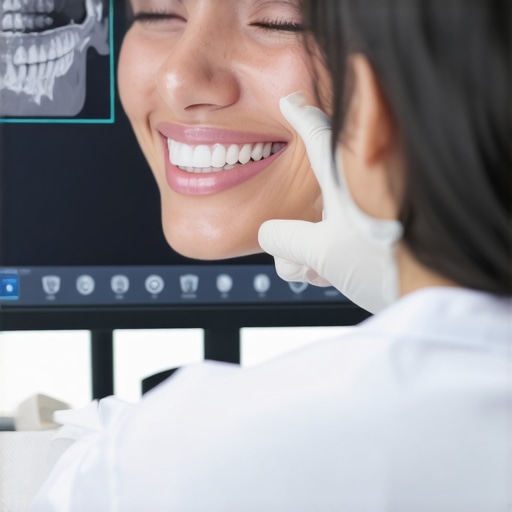
Your first real step isn’t choosing a treatment; it’s getting a digital scan. In the old days, dentists would shove a mouthful of cold, gooey putty into your mouth to make a mold. Now, we have much better tools. I was shocked to learn that why finding the best dentistry in Culpeper VA usually starts with a 3D CBCT scan is because it shows the dentist exactly where your roots are, not just the visible parts of the teeth. The scan is a fast, painless experience—a small arm rotates around your head for about 20 seconds, and suddenly your entire jaw is rendered in 3D on a screen. This blueprint ensures that when you close that gap, you aren’t accidentally pushing another tooth out of alignment or causing long-term bite issues.
Wear Aligners Without the Mouthful of Plastic Smell
If you choose clear aligners, the key to success is the ’22-hour rule.’ You have to be disciplined. I used to think I could just wear them at night, but Invisalign myths debunked show that constant, gentle pressure is what actually reshapes the bone and moves the tooth. I remember my first week with aligners specifically. I woke up on day three and panicked because the trays felt impossibly tight. I thought my teeth were being crushed, but I later learned that why your Invisalign trays feel tighter on some days is just a sign that your teeth are actually shifting into their new homes. To keep things from getting gross while you wear them all day, you need to learn how to keep your breath fresh while wearing Invisalign trays, which involves a quick rinse after every coffee. I once tried to skip a cleaning after a mid-afternoon latte and by 5 PM, my trays looked like they’d been dipped in swamp water. Sticking to the 2-minute habit that prevents morning breath by brushing your tongue and the trays is a non-negotiable step.
Reinforce Weak Teeth with Custom Crowns
Sometimes a gap exists because a tooth is simply too small or has been structurally damaged. In those cases, aligners won’t help much because the tooth itself is the issue. This is where you transform your smile with crowns. A crown is like a high-strength porcelain helmet for your tooth. It’s custom-shaped to fill the extra space perfectly and match the shade of your natural enamel. One thing I learned with restorative work is that the fit has to be millimetre-perfect. If it feels off when you bite down, you need to know how to stop your new crown from feeling too high by having your dentist make a tiny adjustment to the surface. It’s a 5-minute fix that saves you from months of jaw tension and uneven wear on your other teeth.
Most people assume that closing a gap is just about aesthetics, but here’s a contrarian take: if you focus solely on the look, you might actually ruin your long-term dental health. I’ve seen people obsessed with closing a diastema who end up with a ‘posterior open bite’ because they used mail-order trays that didn’t account for how the back teeth meet. In my experience, a perfect gap-close is worthless if you can’t chew comfortably. This is where family dentistry secrets regarding occlusion come into play. It’s not just about moving teeth; it’s about managing the force of your jaw. According to a study published in the Journal of Oral Rehabilitation, occlusal harmony—the way your teeth interlock—is the single most important factor in the longevity of any dental work, whether it’s aligners or restorative crowns.
Can You Really Close a Gap Without Risking Your Bite?
The short answer is yes, but only if you avoid the ‘trap’ of the quick fix. One major ‘oops’ factor I’ve noticed is the tendency to ignore the gingival architecture. When you move teeth quickly to close a gap, the gum tissue has to go somewhere. If it’s not managed, you end up with ‘black triangles’ or puffy, inflamed tissue. This is why how Invisalign transforms family dentistry is so revolutionary; it allows for slow, biological remodeling of the bone and gums. Have you ever fallen into the trap of wanting results so fast that you ignored these details? Let me know in the comments because I certainly did during my DIY phase.
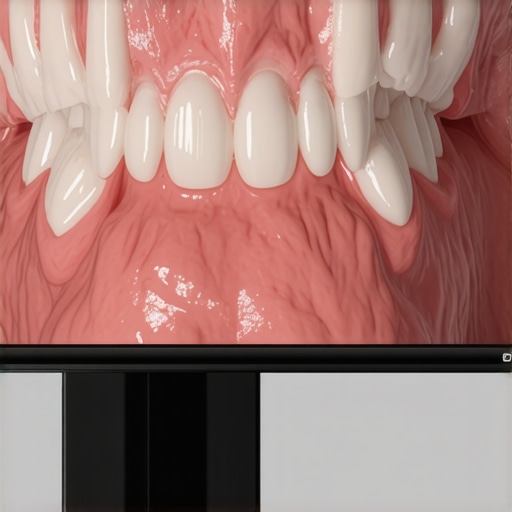
Another nuance involves the ‘shelf’ effect. When getting a crown or a bridge to fill a space, many patients don’t realize that a poorly contoured restoration can become a literal magnet for debris. You need to know how to tell if your dental bridge is trapping food or if your new crown is trapping food every time you eat. If the restoration is too wide at the top and too narrow at the gum line, it creates a ‘food trap’ that leads to decay in the healthy teeth next to it. Choosing the right shape is just as important as choosing the right shade, which is why choosing the right crown expert advice is non-negotiable for a result that lasts decades rather than years.
Master the Nuances of Modern Oral Care
Once your gap is closed, the real work begins: maintenance. A common myth is that once the gap is gone, the teeth will just stay there. They won’t. Teeth have a ‘memory’ and will naturally want to drift back to their original positions. This is why following top oral health tips including the consistent use of a retainer is vital. Whether you are looking into invisalign vs braces or opting for the immediate results of crowns vs veneers, understanding these advanced nuances ensures you don’t just get a better smile—you keep it. If you’re ready to stop guessing and start a professional plan, contact us to discuss your specific needs.
The day your treatment ends feels like graduation day, but without a plan, you’ll be repeating the grade in five years. I learned the hard way that a beautiful smile is a living project. To keep that gap closed and your crowns secure, I swear by a high-pressure water flosser over traditional string. It’s the only way to reach the deep crevices that are notorious for becoming a ‘food trap.’ If you have a bridge, mastering the easiest way to get sticky food out from under a dental bridge is your best defense against gum recession. I also transitioned to a sonic toothbrush with a pressure sensor. It sounds like overkill until you realize that over-brushing can actually wear down the margins of your expensive new crown, leading to that annoying situation where your crown feels sensitive to cold months after it was placed.
How do I keep my teeth from moving back after my gap is closed?
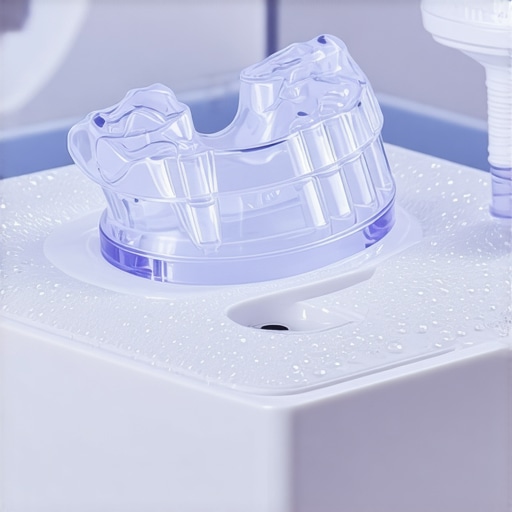
The short answer: Respect the retainer. I use an ultrasonic cleaner once a week with specialized crystals because it’s the best way to clean your retainers without using harsh chemicals that degrade the plastic. If you have a permanent wire, you need to learn the secret to eating popcorn with a permanent retainer so you don’t snap the bonding on a Friday night. According to the clinicians at DentalMonitoring, the use of AI-driven remote check-ins is increasing treatment compliance by nearly 30% because patients get real-time feedback on their tooth movement via a smartphone app. This isn’t just about ‘holding’ the position; it’s about actively protecting the investment you’ve made in your face and following top oral health tips daily.
Beyond the hardware, you need a strategy for daily life. Many of us don’t realize how much our habits impact the longevity of restorative work. If you’re an avid traveler, knowing the best way to travel with aligner cleaners in your carry-on prevents those ’emergency cleanings’ in airport bathrooms. It’s also vital to learn how to keep your breath fresh while wearing Invisalign trays so you aren’t fighting bacteria that want to creep back into the gaps you just worked so hard to close. It’s these small, repetitive actions that determine whether your smile looks as good in 2030 as it does today.
The Next Decade of Dental Tech is Already Here
I predict we are moving toward ‘biological integration,’ where crowns aren’t just porcelain caps but are infused with bioactive materials that help the tooth underneath remineralize. We’re already seeing hints of this in invisalign innovations and new family dentistry trends that prioritize prevention over patching. Digital scanning will eventually move into our homes, allowing our dentists to spot a shifting tooth or a failing margin before we even feel a twinge of pain. This proactive approach is the core of maintaining oral health with modern techniques. If you want a result that actually lasts, try switching to an ultrasonic cleaner for your retainers or aligners this week—it’s a total game changer for clarity and hygiene. If you’re unsure which tool is right for your specific crown or alignment, contact us to build a custom maintenance plan.
The Hardest Lessons I Learned About My Diastema
Looking back, the biggest mistake wasn’t the gap itself, but the decade I spent hiding it. I’ve realized that waiting for the ‘perfect time’ to fix your teeth is a trap; the best time was years ago, and the second best time is now. I also learned that transforming your smile with crowns or aligners is as much about your jaw health as it is about your confidence. If I had known that modern family dentistry trends prioritize comfort and speed, I wouldn’t have wasted years with my hand over my mouth. Most importantly, don’t ignore the ‘black triangles’—those tiny spaces at the gum line that can appear if movement is too fast. A professional knows how to handle these nuances, whereas DIY kits will just leave you with sore gums and a mismatched bite.
#IMAGE_PLACEHOLDER_E#
The Toolkit That Keeps My Smile Locked In
I don’t just rely on luck to keep my teeth straight and my breath fresh. Here are the specific tools that changed the game for me after my treatment. First, an ultrasonic cleaner is non-negotiable for anyone with a retainer or aligner; it is the best way to clean your retainers without using harsh chemicals that could scratch the plastic. Second, I recommend the 3D CBCT scan for anyone starting out—it is the difference between a guess and a clinical plan. Lastly, always keep a travel-sized dental kit with you. Having a way to rinse after a snack while wearing aligners saves you from a world of cavities and unsightly staining.
Take the Leap Toward Your Future Smile
It is easy to get paralyzed by choices, but your smile is one of the few investments that pays dividends every single day. Whether you choose Invisalign or look into why crowns are a game-changer for restorative care, the feeling of laughing without a second thought is priceless. You deserve to feel proud of the face you show the world every morning. If you are tired of overthinking that gap, why not take a small step today? Our team is ready to help you navigate your options—simply contact us to start the conversation. Have you ever felt held back by a gap in your teeth, or are you worried about the commitment of clear aligners? Let me know your thoughts in the comments below!