
The real reason your dental implant feels cold in the winter
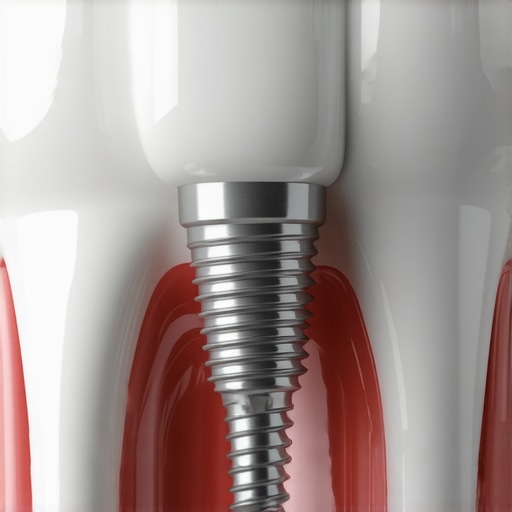
It was roughly 14 degrees outside last January when I realized my mouth was keeping its own weather report. I was out for a morning jog, breathing in that crisp, biting air, when suddenly, one specific spot in my jaw felt like it had been replaced by a tiny, freezing iron bar. It wasn’t the sharp ‘zing’ of a cavity. It was a dull, persistent cold that felt internal, almost like my jawbone was shivering. I’ve spent years learning about family dentistry trends, but in that moment, I felt like a total novice. I actually panicked and thought my implant was failing, which was a huge rookie mistake on my part. Today, I’m going to explain why that titanium post in your jaw is acting like a thermometer and how you can stop the shivers without hiding indoors until May.
Stop Panicking About That Chilly Jaw
It turns out, I wasn’t alone. Many of us with restorative work notice that dental implant crowns feel different than the teeth we were born with. The culprit is thermal conductivity. Unlike your natural tooth—which has a soft, pulpy center and a layer of dentin to insulate it—your implant is made of metal, usually titanium. Metal is an incredible conductor of temperature. When the air gets cold, that metal post absorbs the chill and transfers it directly to the surrounding bone and tissue. According to the International Journal of Oral & Maxillofacial Implants, titanium has a thermal conductivity rate significantly higher than natural human bone, which explains that ‘ice cube’ sensation.
Does this mean my implant is actually failing?
I remember sitting in my dentist’s chair, convinced the whole thing was coming out. I’d even started researching how to tell if a bridge needs replacement because I was sure I was done for. But here is the secret: sensitivity to temperature change is often just physics, not a medical emergency. If you’ve noticed that your implant area feels cold when you drink ice water, it’s the same mechanism at play. Have you ever felt that strange, deep chill when the wind picks up? Drop a comment and let me know—it’s more common than you think! Since we are talking about temperature, you might also want to learn how to manage a crown that feels sensitive to air before the next cold front hits.
Insulate Your Jaw Before Stepping Outside
Think of your dental implant as a tiny thermal highway. While natural teeth act like wood—slow to heat or cool—titanium acts like a copper pipe. To stop the chill, you need to create a physical barrier. During that freezing January jog I mentioned, I started wearing a fleece buff that I could pull up over my jawline. It sounds almost too simple, but keeping the skin warm prevents the external air from cooling the bone around the implant post. This is one of those top oral health tips for your family’s bright smiles that people often overlook because we assume dental care only happens inside the mouth. If the metal can’t reach a low temperature, it can’t transfer that chill to your nerves.
Use the Lukewarm Reset Technique
Last winter, I made the mistake of drinking a steaming hot latte immediately after coming in from the snow. My implant felt like it was vibrating. I realized I was thermally shocking the metal by swinging from 14 degrees to 150 degrees in seconds. I discovered a ‘reset’ trick: I now drink a small glass of lukewarm water the moment I get inside. This gently brings the titanium post back to body temperature without the localized expansion and contraction that causes pain. If you’ve noticed that your implant area feels cold when you drink ice water, you are already familiar with this conductivity; the goal is to stabilize the environment rather than shock it further.
How to Tell the Difference Between Cold and a Loose Post
You have to rule out mechanical issues to maintain peace of mind. Cold sensitivity is typically a deep, heavy, and dull feeling that dissipates once you are in a warm room. However, if you are wondering what to do if your dental implant feels loose after eating, that is a structural concern rather than a thermal one. If the sensation is sharp or the crown physically shifts when you press it with your tongue, you’ve graduated from a physics problem to a clinical emergency.
Adjust Your Cleaning Routine for Winter Sensitivity
Managing the ‘ice cube’ effect also means being careful with how you clean. I’ve found that using the safest way to use an electric toothbrush on sensitive teeth helps avoid aggravating the surrounding gum tissue which is already under thermal stress. High-vibration settings on a cold winter morning can make that titanium post feel even more intrusive. Switching to a ‘sensitive’ mode reduces the mechanical stress on the bone-to-metal interface. Additionally, mastering family dentistry secrets for maintaining oral health with modern techniques will help you understand that gum health is your primary insulation. Thicker, healthier gum tissue provides a natural layer of protection against the elements, acting as a biological winter coat for your implant.While we often focus on the physical sensation of the cold, the real ‘hidden nuance’ of restorative work is the biological seal. Most people believe that because an implant is ‘fake,’ it is practically indestructible. This is a dangerous trap. In my years observing family dentistry trends improving oral health for all ages, I have seen many patients neglect their implants because they believe they can no longer get a cavity. While it is true that metal cannot decay, the bone and gums holding it are actually more vulnerable than they were with your natural tooth. In a natural tooth, you have a periodontal ligament that acts as a shock absorber and a sensory messenger. With an implant, that ligament is gone. You are essentially dealing with a direct-to-bone connection, which is one reason why your dental implant crown feels different compared to the rest of your mouth. According to a landmark study published by the American Academy of Periodontology, the inflammatory response around a dental implant is often more aggressive than around a natural tooth because the tissue lacks the same defensive blood supply. If you notice the hidden reason your gums bleed even if you floss daily, it could be the early onset of peri-implantitis, which is significantly more difficult to treat than standard gingivitis. Have you ever fallen into the trap of thinking your implant was maintenance-free? Let me know in the comments!
Stop Scrubbing Your Restorations Like a Kitchen Sink
Another common ‘oops’ factor I see involves over-zealous cleaning. You might think scrubbing harder is better for metal and porcelain, but titanium can be microscopically scratched by highly abrasive toothpastes or metal-tipped interdental cleaners. When you scratch that surface, you are creating tiny ‘hotels’ for bacteria to hide in, far away from your toothbrush bristles. That is why learning the best way to clean around a dental implant bridge to avoid inflammation is vital for long-term success. It is about precision, not power.
Why does my jaw ache more during stressful work weeks?
It is not always the winter wind causing that deep ache. Because the implant is fused directly to your bone—a process called osseointegration—any pressure from clenching or grinding is transferred directly into your jawbone without any ‘give.’ Natural teeth have a tiny bit of movement thanks to their ligaments, but an implant is rigid. If you have been wondering what that dull ache in your jaw really means during stressful weeks, it is often your implant acting as a pressure gauge for your stress levels. This is where family dentistry secrets for maintaining oral health with modern techniques become essential. A custom-fitted night guard can act as a buffer, preventing the mechanical stress from feeling like a bone-deep toothache. Finally, if your restoration feels slightly ‘off’ after a meal, don’t ignore it. Knowing the safest way to clean a dental crown that feels sticky can help you distinguish between a bit of stuck food and a restoration that is losing its seal. Treating your implant like a living part of your body rather than a piece of hardware is the secret to making it last a lifetime.
Upgrade Your Toolkit to Save Your Smile
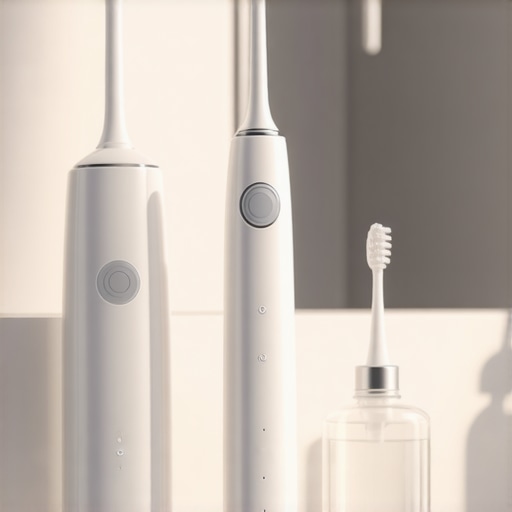
I used to think a standard manual brush was enough until I saw the plaque buildup on my six-month X-rays. Now, I swear by a water flosser with a specialized ‘plaque seeker’ tip. This isn’t just about convenience; it’s about reaching the junction where the crown meets the gum—a spot traditional floss often skips. When you are choosing the right crown expert advice for long-lasting results, you’ll find that most prosthodontists emphasize the ‘biologic width.’ If you disturb this area with metal tools, you’re asking for trouble. I use the Waterpik WP-660 because its pulse-modulation technology is gentle enough for the sensitive tissue around my implant. It’s significantly more effective than string for the best way to clean around a dental implant bridge to avoid inflammation.
Why Your pH Level Matters More Than Your Toothpaste
Most people don’t realize that the greatest threat to a crown isn’t just bacteria—it’s acid. According to research published in Clinical Oral Implants Research, the longevity of dental restorations is heavily influenced by the oral microbiome’s pH balance. If your mouth is too acidic, the luting cement holding your crown can degrade prematurely. I’ve started using a pH-neutralizing rinse every night, especially after a glass of wine or a coffee. This keeps the environment stable and ensures the ultimate guide to crowns for a healthier smile actually leads to a decade of use rather than just a few years. It’s a simple, high-impact tool that prevents that ‘sticky’ feeling and helps how to get rid of the dirty feeling on your teeth at midday without constant scrubbing.
How can I keep my crowns and implants from failing over the next decade?
Consistency is the only real ‘secret’ here. I personally use a three-step nightly routine: water flossing, gentle electric brushing, and a protective night guard. If you wear an appliance, you must keep it pristine; I learned the easiest way to clean a night guard that has turned yellow or cloudy is using non-abrasive tablets to avoid scratching the surface, much like we avoid scratching titanium. Looking ahead, I predict we will soon see smart-connected toothbrushes that use AI to detect the specific wear patterns on porcelain and zirconia crowns, alerting your dentist before a fracture happens. This is part of the broader invisalign innovations and the future of family dentistry where prevention becomes data-driven. My advice? Start tracking your own ‘sensitivity triggers’ in a phone note today. It’s the best way to catch a failing seal before it becomes a root canal. Go grab a pH-balanced mouthwash this afternoon and see if that midday ‘fuzziness’ disappears—your jaw will thank you!
Hard-Won Truths from My Winter Oral Health Journey
After years of managing my own restorative work, I’ve realized that the ‘ice cube’ effect is often a wake-up call to pay closer attention to the soft tissue environment. One thing I wish someone had told me earlier is that dehydration makes thermal sensitivity significantly worse. When your mouth is dry, you lack the natural insulating layer of saliva that helps regulate temperature. Another breakthrough for me was realizing that why your dental crown feels like it is vibrating during a concert or a cold run is often tied to how the metal conducts external energy directly to your nerves. It’s a physical reality, not a sign that your surgery failed. Finally, remember that while the implant itself won’t decay, the bone around it is your most precious asset; treat it with more care than your natural teeth.
The Gear That Saved My Smile from the Cold
I don’t just rely on a standard toothbrush anymore. To keep my mouth healthy enough to withstand the winter, I’ve curated a specific toolkit. First, a high-quality water flosser is non-negotiable for top oral health tips for your family’s bright smiles, as it flushes out debris without mechanical scraping. I also recommend a pH-neutralizing mouthwash to prevent the acidic erosion of the seals on your restorations. If you’re an athlete, you might notice the reason your gums throb after a long workout in the cold is due to blood flow changes; wearing a custom mouthguard can actually help insulate the area during heavy breathing in freezing air. These tools turn a reactive dental plan into a proactive one.
#IMAGE_PLACEHOLDER_E#
Take the Chill Out of Your Restorative Care
Restorative dentistry has come a long way, and understanding why crowns are a game-changer in restorative dentistry helps you appreciate the technology sitting in your jaw. Don’t let a little winter chill make you regret your investment. By insulating your jaw, stabilizing your oral pH, and staying hydrated, you can enjoy the crisp winter air without that deep, metallic ache. The future of dental health is all about these small, personalized adjustments. We are seeing incredible shifts in the industry, such as how invisalign transforms family dentistry in 2025, which emphasizes that even ‘fixed’ restorations are part of a dynamic, moving system. Embrace the tech, but protect the tissue. Have you ever felt that strange ‘shivering bone’ sensation in your dental implant during a cold snap? Let me know your experience in the comments below!