
Why your Invisalign attachments feel sharp against your lip
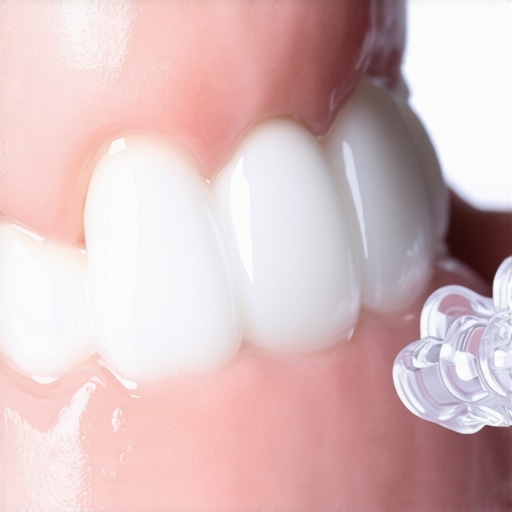
I’ll never forget the first time I felt it. I was three days into my new treatment, mid-conversation at a coffee shop, when my upper lip caught on a sharp edge that felt like a tiny, jagged mountain range. I winced. My friend thought I was judging her latte choice, but in reality, I was just trying to keep my inner lip from being shredded by my new ‘invisible’ braces. If you’ve just started your journey, you know exactly the stinging, irritating sensation I am talking about. It is frustrating because we are often promised a smooth experience, yet here we are, feeling like we have swallowed a box of fishhooks. Today, I am going to show you exactly why this happens and, more importantly, how you can stop the irritation immediately so you can actually enjoy the hidden benefits of Invisalign for family dental care in 2025 without the constant pain.
Why Your Lips Feel Like They Are in a Fight with Your Teeth
The truth is that those ‘attachments’ or ‘buttons’ are actually small pieces of composite resin. They are designed to give your trays something to grip onto, but they aren’t always polished to a mirror finish. In my early days, I made a massive mistake: I thought I could just ‘toughen up’ or, even worse, I briefly considered using a nail file to smooth one down myself. Please, do not do that. You risk damaging the attachment and ruining the tooth-moving magic your dentist planned. Sometimes the issue isn’t even the attachment itself, but rather what to do if your Invisalign tray starts to scratch your cheek because of a sharp plastic edge. It is a common hurdle, but it is one we can clear with a few neighborly tricks.
Will these attachments actually cut my mouth open?
It is a valid fear. While it feels like you are being sliced, your mouth is actually incredibly resilient. According to the American Association of Orthodontists, the oral mucosa (that soft skin inside your lips) usually takes about one to two weeks to ‘keratinize’ or toughen up in response to new dental appliances. It’s the same way your feet get used to new shoes. However, you shouldn’t have to suffer through a bloody lip while you wait for that to happen. Whether you are learning how to keep your aligners clear while drinking tea or just trying to speak without a wince, comfort is king. Have you found yourself constantly tucking your lip over your teeth just to get a moment of relief? Let’s look at the immediate fixes that actually work.
The Wax Shield that Saves Your Sanity
The single most effective tool in your arsenal is orthodontic wax. Think of it as a temporary bumper for your teeth. When an attachment is particularly sharp, you take a pea-sized amount of wax, warm it between your fingers until it is pliable, and press it directly over the offending bump. I remember being at my cousin’s wedding, halfway through a toast, when the attachment on my upper canine started digging into my lip like a tiny glass shard. I didn’t have my wax kit, so I tried to use a tiny piece of sugar-free gum. It was a disaster—it stuck to the tray, made a sticky mess, and offered zero relief. The real stuff is designed to be non-stick to the plastic and stays put even while you talk. Applying it before bed is especially crucial because your mouth dries out at night, making the friction even worse. 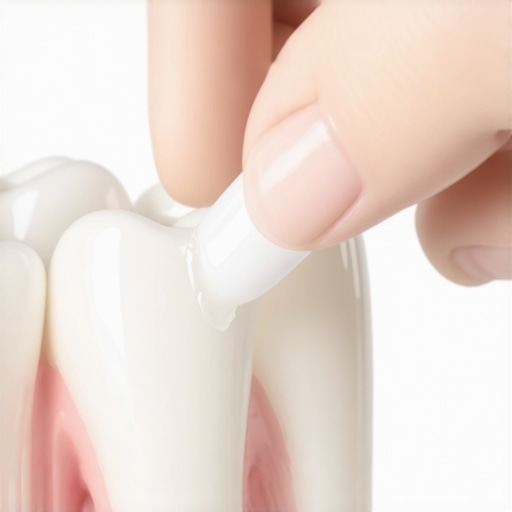
Stop the Sting with This Simple Kitchen Staple
If you already have a small sore, you need to treat it like a wound, not just an annoyance. A warm saltwater rinse is the ‘old reliable’ of top oral health tips for your family’s bright smiles. Mix half a teaspoon of salt in a cup of warm water and swish for thirty seconds. This helps reduce inflammation and keeps the area clean so a simple scratch doesn’t turn into a painful canker sore. In the same way that how to soothe a burn on your gums from hot pizza or coffee requires immediate temperature control and mild antiseptics, your lip needs a calm environment to build up that protective layer of skin. Do this three times a day, and you will notice the sensitivity drop significantly within forty-eight hours.
When Your Dentist Needs to Step In
Sometimes the issue isn’t your skin; it’s the hardware. If a specific attachment feels like a serrated knife even after a week, it might have a flash of excess resin. During a routine check-up for family dentistry trends improving oral health for all ages, your provider can use a fine polishing tool to take the ‘edge’ off without compromising the grip the aligner needs. This is a thirty-second fix that saves weeks of misery. It is much like how to stop your new crown from feeling too high when you chew; a tiny adjustment in height or smoothness makes a world of difference in how your brain perceives the object in your mouth.
How to keep things clean while you heal
Bacteria love a raw surface. If your lip is irritated, you must be hyper-vigilant about hygiene. This means learning how to clean the gunk out of your invisalign aligners effectively so you aren’t pressing a dirty tray against an open scratch. Use a soft-bristled brush and clear soap. Avoid harsh mouthwashes that contain high alcohol content, as these will sting the irritation and actually slow down the healing process. If you are also dealing with how to keep your breath fresh while wearing invisalign trays all day, stick to alcohol-free versions. Keeping the environment neutral and clean allows your ‘oral mucosa’ to toughen up naturally without the setback of an infection or chemical burn.
The dangerous myth that more pain equals more gain
Most people assume that if their aligners feel incredibly tight or their attachments are digging in, it means the treatment is working faster. In my experience, this mindset leads to unnecessary suffering. While you’ve likely seen Invisalign myths debunked regarding the speed of treatment, the ‘more force is better’ fallacy is the most persistent one. The biology of tooth movement isn’t like lifting weights at the gym where you ‘push through the pain.’
Does applying more pressure actually move teeth faster?
Actually, the opposite can be true. A study published in the Journal of Orofacial Orthopedics highlights the concept of ‘optimal force.’ If you exceed this threshold, you risk causing hyalinization—a process where the blood supply to the periodontal ligament is cut off, actually stalling tooth movement and potentially causing root resorption. This is why those little adjustments I mentioned earlier are so vital. You want a steady, gentle pressure, not a biological battle. Have you ever fallen into this trap of thinking a tighter tray was ‘better’? Let me know in the comments. 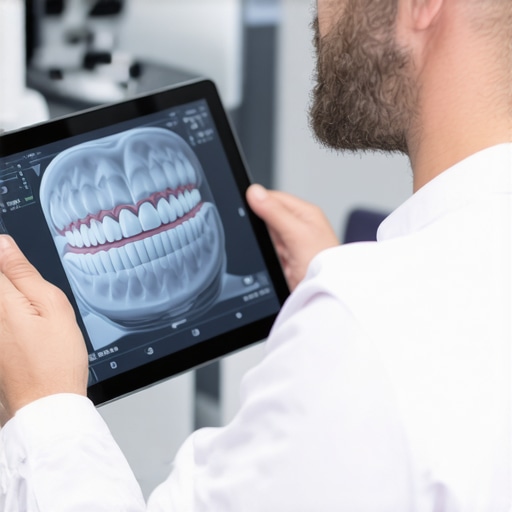
Your dental crown isn’t a suit of armor
There is a massive ‘oops’ factor when it comes to restorative work like crowns. Once the initial sensitivity is gone, many people start treating their new tooth like an indestructible tool. I’ve seen patients who learned family dentistry secrets for maintaining oral health but still insisted on chewing ice or opening plastic packages with their teeth. Even the most advanced porcelain can fail under sheer force. If you notice why your crown feels sensitive to cold months after it was placed, it might not be the nerve—it could be a micro-fracture from over-reliance on its strength. Knowing how to tell if your porcelain crown is cracked or just scratched is a skill every veteran patient needs. The nuance here is that while a crown protects the tooth, the ‘margin’—where the crown meets your gum line—is still susceptible to decay. It is the most common failure point I see. Advanced oral health means realizing that ‘fixed’ doesn’t mean ‘invulnerable.’ By shifting your focus from ‘power’ to ‘precision’ in your care, you avoid the most common pitfalls of modern dentistry.I’ve spent years tinkering with my routine, and if there is one thing I’ve learned, it’s that the tools you use between dental visits are just as important as the chair time itself. For my Invisalign trays, I live by the ‘Pultool.’ It’s a tiny hook that helps you pop out tight aligners without chipping a fingernail or—worse—accidentally pulling on a sensitive crown. If you have ever felt that panic of a tray being stuck while you’re at a dinner party, you know why this is my number one recommendation. I also swear by ‘chewies.’ These are small silicone cylinders you bite down on to ensure your trays are fully seated. Properly seated trays mean the force is distributed exactly where it should be, preventing that ‘jagged mountain’ feeling I talked about earlier. Learning how to clean the gunk out of your invisalign aligners isn’t just about aesthetics; it’s about making sure your hardware actually fits.
The high-tech secret to a cleaner mouth
When it comes to hygiene, I moved beyond the toothbrush long ago. A study in the Journal of Clinical Dentistry found that ultrasonic cleaning—using high-frequency sound waves to create cavitation bubbles—is significantly more effective at removing biofilm than manual scrubbing. I use a small countertop ultrasonic pod every morning while I drink my coffee. It keeps my trays from looking like they’ve been dragged through a swamp. This is especially important for the best way to clean your retainers without using harsh chemicals. If you want to know how to stop your invisalign trays from turning yellow, this is the professional secret. 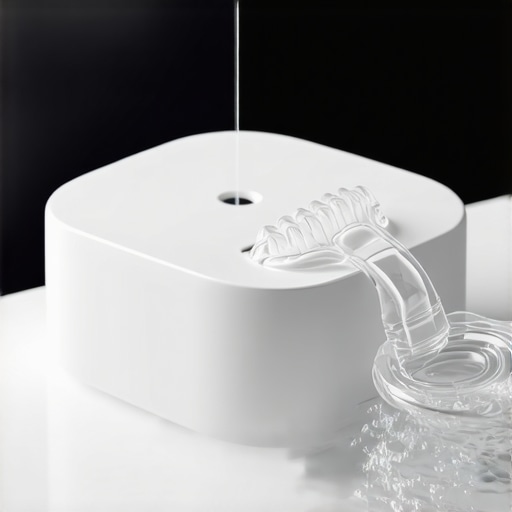
What the future of your family checkup looks like
Looking ahead, the way we handle how invisalign transforms family dentistry in 2025 is moving toward remote monitoring. I’m already seeing apps where you take a weekly selfie of your teeth, and AI software detects if a tooth isn’t ‘tracking’ properly before you even notice. This prevents the need for ‘refinements’ (those extra sets of trays) and keeps your treatment on the fast track. It’s part of a broader set of family dentistry secrets for maintaining oral health with modern techniques that prioritize data over guesswork.
How do I keep my results from fading after treatment ends?
The biggest mistake people make with crowns and aligners is thinking the job is ‘done’ when the last tray is tossed. For crowns, you have to be obsessive about the gum line. I recommend a high-end water flosser on a medium setting; it flushes out the ‘margin’ where a traditional string might miss. For Invisalign, the ‘forever’ phase is the retainer. Your teeth have a ‘memory’ and will try to migrate back to their old, crooked ways the moment you stop wearing your night-time retainer. If you’re still scrubbing your trays with a manual toothbrush, my top advice is to switch to an ultrasonic bath tonight—it is the ultimate move for clarity and hygiene.
What Your Orthodontist Might Forget to Mention During the First Visit
I learned the hard way that ‘invisible’ doesn’t mean ‘unfelt.’ The real secret to success with invisalign isn’t just wearing the trays; it’s the mental shift of treating your mouth as a work in progress rather than a source of pain. I realized that my family dentistry team was my best resource, but my own patience was the real hero. If you have existing restorative work, seeking choosing the right crown expert advice for long-lasting results is critical to ensure your trays don’t put undue stress on older restorations. A healthy mouth is a resilient one, and those small discomforts are just milestones on your path to a better bite.
The Tools That Kept Me From Quitting
You need a toolkit to survive the rough patches. I personally swear by the ‘Pultool’ for removing tight trays without a struggle. For those with restorative work, understanding why crowns are a game changer in restorative dentistry helps you appreciate how these porcelain structures protect your oral health during active dental shifts. I also suggest a dedicated ultrasonic cleaner; it’s a small investment that keeps your breath fresh and your hardware truly invisible. #IMAGE_PLACEHOLDER_E#
The Smile You Are Building Is Worth Every Wince
Don’t let a few sharp edges or dry-mouth nights derail your progress. Whether you debated between invisalign vs braces which solution fits your lifestyle or jumped straight into clear trays, you made the right call by investing in yourself. You have the power to transform your smile how crowns boost oral health confidence at 815 am and throughout your entire life. Keep going—the view from the finish line is incredible and much smoother than the journey. Have you found a secret way to deal with sharp edges that I missed? Let me know in the comments below!