
How to tell if your child needs braces before they turn seven

I’ll never forget the night I was sitting on the cold bathroom floor, desperately trying to use the trick to getting your baby to accept a toothbrush on my youngest, when he let out a massive, sleepy yawn. In that split second, I saw it. His bottom teeth weren’t just crooked; they were tucked so far behind his top ones that it looked like his jaw was retreating into his neck. My heart sank. I had spent years obsessing over the truth about fluoride and your childs health, yet I had completely ignored the physical architecture of his mouth. I assumed—like many well-meaning parents—that orthodontics was a ‘middle school problem.’ I figured we had years before we needed to weigh the pros and cons of invisalign vs braces which solution fits your lifestyle. I was wrong. Completely wrong. And that delay almost led us down a path of much more invasive dental surgery later on. [image_placeholder_1]
Spotting the Red Flags Before the Tooth Fairy Finishes Her Job
Waiting for a ‘perfect’ adult smile to magically appear is a gamble you don’t want to take. That was my first big mistake: I sat back and watched as his adult molars erupted, wondering why your childs adult teeth look like they have serrated edges, and assuming nature would just ‘straighten things out’ on its own. It rarely does. In fact, many issues with jaw growth and tooth eruption are significantly easier to fix while the bones are still pliable and growing. By the time a child hits their double digits, the window for simple, non-invasive Phase 1 intervention starts to slam shut. We need to look for the subtle cues, like mouth breathing or persistent habits. If you are currently looking for the safest way to stop a childs thumb sucking habit before it affects their bite, you are already ahead of where I was.
Is an orthodontist really necessary for a seven-year-old?
It sounds like total overkill, doesn’t it? Bringing a kid who still believes in the Easter Bunny to a specialist feels like we’re rushing them into adulthood. However, the American Association of Orthodontists officially recommends a first checkup no later than age seven. According to a surprising study published in the American Journal of Orthodontics and Dentofacial Orthopedics, early screening allows practitioners to guide jaw growth and create more space for incoming permanent teeth, which can prevent the need for permanent tooth extractions in the future. It’s not about giving a second-grader a Hollywood smile; it’s about basic structural integrity. When I finally took my son in, our dentist explained that family dentistry trends improving oral health for all ages have shifted heavily toward prevention. Have you ever looked at your child’s profile and wondered if their chin looked a little too ‘recessed’ or if their bite felt ‘off’ when they chewed? You aren’t being a paranoid parent; you’re being an observant one. This is the moment where we stop guessing and start protecting their future smile.To get this right, you have to look at the jaw like a construction site foundation. If the foundation is too narrow, you can’t expect the walls to stand straight. This is where Phase 1 intervention comes in, and it isn’t about vanity; it’s about structural engineering.
Widening the Foundation Before the Walls Go Up
The most common tool in the early-intervention toolkit is the palatal expander. Imagine your child’s upper jaw is two separate plates that haven’t fused yet. By gently putting pressure on those plates, we can widen the roof of the mouth, creating space that simply didn’t exist before. I remember the night we started this with my son. I had to use a tiny metal key to ‘click’ the expander every evening. It felt incredibly high-stakes, and I was terrified I’d do it wrong. But after a week, that tiny gap between his front teeth appeared—a sign that we were literally growing his jaw to fit his future smile. This simple step often prevents the need for more drastic measures later, like extracting healthy adult teeth just to make them fit. Incorporating top oral health tips for your familys bright smiles during this phase is crucial because expanders can be magnets for food particles. 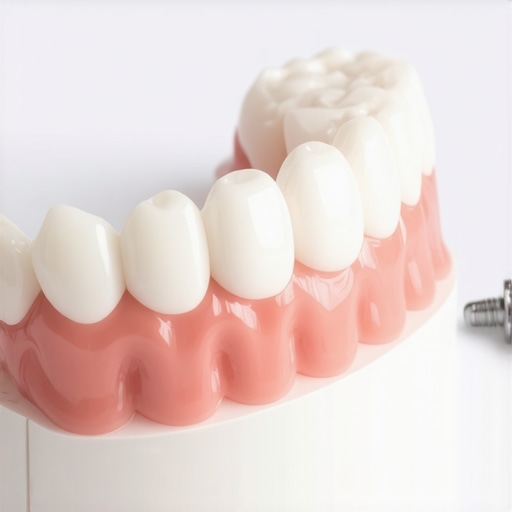
Making Room for the Heavy Hitters
Sometimes the issue isn’t the width of the jaw, but the timing of the teeth. If a baby tooth is lost too early due to decay or injury, the surrounding teeth will naturally drift into that empty space like cars merging into a closing lane on the highway. This creates a traffic jam that blocks the adult tooth from erupting. Space maintainers act as a ‘reserved’ sign for that incoming tooth. Without them, you might eventually need to consult the ultimate guide to crowns for a healthier smile to repair teeth that have been damaged by crowding and poor alignment. In our case, using a maintainer meant the adult premolar had a clear path to come in, rather than getting stuck in the bone. It’s a proactive move that utilizes family dentistry secrets maintaining oral health with modern techniques at 254 pm to save thousands of dollars and hours of discomfort down the road.
Picking the Right Tool for a Growing Smile
Once the foundation is set, you have to decide how to guide the actual teeth. We often think of metal brackets as the only option for kids, but the landscape has changed. When weighing invisalign vs braces which solution fits your lifestyle, parents now have to consider responsibility versus durability. For my son, we looked at clear aligners because he was already prone to mouth sores from his sports mouthguard. However, aligners require a level of discipline that not every seven or eight-year-old possesses. If you go the aligner route, you’ll need to learn how to clean the gunk out of your invisalign aligners daily to prevent cavities from forming under the trays. It’s a trade-off: the ease of brushing your teeth without wires versus the risk of a lost tray ending up in a school cafeteria trash can. Every child’s anatomy and maturity level are different, but the goal remains the same: creating a functional bite that lasts a lifetime.
Let’s dig deeper into a nuance most parents—and even some general dentists—frequently overlook. We often treat orthodontics and restorative work like two separate islands, but in the world of advanced family dentistry secrets maintaining oral health with modern techniques at 254 pm, they are deeply intertwined. Most people believe that Invisalign is just a ‘cosmetic shortcut’ for people who are too vain for metal. In my experience, that’s a dangerous myth. For many patients, especially those with sensitive gums, clear aligners are actually the superior clinical choice because they eliminate the ‘biofilm trap’ created by brackets and wires. When you look at invisalign myths debunked what you need to know today, you realize that the primary benefit isn’t just a hidden smile; it’s the ability to maintain a pristine oral environment during a massive structural shift.
Why does my crown smell bad even though I brush it?
This is the ‘Oops’ factor that catches almost everyone off guard. You spend the money on a high-quality restoration, thinking you’ve finally fixed the problem for good. But here is the trap: a crown is not a ‘set and forget’ shield. If the margin—the tiny seam where the porcelain meets your natural tooth—isn’t meticulously cleaned, it becomes a breeding ground for anaerobic bacteria. This is exactly the reason your crown smells bad when you floss around it. It’s not the porcelain that’s the problem; it’s the microscopic shelf that traps debris. A study published in the Journal of Periodontal Research found that patients with fixed restorations have a significantly higher risk of localized gingivitis if they don’t adapt their flossing technique to the specific contours of the restoration. If you are reading the ultimate guide to crowns for a healthier smile, you must understand that your home care has to evolve once that crown is placed.
Another common mistake is choosing aesthetics over structural integrity when the bite is misaligned. I’ve seen parents rush into getting veneers for their teenagers to hide a gap, without addressing the underlying jaw issue. This is why why crowns are a game changer in restorative dentistry when used correctly; they protect a tooth that has been compromised by the heavy, uneven forces of a ‘bad’ bite. However, putting a crown on a tooth that is being pounded by an improper occlusion is like putting a marble countertop on a shaky table. The table will eventually give way. In the modern era, how invisalign transforms family dentistry in 2025 involves using aligners first to level the ‘foundation’ so that any subsequent crowns or fillings actually last for decades rather than years. Have you ever fallen into the trap of thinking a quick fix would solve a structural problem? Let me know in the comments, because your experience could save another parent from a very expensive mistake.
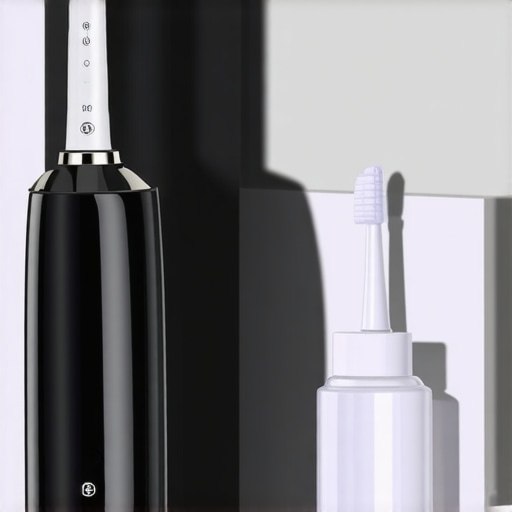
Maintaining the structural work we’ve invested in—whether it’s my son’s expander or my own dental crowns—has taught me that a standard manual toothbrush is like bringing a knife to a gunfight. You need the right hardware. Personally, I’ve switched the whole family to sonic technology, but there’s a catch. If you don’t use the right pressure, you might wonder the reason your gums bleed only when you use an electric toothbrush. It’s usually not the brush; it’s the technique. For my dental crowns, I use a water flosser with a specialized orthodontic tip. This isn’t just for people with braces; it’s the secret weapon for anyone who needs to know the safest way to clean a dental crown that feels sticky or prone to trapping debris at the gumline.
How do I maintain my family’s dental work over the long haul?
The answer lies in consistency and specific cleaning agents. When we transitioned to clear aligners, I realized that simple toothpaste actually scratches the plastic, making them look cloudy. To keep things pristine, you have to learn how to clean the gunk out of your invisalign aligners without abrasive chemicals. I actually recommend using a dedicated ultrasonic cleaner for both retainers and aligners. According to a technical report from the International Journal of Computerized Dentistry, the integration of AI-driven intraoral scanning is now reducing margin errors in crown fittings by up to 30%, which means the restorations we get today are naturally easier to maintain than those from a decade ago. However, even the best-fitting crown needs help. If you’re a coffee lover, you’ll want to master the secret to avoiding coffee stains on your clear aligners to keep that investment looking fresh.
Looking ahead, I suspect we are moving toward a ‘smart’ dental era. I predict that within the next few years, invisalign innovations the future of family dentistry revealed at 1137 am will include wearable sensors that track pH levels in your mouth in real-time, alerting you via smartphone before a cavity even has a chance to form. This kind of tech will change everything for parents who worry about the truth about fluoride and your childs health. We won’t have to guess if our kids are brushing well enough; the data will tell us. For now, the best strategy is to avoid harsh DIY methods and stick to the best way to clean your retainers without using harsh chemicals. If you haven’t yet, I strongly encourage you to try a water flosser specifically on your back-tooth restorations tonight—you’ll be shocked at what your manual floss has been leaving behind. It’s the single most effective way to prevent why your crown feels sensitive to cold months after it was placed due to bacterial buildup.
The Most Expensive Mistakes I Almost Made
Reflecting on our journey, I realized that I often viewed dentistry as a series of quick patches rather than a long-term master plan. First, I learned that a ‘wait and see’ approach is often a ‘wait and pay more’ approach; by the time I noticed my son’s crowding, we were already behind the curve. Second, I realized that family dentistry secrets maintaining oral health with modern techniques at 254 pm aren’t just for the clinic; they have to be lived out at the bathroom sink every single night. Finally, the biggest ‘lightbulb moment’ was understanding that a crown is a partnership between your dentist’s precision and your own hygiene habits. If you skip the fine details of maintenance, you will eventually find yourself wondering why your crown feels sensitive to cold months after it was placed when it should have been a permanent fix.
Tools That Actually Protect Your Restorations
I don’t trust just any gadget, but three specific things have changed the game for our household. A high-quality water flosser is non-negotiable, especially because it addresses the hidden reason your gums bleed even if you floss daily—those deep pockets of trapped bacteria that traditional string floss simply skips. We also frequently refer back to the ultimate guide to crowns for a healthier smile whenever something feels ‘off’ with our dental work, as it helps distinguish between normal settling and a real emergency. Lastly, for anyone in the family with complex orthodontic work, I highly recommend an ultrasonic cleaner; it is truly the only way to ensure that clear aligners or retainers aren’t becoming secret harborers for decay-causing plaque.
Start Shaping Their Future Smile Tonight
You have the power to change the entire trajectory of your family’s oral health by focusing on the foundation today rather than the aesthetics tomorrow. Whether it’s finally scheduling that first orthodontic evaluation for your seven-year-old or mastering how to manage a crown that feels sensitive to air or cold liquids, these small proactive steps prevent massive financial and physical headaches later in life. Your child’s smile is more than just a photo opportunity; it’s a vital piece of their overall structural well-being. Have you ever been surprised by a dental issue that seemed to appear overnight, or did you catch a ‘red flag’ early thanks to a routine checkup? Let me know your story in the comments below!