
How to deal with a loose wire on your braces until your next visit
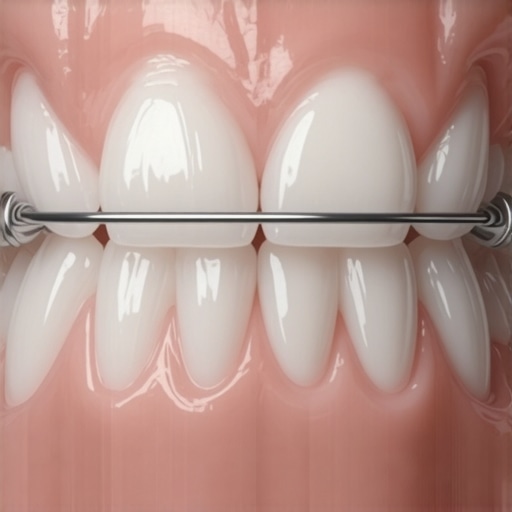
It was a quiet Tuesday evening, and I was finally settling down with a bowl of warm, buttered popcorn—a treat my orthodontist specifically warned me against, but my cravings won. Suddenly, I felt a sharp, metallic poke right against the back of my cheek. My tongue went searching and confirmed my worst fear: a wire had slipped completely out of the back bracket. Every time I swallowed, it scraped. I panicked, grabbed a pair of dull kitchen scissors, and tried to snip it myself, which only made the wire bend into a sharper hook. It was a painful, stressful mistake that could have been easily avoided if I had just known the right temporary fixes.
The Scraping Wire is More Than Just a Minor Nuisance
When you are in the middle of your orthodontic journey, a sudden equipment malfunction feels like an absolute emergency. Whether you chose invisalign vs braces for your treatment, dealing with unexpected dental hardware shifts is incredibly common. A loose wire doesn’t just hurt; it can actually stall your progress or cause painful mouth ulcers. According to a clinical review by the American Association of Orthodontists, soft tissue irritation from loose appliances is the leading cause of unscheduled emergency patient visits. Today, I am going to share exactly how to safely manage this uncomfortable situation at home without damaging your braces or hurting your mouth.
Is trying to fix your braces yourself actually worth the risk?
I get it. When you are lying awake at 11 PM with a metal point digging into your cheek, the temptation to grab pliers from the garage is overwhelming. But taking heavy-duty tools to your mouth is the quickest way to bend your archwire out of shape, which can actually pull your teeth in the wrong direction. Early in my journey, I thought I could simply snip the extra length, but I ended up loosening the adjacent bracket, which meant an emergency trip to the clinic anyway. Knowing how to safely handle a broken wire on your braces at home is about temporary comfort, not amateur dentistry. Have you ever had a wire pop loose at the absolute worst possible moment, like right before a big presentation or in the middle of dinner? Let me know in the comments below! If you ever experience other hardware issues, such as a metal wire poking your cheek from braces, the key is always patience and the right gentle techniques.
First Aid for Your Cheeks and Gums
When an archwire slips out of place, your immediate goal is to create a physical barrier between the sharp metal and your delicate oral tissue. Think of your mouth like a busy highway; any sharp, protruding guardrail is going to cause a collision. In family dentistry, we see many patients who panic and make the irritation worse by constantly poking at the area with their fingers. Instead, the absolute best tool in your arsenal is standard orthodontic wax. To apply it effectively, you must first dry the offending wire and the surrounding bracket completely using a clean cotton swab. If the area is wet, the wax simply won’t stick and will slide right off.
I remember one chaotic Friday night when my youngest cousin had a long wire poking him right before a weekend camping trip. We had no wax on hand, so we had to get creative. I dried his bracket with a clean tissue and molded a tiny piece of sugar-free chewing gum over the tip of the wire. While it is not a perfect permanent fix, it shielded his cheek for forty-eight hours until we could get him to a professional. If you are dealing with similar orthodontic discomfort, or even if you are transitioning to alternative treatments and need to know what to do if your invisalign tray starts to scratch your cheek, physical barriers are always your first line of defense.
Three Safe Ways to Realign the Loose Metal
The Eraser Push Method
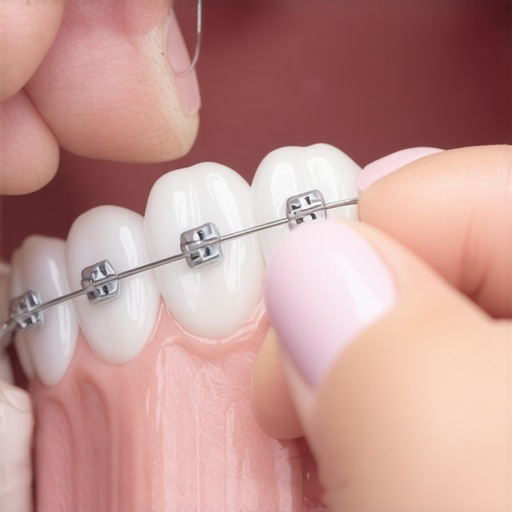
If the wire is thin and flexible, you do not need to cut it. You can actually use the clean eraser end of a standard pencil to gently push the wire back against your tooth. Place the eraser directly on the sharp tip of the wire and apply light, constant pressure inward toward the enamel. This bends the wire flat against the tooth or tucks it safely behind the bracket so it no longer scrapes your inner cheek. This is a highly effective, non-destructive technique that keeps your hardware intact without disrupting your overall alignment plan.
The Tweezers Slide Technique
Sometimes the archwire has simply slid around the arch, leaving one side too long and the other side completely out of its bracket. To fix this, sterilize a pair of tweezers with rubbing alcohol. Carefully grasp the wire midway between two brackets and slide it back through the tubes until the long, poking end is pulled back into place. This is highly delicate work, much like threading a needle, so perform this step in front of a well-lit mirror. If you find yourself frequently dealing with broken wires and want to consider a simpler, modern alignment system, you might want to look into invisalign myths debunked to see if clear aligners fit your lifestyle better.
Applying the Protective Barrier Correctly
Once the wire is pushed back or shielded, you must focus on healing the raw tissue inside your mouth. Pinch off a pea-sized ball of orthodontic wax, roll it between your fingers to warm it up, and press it firmly over the wire. This creates a smooth, rounded surface that allows your cheek to heal. If the metal has already caused a small sore, rinsing with warm salt water will keep the area clean and accelerate healing. Managing these minor mishaps at home keeps your treatment on track while ensuring you avoid painful infections that can disrupt your long-term oral health goals.
While temporary fixes like dental wax can protect your cheeks during an emergency, relying on these quick hacks without addressing the root cause of your hardware issues is a common mistake. Many people assume that managing orthodontic discomfort at home is merely a matter of waiting out their next scheduled visit. However, ignoring subtle shifts in your dental appliances can lead to prolonged treatment times or even permanent enamel wear. In my years of exploring modern alignment systems, I have seen patients try to tough out minor issues, only to face much larger corrective procedures down the road.
The Critical Misconception About Dental Alignment Shifts
Everyone says that minor shifting in your archwire or aligners is just a normal part of the process that will correct itself. In my experience, waiting to see if a loose wire or a slightly off-track tray will resolve on its own is a recipe for disaster. Minor, uncorrected misalignments exert improper, uneven force across your teeth. This unequal pressure can stall tooth movement or even cause root resorption, where your body begins to reabsorb the roots of the teeth being moved too quickly or incorrectly. According to a study published in the American Journal of Orthodontics and Dentofacial Orthopedics, early intervention in appliance displacement is critical to preventing root damage and maintaining overall bone density. Treating minor issues as insignificant is the quickest way to turn a routine adjustment into an emergency.
Why do so many patients struggle with clear aligner wear?
One of the biggest traps people fall into when choosing clear aligners over traditional braces is failing to keep the trays completely clean, which leads to bacterial buildup and structural damage to the plastic. Many patients assume a quick rinse under tap water is enough, but this actually traps bacteria against your enamel for twenty-two hours a day. Learning how to clean the gunk out of your invisalign aligners properly is essential for preventing decay and keeping your aligners transparent. If you skip this deep cleaning step, you also run the risk of staining. For instance, knowing the secret to avoiding coffee stains on your clear aligners is not just about aesthetics; those microscopic stains actually weaken the structural integrity of the plastic, making them more prone to cracking when you take them out.

The Real Impact of Restorative Health on Orthodontics
Another major oversight is neglecting restorative dental issues while undergoing orthodontic treatment. Braces and aligners apply physical stress to every single tooth, meaning any hidden decay, weak fillings, or underlying structural issues will quickly be exposed. For example, if you have an older, large filling, the continuous pressure of tooth movement can cause the tooth structure to split. This is why understanding the specific food that most often cracks an older filling is vital before you begin moving your teeth. If a tooth does crack or fail during treatment, you may find yourself needing a crown. When restorative and orthodontic treatments collide, choosing high-quality care, like exploring why crowns are a game changer in restorative dentistry, becomes essential to preserve your smile’s foundation. Have you ever fallen into this trap of ignoring a minor tooth ache or a slightly loose bracket until it turned into a major dental emergency? Let me know in the comments below!
My Personal Toolkit for Perfect Alignment and Restoration Care
Over the years, managing my own dental journey has taught me that relying solely on your scheduled office visits is a major mistake. You need the right physical toolkit at home to maintain your progress and protect your investment. I do not mean generic toothbrushes; I am talking about specialized instruments that make a measurable difference in your daily routine. For example, I personally use a dedicated dental mirror with an anti-fog coating and a built-in LED light. This allows me to actually see the back of my molars, making it incredibly easy to inspect brackets, check if a wire is slipping, or verify if food is trapped. Additionally, keeping a supply of medical-grade orthodontic silicone—which lasts much longer than standard wax—has saved my cheeks from countless painful scrapes.
When it comes to maintaining aligners, I completely avoid harsh household chemicals because they can cloud the plastic. Instead, I rely on ultrasonic cleaning tanks. These small devices use high-frequency sound waves to remove microscopic plaque and debris from every crevice. Investing in these tools is crucial for preserving your long-term oral health with modern techniques. If you have advanced restorations like crowns, maintaining the surrounding gumline with a water flosser is equally vital to prevent decay at the margin. In fact, knowing expert advice for long-lasting results means understanding that your restorative work is only as strong as the hygiene routine supporting it.
How do I maintain my alignment and restoration results over time?
The secret to keeping your smile perfectly aligned and healthy for decades lies in consistent, active maintenance. Once your active orthodontic phase is complete, your teeth still possess a ’tissue memory’ that makes them want to drift back to their original, crooked positions. This is why wearing your retainer as directed is non-negotiable. For those who have completed treatment with modern clear aligners, as detailed in invisalign for family dental care, lifetime retention is the only guarantee against relapse. According to clinical guidelines published by the British Dental Journal, passive wear of orthodontic retainers is essential to allow the surrounding periodontal ligament and bone structure to fully reorganize and lock the teeth into their new positions permanently.
Maintaining restorations like crowns requires the same level of discipline. If you tend to clench or grind your teeth during stressful weeks, you risk fracturing your ceramic restorations. Wearing a custom night guard is the best way to distribute those heavy forces evenly, protecting both your natural enamel and your dental work. If you are currently debating between different cosmetic and protective options, reviewing crowns vs veneers can help you make a more informed decision with your dentist. I highly recommend that you try one specific advanced tip today: swap out your standard dental wax for high-grade medical silicone, and use a dedicated LED dental mirror tonight to inspect the very back of your smile for any hidden plaque or hardware shifts before they turn into emergencies.
When you are navigating the day-to-day realities of orthodontic treatment, minor emergencies are bound to happen. Knowing how to handle a poking wire or a scratching bracket is the difference between a minor speed bump and a painful setback. By equipping yourself with the right knowledge and a few simple tools, you can protect your cheeks, keep your treatment on track, and maintain your peace of mind.
The Hardest Lessons I Learned Managing My Own Dental Alignment Journey
Reflecting on years of keeping my smile straight and healthy has taught me a few invaluable, non-obvious lessons that your doctor might not mention during a busy appointment:
- The 24-Hour Wax Rule: Never leave emergency dental wax on a poking wire for more than twenty-four hours without replacing it. Old wax traps food particles and bacteria directly against the vulnerable, scratched tissue of your inner cheek, which actually slows down the healing process.
- Saliva is Your Best Defense: When your mouth experiences trauma from a sharp metal wire, your body’s natural response is to decrease saliva production due to stress. Drinking lukewarm water continuously helps lubricate your cheeks and prevents friction sores from forming.
- Always Take Pictures Before You Poke: Before attempting to realign a loose wire with an eraser or tweezers, use your phone camera to take a clear, high-resolution photo. If you accidentally make the bend worse, having that ‘before’ photo will help your dentist understand exactly what changed when you call for advice.
My Personal Toolkit for Perfect Alignment and Restoration Care
Having a dedicated emergency kit saves you from making frantic, late-night runs to the store. Here are the specific, medical-grade tools I personally keep in my bathroom cabinet to preserve my oral health:
First, I highly recommend keeping a box of orthodontic silicone strips rather than standard paraffin wax. Silicone is completely waterproof, meaning it will not melt or slide off when you drink hot liquids. Second, keep a pair of sterile, needle-nose dental tweezers on hand. These are specifically shaped to grasp thin archwires without slipping and causing accidental gum punctures. Finally, an anti-fog dental mirror with an integrated LED light is indispensable for finding those hard-to-reach areas at the very back of your molars. Using these tools safely prevents infections and keeps your mouth healthy, allowing you to focus on top oral health tips for your familys bright smiles.
The Future of Your Healthy Smile Starts Today
An orthodontic emergency can feel overwhelming in the moment, but it is ultimately just a temporary phase on your path to a beautiful, functional smile. Whether you are currently wearing traditional braces, managing clear aligners, or planning for future restorative work, being proactive about your dental health is the ultimate game changer. If you ever decide to transition from metal brackets to modern aligners, exploring invisalign for family dental care is a fantastic way to enjoy a highly customizable and comfortable treatment experience.
Remember that your teeth and gums deserve the highest level of care, both during and after your orthodontic treatment. If you also have dental restorations, maintaining your daily hygiene routine is essential to protect your investment over the long haul. Learn expert advice for long-lasting results to ensure your crowns and fillings remain strong and beautiful for decades to come. With the right techniques and a calm approach, you can successfully navigate any minor dental mishap that comes your way.
Have you ever had a loose braces wire pop out at the absolute worst possible moment? Let me know your emergency stories in the comments below!