
How to help a child who is afraid of the sound of the dental drill
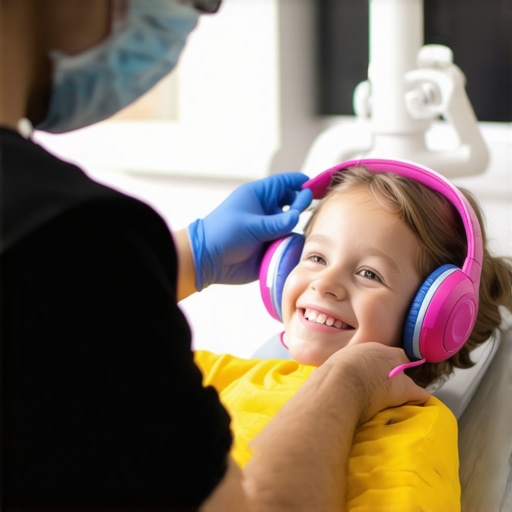
My son Leo didn’t just dislike the dentist; he treated the sound of the drill like a literal alarm bell for a three-alarm fire. One morning, he actually managed to squeeze himself under the waiting room magazine rack because he heard that high-pitched whine echoing from the back hallway. It was visceral. I felt like a total failure as a parent, standing there with my diaper bag while other kids seemed to breeze through their checkups. In those early days, I made the classic mistake of telling him it was just a “whistle” or a “buzzing bee.” I thought I was helping, but honestly, I was just lying to him, and he knew it. That dishonesty broke his trust before he even sat in the chair. If you have ever tried to help a child who is terrified of the dentists chair, you know that downplaying their very real fear only makes the panic peak higher. Today, I want to share how I stopped the bribery and the white lies to actually help my kids face the noise head-on. We are going to look at sensory tools, psychological reframing, and why the right environment changes everything for a nervous child.
The Sensory Trap of High-Pitched Dental Tools
The sound of a high-speed dental handpiece isn’t just loud; it is a direct assault on a child’s developing nervous system. For many kids, that specific frequency triggers a fight-or-flight response that is almost impossible to override with logic. According to researchers at the American Psychological Association, auditory triggers can be significantly more distressing than visual ones because the source of the “threat” feels invisible and omnipresent. I realized that my goal shouldn’t be to tell Leo not to be afraid, but to give him the tools to drown out the noise or change what it meant to him. When we started focusing on top oral health tips for your familys bright smiles, I learned that dental anxiety often stems from this lack of sensory control. Have you ever felt that same knot in your stomach the moment you hear the equipment start up in the next room? You aren’t alone, and your child definitely isn’t either.
Is it even possible to desensitize a kid who is this panicked?
I used to be a total skeptic. I thought once a kid was a “screamer,” they were destined for a lifetime of dental trauma. But then I saw how much a few simple family dentistry secrets could change the vibe of the entire room. It wasn’t about a magic wand; it was about noise-canceling headphones and a playlist of his favorite upbeat songs. By the time we were keeping my toddler still during a dental exam using these new methods, the transformation was night and day. We shifted from a battle of wills to a collaborative effort where he felt like he had a protective shield against the noise. We also started looking into modern options like how invisalign transforms family dentistry for the future, realizing that dental care doesn’t always have to involve the scary sounds we grew up with. The first step is acknowledging that their fear is valid, even if the sound seems small to us.
Get Them Ready Before the Car Even Starts
Preparation isn’t about lecturing your child on the abstract importance of dental hygiene; it is about physical familiarization. Think of it like a dress rehearsal for a play. If your child has never seen or felt the equipment, the office will always look like a movie set for a horror film. I started by using a small electric toothbrush at home to mimic the vibration and high-frequency sound of professional tools. This is one of the most effective family dentistry secrets for reducing the shock of the clinic environment. We also played a ‘counting game’ where Leo would lie back on the couch and I would count his teeth using the back of a cold spoon to simulate the dental mirror. When you are determining how to tell if your child is ready for their first dental cleaning, look for their ability to follow these simple role-play instructions without jumping. If they can stay still for a spoon, they are halfway to the chair.
Drown Out the Whine with a Custom Soundtrack
The auditory trigger is usually the single biggest hurdle for sensory-sensitive kids. Once we are in the office, we go straight for the ‘heavy armor’—noise-canceling headphones. I remember one appointment where Leo was particularly jittery, practically vibrating with nerves. We didn’t just put the headphones on; we made it a tactical mission. I told him he was a deep-sea diver and the dental chair was his submarine. The high-pitched noise of the equipment became the ‘sonar pings’ or the ‘pressure of the deep ocean.’ By reframing the sound, we moved from fear to a narrative adventure. If your child is older and perhaps worried about the aesthetics of their smile, explaining procedures like how invisalign transforms family dentistry can help them see the dentist as a high-tech designer rather than a source of discomfort.
Build a Narrative for Restorative Care
Sometimes, despite our best efforts at following top oral health tips for your familys bright smiles, a child might need more significant work, like a crown. To a kid, ‘drilling and capping’ sounds like a demolition project on their face. Instead, explain it as putting a protective helmet on a tooth that isn’t feeling strong enough to play on its own. This ‘tooth helmet’ analogy is an absolute lifesaver. You can find more detail on this specific restorative approach in the ultimate guide to crowns for a healthier smile. It shifts the perspective from fixing a ‘broken’ part to equipping the body with gear. I used this exact phrasing when Leo needed his first restorative visit, and he actually started bragging to his cousins about his ‘titanium tooth shield’ later that week.
Control the Environment with Small Wins
Give your child a ‘stop’ button to prevent that feeling of being trapped. This is a physical signal, like raising their left hand, that tells the dentist to pause immediately for a three-second breather. This tiny bit of agency can collapse a panic attack in seconds because it restores the child’s sense of autonomy. It is about building a foundation for future care, whether they eventually need to discuss invisalign vs braces or just keep up with routine checkups. When a child knows they have the power to hit the ‘pause’ button, they often feel so secure that they don’t even use it. This sense of control is the ultimate driver of positive family dentistry trends that lead to a lifetime of healthy smiles without the baggage of dental trauma.
Beyond just the noise and the initial fear, there is a nuance to family dentistry that most of us miss because we are so focused on just surviving the appointment. We often view things like Invisalign or braces as purely aesthetic upgrades—basically, the dental version of a new haircut. But here is the contrarian truth: proper alignment is one of the most vital family dentistry secrets for preventing long-term decay. When teeth are crowded, even the most diligent flosser cannot reach every surface. This is often the hidden reason your gums bleed even if you floss daily; you are not actually reaching the bacteria trapped in those tight overlaps. By looking at how invisalign transforms family dentistry in 2025, we see it is less about a perfect smile and more about creating a mouth that is physically capable of staying clean. Have you ever fallen into this trap of thinking alignment was just for looks? Let me know in the comments.
Stop treating dental alignment like it is just a beauty contest
The common belief is that you wait for every baby tooth to fall out before even thinking about alignment. In reality, early intervention can prevent the need for more invasive procedures later. When we look at invisalign myths debunked, the biggest takeaway is that we are managing space, not just straightening lines. If a child’s jaw is too narrow, their adult teeth will naturally erupt in positions that make hygiene nearly impossible. This leads to a cycle of fillings and eventually crowns before they even reach high school. Shifting the focus from cosmetic to functional health is the ‘expert’ level shift every parent needs to make.
The hidden trap of the permanent tooth shield
Now, let’s talk about the ‘Oops’ factor that I see constantly: the set-it-and-forget-it mindset regarding dental crowns. Most people think once a crown is on, that tooth is invincible. This is a dangerous mistake. The most critical part of a restoration is the margin—the tiny seam where the crown meets your natural tooth. If that seal is even slightly compromised, bacteria can slip underneath and cause decay that is completely invisible to the naked eye. Furthermore, you must stop your new crown from feeling too high when you chew immediately. A crown that is just a fraction of a millimeter too tall will eventually cause a bruised periodontal ligament or even a fracture in the opposing tooth. It is not something you should just ‘get used to’ over time.
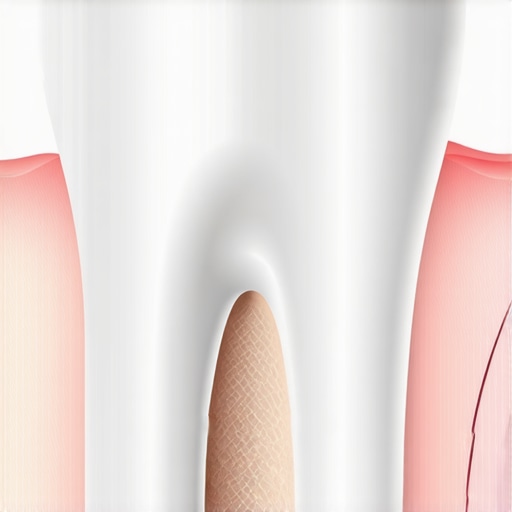
Why does a crown feel sensitive months later if it is supposed to be protective?
This is a question that often stumps patients who feel they have done everything right. While why crowns are a game changer in restorative dentistry is well-documented, the delayed sensitivity is often a matter of biomechanics or pulpitis. According to a study published in the Journal of the American Dental Association (JADA), even a minor occlusal interference can trigger inflammatory responses in the nerve. If you are wondering why your crown feels sensitive to cold months after it was placed, it might not be a failure of the material, but a subtle issue with how your bite has shifted over time. Deep dental health requires looking at the mouth as a dynamic system, where a single change in one tooth affects the pressure on all the others. Mastering these nuances is what moves you from just ‘getting through’ the dentist to actually maintaining a lifetime of health.
To truly scale your family’s oral health from ‘surviving’ to ‘thriving,’ you have to stop relying on the naked eye. In my house, we treat the mouth like a high-performance engine that needs precision diagnostics. This is why I always insist on 3D imaging over the old-school bitewing X-rays. If you’re looking for the gold standard, finding the best dentistry in Culpeper VA usually starts with a 3d cbct scan. This technology allows us to see the bone density around an implant or the exact nerve pathway before a wisdom tooth extraction. It takes the guesswork out of the equation. Dr. Robert Boyd’s research in the American Journal of Orthodontics and Dentofacial Orthopedics notes that digital scans reduce errors by up to 20% compared to traditional putty molds, which is a massive win for anyone prone to a gag reflex. 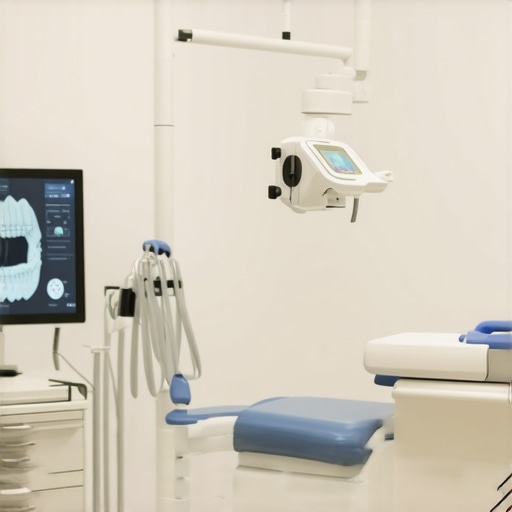
Stop Guessing with 3D Scans
When we talk about maintaining results, we are really talking about the prevention of micro-movements. I’ve seen parents wait until a tooth is visibly crooked before calling the orthodontist, but by then, the bone has already begun to reshape. By utilizing advanced imaging, we can predict these shifts months in advance. It is about being proactive rather than reactive. I also want to touch on the software side of maintenance. Many modern offices now use cloud-based patient portals where you can actually view your own 3D scans. I make it a habit to log in and compare my scans year-over-year. It’s like a ‘before and after’ for my bone health. This level of transparency is one of the most underrated family dentistry secrets that keeps me accountable. When you can see the plaque buildup in a 3D rendering, you suddenly find the motivation to floss much more than when a dentist just tells you to do it.
How do I keep my dental work lasting for decades?
The secret isn’t just brushing longer; it’s about targeted irrigation. For anyone with restorative work, the best way to clean around a dental implant bridge to avoid inflammation is using a specialized water flosser tip. I use the ‘orthodontic’ tip even though I don’t have braces, because the tiny bristles combined with the pulse of the water reach the margin of my crowns in a way that string floss never could. If you wake up and find that the specific reason your crown feels tall when you wake up is actually due to nighttime clenching, this high-pressure cleaning becomes even more vital to prevent the gum recession that follows mechanical stress.
The high-tech future of your home routine
Looking ahead, I predict we are moving toward a world where your smartphone will act as a secondary scanner. We are already seeing invisalign innovations the future of family dentistry revealed where AI-driven apps track your tray progress in real-time, alerting you the second a tooth isn’t ‘tracking’ correctly. This isn’t just cool tech; it’s about catching a $5,000 problem when it’s still a $50 adjustment. My best advice? Grab a high-quality water flosser today and start using it on the lowest pressure setting specifically at the gumline of your newest crown; it’s the single best way to ensure that investment doesn’t fail prematurely. Don’t just spray randomly—angle the tip at 45 degrees to the gumline for the best results.
What Experts Usually Skip When Talking About Your Kids Teeth
After years of navigating waiting rooms and clinical chairs, I’ve realized that the most important tool in my kit isn’t a toothbrush—it’s transparency. Here are the three shifts that changed everything for us:
- Stop the ‘Surprise’ Dental Visits: Telling your child you are going to the park when you are actually going to the clinic is a trust-killer. I learned that being honest about the ‘why’—even if it’s scary—builds a much stronger foundation for long-term family dentistry trends.
- Function Over Fashion: We often think of straight teeth as a cosmetic goal, but choosing between invisalign vs braces is actually a health decision. Properly aligned teeth are simply easier to keep clean, which prevents the need for more invasive restorative care later.
- Maintenance is Dynamic: Restorative work like crowns isn’t a ‘one and done’ fix. You have to actively stop your new crown from feeling too high when you chew because even a tiny misalignment can cause massive sensitivity down the road.
The Essential Success Kit for Every Appointment
I don’t just rely on what the office provides; I bring my own ‘success kit’ to every appointment to ensure we are staying ahead of potential issues. First, I highly recommend looking for a provider that prioritizes advanced imaging. You will find that finding the best dentistry in Culpeper VA usually starts with a 3d cbct scan because the precision it offers is lightyears ahead of old-school X-rays. Second, for home care, I swear by a high-quality water flosser. It is genuinely the best way to clean around a dental implant bridge or any new crown to prevent that dreaded gum inflammation. Finally, check out the resources from the American Academy of Pediatric Dentistry; their parent guides helped me understand the developmental milestones I was originally missing.
#IMAGE_PLACEHOLDER_E#
Claim Your Childs Future with a Confident Smile
Transitioning from a parent who feels like a ‘failure’ to one who feels like a partner in their child’s health is a powerful shift. It takes patience, the right family dentistry secrets, and a commitment to seeing the dentist as a collaborator rather than a source of stress. Whether you are currently dealing with a toddler who won’t sit still or a teenager navigating invisalign myths debunked, remember that every positive experience you create today is a brick in the wall against future dental anxiety. You’ve got the tools and the knowledge—now it’s time to put them into practice. What was the one ‘game changer’ that finally helped your child feel comfortable in the dentist’s chair? Let me know in the comments below!