
The trick to getting red wine off your teeth without ruining the enamel
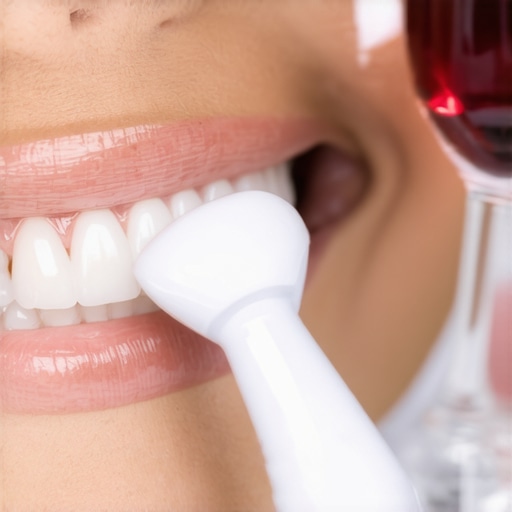
I was at a beautiful wedding last autumn, laughing and enjoying a gorgeous Bordeaux, when I caught a glimpse of myself in a selfie. My teeth weren’t just stained; they looked like they’d been dyed with dark ink. In a moment of pure panic, I ran to the restroom and used a dry paper towel to vigorously rub my front teeth. It was a huge mistake. Not only did the stain stay put, but my teeth felt zesty and sensitive for the rest of the night. I’ve spent years obsessing over top oral health tips, yet there I was, practically sanding down my own protection in a desperate attempt to look presentable. We’ve all been there, right? That moment where vanity clashes with biology. Today, I am going to show you exactly how to handle Malbec mouth without the trauma, based on my own trial and error. Have you ever looked in the mirror after a glass of red and wondered if your smile would ever be the same? Drop a comment and tell me your worst wine-stain story!
Stop the Scrubbing Before You Do Real Damage
Red wine is a triple threat to a bright smile. It contains intense pigment, high acidity, and those pesky tannins that act like glue for stains. According to the American Dental Association (ADA), the acid in wine temporarily softens your enamel, making it extremely vulnerable to abrasion. This is why my early mistake of using a stiff brush or a rough towel was so devastating; I was literally brushing away my tooth structure while it was at its weakest. If you have ever noticed that your gums bleed only when you use a firm toothbrush, imagine the microscopic scratches you are creating on acid-softened teeth. You do not need to resort to harsh chemicals or risky charcoal toothpastes that can permanently thin your enamel. Much like keeping your smile white while drinking coffee, the secret lies in timing and technique rather than brute force.
Does this actually work or am I just wasting my time?
I get the skepticism because I used to think the only way to get a clean smile was to scrub until it hurt. But the truth is that your enamel is like fine porcelain; you wouldn’t use a wire brush on your best china, and you shouldn’t do it to your teeth either. By using a few simple, non-abrasive tricks immediately after your glass, you can neutralize the acid and lift the pigment before it has a chance to set into the pores of your teeth. Let’s get into the practical steps that actually save your smile.
Wipe Out Wine Stains Without Damaging Your Smile
The goal isn’t just to hide the purple hue; it is to stop the chemical reaction that causes it in the first place. When you drink red wine, you are bathing your teeth in a high-acid solution. Think of your enamel like a sponge that has been slightly expanded by heat. If you pour ink on that sponge, it is going to soak deep into the fibers. To stop this, you need to change the environment inside your mouth as quickly as possible.
Flush the Pigment Away with a Simple Swish
The single most effective tool you have is sitting right in your hand: your water glass. Alternating sips of water with your wine does more than just keep you hydrated for the morning; it physically rinses away the tannins before they can bond to the pellicle—that thin layer of protein that naturally covers your teeth. This is essentially a simpler version of the salt water rinse trick for a sore mouth, focusing on dilution rather than healing. I remember being at a high-end gala in D.C. a few years back where I realized my teeth were turning that dreaded shade of lilac. I didn’t want to leave the conversation, so I started taking a vigorous ‘hidden’ swish of flat water after every third sip of Malbec. By the time I hit the powder room to check, the stains were barely visible. It was a complete 180 from my wedding disaster because I was proactive instead of reactive. 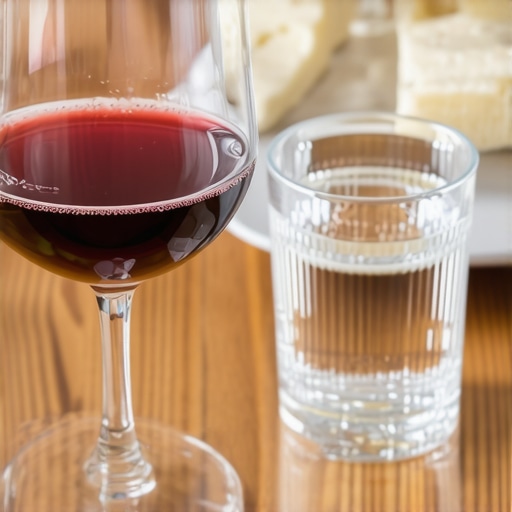
Use Your Lunch to Fight Off Tannin Buildup
Another secret weapon is fiber and protein. Eating while you drink—specifically high-fiber veggies or hard cheeses—acts like a natural toothbrush. As you chew, the physical friction of the food helps scrub away the film. If you have ever wondered why your teeth feel sticky even after you just brushed, it is often because of those lingering tannins. Hard cheese is especially brilliant because the calcium helps to remineralize the areas where the wine’s acid has started to soften the surface. It is like applying a protective wax to a car right before a rainstorm.
Set a Timer Before You Start Scrubbing
The biggest danger to your oral health happens about thirty minutes after your last glass. This is when your enamel is at its softest. If you rush to the bathroom to brush, you are essentially sanding down your smile. You need to wait at least sixty minutes for your saliva to naturally neutralize the pH of your mouth. During this time, the saliva is doing the heavy lifting, reaching the hidden spots most people miss while brushing their teeth. If you absolutely must clean your mouth before then, stick to a gentle rinse or a damp, soft microfiber cloth—never a brush. Even if you are dealing with a more stressful situation like how to handle a sudden chip in your front tooth at a wedding, the rule remains the same: stay calm and avoid abrasive force. While the difference between professional whitening and store-bought strips is significant, neither can fix the damage caused by over-brushing acid-softened teeth. You have to let biology take its course before you intervene.Most people assume that a tooth is just a tooth, but the way red wine interacts with natural enamel versus a restoration is a masterclass in chemistry. If you have ever followed the ultimate guide to crowns for a healthier smile, you know that modern porcelain is virtually stain-proof. However, the real danger is not the crown itself; it is the natural tooth structure at the margin that may be exposed. I often see patients who are frustrated that their natural teeth are darkening while their crowns stay bright, creating a mismatched look that ruins a consistent smile. This is where family dentistry secrets maintaining oral health with modern techniques come into play—understanding that your smile is a mixed-media canvas requiring different levels of care for different materials. Have you ever fallen into this trap of thinking your dental work would age at the exact same rate as your natural teeth? Let me know in the comments.
Why do some teeth stain faster than others even when drinking the same wine?
It often comes down to the microscopic texture of your enamel. If you have recently undergone a professional treatment, you might notice why your teeth feel sharp after a professional cleaning; that smoothness is actually your best defense because there is nowhere for the pigment to hide. Conversely, if your enamel has been thinned by over-whitening or acidic wear, it becomes more retentive. A study in the Journal of Dentistry found that surfaces with higher roughness scores significantly increase pigment adhesion. This is also why why finding the best dentistry in culpeper va usually starts with a 3d cbct scan is so vital; advanced imaging can detect thin enamel that is more prone to both staining and sensitivity before you even take a sip.
Stop the Acid Bath Hidden Under Your Clear Aligners
The most common advanced mistake I see involves clear aligners. Many people think they can cheat the system by drinking through a straw while wearing them. This is a massive mistake. Not only are invisalign myths debunked what you need to know today highlighting that straws do not fully bypass the teeth, but any wine that gets trapped inside the aligner is held against your teeth for hours. This does not just cause staining; it creates a localized acid bath that can lead to rapid demineralization. If you have noticed why your invisalign trays feel tighter on some days than others 2, imagine the discomfort of that pressure combined with acid-induced sensitivity.  For those with older restorations, the struggle is even more nuanced. If you have noticed why your old silver filling is starting to look black, the contrast with deep wine stains can make your smile look much older than it is. While why crowns are a game changer in restorative dentistry is a fact for modern patients, maintaining them requires more than just luck. If you experience the reason your crown feels tight after flossing after a night of wine, it might be due to mild gum inflammation from the tannins. If you are already managing how to manage sensitivity after a deep root planing session, the added acidity of wine can feel like a major setback. Understanding these subtle biological shifts is the key to enjoying your Bordeaux without sacrificing your long-term health.
The Gadgets That Keep My Smile From Fading
After that wedding disaster, I realized that relying on a manual toothbrush was like trying to clean a luxury car with a kitchen sponge. If you have invested in your smile, you need the right hardware to protect it. My absolute non-negotiable tool is a high-quality water flosser. While some people find them intimidating, mastering the trick to using a water flosser without making a total mess changed everything for me. It is the only way to effectively flush out the wine tannins and acidic residue that hide in the tight spaces where your natural teeth meet your restorations. According to a 2021 study by the International Journal of Environmental Research and Public Health, pulsated water flossers are significantly more effective at reducing gingival bleeding than string floss, especially around the delicate margins of crowns and implants. When you are choosing the right crown expert advice for long-lasting results, they will almost always tell you that the lifespan of your dental work depends entirely on the health of the gums surrounding it. I personally add a tiny capful of non-alcoholic mouthwash to the reservoir for an extra layer of antibacterial protection.
How do I maintain my dental work over time?
Consistency is the boring answer, but the tool-based answer is digital monitoring. Long-term success with treatments like Invisalign isn’t just about the months you wear the trays; it is about the years of retention that follow. We are seeing a massive shift in how invisalign transforms family dentistry in 2025, moving toward AI-integrated apps that allow your dentist to track your tooth movement through your smartphone. This prevents the ‘relapse’ that many adults face when they get lazy with their retainers. 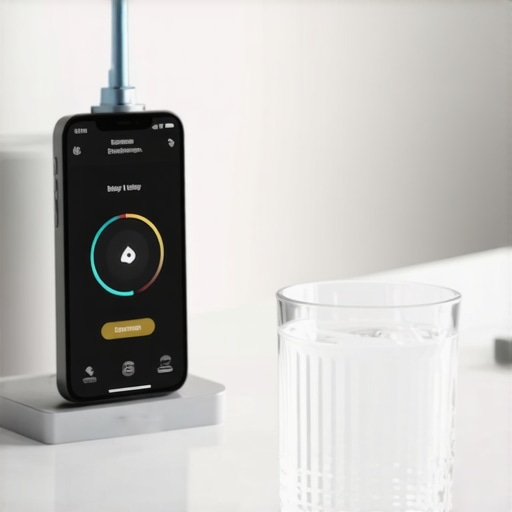
The Near Future of Home Dental Care
I predict that within the next five years, we won’t just be brushing blindly. We will have smart mirrors that highlight exactly where plaque or wine stains are building up in real-time. This is already beginning with invisalign innovations the future of family dentistry revealed, where 3D scanning is becoming the standard for every checkup. It is no longer just about fixing a hole in a tooth; it is about proactive bio-maintenance. If you are serious about keeping your smile bright, I challenge you to try the ‘water flosser first’ method for one week. Use it before you brush at night to clear the way for your toothpaste’s fluoride to actually reach your enamel. You will be shocked at how much fresher your mouth feels, especially after a night of enjoying your favorite red.
Lessons My Red Wine Disaster Taught Me About Dental Longevity
Reflecting on that wedding disaster, I realized that the panic I felt wasn’t just about the aesthetics; it was a wake-up call about how little I understood my own anatomy. Here are the lightbulb moments that changed my perspective on oral care forever.
- Saliva is your greatest natural defense. I used to view it as just a nuisance, but it is actually a mineral-rich fluid designed to repair your enamel. When you drink wine, your saliva needs time to neutralize the acid. Rushing this process with a toothbrush is like trying to clean a wet painting—you just end up smearing the mess and ruining the canvas.
- Texture matters more than color. I learned that the truth about charcoal toothpaste and your enamel health is that it creates tiny scratches that actually trap more stains over time. A smooth, healthy tooth surface is naturally stain-resistant.
- Proactive beats reactive every time. Waiting until your teeth are purple to take action is a losing game. Incorporating family dentistry trends improving oral health for all ages, like focusing on pH balance rather than just scrubbing, ensures your smile stays bright without the stress.
The Essential Kit for Every Wine Lover
You don’t need a bathroom full of gadgets, but you do need the right ones. These are the tools I personally swear by to keep my smile pristine after a night of Malbec or Bordeaux.
- A Pulsated Water Flosser: This is my number one recommendation for anyone with dental work. Once I mastered the trick to using a water flosser without making a total mess, it became my secret weapon for flushing out tannins from the hard-to-reach margins of my crowns for a healthier smile.
- pH-Neutralizing Mouth Rinses: Look for non-alcoholic options that specifically mention ‘enamel support.’ They help bring your mouth back to a safe balance faster than water alone.
- Advanced Diagnostic Care: I cannot stress enough how much a baseline checkup helps. Knowing your enamel thickness through why finding the best dentistry in culpeper va usually starts with a 3d cbct scan allows you to tailor your whitening routine so you don’t over-process your teeth.
Reclaim Your Confidence One Sip at a Time
You should never feel like you have to choose between a sophisticated glass of red and a healthy, white smile. By shifting your focus from ‘scrubbing away the purple’ to ‘protecting the enamel,’ you are playing the long game for your oral health. This approach isn’t just about vanity; it’s about preserving the structural integrity of your teeth for decades to come. If you ever feel overwhelmed or notice persistent staining that won’t budge, it might be time for a professional touch. Feel free to contact us to discuss a personalized plan for your unique smile. Remember, the best dental care is the kind that lets you enjoy your life to the fullest. What is your go-to trick for keeping your teeth bright after a dinner party? Let me know in the comments!