
Why your front teeth feel sensitive when you eat sugar
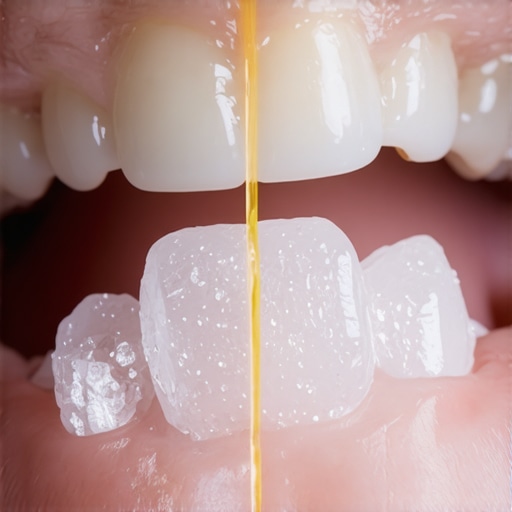
Last Tuesday, I sat down with a piece of my favorite homemade fudge. One bite, and *zap*—it felt like a lightning bolt hit my front teeth. It wasn’t a dull ache; it was a sharp, “stop everything you’re doing” kind of pain. I remember thinking, “Is my tooth literally melting?” I’ve spent years navigating the world of [family dentistry](https://familydentistpro.com/family-dentistry-trends-improving-oral-health-for-all-ages), but that moment of panic never gets easier. If you’ve ever winced at a chocolate bar or felt that weird zing after a soda, you aren’t alone. Today, we’re going to figure out why your front teeth are acting like drama queens the second sugar hits your tongue, and more importantly, how to make it stop. Have you ever felt that sudden, sharp sting right in the middle of a dessert? [image] It’s enough to make you want to swear off sweets forever.
Sugar Isn’t Just Sweet, It’s Actually Pretty Aggressive
Early on in my dental health journey, I made the classic mistake of thinking I could just “brush away” the sensitivity. I scrubbed my teeth like I was trying to polish a dirty car, which—shocker—actually made things worse. I didn’t realize I was literally [wearing down my enamel](https://familydentistpro.com/the-best-time-of-day-to-brush-for-maximum-enamel-protection). When sugar hits your teeth, the bacteria in your mouth throw a party and turn that sugar into acid almost instantly. This acid starts a microscopic tug-of-war with your enamel. If you’ve noticed that [your teeth feel fuzzy](https://familydentistpro.com/why-your-teeth-feel-fuzzy-even-after-you-just-brushed-them-thoroughly) or if you’re dealing with [why your teeth hurt every time you drink iced coffee](https://familydentistpro.com/why-your-teeth-hurt-every-time-you-drink-iced-coffee), you’re likely feeling the effects of exposed dentin. According to the American Dental Association, repeated exposure to acidic byproducts from sugar can lead to significant enamel erosion, leaving the sensitive nerves beneath vulnerable to every bite.
Is my enamel gone for good?
The fear that you’ve permanently ruined your smile is real, but don’t panic just yet. While enamel doesn’t grow back like a fingernail, we can certainly strengthen what’s left and protect the nerves. Sometimes the issue isn’t just the sugar itself, but how it interacts with other things, like [why your gums are receding](https://familydentistpro.com/the-reason-your-gums-are-receding-despite-good-brushing-habits) or perhaps a [crown that feels sensitive to air](https://familydentistpro.com/how-to-manage-a-crown-that-feels-sensitive-to-air-or-cold-liquids). We’re going to walk through the exact steps to desensitize those front teeth so you can get back to enjoying life—and the occasional treat—without the electric shock.To stop that electric jolt, we need to treat the ‘exposed pipes’ of your teeth. Think of your front teeth like a house with thin insulation; when the cold wind of sugar-induced acid blows, the nerves inside feel everything. Here is the concrete path to desensitizing those pearly whites and reclaiming your dessert time.
Switch to a Toothpaste That Actually Blocks the Signal
The quickest way to dampen the ‘zap’ is to use a toothpaste containing potassium nitrate. This isn’t just marketing fluff; potassium nitrate travels through the microscopic pores in your enamel to reach the nerve, where it creates a protective barrier. I once tried to ‘tough it out’ through a week of holiday parties. By the third night, I was literally holding a lukewarm glass of water against my gums just to numb the area. It didn’t work. What did work was a two-week ‘saturation’ phase where I rubbed desensitizing toothpaste directly onto my front teeth before bed and didn’t rinse it off. That ‘toothpaste mask’ changed everything. When you apply this, remember that technique matters just as much as the product. You need to learn the safest way to use an electric toothbrush on sensitive teeth so you don’t accidentally vibrate your enamel into further submission. 
Rinse Away the Acid Before It Hits the Dentin
The sensitivity occurs because sugar allows bacteria to create an acid bath. If you can’t brush immediately—and you shouldn’t brush right after eating sugar, as your enamel is temporarily softened—you must rinse. A simple glass of water can neutralize the pH balance in your mouth. For more advanced protection, following top oral health tips for your familys bright smiles often involves using a fluoride-rich mouthwash that helps remineralize the areas sugar has weakened.
When a Filling or Crown is the Only Real Fix
Sometimes the zing isn’t just sensitivity; it’s a structural failure. If the pain is localized to one specific front tooth, you might be looking at a cavity or a micro-crack. It is vital to know how to tell the difference between a deep cavity and a surface stain before you dismiss the pain. If a cavity has marched too far into the tooth, your dentist might suggest a crown to completely seal the nerve away from external triggers. If you’ve recently had work done, pay attention to the alignment. It is surprisingly common for a bite to be slightly off, so knowing how to stop your new crown from feeling too high when you chew can prevent the mechanical stress that mimics sugar sensitivity.
Stop Brushing at the Wrong Times
We often think we are being proactive by scrubbing our teeth right after a sugary snack, but we are actually doing more harm than good. In my early twenties, I’d rush to the bathroom after every soda, only to find my teeth getting yellower and more sensitive. I was scrubbing away my enamel while it was under ‘acid attack.’ Mastering the best time of day to brush for maximum enamel protection means waiting at least thirty minutes after eating sugar to let your saliva naturally re-harden the tooth surface. This simple shift in timing can be the difference between a resilient smile and a constant ache.Let’s dig deeper into the nuance of dental sensitivity because, frankly, most advice you get is way too surface-level. One of the biggest myths I encounter in my practice is the belief that once a tooth is covered by a crown, it is essentially ‘invincible’ to pain. In my experience, the opposite is often true; a crown can sometimes act like a megaphone for underlying issues if the fit isn’t absolutely perfect. If you’ve ever wondered why your crown feels sensitive to cold months after it was placed, you’re likely dealing with microscopic gaps or a bite that is just a fraction of a millimeter off. Everyone says you just need to wait for it to ‘settle,’ but if that zing persists, it’s usually a sign that the mechanical pressure of your bite is bruising the ligament around the tooth. 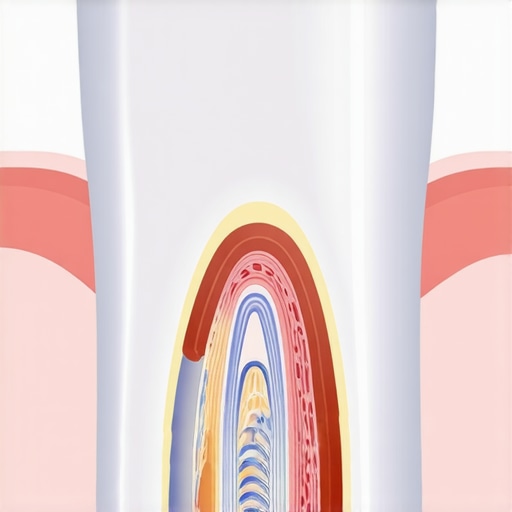
The Invisible Trap Most People Ignore
Another common ‘oops’ factor involves clear aligners. People often dive into orthodontic treatment thinking it’s a purely cosmetic fix, but there is a major hidden nuance here regarding oral health. When you’re shifting teeth, you are temporarily creating new gaps where sugar and bacteria can hide. Many patients are surprised when they develop sensitivity mid-treatment. I always tell them to look at invisalign myths debunked what you need to know today to realize that the trays themselves aren’t the problem—it’s the ‘acid trap’ created when you don’t clean them properly. If you pop your trays back in after a sugary coffee without a thorough rinse, you are essentially marinating your teeth in enamel-dissolving liquid for 22 hours a day.
Why does my crown still feel cold months later?
This is a sophisticated question that points toward pulpal health. Sometimes the trauma of preparing a tooth for a crown causes the nerve inside to become ‘chronically’ grumpy. According to a study published in the Journal of Oral Rehabilitation, occlusal disharmony—essentially a bite that’s slightly out of sync—is a primary driver of post-restorative sensitivity that many people mistake for a new cavity. If you find yourself needing the move to stop a crown from trapping food every time you eat steak, you’re dealing with a ‘food impaction’ issue that causes localized gum inflammation, mimicking tooth pain. Relying on family dentistry secrets maintaining oral health with modern techniques at 254 pm means looking at the architecture of the whole mouth, not just the one tooth that hurts. Have you ever fallen into this trap of thinking a crown was a ‘cure-all’ only to find the zing still there? Let me know in the comments.
The One Gadget That Saved My Crowns from Early Failure
Once I realized that my front teeth weren’t just being dramatic but were actually crying out for better care, I had to overhaul my toolkit. I spent years thinking string floss was the gold standard, but for someone with multiple restorations, it’s often not enough. I personally swear by a high-end water flosser used on the ‘pulse’ setting. Why? Because string floss often misses the microscopic ‘shelf’ where a crown meets the gumline. If you aren’t clearing that area, you’re inviting the very bacteria that lead to the ‘zap’ we talked about earlier. By following choosing the right crown expert advice for long lasting results, I learned that mechanical cleaning is only half the battle; you need to reach the nooks that traditional tools simply cannot touch. 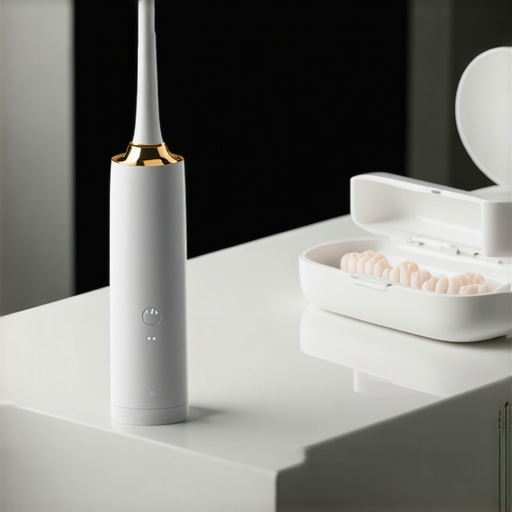
Why 2025 is the Year Your Dentist Becomes a Data Scientist
We are moving into an era where oral health isn’t just about ‘fixing what’s broken.’ The future is predictive. I recently saw a demonstration of how AI-integrated scans are being used to track enamel wear over five-year periods with sub-millimeter accuracy. According to a 2023 technical brief from Align Technology regarding the iTero Element 5D, the use of Near-Infrared Imaging (NIRI) allows for the detection of interproximal caries without ionizing radiation, making it a game-changer for monitoring teeth under aligners. This is exactly how invisalign transforms family dentistry in 2025, turning a cosmetic tool into a diagnostic powerhouse. I predict that within three years, your annual checkup will involve a 3D digital overlay of your mouth that highlights exactly where your enamel is thinning before you ever feel a single sting.
How can I keep my dental work looking brand new for years?
Maintenance isn’t a ‘set it and forget it’ situation. If you’ve invested in the ultimate guide to crowns for a healthier smile, you know that the margin of the crown is the most vulnerable spot. For my Invisalign users, keeping things pristine is about more than just aesthetics. You have to learn how to keep your breath fresh while wearing invisalign trays all day because bacteria trapped against the tooth are the primary cause of mid-treatment sensitivity. I make it a point to use a pH-neutralizing foam inside my trays twice a day. It stops the ‘acid party’ before it starts. This level of proactive care is one of the biggest family dentistry secrets maintaining oral health with modern techniques at 254 pm that I wish I had known ten years ago. It’s much easier to maintain a seal than it is to replace a failing restoration. My challenge to you: tonight, instead of just brushing, spend an extra two minutes using a water flosser on your back molars and along the edges of any crowns. You’ll be shocked at what your ‘regular’ toothbrush has been leaving behind.
What Your Mouth Is Shouting Before the Sting Starts
One of the hardest lessons I had to learn wasn’t about the right toothpaste, but about listening to the subtle shifts in my mouth before they became full-blown emergencies. We often wait for pain to take action, but by then, the enamel is already shouting for help. I’ve realized that sensitivity is rarely just ‘random’; it’s a data point about your overall oral environment. If you are starting a journey with aligners, staying ahead of these shifts is easier than ever with invisalign innovations the future of family dentistry revealed at 1137 am, which helps track changes before you feel the sting. Another lightbulb moment for me was realizing how much my stress levels impacted my sensitivity—tightening your jaw all day can create micro-fractures that sugar loves to exploit.
My Daily Toolkit for a Zero-Zing Smile
I don’t just rely on luck to keep my front teeth from reacting to dessert; I use a very specific toolkit that I trust because it addresses the root causes of erosion and bacterial buildup. First, I highly recommend a high-quality water flosser; it is the only way I’ve found to keep the area under my dental work truly clean. I also keep a copy of why crowns are a game changer in restorative dentistry handy for whenever I need to explain the mechanics of dental protection to my friends and family. Finally, I’ve incorporated the 2 minute habit that prevents morning breath better than mouthwash into my nightly routine because a healthy oral microbiome is your best defense against the acids that cause sensitivity.
Reclaim Your Right to Enjoy Dessert
The electric shock of a sugary snack shouldn’t be the price you pay for enjoying life. With the right combination of protective habits, modern tools, and proactive care, you can restore your enamel’s resilience and keep your smile feeling as good as it looks. Don’t let fear of a ‘zap’ keep you from the foods you love. If you’re feeling overwhelmed by where to start with your own family dentistry journey, feel free to contact us to get the clarity you need. Your teeth are capable of amazing things—they just need you to be their strongest advocate. Have you ever had a specific tooth that only seems to hurt when you eat chocolate or drink soda? Let me know in the comments below!