
Why your gums feel itchy after a professional cleaning
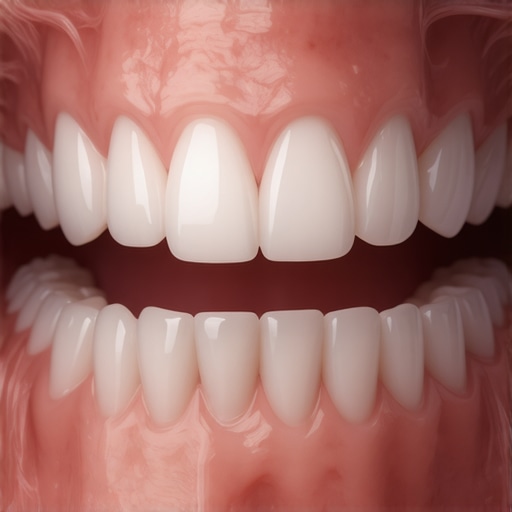
I was sitting in the parking lot of my dentist’s office, desperately trying to use the tip of my tongue to scratch the back of my upper molars. It wasn’t pain—it was this maddening, tickling sensation that felt like a tiny parade of ants was marching across my gumline. My teeth were spotless, my breath was minty, but I felt like I was losing my mind. If you’ve ever walked out of a routine check-up feeling like your mouth is wearing a wool sweater, you are definitely not alone. It is a specific, distracting sensation that makes you wonder if something went wrong during the scaling process. Today, we are going to dive into why this happens and why you should actually be relieved that it’s occurring.
Stop Worrying Because That Itch is Usually a Good Sign
Early in my journey to better oral health, I made a massive blunder. I thought the itch meant I had missed a spot or that bacteria were somehow ‘attacking’ my newly exposed gums. I panicked and rinsed with a heavy-duty, stinging alcohol mouthwash. Big mistake. It felt like I’d poured gasoline on a campfire. My gums were already sensitive from the deep scaling, and I had stripped away the natural protective barrier my mouth was trying to rebuild. Much like the reason your gums feel tender after a routine cleaning, that itchy sensation is often your body’s way of responding to the removal of built-up tartar. When that hard stuff is finally gone, your gums can finally breathe, and the blood flow returns to areas that were previously suffocated. According to the American Academy of Periodontology, the healing process of gingival tissue often involves the release of histamines as the body repairs itself, which is exactly why things get itchy as the inflammation subsides.
Is this itch actually a sign of a botched cleaning?
It is totally normal to feel a bit skeptical when you leave a professional office feeling less comfortable than when you walked in. You might even notice that your teeth feel sharp after a professional cleaning, but that is just because the gaps between your teeth are finally clear of debris. The itch isn’t a sign that your hygienist was too rough; rather, it’s a sign that your immune system is waking up. If the sensation gets too annoying, I’ve found that the salt water rinse trick for a sore mouth is the absolute best way to calm things down without causing further irritation. Have you ever found yourself doing that weird ‘tongue-scrub’ in the car after a cleaning? Reach out to us on our contact page and let me know if I’m the only one who looks ridiculous in the rearview mirror! We are about to look at the specific steps to soothe that ‘post-cleaning crawl’ for good.
Stop the Scratching Reflex with Temperature Control
Handling that post-cleaning crawl is all about managing blood flow and nerve responses. Think of your gums like a healing scrape on your knee; as the new skin forms, it tickles. In your mouth, the ‘scab’ isn’t visible, but the tissue is tightening. To calm this down, start with lukewarm salt water. This isn’t just an old wives’ tale; the salt creates an osmotic effect that draws out excess fluid from the inflamed tissue, reducing that pressure-based itch. If the sensation feels more like a heat-throb, switching to a cool (not freezing) rinse can constrict the blood vessels and provide immediate numbing. This is very similar to how to manage sensitivity after a deep root planing session, where the focus is on stabilization rather than deep cleaning.
Ditch the Alcohol and the Hard Bristles
One of the biggest mistakes you can make during this 48-hour window is reaching for your standard, high-intensity mouthwash. Most commercial rinses contain alcohol, which acts as a desiccant. It dries out the already vulnerable tissue, making the itching ten times worse. I remember one specific Tuesday after a particularly intense cleaning where I thought a ‘deep’ rinse would help. Within seconds, my mouth felt like a desert, and the itch turned into a sharp burn. Instead, stick to an alcohol-free fluoride rinse or just plain water. You also need to evaluate your hardware. If you are still using a medium or hard toothbrush, you are essentially sandpapering your healing gums. Learning the truth about soft vs. hard toothbrushes for receding gums is vital here; a soft-bristled brush will clean the teeth without aggravating the histamine response in the gumline. 
Don’t Mistake Healing for a New Problem
It is easy to get paranoid when your mouth feels different. Many patients panic because their teeth feel ‘loose’ or they notice small gaps they never saw before. This is actually a sign of success! When the tartar (calculus) is removed, the ‘dental bridge’ of bacteria that was holding the inflammation in place is gone. If you have restorations, you might notice the reason your crown feels tight after flossing is more apparent once the debris is cleared. This tight sensation often accompanies the itch as the gums try to re-attach to the tooth surface.
Master Your Flossing Technique for Sensitive Areas
After a cleaning, the way you floss needs to change for a few days. You shouldn’t be sawing at the gums. Instead, use a ‘C’ shape to hug the tooth. If the manual string is too irritating, many people find relief in technology. However, you have to know the trick to using a water flosser without making a total mess to ensure you aren’t just blasting your gums with high pressure, which can delay healing. If you’re also undergoing orthodontic work, you might notice why your teeth ache for the first two days of a new aligner tray is a very similar sensation to this post-cleaning itch—it’s all about the body responding to movement and change. Just as the ultimate guide to crowns for a healthier smile emphasizes protection, your goal now is to protect the newly cleaned sulcus from further trauma. If you see pink in the sink, don’t panic, but do check the reason your gums bleed only when you use a firm toothbrush to make sure your technique isn’t the culprit.
Why Your New Crown Might Be a Decoy for Decay
I used to think that getting a crown was like putting a suit of armor on my tooth—once it was on, that tooth was invincible. This is arguably the most dangerous myth in family dentistry. The reality is that the margin, that tiny microscopic line where the porcelain meets your natural gumline, is the most vulnerable spot in your mouth. While why crowns are a game changer in restorative dentistry is clear for structural integrity, they require more vigilance than a natural tooth. If you let plaque sit at that margin, you can develop ‘recurrent decay’ underneath the crown. Since the nerve is often protected or removed, you won’t feel the cavity until the entire tooth structure has collapsed. A study published in the Journal of Clinical Periodontology highlights that biofilm accumulation at restoration margins is a leading cause of secondary caries and localized gingivitis. This is why that post-cleaning itch is so vital; it’s often centered around these margins where the hygienist had to work double-time to clear out the debris you didn’t even know was there. Have you ever assumed a crowned tooth couldn’t get a cavity? Let me know in the comments if you’ve fallen into this ‘invincibility’ trap!
Is a High-Pressure Water Flosser Ruining Your Healing?
One of the biggest ‘oops’ factors I see is the over-eager use of technology. After a deep cleaning, your gums are in a state of re-attachment. If you go home and immediately use a water flosser on the highest setting, you are essentially power-washing the delicate healing fibers away from the tooth. You must master the trick to using a water flosser without making a total mess and, more importantly, without traumatizing the sulcus. Use the lowest pressure setting for at least a week post-cleaning to allow the histamine response to die down naturally. 
Stop Thinking of Straight Teeth as Purely Cosmetic
We often view treatments like Invisalign as a vanity project, but from an expert perspective, it’s a preventative health powerhouse. When teeth are crowded, even the best hygienist will struggle to remove every trace of calculus, leading to that chronic itchy, inflamed feeling every time you leave the chair. Looking into how invisalign transforms family dentistry in 2025 reveals that alignment is about creating ‘self-cleansing’ environments. Properly aligned teeth allow saliva—your mouth’s natural buffer—to flow freely between gaps, neutralizing acids that otherwise get trapped in the nooks and crannies of a crooked smile. By staying ahead of family dentistry trends improving oral health for all ages, you realize that a straight smile is actually an easier-to-clean smile. When you are choosing the right crown expert advice for long lasting results, always ask how the crown’s shape will affect your ability to clean the adjacent teeth. True expertise isn’t just about fixing the hole; it’s about engineering a mouth that’s easy for you to maintain for the next thirty years.
The One Tool That Actually Saves My Gumline
I used to be a string-floss purist until I realized I was leaving behind nearly 40% of the plaque in the ‘danger zones’ between my molars. If you really want to stop that itchy sensation for good, you need to look into interdental brushes. I personally use the TePe brand because their wire is plastic-coated, which is crucial if you have metal restorations. Unlike standard floss, these little brushes mechanically scrub the concave surfaces of your teeth that string simply misses. This is especially important for the hidden spots most people miss while brushing their teeth. When I switched to these for my nightly routine, the ‘post-cleaning crawl’ I used to experience every six months virtually vanished because there was no deep-seated inflammation left for the hygienist to disturb.
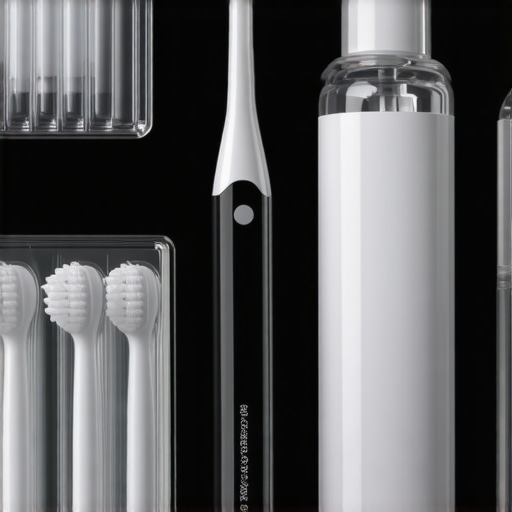
Beyond the brush, the hardware you choose matters. I finally invested in an electric toothbrush with a pressure sensor—not because I like gadgets, but because I’m a chronic ‘scrubber.’ If you press too hard, you are essentially filing away your gum tissue. This is a primary factor in the specific way to brush when you have gum recession. The FDI World Dental Federation emphasizes that the mechanical action of an electric brush is significantly more effective at biofilm disruption than manual brushing, provided the user doesn’t cause trauma. By letting the brush do the work, you ensure that the gum re-attachment process after a cleaning remains undisturbed and healthy.
How do I maintain these dental results over the long haul?
Consistency is the boring answer, but the way you are consistent is the secret. You have to treat your mouth like a high-performance engine. This means using alkaline mouth rinses if you have a high-acid diet (looking at you, coffee lovers) to neutralize the pH before you even start brushing. Mastering family dentistry secrets maintaining oral health with modern techniques at 254 pm involves more than just a quick scrub; it involves understanding the chemistry of your saliva. If you’ve recently had work done, like a new restoration, knowing what to eat after getting a new dental crown can prevent the initial micro-movements that lead to long-term failure.
Smart Brushes and AI Monitoring Are Coming for Your Sink
Looking ahead, the next five years will change how we view maintenance. We are already seeing the rise of smart toothbrushes that sync with your phone to map exactly where you’ve missed, but the real game-changer is tele-dentistry monitoring. Imagine your Invisalign trays or your night guard having embedded sensors that alert your dentist to grinding patterns or poor hygiene habits before a cavity even forms. This shift toward proactive data is at the heart of invisalign innovations the future of family dentistry revealed at 1137 am. We are moving away from ‘reactive’ dentistry—where we fix what’s broken—to ‘predictive’ dentistry.
My best advice for you today? Don’t wait for the high-tech future to fix a low-tech problem. Start using an interdental brush tonight in the areas where you usually feel that post-cleaning itch. If you find yourself struggling with sensitivity or a weird taste, check out our guide on why your new crown tastes like burnt sugar to rule out any immediate issues. If you have questions about which tools are right for your specific bite, reach out to us on our contact page. Your future self (and your wallet) will thank you for the extra sixty seconds of care you put in today.
The Mental Shift That Finally Saved My Smile
Looking back at years of dental anxiety, the biggest lesson I learned wasn’t about a specific brush, but about patience. When you feel that ‘itch,’ your body is communicating. Instead of reacting with harsh chemicals, I learned to listen. I stopped viewing my teeth as separate from my body and started treating them like living tissue that needs recovery time. Another ‘aha’ moment was realizing that professional work, while great, is only 10% of the battle. Mastering family dentistry secrets maintaining oral health with modern techniques at 254 pm taught me that the environment I create at home determines the lifespan of every crown and filling. Lastly, don’t wait for pain to take action. If things feel ‘off,’ that is your window to prevent a crisis.
The Minimalist Kit for Lasting Gum Health
You don’t need a drawer full of gadgets, just a few high-quality tools used with the right technique. Here is what I personally trust for my daily routine: 1. Interdental Brushes: These are non-negotiable for reaching the spots floss misses. 2. A Pressure-Sensitive Electric Brush: To prevent the scrubbing that leads to recession. 3. Alkaline Rinses: Especially if you enjoy coffee or wine. By following top oral health tips for your familys bright smiles, you can build a toolkit that actually works without the clutter. #IMAGE_PLACEHOLDER_E# If you are dealing with alignment issues, exploring how invisalign transforms family dentistry in 2025 can be the ultimate tool for making your mouth easier to clean in the long run.
Your Path to a Lifetime of Healthy Confidence
Healing is rarely a linear process, and a little bit of discomfort often precedes a much healthier state. Now that you know the reason your gums feel itchy after a deep cleaning, you can move forward with confidence instead of worry. Your smile is one of your most valuable assets—invest the time into these small, daily habits. Don’t be afraid to ask questions or seek a second opinion if something feels unusual. If you’re ever in doubt about a new sensation or a piece of hardware, reach out to us on our contact page and we can help guide you toward the right solution. You’ve got this!
Have you ever experienced a strange sensation after a dental visit that turned out to be a sign of healing? Let me know in the comments below!