
Why your porcelain crown has a tiny chip on the edge
I was halfway through a bowl of extra-crunchy granola when I heard it—a tiny, metallic-sounding click. At first, I thought I’d just hit a particularly stubborn oat, but then my tongue found it. A sharp, jagged little ledge right on the side of my molar. My heart sank. I’d spent good money and several appointments on that tooth, and now it felt like a construction site. I’ll be honest with you: my first instinct was to grab a piece of fine-grit sandpaper from the garage. I actually touched the tooth with it before common sense kicked in. That was a huge mistake. Trying to buff out dental work yourself is a one-way ticket to more expensive repairs. Today, I want to walk you through why these chips happen, how to manage that annoying sharp sensation, and when you actually need to call the office.
That Heart-Sinking Moment Your Tongue Finds a Sharp Edge
It is funny how a chip the size of a grain of salt can feel like a jagged mountain range to your tongue. We get these crowns because they are game-changers in restorative dentistry, but even the best dental porcelain isn’t invincible. When I found my first chip, I spent the whole night worrying that the entire thing was about to shatter. Have you ever found yourself obsessively running your tongue over a tiny rough spot instead of actually enjoying your meal?
Is This Tiny Nick Actually Worth the Panic?
Many of us assume that a chip means the crown is failing, but that isn’t always the case. According to the American College of Prosthodontists, while porcelain is incredibly strong, it is also brittle, and roughly 4% of crowns experience some form of ceramic chipping within ten years. The real question is whether the chip has exposed the metal substructure or created a trap for bacteria. If you’re currently dealing with a rough spot, you might be tempted to try a DIY fix, but you should really look into how to handle a sharp edge safely before you do anything drastic.
The Hidden Stressors Turning Your Perfect Crown Into a Project
Porcelain is designed to withstand a lot of pressure, but it doesn’t like ‘point loading’—that’s when all the force of your bite hits one tiny spot. For me, the culprit wasn’t just the granola; it was a habit I didn’t even know I had. I was a midnight tooth-grinder. I didn’t realize there was a massive connection between grinding and my morning headaches until my dentist pointed out the wear patterns on my other teeth. If you are choosing the right crown, you have to account for these forces, or you’ll just end up chipping the next one too. Sometimes, the chip isn’t a sign of bad dental work, but a sign that your bite is slightly out of alignment, putting too much stress on the edge of the porcelain.
Stop the Tongue-Scraping Right Now
The moment that jagged edge appears, your tongue becomes a heat-seeking missile, constantly returning to the site of the crime. I once reached for a metal nail file because the edge was driving me crazy. I gave it one tiny swipe, and the texture changed from sharp to rough sandpaper. I spent the next three days feeling like I had a piece of dry velvet stuck to my molar. It was a disaster because I’d accidentally created a surface where biofilm could thrive, which explains why your teeth feel fuzzy even after brushing sometimes. Instead of sandpaper or files, you need to neutralize the sharpness immediately.
Use Orthodontic Wax Instead of Hardware Tools
Go to the pharmacy and grab a pack of orthodontic wax. It is essentially a soft, medical-grade barrier that you can mold with your fingers. Dry the crown with a cotton swab—this is crucial because wax won’t stick to a wet surface—and press a small pea-sized amount over the sharp edge. This buys you time and prevents those painful ulcers that form when your cheek rubs against broken porcelain. If the wax keeps falling off, it might be because the reason your crown feels bulky on the side of your tongue is that the chip has created a ledge that traps saliva and food particles.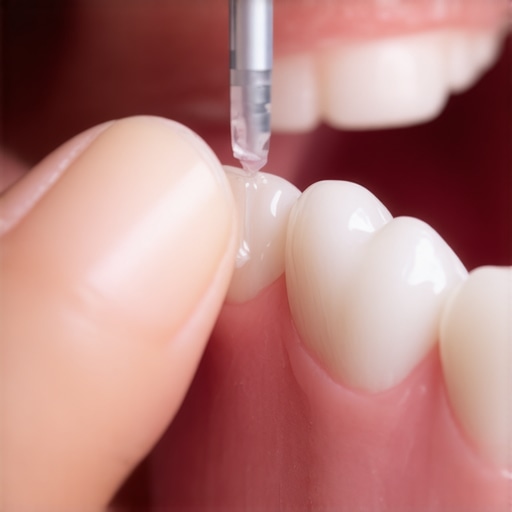
Give Your Crown a Quick Field Test
Before you call the office, you need to determine if this is a cosmetic annoyance or a structural emergency. Run your finger (not your tongue) over the area. If you feel a deep crevice or see metal peeking through, the seal of the crown might be compromised. Does it hurt when you breathe in cold air? Thermal sensitivity usually means the underlying tooth structure is exposed. You can use the the sip test to determine if your tooth sensitivity is nerve-related or just a temporary reaction to the porcelain loss. If the pain is sharp and lingering, you are dealing with more than just a surface chip.
Identify the Breaking Point
Look closely in a mirror. A chip on the biting surface is often caused by trauma or a hard object, but a chip on the side can be a sign of a failing bond. You also need to figure out why your crown feels like it has a high spot only when you grind, as that localized pressure is the primary killer of porcelain restorations. If the crown feels loose or shifts when you bite, do not try to chew on that side until a professional can reseat it.
Fix the Root Cause Before the Next Chip
Repairing the chip is only half the battle; preventing the next one is where the real work happens. Most chips are the result of cumulative stress rather than a single event. Learning how to stop a small chip in your tooth from becoming a major crack is mostly about bite management. If you are a clencher, you are essentially slamming a hammer into a glass window every night. If you want to save money and your remaining teeth, look into how to stop grinding your teeth without an expensive night guard by using relaxation techniques and jaw positioning exercises. Your crown is a shield, but even shields need proper handling to stay intact.
Most people treat a new dental crown like a piece of indestructible armor, but that is a dangerous misconception. In my years of obsessing over dental health, I have learned that a crown is less like a shield and more like a high-performance tire—it only lasts if the alignment is perfect. A study published in the Journal of Oral Rehabilitation highlights that even minor occlusal discrepancies, those tiny misalignments in how your teeth meet, can increase the stress on ceramic surfaces by over 50%. This is why you might notice that your new zirconia crown feels taller than your other teeth initially; that micro-height difference is often the catalyst for the chip you found in your granola.
Why Is Your Alignment the Real Culprit Behind Chipped Porcelain?
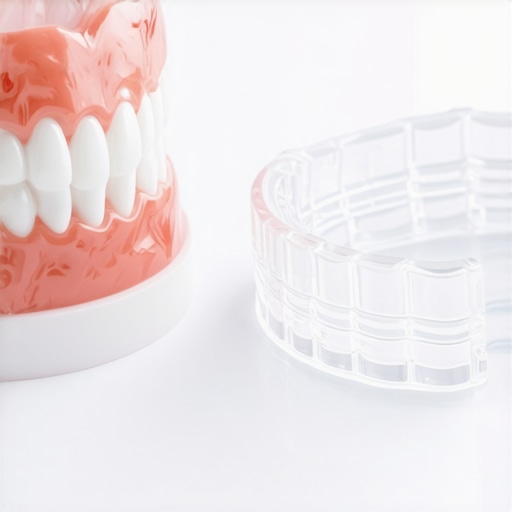
We often blame the hard food, but the real issue is usually the ‘path of closure.’ If your teeth do not glide smoothly over one another, the ceramic is subjected to ‘shear force’—a sideways pressure it was never designed to handle. Many patients think they just need a stronger material, but the most advanced family dentistry secrets reveal that managing the bite is more important than the porcelain itself. If your jaw is fighting your dental work, the dental work will always lose. This is where modern solutions like how Invisalign transforms family dentistry come into play. It is not just about a straight smile; it is about placing your ‘shield’ in a position where it won’t get hammered by your other teeth.
The Abrasive Trap Most Patients Fall Into
Here is the ‘oops’ factor I see constantly: people trying to polish or whiten their crowns with trendy products. You might be tempted to use a specific paste to keep that crown bright, but you have to know the truth about charcoal toothpaste and its effect on your enamel and porcelain. These abrasives can strip the factory glaze off your crown, leaving the surface microscopically porous. Once that glaze is gone, the porcelain becomes brittle and much more prone to those annoying little nicks. When choosing the right crown, you are paying for that protective glaze; do not scrub it away in a quest for whiteness. Have you ever fallen into this trap of trying a DIY fix only to make the texture feel worse? Let me know in the comments below.
If you want to keep that crown from chipping again, you need to upgrade your home toolkit. I used to think a standard brush was enough, but once you have restorative work, the game changes entirely. I personally swear by a high-end water flosser because it flushes out the microscopic debris that traditional string simply misses, especially around the delicate margins where the crown meets the gum. Learning the specific way to floss under a fixed dental bridge or crown is what actually saves the underlying tooth from secondary decay. It’s about more than just ‘cleaning’; it’s about using hydraulic pressure to remove the biofilm that causes that annoying fuzzy feeling after meals.
How do I maintain my dental work over time without a degree in dentistry?
The secret isn’t more aggressive scrubbing; it’s implementing smarter, more consistent habits. For example, if you’re in the middle of clear aligner treatment, you have to keep those trays pristine to protect the enamel underneath. I stopped buying those expensive fizzy tablets and switched to a much simpler solution. You can actually keep your Invisalign trays clear without buying expensive cleaners just by using basic household items that won’t scratch the plastic. According to a study published in the Journal of Clinical Orthodontics, the accumulation of Streptococcus mutans on aligners can significantly increase the risk of enamel demineralization if they aren’t sanitized daily. This is why I use the vinegar soak that safely sanitizes your retainers and guards every single morning. It’s cheap, highly effective, and prevents the material from turning a cloudy yellow color. 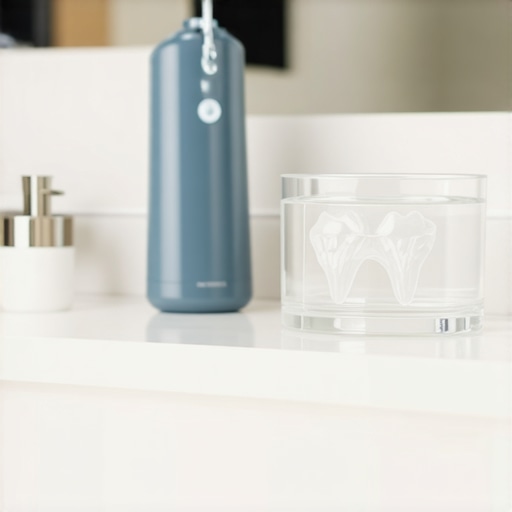
Why You Need the ‘Munchie’ Technique in Your Routine
If you find that your Invisalign aligners keep popping off your back teeth, you aren’t alone—but you might be failing the crucial ‘fit test.’ I use silicone ‘munchies’ every time I reinsert my trays to ensure they are fully seated against the attachments. Learning how to seat stubborn Invisalign trays using the munchie technique ensures the pressure is distributed exactly where the orthodontic software designed it to be. This isn’t just about comfort; it’s about making sure your teeth actually move according to the plan. In the next few years, I predict we will see home-based AI scanning apps that tell you exactly when your tray is 100% seated, but for now, these simple silicone tools are the gold standard for scaling your results.
Upgrade Your Home Defense Against Decay
Beyond the physical tools, you have to master the family dentistry secrets that the pros use to stay out of the chair. This includes knowing the safest way to whiten sensitive teeth at home without pain so you don’t inadvertently aggravate your existing crowns with harsh chemicals. My best advice? Start using a high-fluoride rinse specifically before bed. This gives the minerals hours to bond with your enamel and the edges of your porcelain. I challenge you to try the vinegar soak for your aligners or night guards for one week; you will be shocked at how much fresher your mouth feels throughout the day. This type of long-term consistency is how how Invisalign transforms family dentistry from a reactive chore into a proactive lifestyle.
Dealing with a chipped crown is more than just a physical annoyance; it is a wake-up call for your entire oral health routine. After my own experience with a sharp molar, I realized that modern dentistry is a partnership between the work done in the chair and how you treat those restorations at home.
The Toughest Lessons I Learned from My Dental Setbacks
Reflecting on my journey with restorative work, there are a few lightbulb moments that completely changed how I view my smile. First, I realized that a crown isn’t a ‘set it and forget it’ solution; it is a precision-engineered part of your body that requires active maintenance. I also learned that if I had paid more attention to modern oral health maintenance early on, I might have spotted the alignment issues before they turned into a physical break. Finally, the biggest takeaway was understanding that stress—both in my life and in my jaw—is the primary enemy of porcelain. If you are clenching your teeth, no material in the world will stay perfect forever.
The Personal Toolkit I Use to Avoid Future Breaks
I have narrowed down my daily routine to a few essential items that keep my dental work stable and my gums healthy. I never skip using a high-quality water flosser, especially because it is the best tool for cleaning under bridges and crowns where a standard brush simply cannot reach. I also keep a pack of orthodontic wax in my travel bag at all times, just in case I ever need to start safely managing a sharp tooth edge while away from home. Lastly, I rely on a high-fluoride night rinse to remineralize any tiny areas of wear before they become full-blown chips. These small investments have saved me thousands in potential repair costs.
Take Charge of Your Smile Restoration Today
You do not have to live in fear of your next meal or worry that every crunch might lead to a dental emergency. By focusing on alignment, using the right tools, and staying proactive with improving your family’s overall dental health, you can ensure your crowns and fillings last for decades. Your smile is an investment in your confidence and your health—treat it with the care it deserves. Have you ever tried a DIY fix for a sharp tooth that backfired on you? Let me know your story in the comments below!