
Why your Invisalign trays feel tighter on some days than others
I remember one Tuesday morning specifically. I reached for my tray on the nightstand, popped it in, and—ouch. It felt like I was trying to cram a size-eight foot into a size-six shoe. Just the day before, that same tray had felt like it was barely there, a comfortable companion in my journey to a straighter smile. I started spiraling. Did I leave them out too long during dinner? Did my teeth somehow spring back to their old, crooked ways while I slept? It is a nerve-wracking feeling, especially when you are investing so much time and heart into your oral health. If you have ever felt that sudden, sharp pressure and wondered if you are doing something wrong, believe me, I have been there too. We are going to get to the bottom of why your aligners seem to have a mood of their own, because honestly, you are likely doing much better than you think.
The Morning I Thought My Teeth Had Given Up
Early on in my treatment, I made a classic rookie mistake that I still kick myself for today. I convinced myself that eighteen hours of wear-time was “close enough” to the recommended twenty-two. I thought, “I am an adult, surely my teeth aren’t that stubborn.” I was wrong. By day three of that lazy streak, putting my trays back in felt like a workout for my jaw. I had to learn the hard way that sorting through Invisalign myths is one thing, but ignoring the biology of tooth movement is another. That tightness isn’t always a sign of failure, but it is definitely a signal from your body. Have you ever had a morning where your tray just flat-out refused to sit flush against your gums? Tell me I am not the only one who has panicked over a millimeter of space.
Is Invisalign actually worth the hassle?
When your mouth is throbbing and you are staring at a piece of plastic like it is your sworn enemy, it is natural to question the whole process. You might wonder if Invisalign transforms family dentistry as much as the brochures claim, or if you should have just stuck with traditional wires. The truth is, that tightness is actually proof of the magic happening behind the scenes. According to the American Association of Orthodontists, tooth movement relies on a complex process called bone remodeling, where pressure creates tiny inflammatory responses that allow the bone to reshape itself. It is a slow-motion construction zone in your mouth, and sometimes, the workers are just more active than others.
Why Your Aligner Fit Changes Like the Weather
It is easy to assume that if a tray fits perfectly at 10 PM, it should fit perfectly at 7 AM. But our bodies aren’t static. Things like your sleep position, how much you were clenching your jaw while dreaming about work, or even how well you hydrated can affect the minor inflammation in your gums. I noticed that on days I was particularly stressed, my trays felt incredibly snug. If you have ever wondered why your teeth ache for the first two days of a new tray, you know that the initial push is the hardest, but the daily fluctuations are what really mess with your head. We often forget that the hidden benefits of Invisalign include this constant, gentle micro-adjustment, but that doesn’t make the “tight days” any less surprising when they pop up out of nowhere. Your teeth are constantly resisting the move, and that tension is just the physical manifestation of your smile evolving into its final, healthy form.
Push Beyond the Initial Click
Simply popping the trays in with your fingers usually isn’t enough to trigger the specific movement you need. Think of your aligner like a high-performance tire; if it isn’t seated perfectly on the rim, you are going to have a bumpy ride. I spent my first two months just clicking them in and wondering why my progress felt sluggish. It wasn’t until my dentist handed me a chewie—a small, cylindrical piece of medical-grade foam—that I realized I hadn’t been fully engaging the plastic with my teeth. You need to bite down firmly on these seating tools for several minutes a day to close the tiny air gaps between the tooth and the tray. This ensures the pressure is applied exactly where the digital plan intended. When you compare Invisalign vs braces, this is the one part where you have more personal responsibility than a patient with permanent wires. If that gap remains, your tooth lags, and that is when the real aching starts. 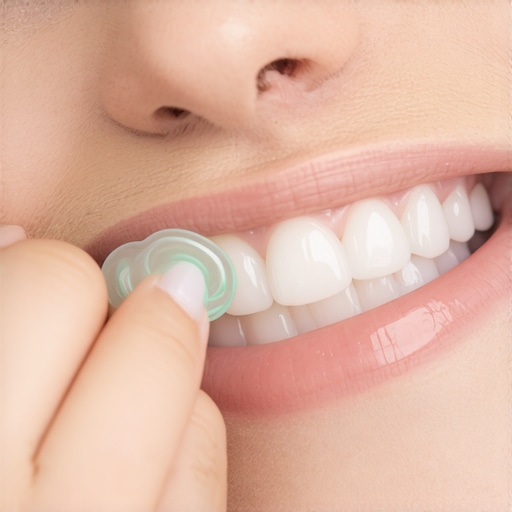
Swap Your Trays Right Before Bed
The most effective way to handle the inevitable tightness of a fresh tray is to cheat the clock. Instead of switching to a new set in the morning and feeling that tight shoe sensation all day at work, do it right before you sleep. This gives your teeth eight solid hours of uninterrupted movement without you constantly taking the trays out to eat or drink. I remember the first time I tried this; I took a mild over-the-counter pain reliever, popped the new trays in, and woke up feeling like the worst of the pressure had already passed. It is one of the most practical top oral health tips for anyone struggling with compliance. By the time you are ready for breakfast, the trays have already settled into their new position.
Protect Your Existing Dental Work
If you have restorative work, like a bridge or a cap, you might notice the aligner feels sharp or unusually bulky in those areas. This is because the plastic has to navigate different textures than natural enamel. Sometimes, a patient might feel like the specific reason your crown feels tall is the aligner pushing against the margin of the restoration. If you notice a sharp edge, do not try to perform DIY surgery with kitchen scissors. Use a tiny bit of orthodontic wax to bridge the gap until you can see your provider. It is also vital to keep these areas clean, as aligners can trap bacteria against the edges of a crown more easily than an open mouth. I once neglected flossing around my back molar crown for a week because it was too tight, and the resulting gum inflammation made the tray fit even worse. It is a vicious cycle you want to avoid.
The Carry-On Essential You Are Forgetting
I once flew to a wedding and realized halfway through the flight that I had left my cleaning crystals and spare case in my checked luggage. I spent the next three days trying to rinse my trays in hotel sinks with a tiny bit of hand soap—it was a nightmare. Now, I always tell people that the best way to travel with aligner cleaners is to keep a dedicated go-bag in your personal carry-on. If your trays aren’t clean, they don’t just smell; the microscopic buildup can actually change the internal dimensions of the tray, making it feel tighter than it actually is. Keeping your hardware pristine is just as important as the wear time itself. As you look into Invisalign innovations, you’ll see that newer plastics are more durable, but they still require that daily scrub to function at peak performance.Most people assume that if their teeth aren’t throbbing, the treatment isn’t working. I call this the ‘no pain, no gain’ fallacy of orthodontics. In reality, the most efficient tooth movement happens with light, continuous force, not sudden bursts of extreme pressure. If you find yourself wanting to chew on something hard just to ‘settle’ the tray, you might actually be risking root resorption—a condition where the body starts to reabsorb the tooth root because the pressure is too intense. I’ve seen patients try to force a tray that clearly wasn’t ready to fit, and that is a major ‘oops’ factor that can set your timeline back by months. Real expertise in maintaining oral health with modern techniques means knowing when to stay in a tray for an extra two days rather than forcing the next one.
Why does my dental crown feel like it is vibrating?
It sounds like a sci-fi plot, but many patients with restorative work notice a strange sensation. If you’ve ever wondered why your dental crown feels like it is vibrating, it is usually due to the aligner plastic catching on the microscopic edge of the crown. According to the American Journal of Orthodontics and Dentofacial Orthopedics, the friction coefficient between medical-grade polymers and porcelain is significantly higher than that of natural enamel. This means your aligner might ‘stutter’ against a crown during micro-movements. It’s a nuance that many general blogs miss, but it’s vital for choosing the right crown expert advice. If the vibration turns into a sharp pinch, you might be experiencing the reason your crown feels tight after flossing—the aligner is actually compressing the gum tissue around the base of the restoration. 
The Hidden Trap of the ‘Perfect’ Fit
The biggest mistake I see isn’t forgetting to wear the trays; it’s ignoring the subtle signs of a ‘lagging’ tooth. If you notice a tiny air bubble at the bottom of just one tooth, but the rest of the tray fits perfectly, do not move on to the next set. That one tooth has stopped tracking. If you ignore it and move to the next tray, the gap will grow until the plastic is no longer touching the tooth at all. This is where Invisalign innovations like smart-track material help, but they aren’t magic. You have to be the primary investigator of your own mouth. I once had a friend who ignored a small gap for three trays, and she ended up needing a ‘mid-course refinement’ that added four months to her treatment. Have you ever fallen into this trap where you just hoped the next tray would fix the gap? Let me know in the comments. We need to stop treating these trays as passive pieces of plastic and start seeing them as active medical devices that require your constant feedback. Whether you are weighing crowns vs veneers or just trying to get through your first month of aligners, the nuance is always in the details of the fit.If you want to move from surviving your treatment to actually mastering it, you need a toolkit that goes beyond a standard toothbrush. I used to spend twenty minutes every night scrubbing my aligners with a soft brush, only to find them looking cloudy by Friday. Then, I invested in a small ultrasonic cleaner. It is a game-changer. These devices use high-frequency sound waves to create cavitation bubbles that blast away plaque and bacteria in places a bristle simply cannot reach. If you have ever wondered how to clean a night guard that has started to smell like vinegar, this is the exact same technology. I pop my trays in while I am showering, and they come out looking brand new. Research published in the Journal of Clinical Orthodontics confirms that ultrasonic cleaning is significantly more effective at removing biofilm than manual brushing alone, and it prevents the micro-scratches that make trays look yellow over time. 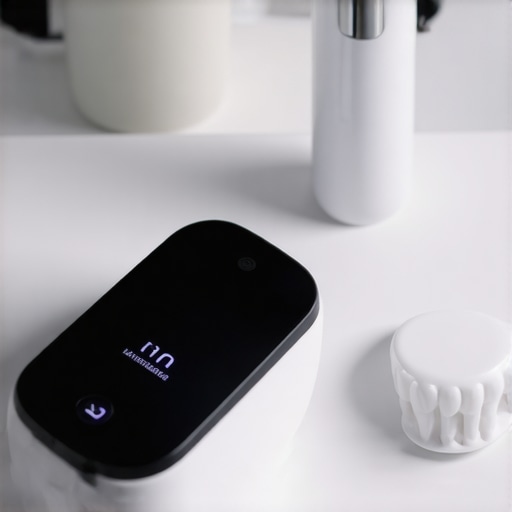
Stop Fumbling with Old-Fashioned Floss Around Your Crowns
For those of us with a mix of natural teeth and porcelain, the ultimate guide to crowns for a healthier smile usually emphasizes protection. I have found that a water flosser is not just a luxury; it is a necessity for flushing out the margins where your crown meets your gum line. It is also the only way to effectively clean a dental bridge without those annoying threaders that always seem to snap at the worst moment. When you are choosing the right crown expert advice, they will tell you that the crown itself won’t decay, but the tooth underneath it is still vulnerable. A high-quality water flosser, used on a medium setting, ensures that the construction zone we talked about earlier stays clean enough to support the truth about how long dental implants actually last and other long-term investments. Looking ahead, I suspect we are moving toward a world where your aligners will have built-in sensors. Imagine a tray that pings your phone if your saliva pH drops too low or if you haven’t worn it enough that day. Invisalign innovations are already moving toward smarter, more adaptive polymers, but the real jump will be in real-time data. We won’t just guess if our teeth are moving; our apps will confirm it with 3D scans from our smartphones.
How do I maintain my alignment for the long haul?
The finish line isn’t the day the attachments come off; it is the day your retention phase begins. I see so many people spend thousands on transforming their smile with crowns or Invisalign, only to let it slide two years later. You have to treat your retainer like a sacred object. If you lose it, do not wait. Your teeth have memory and will try to migrate back to their original spots faster than you can book an appointment. Family dentistry secrets maintaining oral health with modern techniques always include a strict nighttime wear schedule for life. It sounds daunting, but after a year of trays, a nightly retainer feels like a security blanket. Try this tonight: grab a high-quality water flosser and spend just 60 seconds focusing specifically on the gum line of your crowns or the gaps between your shifting teeth. You will be shocked at what your previous routine missed.
Three Hard Truths About Living With Aligners
- Compliance isn’t about being a robotic perfectionist; it’s about being consistent enough that your bone remodeling process stays on track. If you slip up for a few hours, don’t throw in the towel—just get back to your routine immediately.
- Your gums are the foundation of your future look. If you ignore their health, even the straightest teeth will lack that vibrant glow. Utilizing family dentistry secrets maintaining oral health with modern techniques will help you avoid mid-treatment puffiness and inflammation.
- Restorative work needs a customized approach. If you have a cap or bridge, choosing the right crown expert advice ensures your Invisalign plan doesn’t compromise the integrity of your existing dental investments.
Gear That Makes Compliance Feel Automatic
#IMAGE_PLACEHOLDER_E# I’ve tried the manual way, and life is simply too short for subpar cleaning rituals. I swear by a dedicated ultrasonic cleaner for removing that stubborn biofilm that makes trays look yellow by the end of the week. For the gaps between shifting teeth, I suggest mastering the trick to using a water flosser without making a total mess. It reaches the plaque that standard floss skips during the alignment process. Lastly, always keep an aligner removal tool in your go-bag, especially since you need to know how to manage a toothache when you are flying or dealing with tight trays during travel. High-quality tools turn a daily chore into a rewarding ritual.
Step Into Your Best Smile Yet
The journey through aligners and restorative care is a marathon, not a sprint. Whether you are realizing why crowns are a game changer in restorative dentistry or finally seeing your front teeth align, the effort you put in today pays dividends for decades to come. Your oral health is an investment in your confidence, your physical comfort, and your future. Don’t let a tight morning tray or a minor ache discourage you—it is just physical proof that you are evolving. Have you ever felt like your aligners weren’t tracking properly, and what did you do to fix the gap? Let me know in the comments below!