
How to keep your aligners clear while drinking tea
I stood in front of my bathroom mirror last Tuesday, squinting at my Invisalign trays with a sinking feeling in my gut. They weren’t clear anymore. Instead, they had taken on this sickly, antique-parchment yellow hue that screamed “I love Earl Grey way too much.” It was a classic rookie mistake. I thought I could sneak a few sips of lukewarm tea during my morning Zoom calls without anyone noticing. I was wrong. Not only did my smile look dingy, but I felt like I was failing at the very thing I’d invested so much time and money into. We’ve all been there—trying to balance our daily comforts with the strict rules of orthodontic treatment. It’s a tightrope walk between wanting a perfect smile and needing that caffeine kick to survive the afternoon slump. I realized that my interest in [family dentistry trends](https://familydentistpro.com/family-dentistry-trends-improving-oral-health-for-all-ages) hadn’t prepared me for the sheer willpower required to avoid a hot mug of tea on a rainy Tuesday morning. [image]
Stop Letting Your Morning Brew Turn Your Aligners Yellow
I’ve spent a lot of time talking to experts because I’m a bit of a perfectionist when it comes to my oral health. When I first started my Invisalign journey, I followed the rules to a T—at least for the first week. But then the reality of a busy life set in. The cold office, the craving for something soothing, and the sheer inconvenience of popping those trays out every time I wanted a sip led me down a stained path. I even started to notice [why your Invisalign trays feel tighter on some days than others](https://familydentistpro.com/why-your-invisalign-trays-feel-tighter-on-some-days-than-others-2), which made me realize that my tea-drinking habits were potentially affecting the plastic more than I cared to admit. My biggest blunder was thinking that green tea was a “safe” alternative to black tea because of the lighter pigment. I was so wrong. Within days, the aligners looked murky, losing that invisible edge that makes this treatment so great. It’s a common pitfall, and if you’re nodding your head right now, know you aren’t alone. We’re in this together, and I’ve spent the last few months perfecting a system that allows me to enjoy my tea while keeping my trays looking brand new.
Is drinking tea with aligners actually going to ruin my treatment?
This is the big fear that keeps most of us up at night. You worry that by staining the plastic, you’re somehow compromising the whole tooth-straightening process. According to the American Association of Orthodontists, the integrity of the aligner material is vital because it provides the constant, gentle pressure needed to guide your teeth into place. If you use liquids that are too hot, you risk warping the medical-grade plastic, which can lead to a poor fit and potentially longer treatment times. It’s not just about the color; it’s about the science of the shift. Beyond the physical trays, you also have to worry about what’s trapped underneath the plastic. Drinking sugary or acidic teas with trays in can create a “bath” for your enamel that leads to decay. It’s why I always emphasize [top oral health tips for your family’s bright smiles](https://familydentistpro.com/top-oral-health-tips-for-your-familys-bright-smiles) even when we’re just talking about a simple cup of tea. Have you ever caught a glimpse of your aligners in a photo and realized they were definitely not as invisible as you thought? Drop a comment or reach out via our [contact page](https://familydentistpro.com/contact-us) and let me know your biggest aligner struggle! I’m going to break down the specific steps I take now—from temperature control to the magic of straw placement—so you can keep your tea and your clear smile too. We’ll even look at [how to keep your smile white while drinking daily coffee](https://familydentistpro.com/how-to-keep-your-smile-white-while-drinking-daily-coffee) or tea for those days you decide to keep the trays out for a bit longer.
The Tactical Approach to Sipping Without Staining
Getting your system down is about more than just avoiding a yellow smile; it is about protecting the investment you made when deciding between Invisalign vs braces. I remember the first time I tried the straw method in public. I was at a local cafe, sitting with a delicate porcelain cup and a bright blue silicone straw. It looked ridiculous, but it was my first successful attempt at having my Earl Grey without drenching my aligners in tannin-heavy liquid. By positioning the straw toward the back of my mouth, I bypassed the front-facing plastic entirely. This small mechanical shift is the difference between trays that stay clear for two weeks and trays that look like old parchment by day four. When you realize how Invisalign transforms family dentistry by offering this kind of flexibility, you start to see that a little bit of awkwardness with a straw is a small price to pay for a straighter smile.
Switch to a Straw for Better Accuracy
Not all straws are created equal for this task. You want something slim and heat-resistant. The goal is to create a direct path for the liquid to hit the back of the tongue, avoiding the ‘pool’ effect where tea sits between your teeth and the aligner tray. I’ve found that reusable metal or silicone straws work best because they don’t collapse under the heat of a warm beverage. If you skip the straw, you’re essentially marinating your teeth in sugar and pigment, which is a fast track to needing restorative work. Just like how crowns boost oral health confidence by fixing damaged teeth, keeping your aligners clean ensures you don’t end up needing extra treatments for decay later on.
Wait for the Steam to Stop Rising
Temperature is the hidden enemy of clear aligners. These trays are made of medical-grade thermoplastic, which means they are specifically designed to be flexible under certain conditions. If your tea is hot enough to burn your tongue, it is hot enough to slightly warp your trays. I once made the mistake of sipping a steaming hot peppermint tea, and within minutes, my trays felt ‘off.’ It wasn’t just my imagination; they had subtly lost their shape. This warping can lead to the sensation that your teeth ache for the first two days of a new tray lasting much longer than it should because the fit is no longer precise. Always wait until your tea reaches a lukewarm temperature before you even think about taking a sip.

Maintain Your Clear Look After the Last Sip
Even with a straw and the perfect temperature, a tiny amount of residue is inevitable. This is where the maintenance phase begins. I treat every cup of tea like a mini dental appointment. It sounds exhausting, but once it becomes a habit, it only takes about sixty seconds. The science of Invisalign for family dental care relies on the plastic being a neutral barrier, not a trap for bacteria. If you leave tea residue under the tray, you are creating a petri dish against your enamel.
The 60-Second Post-Tea Routine
The moment you finish your drink, head to the sink. You don’t always need a full brushing session if you are in a rush, but a vigorous rinse with plain water is non-negotiable. Swish the water around to flush out any liquid that managed to sneak under the edges of the plastic. If I’m at home, I’ll pop the trays out for thirty seconds just to rinse them under cool water. This prevents the ‘film’ that often builds up and makes the trays look cloudy. Staying diligent with this routine is one of the family dentistry secrets that keeps your breath fresh and your trays invisible throughout the entire two-week cycle. It’s also worth checking Invisalign myths debunked to realize that you don’t have to be a hermit just because you’re straightening your teeth—you just have to be prepared.
Don’t wait for your bite to fix itself
But even being prepared with a cleaning routine doesn’t account for the structural ‘oops’ factors that many of us ignore until they become expensive problems. We often treat our dental work as if it is a physical piece of armor that requires no maintenance beyond brushing. This is a trap. In my experience, the biggest mistake people make in family dentistry is assuming that a restoration—whether it’s an Invisalign tray or a porcelain crown—is static. In reality, your mouth is a dynamic, shifting environment. If you’ve ever noticed why your crown feels sensitive to cold months after it was placed, it’s usually not because the crown failed, but because your bite has shifted or the gum margin has changed. Treating a crown as ‘set and forget’ is how you end up back in the chair for a replacement sooner than you’d like.
There is a common belief that if a new crown or an aligner tray feels a bit high, you should just ‘give it time’ to settle. In my analytical view, this is the most frequent blunder that leads to long-term pain. Your teeth aren’t meant to be hammers; they are meant to meet in a delicate, balanced harmony. According to a study published in the Journal of Oral Rehabilitation, even a discrepancy as small as 30 microns—less than the thickness of a human hair—can trigger chronic myofascial pain. If you’ve been wondering what to do when your crown feels taller than your other teeth, the answer is never ‘just wait.’ Ignoring that tiny misalignment can lead to tooth fractures or the need for more complex work like root canals. 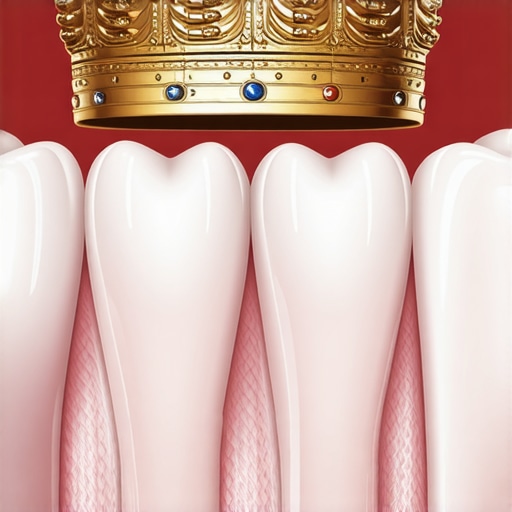
Restorations are part of your ecosystem
The contrarian view I always advocate for is that a crown or a bridge isn’t a replacement for a tooth; it’s a part of a dynamic biological ecosystem. Most people think once they have a restoration, that tooth is ‘safe.’ However, the margin where the crown meets the gum is the most vulnerable point for decay. This is why choosing the right crown expert matters so much—the fit at that margin determines if the tooth will last five years or twenty. If you treat it like static armor, you’ll miss the signs of why your dental work might be failing silently. Have you ever fallen into this trap of thinking your dental work was indestructible? Let me know in the comments below!
Why does my bite feel slightly off only when I first wake up?
If you notice the specific reason your crown feels tall when you wake up, it’s likely because of ‘pulpitis’ caused by nocturnal clenching. During the night, your jaw can exert hundreds of pounds of pressure. If a crown or tray is even slightly misaligned, that tooth takes the brunt of the force, causing the nerve to inflame. This is also why your new crown feels sensitive to cold drinks—the inflammation makes the nerve hyper-reactive. Getting a simple adjustment from your dentist can save you months of discomfort. It’s all about shifting from a passive mindset to an active one when it comes to your oral health.
Keep your aligners crystal clear with an ultrasonic bath
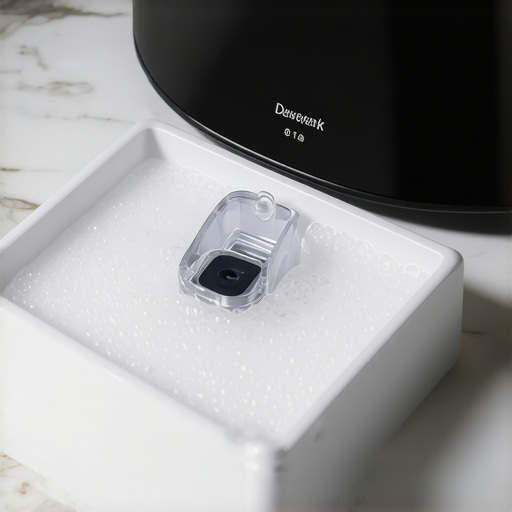
To keep that active mindset from becoming a chore, I’ve curated a very specific ‘dental toolkit’ that goes beyond the basic drugstore aisle. One of my non-negotiable tools is a high-frequency ultrasonic cleaner for my Invisalign trays. I don’t just use the standard effervescent tablets; I use a dedicated device that creates microscopic bubbles to blast away the proteins that cause that ‘cloudy’ look. If you’ve ever wondered why your Invisalign trays are suddenly making you lisp, it’s often because of a buildup of biofilm that changes how the tray sits against the roof of your mouth. An ultrasonic cleaner fixes this in minutes, and it’s a game-changer for anyone who wants their ‘invisible’ aligners to actually stay invisible. I personally use a 42,000Hz model which is gentle enough for medical-grade plastics but powerful enough to shake loose any stubborn Earl Grey residue.
Swap your floss for a smarter interdental brush
When it comes to my crowns, I’ve ditched the standard string floss for interdental brushes with plastic-coated wire. Metal-to-metal contact can scratch the porcelain or irritate the gum line, but these tiny brushes get into the ‘food traps’ that common floss often misses. This is especially vital when you’re looking at how to clean a dental bridge without those annoying threaders. I use the TePe brand because their bristle density is superior to the generic pharmacy versions. A study in the Journal of Clinical Periodontology confirms that interdental brushes are significantly more effective at removing plaque than floss in larger gaps, which is exactly what you deal with when you have restorations like crowns for a healthier smile. For those tricky molar areas, I also rely on the trick to using a water flosser without making a total mess—it’s all about keeping your mouth closed and your head down.
How do I maintain my dental work over the next decade?
Long-term success isn’t about one big deep clean; it’s about the microscopic habits you repeat 365 days a year. I treat my dental work like a high-performance engine. Every six months, I ask my dentist to check the margins of my crowns with an explorer tool to ensure the seal is still intact. This proactive check is one of the reasons why crowns are a game changer in saving teeth—they work as long as the foundation is solid. I also keep a digital log of my aligner wear time using a dedicated app. This level of granularity might seem obsessive, but when you’ve seen Invisalign innovations that track tooth movement in real-time, you realize that data is your best friend in avoiding a mid-treatment relapse.
The future of your smile lives in your smartphone
Looking ahead, I predict that oral health maintenance will move entirely into the digital realm. We are already seeing AI-assisted scanning apps that allow patients to take a photo of their teeth and receive a ‘health score’ or notification if a crown margin looks suspicious. This will take the guesswork out of maintaining oral health with modern techniques. We won’t just wait for a toothache to visit the dentist; our phones will tell us when the pH levels in our mouth are too acidic for our enamel. If you want to stay ahead of the curve, I highly recommend investing in an ultrasonic cleaner today. It’s the single best investment I’ve made for my Invisalign journey, and it will keep your trays as clear as the day you first popped them in.
The Bitter Truths I Learned While Navigating My Invisalign Journey
After months of trial and error, I’ve realized that the ‘invisible’ part of Invisalign is a privilege, not a guarantee. Here are the core lessons that shifted my perspective on daily maintenance:
- The ‘Just One Sip’ Trap: I used to think a single sip of tea wouldn’t hurt. It does. The capillary action pulls the liquid between the tray and your tooth, where it sits until you physically remove it.
- Morning Saliva is Your Enemy: If you don’t clean your trays the second they come out in the morning, that overnight biofilm hardens. Once it’s hard, no amount of rinsing will fix it.
- Restorations Aren’t Bulletproof: I learned that crowns are a game changer in restorative dentistry, but they require even more precision than natural teeth to stay healthy.
By staying aware of family dentistry trends, you can see that the industry is moving toward more patient-led care, which means we have to be the experts of our own mouths.
The Gear That Actually Keeps My Trays Crystal Clear
I’ve wasted money on fancy foams and expensive tablets, but these are the only three things that made a measurable difference in my routine:
- A High-Frequency Ultrasonic Cleaner: Forget manual scrubbing. A dedicated device is the gold standard for keeping medical plastics transparent. It’s the only way to combat the ‘cloudy’ look mentioned in Invisalign myths debunked.
- TePe Interdental Brushes: These are crucial for cleaning the gaps around crowns for a healthier smile without scratching the porcelain.
- A Compact Water Flosser: Once you learn the trick to using a water flosser without making a total mess, you’ll never go back to string floss for your bridge work.
Give Your Smile the Future It Deserves
The transition to a straighter, healthier smile isn’t just about the end result; it’s about the habits you build today. Whether you are currently comparing Invisalign vs braces or managing a complex set of crowns, remember that your effort is an investment in your confidence. We are lucky to live in an era where Invisalign innovations allow us to improve our health while still enjoying our lives. If you ever feel overwhelmed by the maintenance, just take it one cup of tea at a time. If you need professional guidance to get your plan back on track, don’t hesitate to reach out via our contact page. Have you ever found a stained tray right before a big meeting or social event? Let me know your aligner stories in the comments below!