
The best time of day to brush for maximum enamel protection
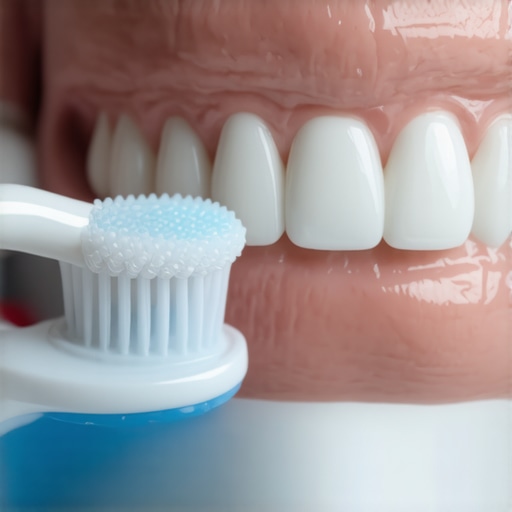
I still remember the morning I sat in my dentist’s chair, expecting a gold star for my oral hygiene, only to find out I was actually thinning my own teeth. I had this habit—obsessive, really—of scrubbing my teeth the second I finished my morning espresso. I thought I was being a superstar of oral health. In reality, I was basically using my toothbrush like sandpaper on softened enamel. It was a classic case of doing the right thing at the exactly wrong time. I was so focused on the how that I completely ignored the when, and my poor enamel was paying the price. It’s a mistake I see so many people make, thinking that speed is the key to a clean mouth. For years, I believed that if the food touched my teeth, it had to be gone within sixty seconds. I was wrong, and my sensitivity levels were through the roof because of it.
Stop Sandpapering Your Smile Every Morning
It sounds counterintuitive, right? We’re told our whole lives to brush after meals. But if you’re like me and love a morning routine that includes coffee, fruit, or even just a glass of orange juice, you’re dealing with acid. Acid softens your enamel temporarily. If you jump straight to the sink, you’re brushing away the very minerals meant to protect your teeth. This is where family dentistry secrets really come into play; it’s not just about the technique, but the biological clock of your mouth. Imagine your enamel like a brick wall, but for about thirty minutes after a meal, the mortar is wet. If you go at it with a stiff brush, you’re going to knock some bricks loose. My dentist pointed out that my canine teeth were starting to look a bit sheered, which is a fancy way of saying I was over-brushing at the wrong moments. Today, I want to walk you through the sweet spots of the clock. We’re going to talk about why that 30-minute window after eating is your enamel’s best friend and how adjusting your schedule can save you from a future of needing crowns or dealing with unnecessary tooth pain.
Is timing actually worth all this hype?
I get the skepticism. You might think that as long as you hit the two-minute mark twice a day, you are golden. But the science says otherwise. According to the American Dental Association, waiting at least 60 minutes after eating acidic foods allows your saliva to naturally remineralize the enamel and wash away those acids before you introduce the friction of a brush. If you’ve ever wondered why your teeth feel sticky even after a good cleaning, it might be because your timing has thrown your mouth’s natural pH balance out of whack. I made the mistake of thinking I knew better than the clock for a long time. I ended up with microscopic wear that made my teeth look yellow because the dentin underneath was starting to show through. It’s a common trap. Whether you are currently trying to keep your smile white while drinking coffee or you’re managing more complex care like Invisalign vs braces, the clock is your most important tool. Have you ever felt like you were doing everything right but still seeing your enamel fade away? Drop a comment or reach out—I’d love to know if I’m not the only one who learned this the hard way. It’s frustrating when you’re putting in the work and seeing zero results—or worse, negative ones. That’s why we’re going to fix your schedule right now.
Let your saliva do the heavy lifting
Saliva is basically your mouth’s internal repair crew, packed with calcium and phosphate ions that literally plug the microscopic holes in your enamel. When you eat something acidic—like that morning latte or a bowl of berries—your mouth’s pH drops, and your enamel softens significantly. This is when your teeth are at their most vulnerable. Instead of reaching for the brush, your first move should always be a simple water rinse. I call it the ‘buffer phase.’ By swishing plain water, you help neutralize the acid and jumpstart the remineralization process naturally. This is one of those family dentistry secrets that sounds too simple to be effective, but it is the difference between a lifelong healthy tooth and a crown that needs replacement way earlier than it should. 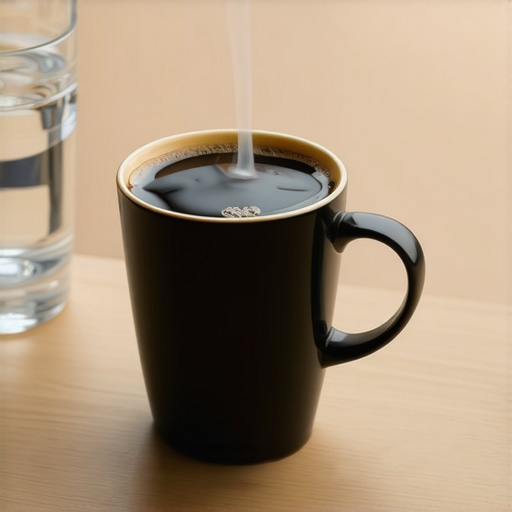
The 60-minute rule for coffee lovers
If you are a daily coffee drinker, you are effectively bathing your teeth in a low-level acid for hours. I remember a Tuesday last October where I had three cups of black coffee while finishing a project. My teeth felt ‘fuzzy’ and slightly sensitive, and my immediate instinct was to scrub that feeling away. Instead, I forced myself to wait. I drank a glass of water, chewed a piece of xylitol gum to stimulate saliva flow, and waited exactly one hour before brushing. The result? That zingy, sharp sensitivity I used to get after my morning coffee routine completely vanished. If you are currently navigating the choice between Invisalign vs braces, this timing is even more critical because trapping residual acid under an aligner or a metal bracket is a recipe for permanent decalcification. Following top oral health tips for your family’s bright smiles often boils down to a single habit: don’t interrupt your mouth’s natural healing cycle with a toothbrush.
What to do when you just cannot wait
Life happens, and sometimes you have a big meeting or a date ten minutes after eating a garlic-heavy lunch. If you absolutely must clean your mouth before that 60-minute window closes, you have to skip the abrasive tools. Do not use a stiff brush or a gritty paste. Instead, use a soft cloth or even a very gentle finger rub with plain water. Better yet, use a fluoride-based mouthwash that can freshen your breath while actually strengthening the surface without any friction. I have seen so many people ask why your teeth feel sticky even after you just brushed; often, it is because the enamel is already slightly pitted from acid, and the brush is just aggravating the surface texture. Using family dentistry trends improving oral health for all ages as our guide, we now know that ‘gentle’ is always superior to ‘fast.’ Even if you are tempted by the latest fads, remember that the truth about charcoal toothpaste and your tooth enamel is that they are often too abrasive for a mouth that has just finished a meal. Step back, let the pH balance out, and then go in for the deep clean.
Most of us were raised on the idea that the harder you scrub, the cleaner the surface. It’s a logic we apply to car tires and kitchen counters, but applying it to your mouth is a recipe for disaster. In fact, a study published in the Journal of Clinical Periodontology highlights that excessive brushing force is a primary contributor to gingival recession. If you’ve noticed the reason your gums bleed only when you use a firm toothbrush, you’re witnessing the early stages of mechanical trauma. It’s not about the ‘strength’ of the brush; it’s about the frequency and the angle. Pushing too hard actually bends the bristles away from the areas they need to reach most—the gumline.
This leads us to the biggest ‘oops’ factor I see in modern family dentistry trends improving oral health for all ages: the belief that restorative work like crowns or implants are ‘indestructible.’ I’ve had patients tell me they stopped flossing around a new crown because ‘it’s not a real tooth, so it can’t rot.’ This is a dangerous trap. While the porcelain itself won’t decay, the natural tooth structure underneath is more vulnerable than ever. If you don’t choose the right crown expert advice for long-lasting results, you might miss the subtle signs of margin failure.
Why does a new crown sometimes feel ‘taller’ than the rest of your teeth?
This is a question I get from the most observant patients. You go in for a restoration, and suddenly your whole bite feels like it’s pivoting on one single point. It’s tempting to think it’ll ‘settle in,’ but that’s a myth. Your teeth shouldn’t have to fight each other. If you ignore the specific reason your crown feels tall when you wake up, you risk developing TMJ issues or even cracking the opposing tooth. A perfectly calibrated bite is the difference between a crown that lasts five years and one that lasts twenty.
The same nuance applies to orthodontics. There’s a persistent myth that clear aligners are only for minor aesthetic ‘social’ straightening. In reality, how Invisalign transforms family dentistry in 2025 is through complex bite correction that was once reserved for metal brackets. However, the ‘oops’ here is compliance. Some people assume that ‘most of the time’ is good enough. If you’re not hitting that 22-hour mark, you aren’t just slowing down the process; you’re risking ‘root resorption’—a condition where the body starts to reject the tooth because the movement is inconsistent. Before you dive in, make sure you’ve seen Invisalign myths debunked to understand the real commitment. Have you ever fallen into the trap of thinking a dental fix was ‘permanent’ and stopped being as diligent with your care? Let me know in the comments—I’ve definitely been guilty of it myself.
My transition from a manual brush to a smart electric one wasn’t just a tech upgrade; it was a rescue mission for my receding gumline. I used to think ‘soft’ bristles were enough, but without a pressure sensor, I was still a menace to my own mouth. By switching, I finally mastered the safest way to use an electric toothbrush on sensitive teeth without causing further wear. If you’re a heavy-handed brusher like I was, that little red warning light on modern brushes is more valuable than the motor itself. It is often the missing link in solving why your gums are receding despite brushing twice a day. I also added a water flosser to my nightly routine, though I’ll admit I sprayed my bathroom mirror for a week straight before I learned the trick to using a water flosser without making a total mess.
Upgrade your toolkit before your enamel quits
When we talk about top oral health tips for your family’s bright smiles, we have to talk about clinical results. A 2019 Cochrane systematic review specifically noted that powered toothbrushes lead to a 21% greater reduction in plaque after three months of use compared to manual brushes. For someone with restorations, that 21% is the difference between a healthy margin and a failing one. I’ve found that interdental brushes—those tiny little Christmas tree-looking things—are far superior for cleaning around the base of a crown than standard floss alone. 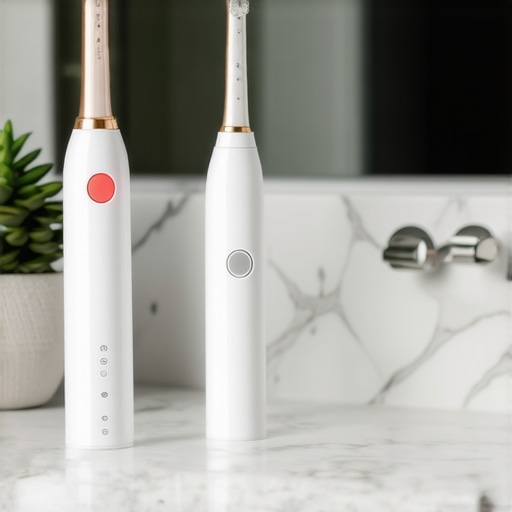
How can I maintain my crowns and aligners over the long haul?
Longevity isn’t an accident. If you’ve invested in the ultimate guide to crowns for a healthier smile, you know the restoration is only as strong as the tooth supporting it. I make it a point to use a non-abrasive fluoride gel once a week to specifically target those margins. When it comes to aligners, maintenance is about chemistry as much as physical cleaning. I see people ruining their trays with hot water, not realizing they are warping the plastic. You need to keep them clear and functional, which is why learning how to keep your aligners clear while drinking tea or coffee is a game-changer for your daily comfort.
Your future smile is being built in 3D
The industry is moving away from guesswork. I recently saw a demonstration of a 3D CBCT scan, and the level of detail is staggering. It’s why why finding the best dentistry in culpeper va usually starts with a 3d cbct scan; it allows providers to see bone density and nerve paths before a single tool touches your mouth. We are entering an era where Invisalign innovations will likely include real-time tracking via smartphone apps to tell you exactly when to swap trays based on actual tooth movement rather than a calendar. To keep your results permanent, you have to be proactive. My challenge to you: swap your manual brush for a pressure-sensitive electric model this week. Your gums will thank you within fourteen days. Contact us if you need a specific recommendation for your tooth type.
Hard Truths from My Years in the Dentist’s Chair
One of the biggest eye-openers for me was realizing that a dental restoration isn’t a ‘get out of jail free’ card. I used to think a crown was like a suit of armor, but I learned that why crowns are a game changer in restorative dentistry is only half the story; the other half is how you treat the natural tooth structure underneath. Another lightbulb moment was understanding that ‘clean’ doesn’t mean ‘scrubbed.’ If you are chasing a feeling of friction, you’re likely over-brushing and causing trauma. Finally, I realized that modern alignment isn’t just for teenagers. Seeing the hidden benefits of Invisalign for family dental care in 2025 taught me that straight teeth are actually easier to keep clean, preventing decay in the long run by eliminating tight crowding.
The Small Tools That Made the Biggest Difference for Me
I don’t recommend products lightly, but a few things have fundamentally shifted my results. First, a high-quality electric toothbrush with a pressure sensor is non-negotiable if you want to avoid the hidden spots most people miss while brushing their teeth without damaging your gums. Second, I keep a pouch of xylitol gum in my car for those times I can’t rinse after coffee; it stimulates saliva and neutralizes acid instantly. Lastly, knowing what to eat after getting a new dental crown or during a sensitive phase helped me transition back to a full diet without unnecessary pain or accidental damage to my dental work.
Your Journey Toward a Lifetime of Healthy Smiles
Taking control of your oral health doesn’t mean you have to be perfect every single day. It means being informed enough to make the right choices when they count—like waiting that extra thirty minutes before you brush or choosing a provider who uses the latest 3D technology. By applying these family dentistry secrets, you aren’t just cleaning your teeth; you are preserving your confidence and your comfort for decades to come. Your smile is an investment that pays off every single day, provided you respect the biology behind it. Have you ever noticed your teeth feeling sensitive specifically after certain foods or drinks? Let me know in the comments below!