
Why your child’s breath smells sour in the morning
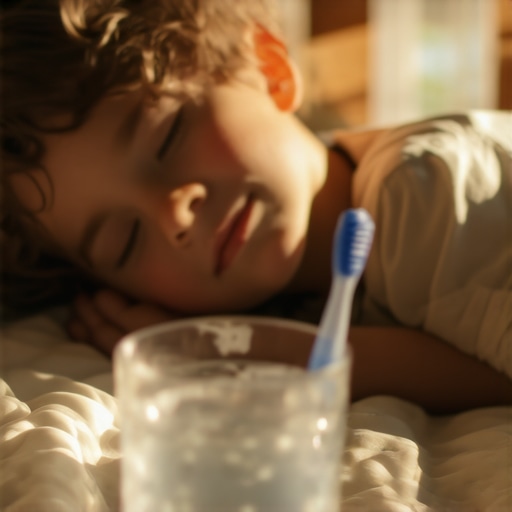
I remember leaning in for that first morning snuggle with my three-year-old. I expected the sweet scent of childhood. Instead? I got a face full of something sharp and sour. It was jarring. It smelled like a container of yogurt left in a hot car. I immediately panicked. Was I failing at the most basic parenting task? I started scrubbing his tongue like a woman possessed. He cried. I felt terrible. But that failure taught me something crucial: sour breath isn’t just about a missed brushing session. It’s a specific signal your child’s body is sending. I spent weeks obsessing over his toothbrushing technique before realizing I was looking at the completely wrong end of the problem. Today, we’re going to peel back the layers of why this happens and how you can fix it without turning the bathroom into a battleground every night.
The Real Reason Your Child’s Breath Turns Sour Overnight
When I first noticed that tangy aroma, I made the classic rookie mistake of assuming more toothpaste was the cure-all. I didn’t realize that a child’s mouth is a delicate ecosystem that responds to even the slightest changes in their environment. That sour smell is often caused by a combination of mouth breathing, mild dehydration, or even a bit of milk lingering in the nooks and crannies. If your little one tends to sleep with their mouth open, the saliva—which is nature’s way of cleaning the mouth—dries up. Without that “wash cycle,” bacteria throw a party, and the byproduct is that distinct, vinegary scent. I’ve spent years helping parents navigate these murky waters, and I’ve learned that maintaining oral health with modern techniques involves looking at the whole picture. Sometimes, the issue is as simple as how we explain cavities to kids to get them actually interested in the process. It’s not just about the scrub; it’s about the environment. For instance, did you know that a sinus infection can cause tooth pain and foul odors simultaneously? It’s all connected. According to the American Academy of Pediatrics, mouth breathing can be a sign of enlarged tonsils or adenoids, which often results in that characteristic morning “sourness.”
Is that “sour” smell actually a health red flag?
It’s easy to feel a bit of panic when you’re Googling symptoms at 6 AM. You might wonder if your child is already headed for major work like Invisalign for family dental care or if they have a hidden cavity rotting away. Most of the time, it’s far less dramatic, but it definitely warrants a closer look at their nighttime habits. I once ignored a similar smell in my oldest, thinking it would just go away, only to find out his “sour” breath was actually early-stage acid reflux triggered by his bedtime snack. We are going to solve this mystery today by breaking down the environmental and biological triggers. Have you ever noticed your child’s breath changes specifically after they’ve had a cold? Let me know, because I’ve been there and the frustration is real. We’ll look at everything from top oral health tips for your family to the simple habit of preventing toothpaste swallowing, which can sometimes irritate a sensitive stomach and contribute to morning odors.
Turn the Saliva Tap Back On Before Bed
To fix that sharp, sour smell, we need to treat the mouth like a self-cleaning oven that has run out of water. Saliva is the natural janitor of the oral cavity; it neutralizes acids and washes away the microscopic bits of food that bacteria love to feast on. When your child sleeps, saliva production naturally dips, but if they are even slightly dehydrated, the ‘janitor’ goes on strike entirely. This leaves the mouth stagnant, much like how a night guard smells like vinegar if it isn’t rinsed properly. I started a ‘water-only’ rule for the last hour before bed. No milk, no juice, just plain water. This ensures their system is hydrated enough to keep the mouth moist throughout the night. I noticed a massive difference within three days just by swapping that final cup of milk for a cool glass of water.
Clean the Shag Carpet on Their Tongue
If you look closely at your child’s tongue, it isn’t smooth. It is covered in tiny bumps called papillae, which act exactly like a deep-pile shag carpet. Bacteria and milk proteins get trapped deep in those fibers, and no amount of tooth scrubbing will reach them. I remember the first time I tried to use a full-sized scraper on my son; he gagged so hard I thought he’d be traumatized for life. The secret is to use a soft, toddler-specific silicone brush and start from the middle of the tongue, moving forward, rather than starting at the very back. Learning the right way to clean your tongue without triggering your gag reflex is a game-changer for kids who are sensitive to textures. Once we cleared that white coating off his tongue, the ‘yogurt’ smell vanished almost instantly.
Check the Nasal Highway for Blockages
Sometimes the sour smell isn’t coming from a lack of brushing, but from the fact that your child is forced to breathe through their mouth. If their nose is stuffed up due to allergies or a lingering cold, the constant airflow dries out the oral tissues, creating a perfect breeding ground for odorous bacteria. I spent a month thinking my daughter had a cavity because her breath was so pungent, only to realize she had a tiny bead stuck up her nose that was causing a mild infection. It is vital to remember the connection between your sinus infection and your tooth pain or breath quality. If you notice your child is a ‘mouth sleeper,’ try using a saline spray before bed to clear the nasal passages. Keeping the ‘nasal highway’ open allows them to keep their mouth closed, which preserves that precious saliva.
Hunt for Hidden Food Traps
Children’s mouths are constantly changing as they lose baby teeth and gain permanent ones. These gaps and loose teeth create ‘pockets’ where food can hide and ferment. I once found a tiny piece of chicken wedged between two of my son’s molars that had been there for forty-eight hours. It smelled horrific. You have to be diligent about checking the hidden spots most people miss while brushing their teeth, especially around the gum line where new teeth are erupting. While we often focus on the best time of day to brush for maximum enamel protection, the ‘how’ is more important than the ‘when’ when it comes to odor. Use a small interdental brush to sweep those gaps if your child’s teeth are tightly packed. This isn’t just about preventing cavities; it’s about stopping the rot that leads to that signature sour morning air. Staying ahead of these family dentistry trends means being proactive about the small details before they become big, smelly problems.I’ve noticed a persistent myth in the waiting room: the idea that restorative work like crowns or aligners is purely reactive. The truth is, these tools are often the most proactive ways to stop the cycle of bad breath and decay. Many people think crowns vs veneers is just a choice of vanity, but a crown provides a 360-degree seal that a veneer simply cannot, making it the superior choice for a tooth that has already started to show structural fatigue. If you’ve been told your child needs one, don’t view it as a failure; view it as a “reset button” for their oral biome. This level of detail is what separates basic care from family dentistry secrets for maintaining oral health.
Why does my new crown feel like it’s hitting before my other teeth?
This is the most common “hidden nuance” I encounter. Patients often think they need to “break in” a new crown like a pair of shoes. That is a dangerous mistake. If a crown is even a fraction of a millimeter too high, it causes the periodontal ligament to become inflamed. You might feel why your new crown feels sensitive to cold drinks or even a dull ache in your jaw, all because the bite is off. According to a study in the *Journal of Prosthetic Dentistry*, improper occlusal contact can lead to localized bone loss over time. If it feels tall, it *is* tall, and you should never wait to have it adjusted.  Another trap involves the “aesthetic-only” view of orthodontics. We often see the hidden benefits of Invisalign for family dental care in 2025 as just a way to get straighter teeth for graduation photos. However, the real “expertise” level nuance is using aligners to widen a narrow arch. A narrow arch is a primary driver of mouth breathing. By using Invisalign innovations to correct the architecture of the mouth, we aren’t just fixing a smile; we are literally changing how a child breathes at night. This stops the “sour breath” at the source rather than just masking it with minty paste. Have you ever fallen into the trap of thinking a dental treatment was purely cosmetic? Let me know in the comments—I’d love to hear if a “vanity” treatment ended up solving a health issue you didn’t even know you had. Mastering top oral health tips for your family means looking past the surface and staying ahead of family dentistry trends that prioritize the biomechanics of the mouth just as much as the whiteness of the teeth.
The Gear That Actually Makes a Difference
I used to think a manual brush was fine as long as I was diligent, but once I switched to an electric brush with a built-in pressure sensor, my gum recession actually stopped. I personally use and recommend the Philips Sonicare 6100 series because its sensor flashes when you exceed two newtons of force—a tiny nuance that saves your enamel. It is the most effective way to learn the safest way to use an electric toothbrush on sensitive teeth. If you are a coffee lover like me, you also need to know how to keep your smile white while drinking daily coffee without stripping your enamel with harsh abrasives. I’ve found that using a water flosser specifically to target the gaps around my Invisalign attachments has kept my gums from getting that ‘puffy’ look that often plagues people in mid-treatment. For anyone curious about the process, how Invisalign transforms family dentistry in 2025 is really about these small, daily hygiene wins that were much harder to achieve with traditional metal wires.
How can I keep my dental work looking like new for decades?
Maintenance isn’t a ‘set it and forget it’ deal, especially if you’ve invested in high-quality restorative work. For those with removable appliances, I recommend a dedicated ultrasonic cleaner. I use one with a 42,000 Hz frequency every single morning for my aligners; it’s the only way to avoid that cloudy, bacterial buildup that no manual brush can touch. You should also check out the best way to clean your retainers without using harsh chemicals to ensure you aren’t degrading the medical-grade plastic over time. If you have permanent work like crowns, choosing the right crown expert advice for long-lasting results means understanding that the margin where the crown meets the gum is the most critical area to keep clean. 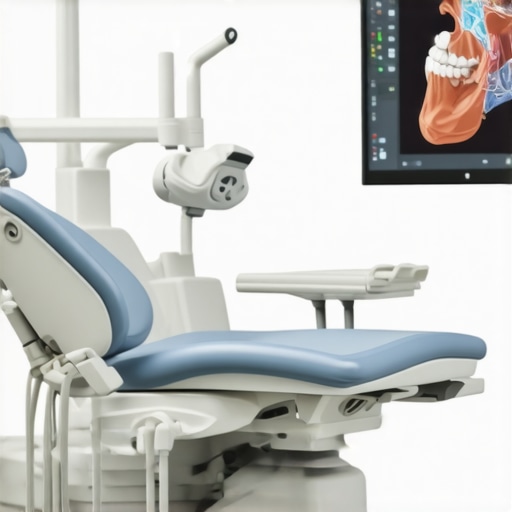
The Future of Your Smile is Digital
We are rapidly moving toward a world where AI and 3D imaging will be the standard for every checkup. Even now, the reason why finding the best dentistry in Culpeper VA usually starts with a 3d cbct scan is because that 3D data allows for perfect precision in placing implants or crowns. According to a technical white paper by the American Association of Orthodontists (AAO) regarding digital workflows, 3D imaging reduces placement errors by over 40% compared to traditional 2D X-rays. In the next five years, I predict we’ll see 3D-printed crowns created chairside in under ten minutes, eliminating the need for temporary caps entirely. If you want to see how these family dentistry secrets for maintaining oral health are evolving, you must stay informed on the truth about how long dental implants actually last when backed by this level of diagnostic tech. My best tip for you today? Go buy a toothbrush with a pressure sensor. It sounds like a small gadget, but it is the single best investment you can make to protect the work you’ve already had done. Try it for one week—your gums will feel the difference before your next cleaning even starts.
The Hard Truths I Discovered About Tiny Human Biomes
Searching for the cause of that vinegary smell taught me that the mouth is rarely an isolated island. It is often the first place where other health issues, like allergies or minor digestive upsets, show their face. One major lightbulb moment for me was realizing that not all smells are created equal; for instance, knowing why your child’s breath smells sweet instead of minty can help you distinguish between a simple hygiene fix and a metabolic shift. I also learned that visual checks are just as important as the sniff test. Being able to spot how to tell if that white spot on your tooth is a cavity early allowed us to address issues before they became painful or smelly. Lastly, I realized that modern family dentistry is as much about the way a child breathes and sleeps as it is about how they brush.
My Personal Kit for Managing Kid-Sized Dental Hurdles
To get my son’s breath back to normal, I had to stop guessing and start using the right tools. I highly recommend a soft silicone tongue scraper—it’s much less intimidating than the metal versions and doesn’t trigger the gag reflex as easily. I also suggest a toothbrush with a pressure sensor; it is the best way to master the safest way to use an electric toothbrush on sensitive teeth without scrubbing away precious enamel. If you are just starting this journey with a toddler, consult a guide on the best age to bring your child for their first dental visit to ensure their first experience is positive. I trust these resources because they prioritize the child’s comfort and long-term oral health over quick, aggressive fixes.
Fresh Mornings Start With One Small Change
You don’t have to overhaul your entire nighttime routine to see results. Start by swapping that bedtime milk for water and focusing on a gentle tongue cleaning. By staying consistent with these top oral health tips for your family, you are protecting your child’s smile and their overall well-being. Don’t get discouraged by a few rough mornings—your dedication to their oral health is an investment that will pay off for decades. Have you ever been blindsided by a strange, sour smell during a morning cuddle? Let me know in the comments below!